High-gloss plastics, TPE application fields and selection methods for high-gloss agents, what is the relationship between external lubricants for TPE and high-gloss agents?
High-gloss surface plastic and TPE application areas
Plastic high-gloss agents are偏向 hard, high-gloss parts, while TPE high-gloss agents focus more on the surface aesthetics and functionality (anti-adhesion, stain-resistance) of elastomer surfaces. Note: There appears to be a grammatical issue in the original Chinese text where "偏向" is not fully incorporated into the sentence structure. A corrected version might read: "塑料高光剂适用于硬质、高光部件,而TPE高光剂更注重弹性体表面的美观性和功能性(防粘、耐污)。" This translates more smoothly to: "Plastic high-gloss agents are suitable for hard, high-gloss parts, while TPE high-gloss agents focus more on the surface aesthetics and functionality (anti-adhesion, stain-resistance) of elastomer surfaces."
The main applications of plastic gloss agents
Appliance casings (ABS, PP): such as TV panels, air conditioner casings, and washing machine control panels.
Automotive components (PC/ABS, PP): interior panels, dashboard, lamp covers.
Electronic products (PC, PMMA): mobile phone cases, laptop cases, LED lamp covers.
Packaging materials (PET, PS): cosmetic bottles, food containers, transparent blister packaging.
Main Applications of TPE Highlighting Agent
Consumer electronics (SEBS-based TPE): smart watch bands, earphone cables, mobile phone protective cases.
Automotive parts (TPV, TPU): steering wheel cover, door sealing strip (with wear resistance).
Medical supplies (medical-grade TPE): infusion tube surface, respiratory masks (require biocompatibility).
Kitchen and bathroom supplies (soft TPE): non-slip mats, shower hoses (water-resistant and easy to clean).
Sports Equipment (TPE/TPU): Yoga Mat, Grip Sleeve (High Gloss + Anti-Slip).

2. Commonly used plastic surface gloss agents
Plastic gloss agents are mainly used to enhance the surface gloss of rigid plastics (such as PP, ABS, PC, PS, PVC, etc.). Common types include:
Wax-based highlighter
Polyethylene wax (PE wax): improves gloss, reduces friction, suitable for PP, ABS, etc.
Oxidized Polyethylene Wax (OPE Wax): Enhances the compatibility of polar plastics (such as PVC, PC).
PTFE wax: High temperature resistant, suitable for engineering plastics (such as PA, POM).
Fatty acids and their derivatives
Zinc stearate/calcium stearate: combines lubrication and gloss enhancement, low cost, suitable for general-purpose plastics.
Ethylene Bis Stearamide (EBS): Improves surface slip and gloss, reduces exudation.
Silicone
Silicone oil/silicone resin: Significantly enhances gloss, but excessive amounts may affect subsequent spraying or adhesion.
Organosilicon Masterbatch: In pre-dispersed form, reducing migration risk.
Special polymers
PMMA (polymethyl methacrylate) microspheres: fill surface micro-defects, enhance light reflection, suitable for transparent plastics (e.g., PC, PET).
Acrylate-based brighteners: Improve surface smoothness and reduce haze.
nanomaterials
Nanometric silica/alumina: Fills surface micropores, enhancing mirror finish.
Three: TPE Surface Gloss Enhancer
TPE (such as SBS, SEBS, TPV, etc.) tends to be sticky or matte in nature, requiring special gloss enhancers. Common types include:
Silicone
Liquid silicone oil: Direct blending improves smoothness and gloss (but may migrate).
Silicone masterbatch: more stable, less blooming.
Fluorine-based additives
Fluorinated ethylene propylene copolymer (FEP): extremely low surface energy, providing long-lasting high gloss effects, suitable for high-demand TPE products.
Amino acid lubricants
Erucamide/Oleamide: Reduces surface friction, enhances gloss, suitable for soft TPE.
Maleic anhydride grafted polymer
PP-g-MAH (maleic anhydride grafted polypropylene): Enhances compatibility with TPE and reduces precipitation.
Special filler
Ultrafine talc/glass beads: Improve gloss indirectly by surface leveling.
Four, The Relationship between TPE External Lubricants and High-Gloss Agents
Function Difference
External lubricants: They mainly reduce the friction between the melt and the mold, improving demolding (such as stearic acid, paraffin).
Highlighting Agent: Mainly enhances surface gloss and may also have a lubricating effect (such as silicone oil, PMMA microspheres).
Collaboration and Conflict
Synergistic effect: Certain high gloss agents (such as silicone oil and amides) also have lubricating functions, which can reduce the amount of external lubricants used.
Potential conflict: Excessive external lubricants (such as zinc stearate) may precipitate, causing a white surface and reducing gloss. If high-gloss agents have too strong migration (such as liquid silicone oil), they may affect subsequent spraying or bonding.
Practical application suggestions
Prioritize multifunctional additives: such as silicone masterbatch, which can both enhance gloss and provide lubrication.
Control the amount of external lubricant: generally not exceeding 0.5%, to avoid affecting gloss.
Test compatibility: Observe for precipitation through thermal aging test (70℃×48h).
【Copyright and Disclaimer】The above information is collected and organized by PlastMatch. The copyright belongs to the original author. This article is reprinted for the purpose of providing more information, and it does not imply that PlastMatch endorses the views expressed in the article or guarantees its accuracy. If there are any errors in the source attribution or if your legitimate rights have been infringed, please contact us, and we will promptly correct or remove the content. If other media, websites, or individuals use the aforementioned content, they must clearly indicate the original source and origin of the work and assume legal responsibility on their own.
Most Popular
-

Mexico Imposes Tariff Up to 36% on Cross-Border E-Commerce Products, Effective January 1, 2026; Plastic Shows Partial Fluctuation Today
-
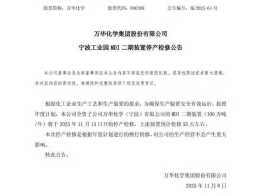
4.5 Million Tons! Wanhua Chemical Dominates Globally in MDI, Heavy Investment in Battery Materials Spurs New Storm
-

Trump Delays Tariff Increase on Furniture, Cabinets, and Vanities
-
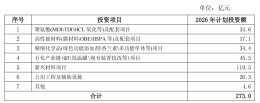
Wanhua Chemical Invests $27.3 Billion, 2026 Investment Map Revealed, $1.1 Billion Bet on Battery Materials
-
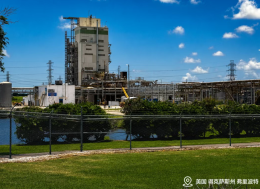
Back-to-back major joker moves! covestro’s 1.32 million ton mdi dual-line expansion and hdi acquisition reshape global polyurethane landscape