Want to cool down in hot weather? try "welding" polylactic acid (pla) to your skin!
Is there a magical fabric that can make a person feel instantly cool when worn?
Some brothers are there! It is——polylactic acid (PLA) fiber, a magical fiber from nature, known as "breathable fiber" by people.
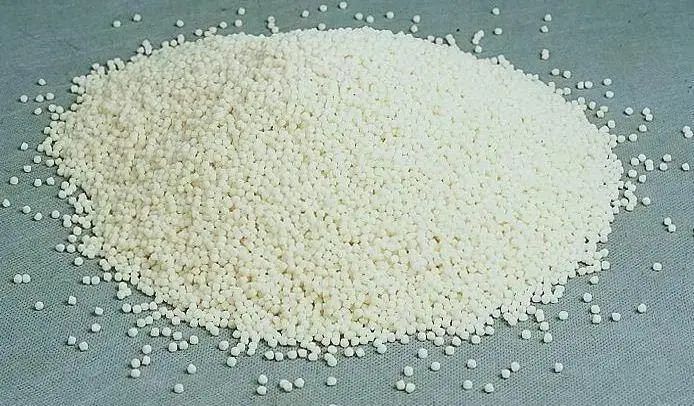
Today, let's have a good talk about polylactic acid (PLA) fibers and see how they bring us coolness in the scorching summer.
Where does polylactic acid fiber come from?
The raw materials for polylactic acid fibers are starchy agricultural products such as corn, wheat, and sugar beets.
These agricultural products undergo fermentation to produce lactic acid, which is then processed through a series of complex techniques such as polymerization and melt spinning, ultimately transforming into the polylactic acid fibers we see. It can be said that polylactic acid fibers are fibers "grown" from the fields, and their birth process is filled with the wonders and wisdom of nature.
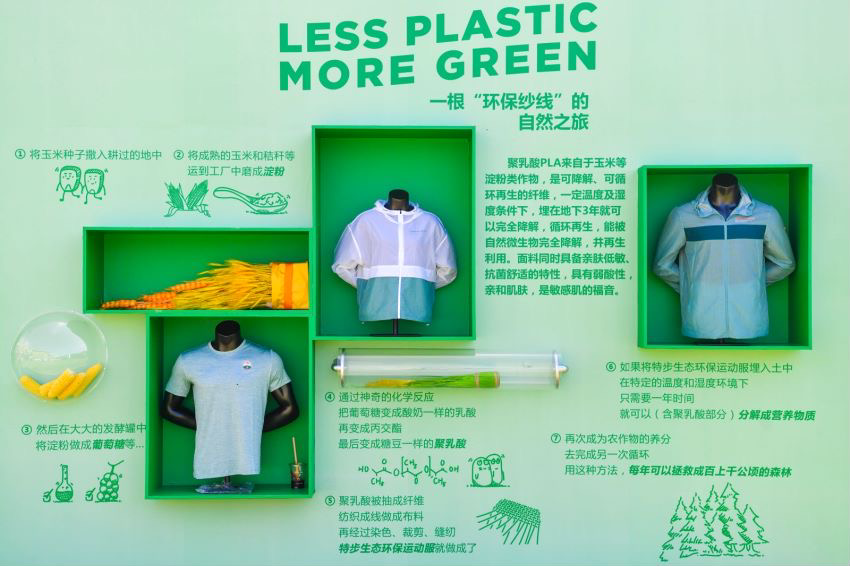
From the perspective of sustainable development, the raw material sources for polylactic acid fibers are very abundant and can be continuously obtained through cultivation. When polylactic acid fibers are discarded, they can completely decompose into carbon dioxide and water in nature, unlike traditional chemical fibers, which impose a heavy burden on the environment.
This characteristic of coming from nature and returning to nature makes polylactic acid fibers truly deserving of the title "green and environmentally friendly fibers."
Why can polylactic acid fibers bring a cool feeling?
Polylactic acid fibers have excellent moisture-wicking and breathability, which is one of the key reasons they can keep people feeling cool in the summer.
Its surface has many tiny grooves and holes, and these microscopic structures act like countless tiny "highways," quickly guiding the sweat from the skin surface to the fabric surface, allowing the sweat to evaporate rapidly.
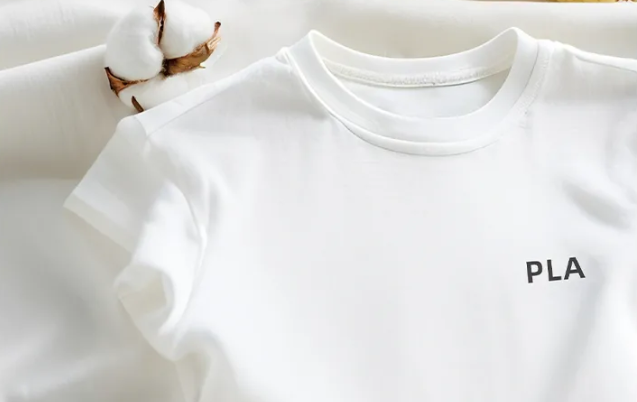
In comparison, ordinary cotton fabrics can absorb sweat, but the diffusion speed of sweat on cotton is relatively slow, and the evaporation is not fast enough, so wearing it often feels damp. In contrast, clothing made from polylactic acid fibers can quickly diffuse and evaporate sweat, keeping the fabric dry and making people feel particularly cool.
The thermal conductivity of polylactic acid fibers is also relatively low. Simply put, it is like building an insulating barrier for our body, effectively blocking the invasion of external heat. At the same time, when our body generates heat, polylactic acid fibers can promptly dissipate this heat, keeping our body temperature within a comfortable range.
Antibacterial, mite removal, allergy prevention
In addition to providing coolness in the summer, polylactic acid fiber has many other amazing properties. It has natural antibacterial, anti-mite, and anti-allergic capabilities.
Polylactic acid fibers are weakly acidic, similar to the pH of the skin, and can slowly release lactic acid, which helps to remove dead skin cells, promote epidermal metabolism, and aid in collagen growth.
In the clothing field, the application of polylactic acid (PLA) fibers is becoming increasingly widespread. Many sports brands have launched athletic apparel containing PLA fibers, such as T-shirts, shorts, and sports underwear. These sports garments not only possess excellent sweat-wicking and quick-drying properties, allowing athletes to stay dry during exercise and improve performance, but they also offer good comfort and breathability, making athletes feel more at ease while exercising.
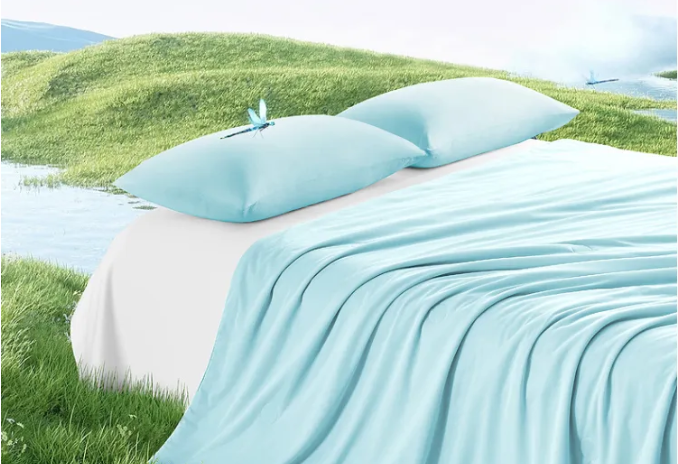
In the home textile field, polylactic acid (PLA) fiber also performs excellently. Quilts made from PLA fiber have good warmth retention and breathability, keeping you warm and comfortable in winter and preventing stuffiness in summer. Additionally, the natural antibacterial properties of PLA fiber help keep the quilt clean and hygienic, reducing the growth of dust mites, making it particularly suitable for individuals with allergies.
How to choose products made of polylactic acid fiber
When selecting products made from polylactic acid fiber, we can confirm by checking the product label. Generally, legitimate products will clearly state the composition on the label, and those containing polylactic acid fiber will be explicitly marked as "Polylactic Acid (PLA)" or "Corn Fiber" (polylactic acid fiber is also commonly referred to as corn fiber). Additionally, we can feel the texture of the product by touch and observation. Polylactic acid fiber products typically have a soft, smooth feel, and the fabric has a certain degree of luster.
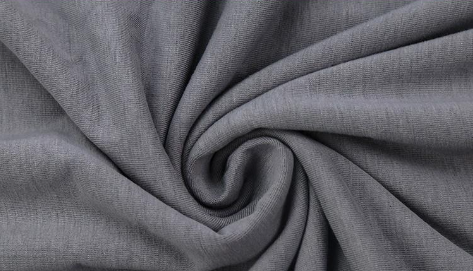
Although polylactic acid fibers have many advantages, they are not without flaws. Currently, the price of polylactic acid fiber products is relatively high, which somewhat limits their popularity.
However, with the continuous advancement of technology and the expansion of production scale, it is believed that in the near future, the prices of polylactic acid fiber products will become more affordable, allowing more people to enjoy the comfort and health benefits they bring.
【Copyright and Disclaimer】The above information is collected and organized by PlastMatch. The copyright belongs to the original author. This article is reprinted for the purpose of providing more information, and it does not imply that PlastMatch endorses the views expressed in the article or guarantees its accuracy. If there are any errors in the source attribution or if your legitimate rights have been infringed, please contact us, and we will promptly correct or remove the content. If other media, websites, or individuals use the aforementioned content, they must clearly indicate the original source and origin of the work and assume legal responsibility on their own.
Most Popular
-

Mexico Imposes Tariff Up to 36% on Cross-Border E-Commerce Products, Effective January 1, 2026; Plastic Shows Partial Fluctuation Today
-
4.5 Million Tons! Wanhua Chemical Dominates Globally in MDI, Heavy Investment in Battery Materials Spurs New Storm
-

Trump Delays Tariff Increase on Furniture, Cabinets, and Vanities
-
Wanhua Chemical Invests $27.3 Billion, 2026 Investment Map Revealed, $1.1 Billion Bet on Battery Materials
-
Back-to-back major joker moves! covestro’s 1.32 million ton mdi dual-line expansion and hdi acquisition reshape global polyurethane landscape