



Revenue triples in three years: He Did Three Things Right to Build a $1 BillionPlay Empire
From a boy passionate about collectible cards to a trailblazer driving the commercial development of trendy toys.Jason Entertainment founder Lin JunStarting from trading cards, build a brand portfolio covering multiple categories, including trading cards, blind boxes, and figurines.2025Annual revenue is close to10 ,Achieved triple growth compared to the previous year。
In an interview with the China Toy and Juvenile Products Association (referred to as the China Toy Association), Lin Jun said: Where cognitive biases exist, opportunities often lie.。”
By strategically positioning itself in the "guzi" economy and betting on the film "Ne Zha 2," Jason Entertainment shattered stereotypes twice, transforming from an entrant into a game-changer.
Jason Entertainment is accelerating its expansion from a single product category to a full ecosystem. Overseas markets and AI toys have also become areas of focus for Lin Jun.
Cognitive biases often hide the biggest opportunities.
The collectible toy industry has no eternal barriers; only those who truly understand IP, users, and content can genuinely resonate with consumers and win the market in the long run.
3. Diversifying into multiple categories is not blind expansion, but rather proactive forecasting and precise positioning; each new sector must aim to become one of the top three players in the industry.
4. The deep integration of AI and IP will reshape industries—reducing original creation costs while enabling virtual experiences to materialize in reality, unlocking new growth opportunities.
01 You must get the card; otherwise, you’ll regret it for life.
Breaking prejudices, one can then be seen.
China Toy Association:Your entrepreneurial journey began with the card game category. What was the origin and reasoning behind this choice?
Lin Jun:I’ve loved toys since childhood, especially trading cards. The 1999 Xiao Huan Xiong (Little Raccoon) Water Margin cards were my first introduction to card collecting—a truly wonderful experience. As I grew up, I was further introduced to competitive trading card games like Yu-Gi-Oh! and Pokémon, as well as collectible cards based on IPs such as Bandai’s Dragon Ball series. Through these experiences, I realized that cards are not merely vehicles for intellectual properties, but vital mediums connecting people’s emotions and interests.
In 2009, I joined the anime and toy industry. Through research, I found that trading cards represented a blue ocean in the Chinese toy industry, but it was struggling due to piracy issues. However, trading cards had been well developed overseas. I kept thinking about what conditions would allow trading cards to thrive in China.
In 2013, when I was in charge of the Ultraman card project, I gained experience in product development from scratch. In 2019, China's per capita GDP surpassed $10,000, a significant economic indicator, indicating that consumers had the purchasing power for "self-rewarding consumption." At the same time, the enforcement of copyright protection was strengthened.
In 2019, I believed the conditions for entrepreneurship were mature, so I founded Jason Entertainment, entering the market with the card game category. I studied for a long time, and there was a strong inner voice telling me that this had to be done, otherwise I would regret it for the rest of my life.
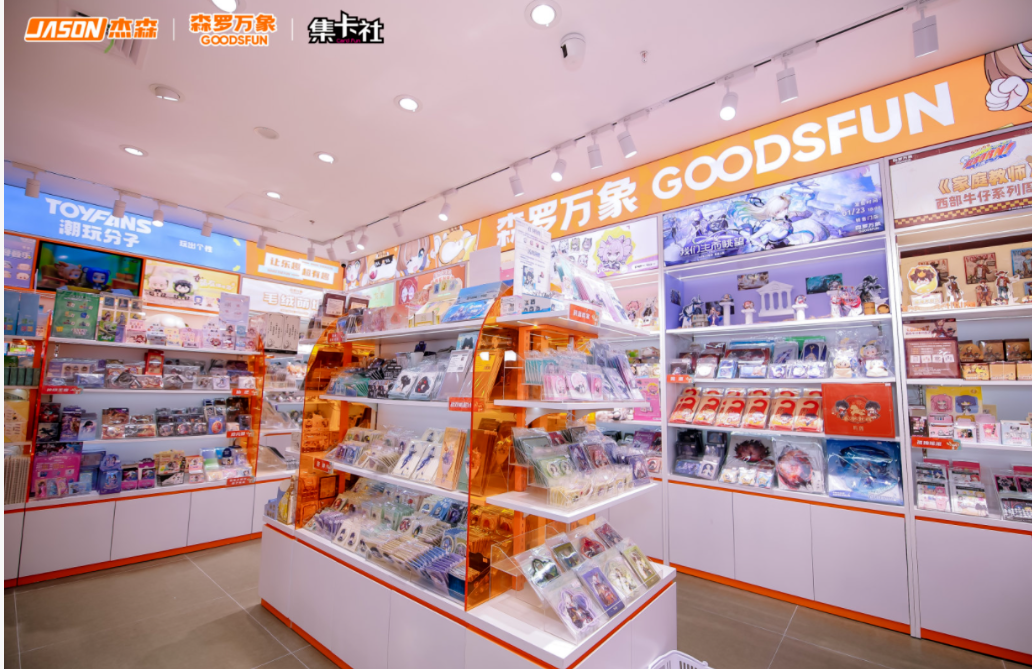
▲Senluo Wanxiang Store
China Toy Association: During your entrepreneurial journey, what difficulties and challenges have you encountered?
Lin Jun: When we chose to enter the card game market, many of our channel partners were not optimistic. Channel partners believed that this category lacked large-scale, long-term commercial value, and this preconceived notion was a significant obstacle. Investment institutions also lacked understanding of this unfamiliar sector, and we might have had to talk to dozens before finding one willing to place a bet.
However, where there are cognitive biases, there often lies opportunity.
We crack this problem, the core is "speak with facts".
First, precisely screen partners. Focus on two types of individuals: 1) Young distributors with limited exposure to the trading card category, who are more inclined to trust established overseas cases and eager to seize opportunities in this emerging market; 2) Investors who understand and endorse the industry’s underlying logic.
Second, we build trust through results. We use revenue data from small-scale validation to demonstrate the potential of the market segment; after one or two years of consistent market performance, we have overcome initial skepticism, and an increasing number of channel partners and investors have proactively reached out to us.
Mastering IP means mastering the discourse.
China’s version ”
China Toy Association: Jason Entertainment's five sub-brands cover different niche markets such as trading cards, lifestyle toys, character merchandises, and figurines. What is the layout logic of the brand matrix?
Lin Jun: At the beginning of my entrepreneurship, my goal was to build "Chinese version"Bandai", as a comprehensive entertainment company covering IP content, multiple categories of toys, and the gaming industry, this is also the core direction of category expansion. We always adhere to two principles:
First, we take the initiative and do not follow the trend. When entering any new category, we conduct research 1-2 years in advance, based on overseas mature models and domestic consumer trends to anticipate opportunities. For example, in late 2021, we established a department for the "Gu Zi" category, and we had already prepared technology, supply chain, and IP resources. At that time, this category had been developing for 7-8 years overseas with a mature business model. When the "Gu Zi" economy took off in 2023, we successfully captured the opportunity. We opened our first store in December 2023, and now have expanded to 12 stores. We plan to increase to 60 stores by 2026.
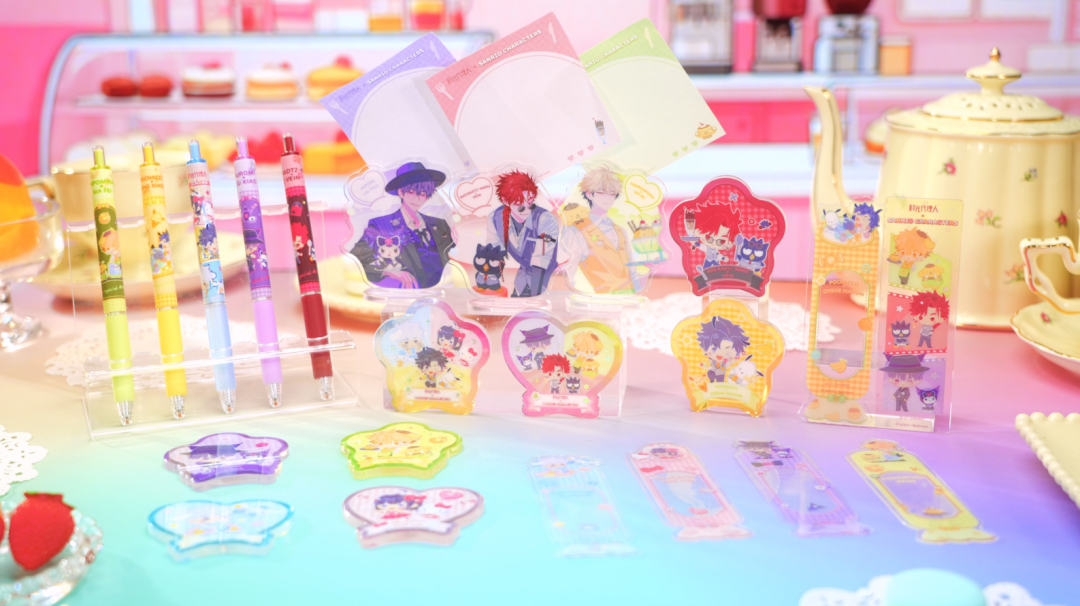
▲ Time Agent Series
Second, differentiated competition. Before entering a new market segment, we establish a prerequisite: we will only enter if we have a realistic opportunity to rank among the top three in that industry. When we assessed the blind box category, we found it highly saturated and characterized by relatively high prices. Thus, we launched the brand “Chao Wan Fen Zi” (Trendy Toy Molecules), targeting the ¥19.9–¥39.9 price range. This brand focuses on small, three-dimensional blind boxes based on anime and gaming IPs, applying premium figurine craftsmanship to compact products—thereby establishing a distinct competitive advantage.
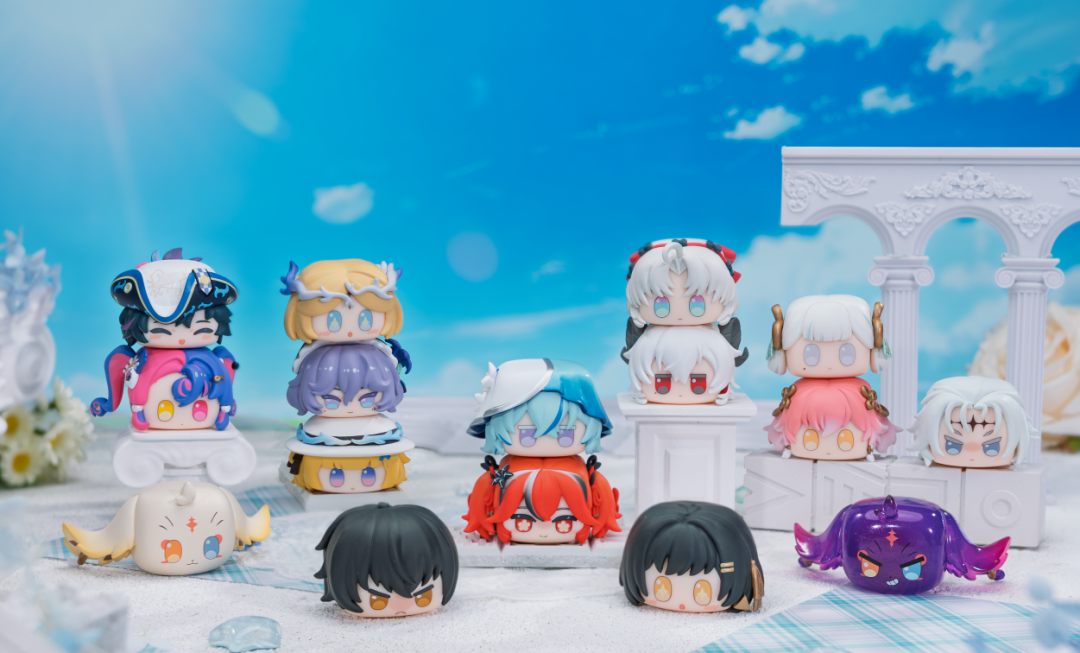
▲ Mingchao's Block Stacking Game
Last year, our launched “NIO: Melody Stack” and “Luo Xiaohei: Line-Up” series both became hit products, with the core being the “Three Good” combination—“Good IP + Good Product + Good Price”: the products perfectly aligned with the IP’s peak popularity; small-scale items achieved high repurchase rates; and affordable pricing lowered the decision-making threshold, meeting consumers’ display and frequent-purchase needs.
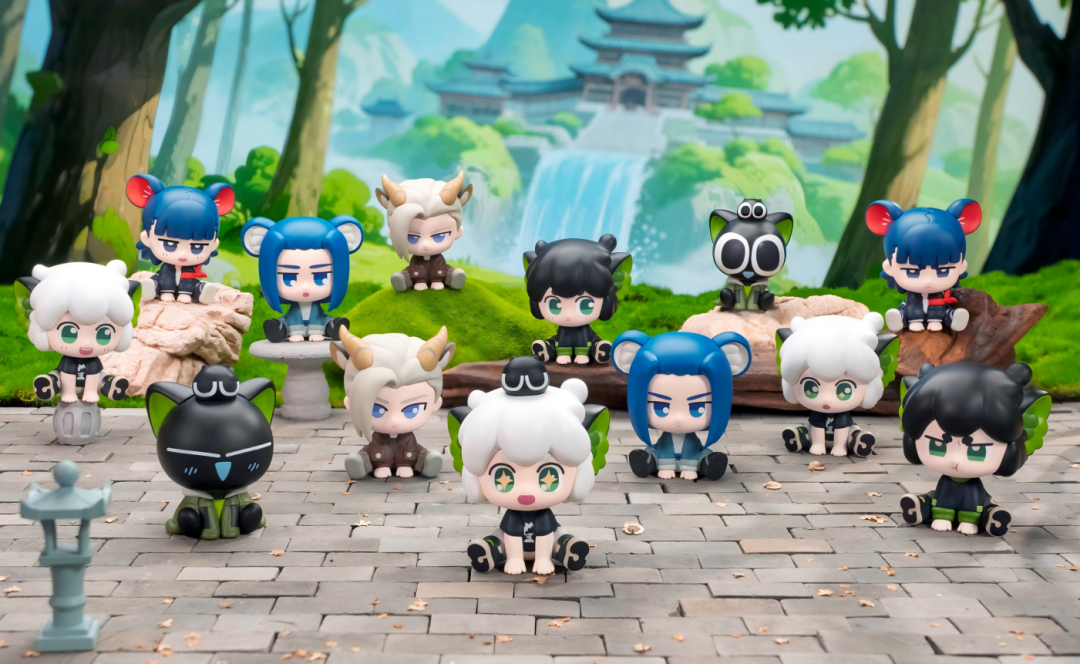
▲ Luo Xiaohei: Sit in a Row Series Cute Beads
China Toy Association: The Nezha-themed trading card series launched by Jika Society achieved great success in 2025. What successful experiences does your company have in IP operation and IP commercialization?
Lin Jun: The success of this product lies primarily in four aspects:
First is the precise prediction. The reason we chose Ne Zha as the IP is, first, because it has already been validated by the market, with the first one accumulating a wide audience and the IP's core spirit being clear; second, it covers a broad audience and has strong short-term explosive power.
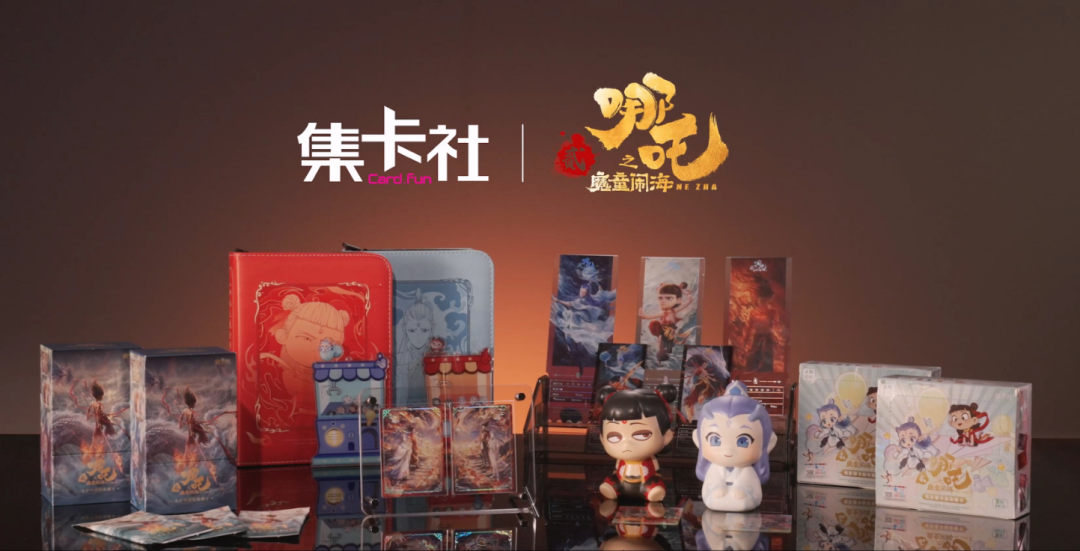
▲ “Nezha 2” Series Merchandise
Secondly, product tiering design is adopted to meet the needs of different demographics and expand the audience base. We develop differentiated products for distinct groups: a ¥10 pack launched on Chinese New Year’s Day targets young people and core fans, emphasizing aesthetic appeal and collectible value; a ¥2 pack launched after the Spring Festival during the school reopening season targets children, incorporating interactive elements such as calendar cards and solar-term cards to lower the consumption threshold.
The third is channel breakthrough. In the initial stage, cinemas and channels did not believe in this project; their cognitive bias gave us an opportunity. We packed the goods in our warehouse and directly sent them to the stores, securing product placement in 1,000 high-quality stores and 1,000 core cinemas, laying the foundation for the product's future sales success.
Fourth is rhythm control. After the movie’s explosive popularity, we began restocking continuously starting from the eighth day of the Lunar New Year, while competitors, unable to resume production promptly due to the Spring Festival holiday, missed the optimal sales window. For IP-related merchandise, it is essential to precisely align with the IP’s popularity cycle and proactively prepare supply chain reserves to capture peak traffic.
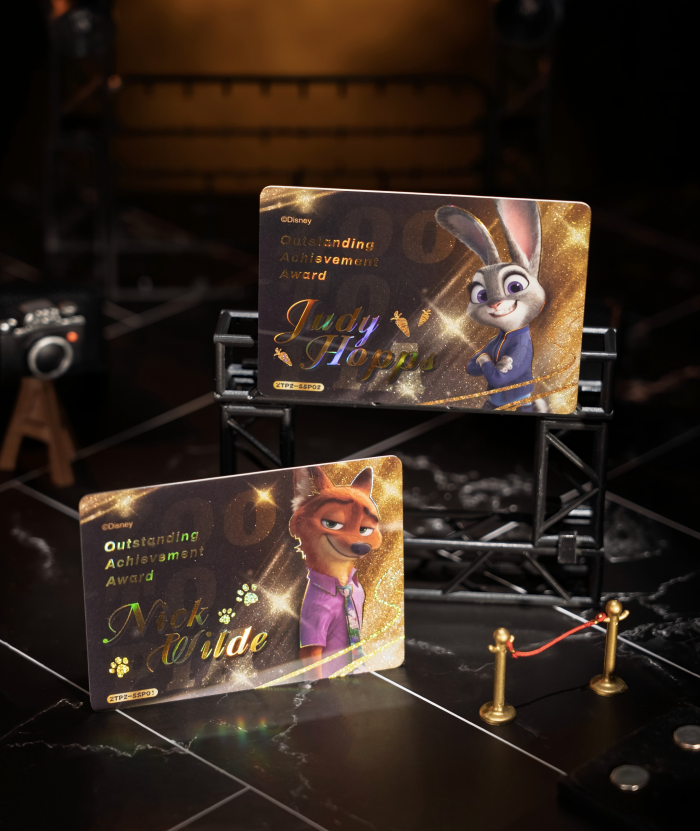
▲ Zootopia 2 Series Trading Cards
China Toy Association: Jason Entertainment positions itself as an “IP full-category ecosystem operator.” What is the core of this positioning?
Lin Jun: This positioning is based on our capabilities of "understanding IP, understanding users, and understanding multi-category development," providing a one-stop derivative product solution for IP holders, covering key categories such as cards, grains, stationery, plush, blind boxes, and figurines. This can solve the two core pain points of IP holders, which are also common issues in the industry.
Second, communication efficiency is low. If the IP owner intends to develop merchandise across all categories, they need to collaborate with multiple companies, which can easily lead to inconsistencies in product style and unsynchronized marketing timelines.
With comprehensive category coverage and proven expertise, we enable IP owners to focus solely on content creation and promotion, without expending excessive effort on merchandise development. We handle the entire process—from product planning and development to sales—helping IP owners swiftly realize commercial value.
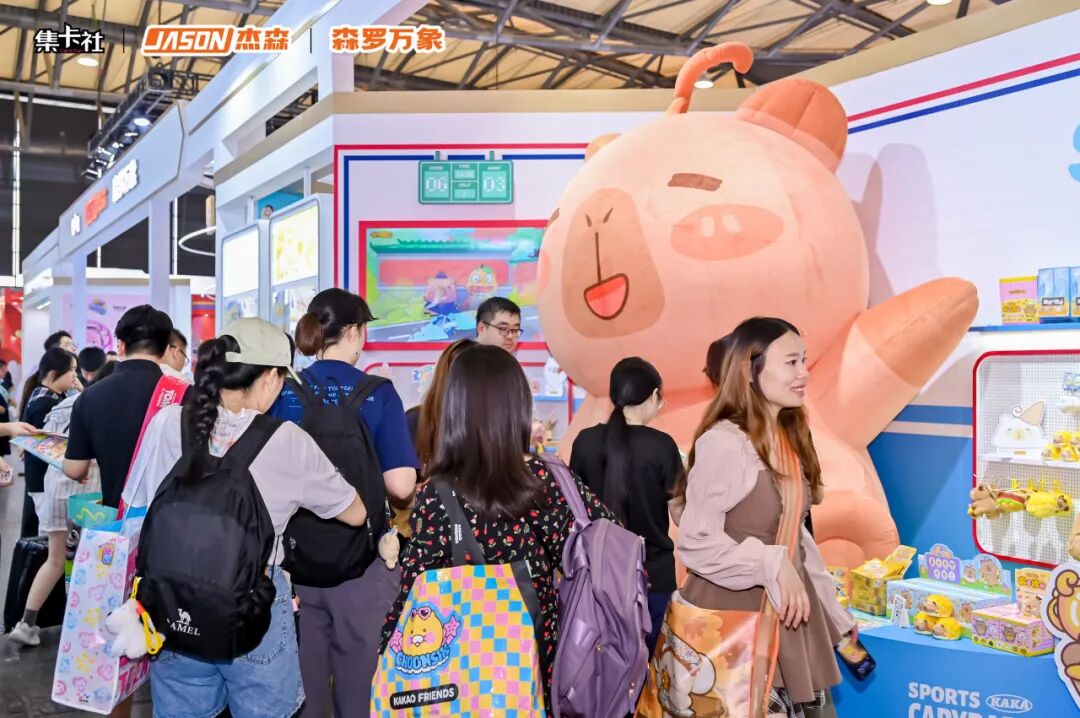
Moreover, having IP means having the power of speech, which is an industry consensus. We established a content team to cultivate original IP in 2022, currently promoting "Capybara" and developing multiple animation projects.
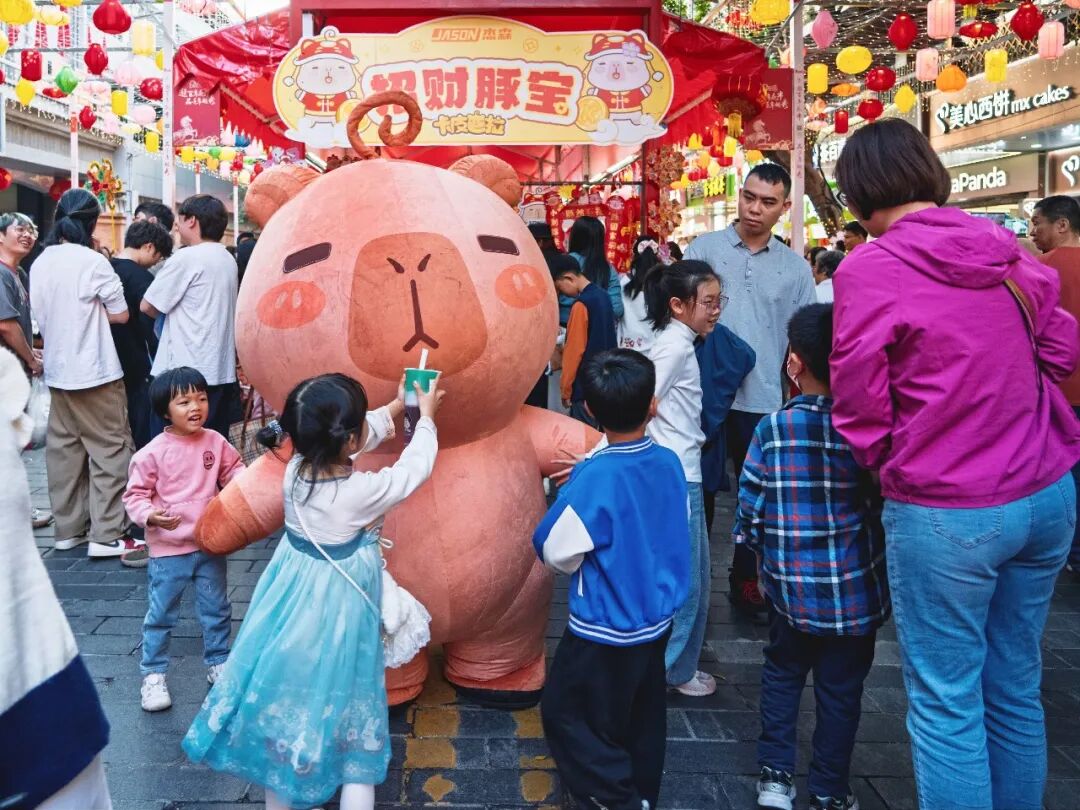
▲ Capybara “Fortune-Bringing Dolphin Treasure” Spring Festival-Themed Pop-Up
03. Bandwagon companies will gradually be phased out.
AI toys will bring new growth points.
China Toy Association: In 2025, has your company achieved the set goals? What are the strategic plans for 2026, and which areas will be the key focuses?
China Toy Association: For the overseas market, what is your layout strategy?
Lin Jun: This year, many of our projects are launching simultaneously in multiple global markets. Overseas, whether in the purchasing-power-strong European and American markets or in the Southeast Asian markets with demographic dividends, there are significant growth opportunities, which is also a shared opportunity for the industry.
Our offshore strategy is divided into three parts.
The first is regional focus. In Indonesia, we have already established a local company, where the population is close to 300 million, with significant demographic dividends; in the United States, we also plan to set up an office, as the U.S. market has strong consumption power and a large market potential.
The second is product adaptation, developing differentiated products for the overseas market. For example, in the collectible card category, there are mature trading rules and mainstream gameplay overseas. This year, we will launch a battle card game to enter the overseas market; at the same time, we will release products in multiple languages such as Indonesian and Thai to meet the needs of the foreign market.
The third is IP localization, prioritizing globally popular IPs to open up the market, using general products as a base first, and then gradually introducing locally popular IPs according to market preferences.
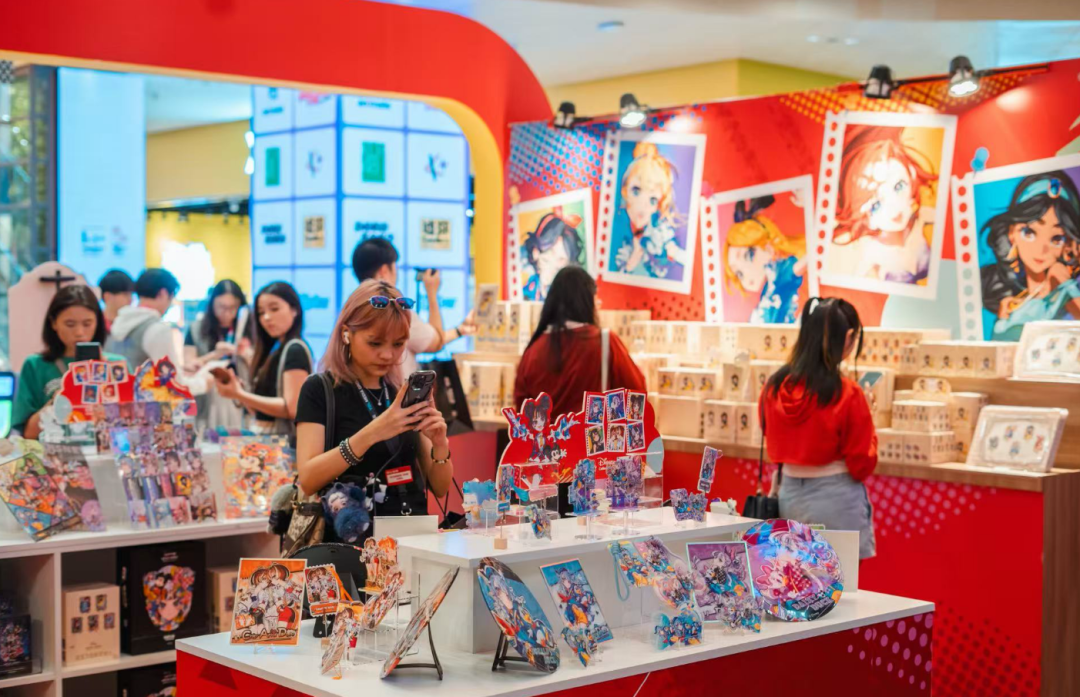
▲ Jason Entertainment launches themed pop-up activities overseas
China Toy Association: For the domestic market, how does your company build an efficient and coordinated channel mix? What strategic roles do different channels play?
Lin Jun: Currently, our domestic market channels are quite diverse, forming a matrix of online and offline channels covering different locations and different consumer groups, creating a complementary combination.
Live streaming channel: Strong explosive growth, concentrated audience, focusing on precise explosive growth, responsible for scaling up and accumulating the first batch of users.
Retail stores: Focus on brand display, establish brand awareness, and enhance user experience.
Stationery stores, merchandise stores: Covering lower-tier markets to drive long-tail sales.
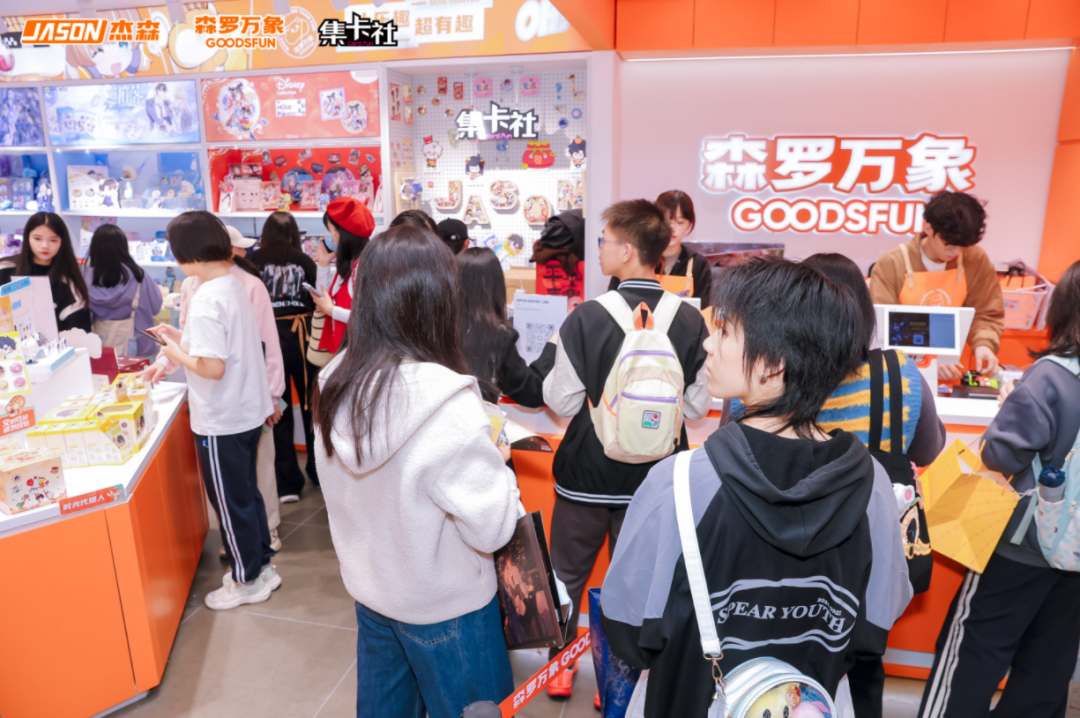
Mystery of the Universe Store
The emerging consumption scenarios I focus on most are, first, live streaming—with one-on-one service provided by hosts, delivering an excellent user experience and representing an advanced sales model; and second, offline proprietary chain stores, which foster a consumption atmosphere and enhance experiential engagement. These two areas will be our key priorities moving forward.
China Toy Association: Last October, Jason Entertainment and Prism ZhiChuang jointly launched the "IP Intelligent Early Education Robot." What are your company's future plans in the AI toy sector? What impact do you think the application of AI technology will have on the industry?
Lin Jun: I am a computer science major and am deeply passionate about 3C digital products. The advent of artificial intelligence has brought us tremendous opportunities, primarily manifested in three aspects:
First, improving efficiency: tasks that previously took months for character design and scene illustration can now be significantly accelerated using AI tools.
Third, changes in the product level. Many concepts that once existed only in science fiction films are now becoming a reality. The application of AI in the field of smart products has brought about great development opportunities.
We want to create an AI robot that can accompany children as they grow, providing them with the knowledge and content they need, satisfying their curiosity, and helping them to understand and learn about the world.
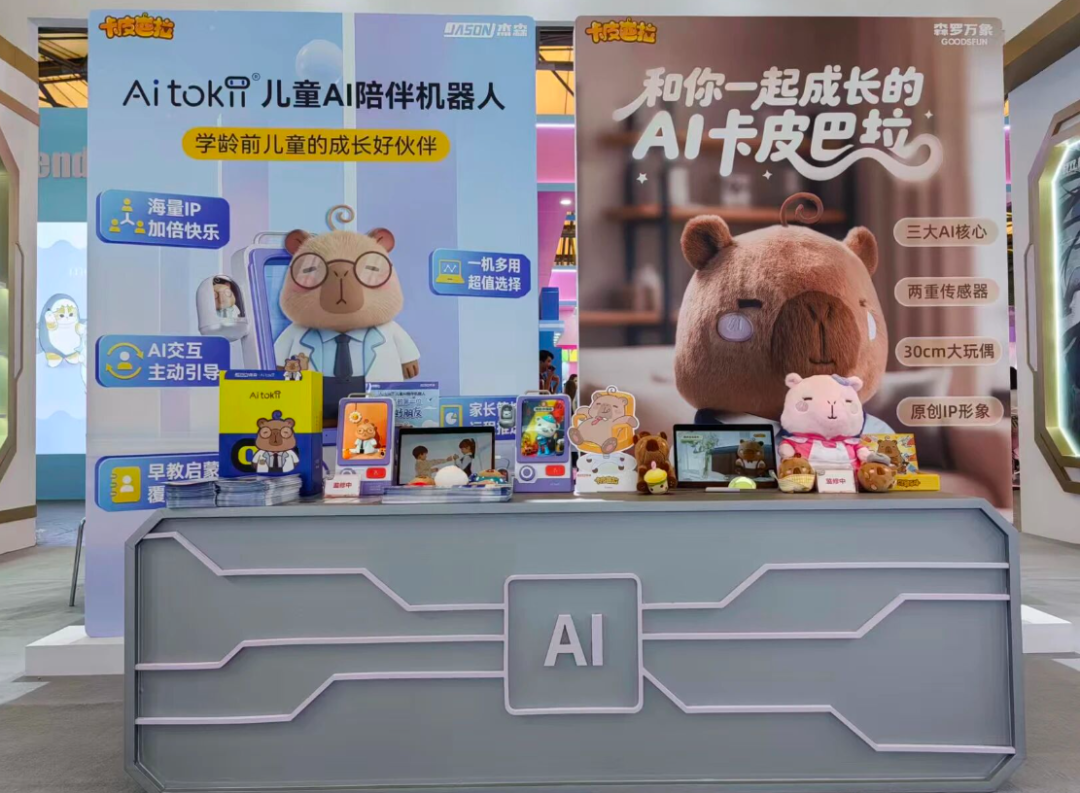
▲ IP Smart Early Education Robot—“Dr. Kaka” Model
【Copyright and Disclaimer】The above information is collected and organized by PlastMatch. The copyright belongs to the original author. This article is reprinted for the purpose of providing more information, and it does not imply that PlastMatch endorses the views expressed in the article or guarantees its accuracy. If there are any errors in the source attribution or if your legitimate rights have been infringed, please contact us, and we will promptly correct or remove the content. If other media, websites, or individuals use the aforementioned content, they must clearly indicate the original source and origin of the work and assume legal responsibility on their own.
Most Popular
-

Layoffs, Divestments, Plant Closures While Pouring Billions: BASF Undergoes Major Transformation!
-

Ascend Adipic Acid Hit By Force Majeure, Market Expects Supply Resumption In Mid-September
-

Raw Material Supply Shortage! INEOS Phenol Declares Force Majeure on Phenol and Acetone Businesses
-

South Korea initiates anti-dumping investigation against Chinese PVC suspension resin! The target is Tianjin Bohua and Wanhua Chemical. How to break through?
-

Sixth national procurement set to be implemented: A “Reshuffling” Moment for the $10-Billion Medical Device Market


