NatureWorks Thailand's 75,000-Ton PLA Plant Starts Production! Global Production Capacity Exceeds One Million Tons!
By the end of April 2026, global PLA production capacity has already exceeded 1 million tons, and by the end of 2026, it will reach 1.23 million tons.
Bioplastics Research Institute ReportApril 29, 2026NatureWorks, a global leading biopolymer manufacturer, announced the grand opening of its new fully integrated Ingeo™ biopolymer production facility in Nakhon Sawan, Thailand.

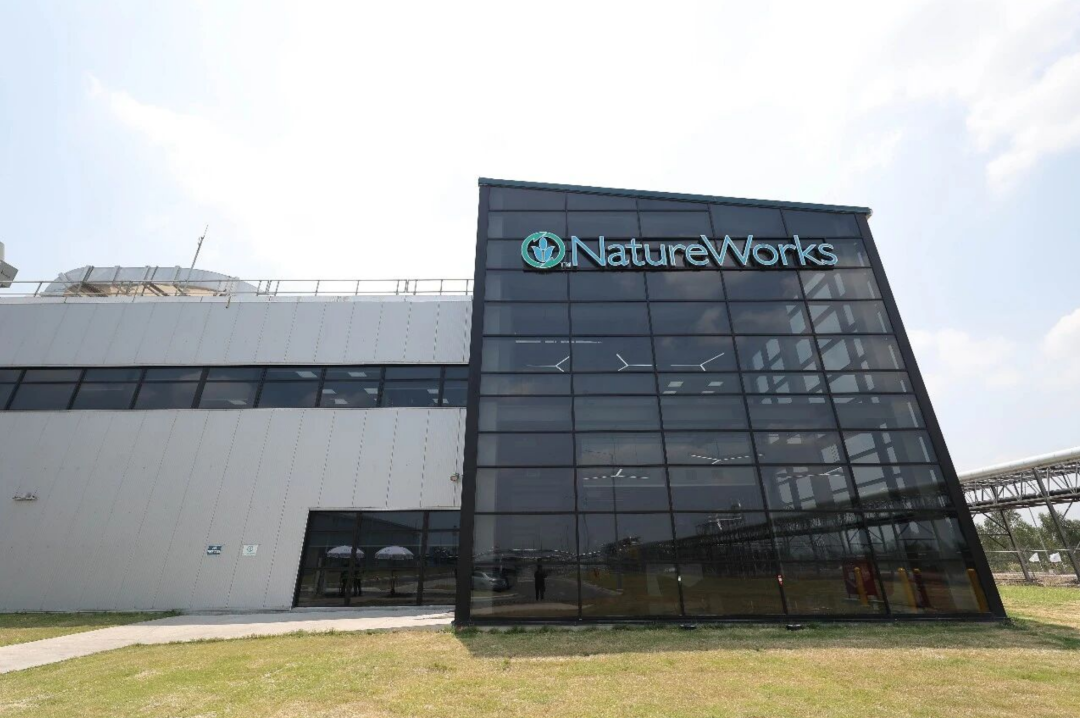
The global PLA production capacity will reach 1.23 million tons.
By the end of 2026, the global total capacity of PLA will reach 1.23 million tons.
The main global PLA growth is in the 3D printing sector.
Global polylactic acid (PLA) demand in 2025 is estimated to be around 300,000 metric tons.
By 2026, the primary global growth in polylactic acid (PLA) will come from the 3D printing sector, with an expected increase of around 50%, and global consumption is estimated to reach 120,000–140,000 metric tons.Growth is also expected in other sectors.
Haizheng Shengcai's net profit for the first quarter of 2026 was 1.0459 million yuan, an increase of 348.06% year-over-year, mainly due to 3D printing and biaxially oriented film.
Intensified competition prompts NatureWorks to petition for additional tariffs on PLA from China and Thailand.
In the Section 301 trade investigation petition filed with the Office of the United States Trade Representative (USTR) on April 14, NatureWorks urged the U.S. government to impose additional tariffs on imported polylactic acid (PLA) resin and downstream products, citing unfair trade practices by China, India, and Thailand that harm U.S. domestic manufacturing and stifle industry investment.
【Copyright and Disclaimer】The above information is collected and organized by PlastMatch. The copyright belongs to the original author. This article is reprinted for the purpose of providing more information, and it does not imply that PlastMatch endorses the views expressed in the article or guarantees its accuracy. If there are any errors in the source attribution or if your legitimate rights have been infringed, please contact us, and we will promptly correct or remove the content. If other media, websites, or individuals use the aforementioned content, they must clearly indicate the original source and origin of the work and assume legal responsibility on their own.
Most Popular
-

A Look at the Material Suppliers Behind SpaceX
-
Government's Triple Action, Enterprises' Three Arrows in Five Days, Semiconductor Reshuffle! What Signal Does Japan's Chemical Industry Release?
-
Fire breaks out at jiangsu meiside!
-
Name change without tax change: POM Anti-Dumping Duty Rate Inheritance Implemented
-
Ethylene: Production Capacity Accelerates Expansion, Global Industry Landscape Is Being Reshaped