



Deal Locks In 25 Million Pounds Of Recycled Polypropylene (PP), Changing The Rules Of The Game
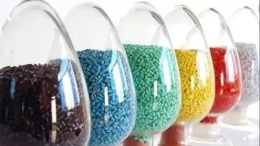
For decades, the North American recycled plastics market has primarily operated through informal, short-term spot purchases rather than binding multi-year supply contracts. On November 19, 2026, Orlando-based PureCycle Technologies and Houston-based environmental services giant WM officially announced a multi-year supply agreement for the annual delivery of nearly 25 million pounds of post-consumer polypropylene (PP) bales, marking a decisive shift in this dynamic. Recycled polypropylene feedstock
The transaction, set to take effect in November 2026, will directly link North America’s largest residential and commercial waste collector with one of the industry’s most advanced purification and recycling companies. For consumer brands striving to source consistent food-grade recycled resin, securing a predictable domestic supply of recycled polypropylene feedstock represents a critical turning point.
Bridging the gap between collection and clarification
Polypropylene—commonly identified by the #5 resin code—is one of the most widely used plastics in everyday consumer packaging, appearing in yogurt containers, takeout containers, bottle caps, and cold drink cups. Despite its ubiquity, PP has historically lagged behind PET bottles and HDPE jugs in closed-loop recycling rates. Contamination, mixed pigments, and lingering odors make traditional mechanical recycling unsuitable for high-value food-contact packaging. Recycled polypropylene feedstock
The partnership between PureCycle and WM directly addresses both halves of the bottleneck:
-
Upstream collection and optical sorting:WM leverages its extensive North American collection footprint and automated single-stream sorting facilities to isolate post-consumer PP bales on a large scale.
-
Downstream dissolution and purification:PureCycle uses a patented solvent-based recycling technology originally developed by Procter & Gamble to process these sorted bales at its flagship facility in Ironton, Ohio. Unlike traditional mechanical grinding, dissolution employs physical solvents to remove colors, odors, additives, and contaminants without altering the polymer’s molecular structure.
The resulting output, branded as PureFive resin, offers performance comparable to virgin polypropylene and complies with U.S. Food and Drug Administration (FDA) standards for food-contact applications, enabling brands to incorporate recycled content directly into consumer packaging lines. Recycled polypropylene raw material
How roadside infrastructure can unlock new PP supply
Without significant upgrades to upstream infrastructure, the annual supply commitment of nearly £25 million would be unattainable. Since 2019, WM has made substantial investments in robotics, optical sorters, and automated material recovery facilities (MRFs), positioning the company to expand its polypropylene recycling capacity by approximately 250% by the end of 2026.
In November 2025, a key milestone was reached when Waste Management (WM) officially added polypropylene (PP) plastic cups and paper cups to its universal list of accepted curbside recyclables. Today, all of WM’s single-stream recycling facilities accept both paper cups and PP cups. This policy shift has opened residential curbside bins across the United States to millions of tons of rigid beverage containers that previously ended up in landfills, turning everyday takeout cups into a reliable source of recycled polypropylene feedstock.
As Ryan Nordt, Executive Director of WM Recycling, pointed out in the company’s announcement, achieving true circularity for polypropylene requires reliable recycling infrastructure and a domestic end-market willing to reintegrate this material into production. Recycled polypropylene feedstock
From sports venues to fast-food restaurants
In addition to bulk baled transportation, PureCycle and WM are actively expanding their closed-loop recycling programs for large-scale commercial venues. The two companies have already demonstrated this model in major sports stadiums: WM collects and sorts used souvenir cups after games, PureCycle converts the plastic into PureFive resin at its Ironton, Ohio facility, and cup manufacturers mold the resin into new stadium beverage cups.
As curbside acceptance of commercial recycling expands nationwide, the two companies are targeting quick-service restaurant (QSR) and convenience store chains. With QSR operators distributing billions of cold polypropylene (PP) beverage cups annually amid tightening corporate sustainability goals, closed-loop regional recovery offers a practical approach to reducing Scope 3 packaging emissions while securing domestic resin supply.
Chris Talarek, PureCycle’s Vice President of Feedstock, emphasized that securing multi-year supply agreements with North America’s largest recycler has established a replicable blueprint—seamlessly moving plastic from residential curbside bins and stadium concourses through WM’s sorting facilities and PureCycle’s purification lines to retail shelves. Recycled polypropylene feedstock
Global regulatory shifts have amplified the domestic cycle.
The timing of the PureCycle-WM protocol coincides with a major global regulatory tightening surrounding the trade in plastic waste. On November 21, 2026, the European Union’s updated Waste Shipment Regulation will officially enter into force, prohibiting EU member states from exporting plastic waste to non-OECD countries.
Although the EU’s export ban targets European waste streams rather than North American ones, industry analysts note that global trade restrictions are accelerating a shift toward “local-for-local” dynamics in the global polymer market. Countries and major packaging brands can no longer rely on exporting mixed plastic waste overseas; instead, they must build domestic sorting and advanced recycling capabilities to keep polymers within regional manufacturing loops.
By formally signing multi-year contracts in an industry historically dominated by informal handshake deals, PureCycle and WM are signaling that recycled polypropylene is maturing into an institutional-grade commodity. If more waste haulers and resin producers follow suit by entering into long-term tolling agreements, circular polypropylene could ultimately move from pilot projects into mainstream North American packaging.
【Copyright and Disclaimer】The above information is collected and organized by PlastMatch. The copyright belongs to the original author. This article is reprinted for the purpose of providing more information, and it does not imply that PlastMatch endorses the views expressed in the article or guarantees its accuracy. If there are any errors in the source attribution or if your legitimate rights have been infringed, please contact us, and we will promptly correct or remove the content. If other media, websites, or individuals use the aforementioned content, they must clearly indicate the original source and origin of the work and assume legal responsibility on their own.
Most Popular
-
The Three Brothers of the Plastics World: What’s the Difference Between HDPE, LDPE, and LLDPE?
-
Differences Between Pc, As, Pp, And Tritan Four Common Water Bottle Materials
-
Blown Film Always Has Problems? Root Causes and Solutions for 9 Major Pain Points Are All Here
-
Do You Know the Tips for Choosing the Correct Product Gate Location?
-
Finally, someone has clearly explained the "plasticizer" of polymers!