



Cargo Ship Claims To Be Chinese, Successfully Passes Through Strait Of Hormuz; China And Iran Vessels Allowed, Air China Resumes Flights
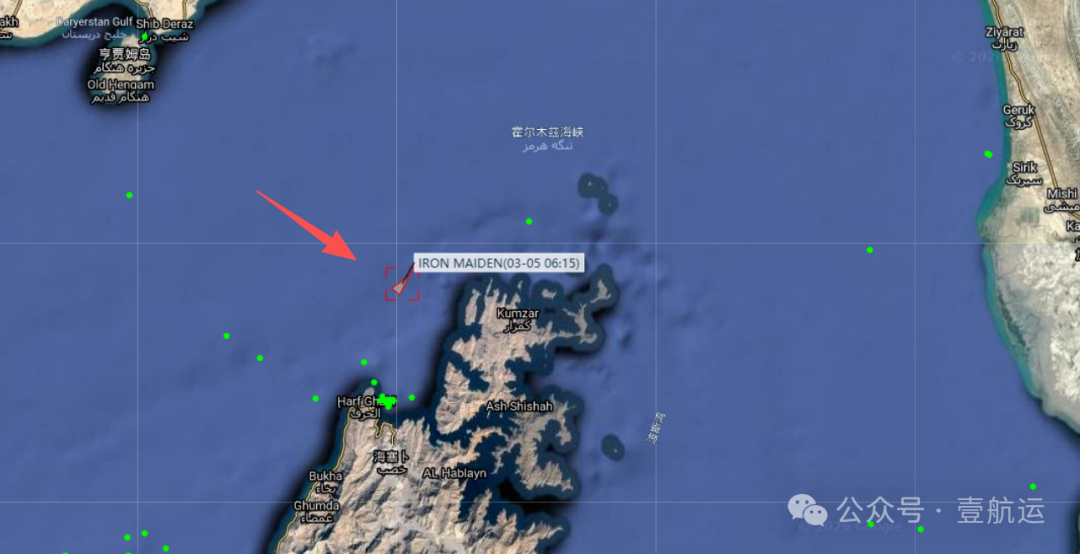
On March 5 local time, a bulk carrier named "Iron Maiden" successfully transited the Strait of Hormuz by altering its AIS (Automatic Identification System) signal to display "CHINA OWNER."
The ship departed from Jebel Ali Port in the UAE on March 2, made a two-hour stop at Sharjah Port, and departed again on the early morning of March 4. On the early morning of March 5, the ship changed its AIS destination signal from "For Orders" (on standby) to "CHINA OWNER" (China-owned), and successfully passed through the Strait of Hormuz at night.
While passing through the Strait of Hormuz, the vessel sailed close to the Omani coastline.
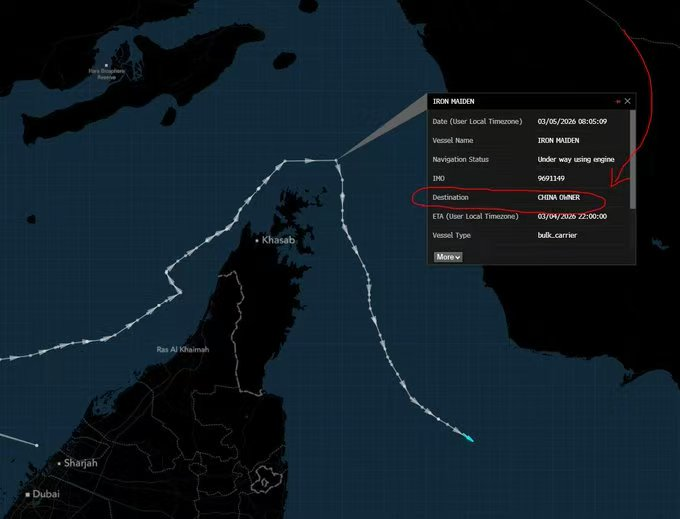
The ship's movement trajectory and information
The ship does not actually fly the Chinese flag, but rather emphasizes its Chinese-related ownership or operation through signal broadcasts, to avoid being targeted in the Middle East conflict. The ship has been active in the Persian Gulf region since December 2025, delivering multiple batches of cargo.
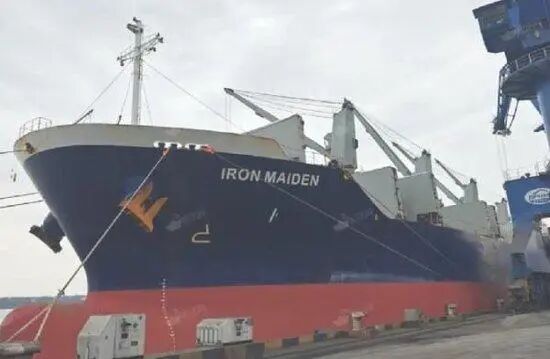
The vessel’s operator is Cetus Maritime Shanghai Ltd. (Shanghai Cetus Maritime Co., Ltd.), a Chinese company, while its registered owner is Mi-Das Line S.A., whose address is associated with Doun Kisen KK (Doun Kisen Kabushiki Kaisha) in Japan. Although the vessel has Japanese connections, it is operationally linked to China through its Shanghai-based operator.
This signal change is regarded as a “camouflage” strategy to leverage Iran’s friendly policy toward China, reflecting the tactics adopted by vessels to ensure safe passage amid current geopolitical tensions.
Previously, an LPG tanker named Bogazici declared itself “Muslim-owned and Turkish-operated” over the radio while transiting the strait over the weekend, likewise to avoid attack.
The Islamic Revolutionary Guard Corps (IRGC) announced on early March 2026 that the Strait of Hormuz was in a state of war, with Iranian officials claiming full control of the strait and warning that any unauthorized vessels would face the risk of missile or drone attacks. Since the conflict began, more than 10 oil tankers have been targeted for ignoring the warnings. This has almost halted traffic in the strait, which carries about 20% of the world's oil supply, and a long-term blockade would severely disrupt supply chains.
Iran announced earlier this week to prohibit vessels from the United States, Israel, European countries and their allies from passing through the Strait of Hormuz.
The strait currently allows only Chinese and Iranian ship owners' cargo ships to pass.
China calls on all parties to immediately stop military operations, avoid escalation of tensions, and ensure the safety of navigation in the Strait of Hormuz.
Since the outbreak of the conflict, crude oil prices have surged by more than 15%, due to Iranian attacks on Gulf energy facilities and vessels transiting the Strait, causing disruptions to crude oil production.
Vortexa's ship tracking data shows that on the day following the outbreak of conflict (March 1st), only four crude oil tankers passed through the strait, while the average daily traffic since January has been 24 ships.
According to Vortexa and the ship tracking agency Kpler, there are currently about 300 oil tankers stranded in the strait.
Middle East sugar industry executives told Reuters, via sugar industry veteran Mike McDougall, that some vessels are still passing through the strait, but all are owned by Chinese or Iranian shipowners.
President Trump previously stated that if necessary, the U.S. Navy would escort oil tankers through the strait to ensure the free flow of global energy. However, the reality is that the Strait of Hormuz remains under Iranian control.
🚨 China Airlines resumes some flights to the Middle East
The Civil Aviation Administration of China stated that, based on safety assessments, Chinese airlines have resumed some flights to the Middle East region.
It was reported that Air China plans to operate one round-trip flight from Beijing Capital Airport to Riyadh, Saudi Arabia, on March 5, 6, and 7; and one round-trip flight from Beijing to Dubai, UAE, on March 6, 7, and 8.
【Copyright and Disclaimer】The above information is collected and organized by PlastMatch. The copyright belongs to the original author. This article is reprinted for the purpose of providing more information, and it does not imply that PlastMatch endorses the views expressed in the article or guarantees its accuracy. If there are any errors in the source attribution or if your legitimate rights have been infringed, please contact us, and we will promptly correct or remove the content. If other media, websites, or individuals use the aforementioned content, they must clearly indicate the original source and origin of the work and assume legal responsibility on their own.
Most Popular
-
Breakthrough! 13.6-million-ton new giant emerges as world’s fourth-largest polyolefin producer, reshaping industry landscape
-
BASF's $8.7 Billion Zhanjiang Site Fully Operational, Covestro, SABIC, Arkema and Other Plastics Giants Double Down on China
-

Massive Loss of $960 Million! Wansheng Co., Ltd. Sees Rising Revenue But Declining Profits—Why Did the Phosphorus-Based Flame Retardant Leader Falter?
-

Domestic PBE Breakthrough, Polyolefin Modification Industry to Break the Impasse
-
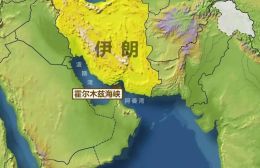
Deadly Impact: Hormuz Strait Blockade Sparks Shortage of Plastic Raw Materials, Threatening Shutdowns at Japanese and Korean Chemical Plants


