



The Material Logic Behind PEU Water-Cooled Plate Integration
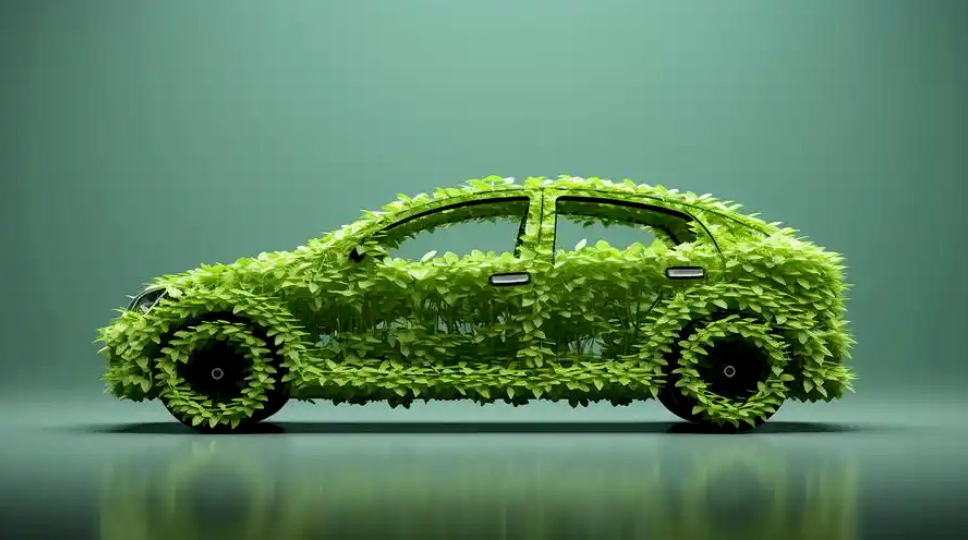
Recently, in new energy vehicle high-voltage connection system projects, more and more customers have begun to pay attention.Integrated Design of PEU Water Cooling Plate。
In traditional solutions,Capacitor housing, water cooling plate, AC busbar, water temperature sensoretc. are usually separate parts.
Not only are there many assembly processes, but the system also occupies a large amount of space, has a long dimensional chain, and the coordination of multiple parts leads to higher manufacturing and management costs.
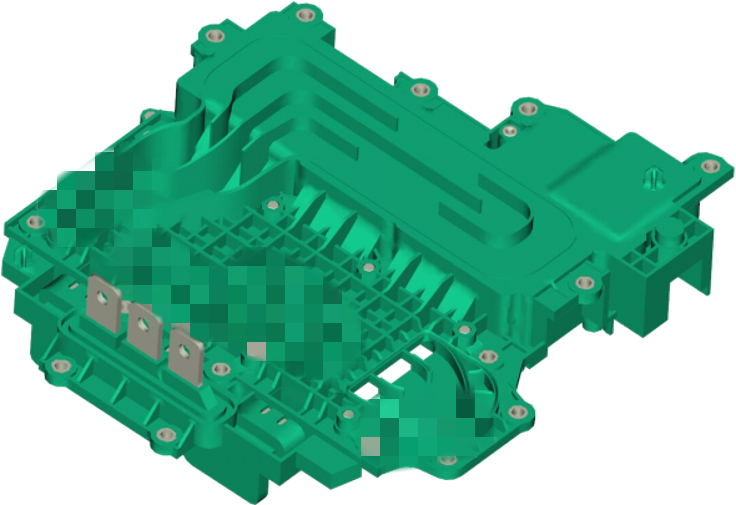
PEU Water-Cooled Plate Integrated SolutionIf so, try to integrate these functions into a design.
The function originally required 4 to 5 parts to complete.Implemented through a module。
For OEMs and Tier 1 suppliers,The most direct value lies in three aspects:
Reduced number of parts
✔ Improved assembly efficiency
✔ System space release
Especially in 800V high-voltage platforms and highly integrated electric drive systems, the value of space is becoming increasingly important.
Integrated design is underpinned by material capabilities.
Of course, structural integration does not simply mean turning several parts into one part.
The real challenge is: Translate the above content into English and output only the translation result directly, with no explanation.Whether the material can operate stably over the long term.
High-voltage connection systems often need to cope with complex operating conditions:
Long-term operating temperature range: -40°C to 150°C;
Long-term contact with coolant, lubricating oil, and other media.
Dimensional changes caused by high-frequency thermal cycling;
Structural stability under vibration and shock environments.
Welding processes impose higher requirements on material properties.
For engineers, what often worries them most is not whether the product can be developed, but rather whether it can be made to work.The product remains stable and reliable during long-term use.。
For example: Translate the above content into English and output only the translation result, without any explanation.
Will deformation occur at high temperatures?
Is the size stable after long-term use?
Are complex structural parts prone to warping?
Can the welding area maintain a reliable connection?
All these issues ultimately point to the same core issue—Material Properties。
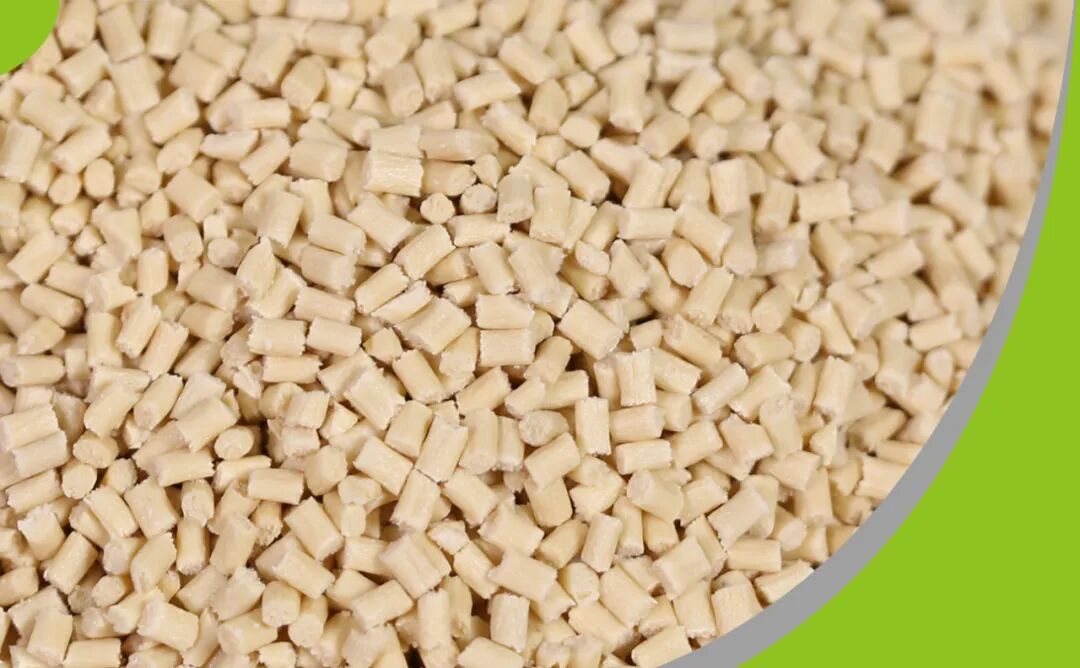
In the field of high-voltage connection systems for new energy vehicles,PPS and PPAis becoming an important engineering plastic solution.
The reason is that both types of materials can better meet the requirements of integrated structural components.Dual requirements for performance and manufacturability.。
Excellent temperature resistance
The long-term operating temperature range can cover -40°C to 180°C. Among them, PPS, with its excellent heat resistance, can meet the long-term service requirements at higher temperatures and adapt to the complex operating environment of new energy vehicles.
✅ Good oil resistance and resistance to various media
In environments involving coolants, lubricating oils, and similar media, the material can maintain stable performance, providing assurance for the long-term reliable operation of the system.
Excellent dimensional stability
For components involving high-pressure connections and precision assembly, dimensional stability directly affects product consistency and reliability.
Excellent warpage resistance
Complex structural parts are prone to deformation during the injection molding process, and the material’s low-warping characteristics can effectively reduce development risk.
Excellent craftsmanship adaptability
Whether in injection molding or subsequent welding processes, the material needs to have a good processing window and process stability.
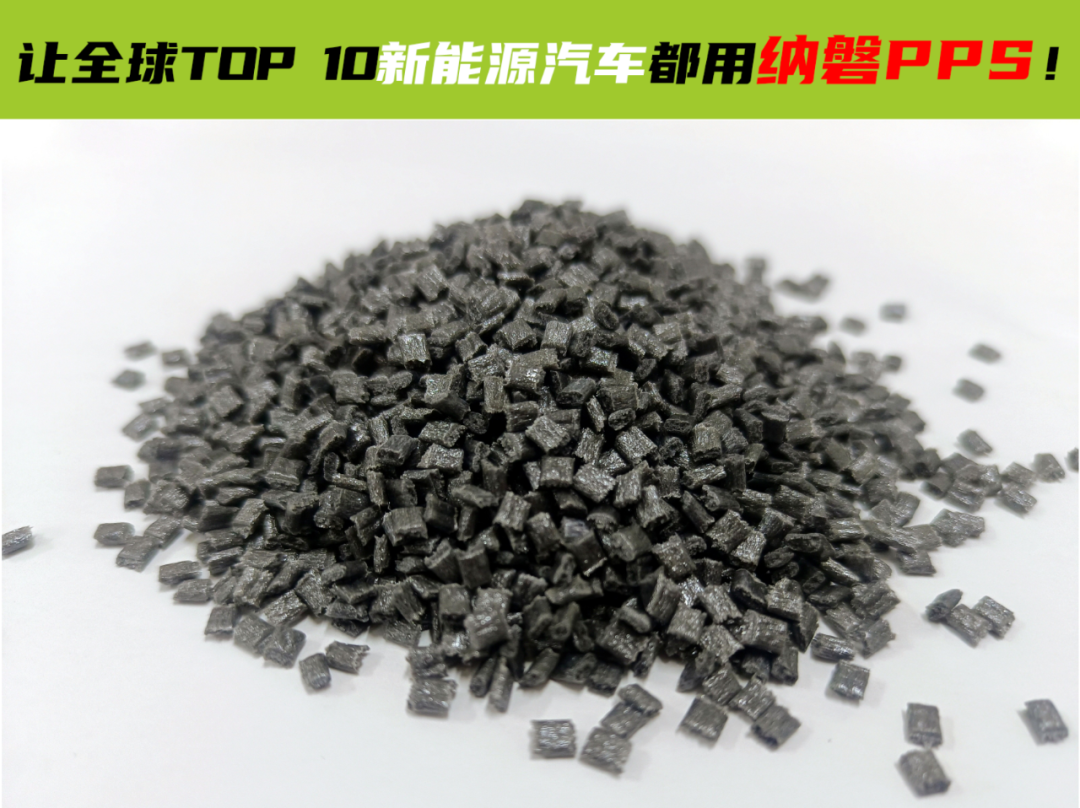
How does Nanopam help customers complete material selection?
In practical projects, translate the above content into English and output only the translation result directly, without any explanation.Material selection is never simply a comparison of parameters.。
Even within high-voltage interconnect systems, different companies may focus on entirely different priorities.
-
Some projects place greater emphasis on long-term heat resistance and dimensional stability.
-
Some projects place greater emphasis on welding performance and processing efficiency.
-
Some projects require finding the optimal balance between performance and cost.
Many customers ask during consultations:
“Which one should I choose, PPS or PPA??”
In fact, no single material can solve every problem.
A truly mature solution needs to be based on the above content.Structural design, operating environment, cost objectives, and process routeComprehensive assessment.
For applications in high-voltage connection systems, cold plates, and related integrated structural components.Napan can provide a variety of material options.
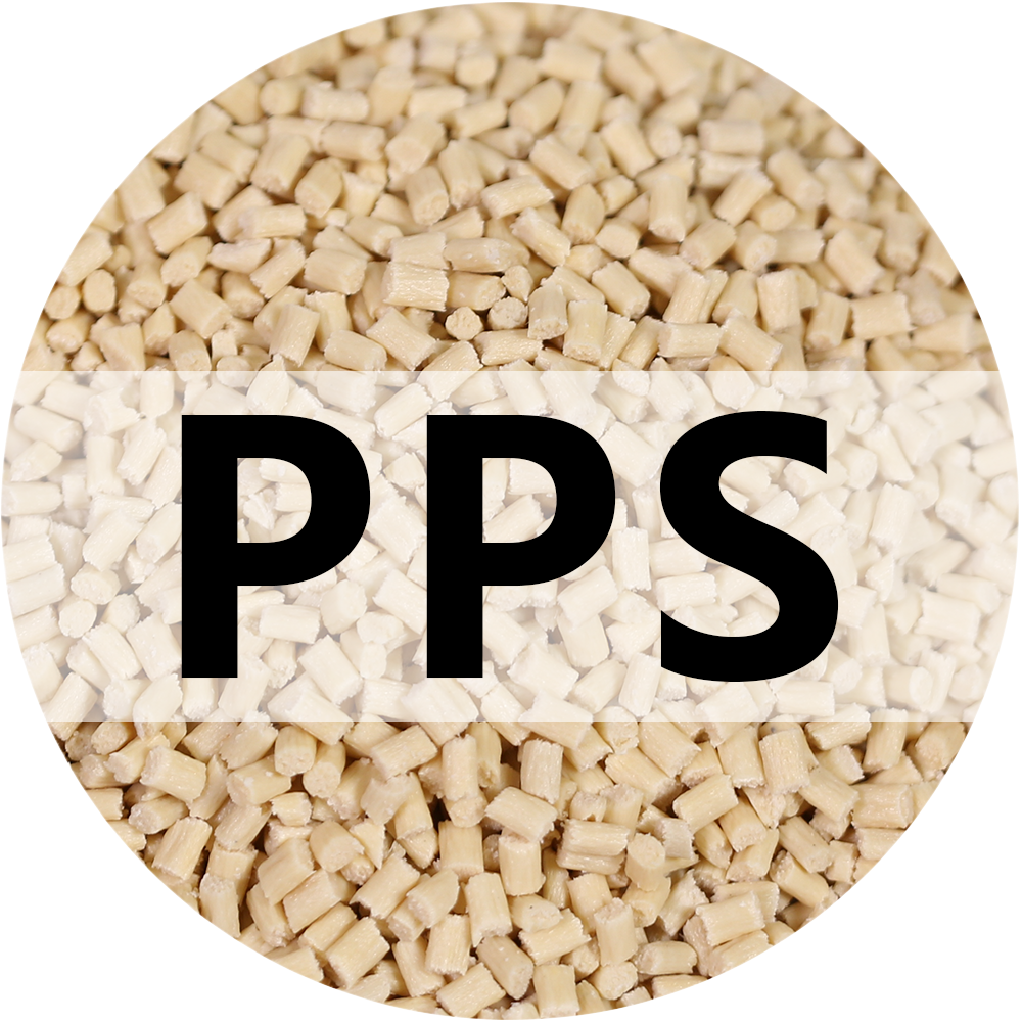
Napan PPS Series:
PPS-P201X40HS
PPS-P201X50M
PPS-P201X40HLR
Core advantages:It combines high-temperature resistance, dimensional stability, resistance to media, and good process adaptability, making it suitable for high-pressure connection systems, water-cooling plates, and related integrated structural components operating in long-term high-temperature environments.
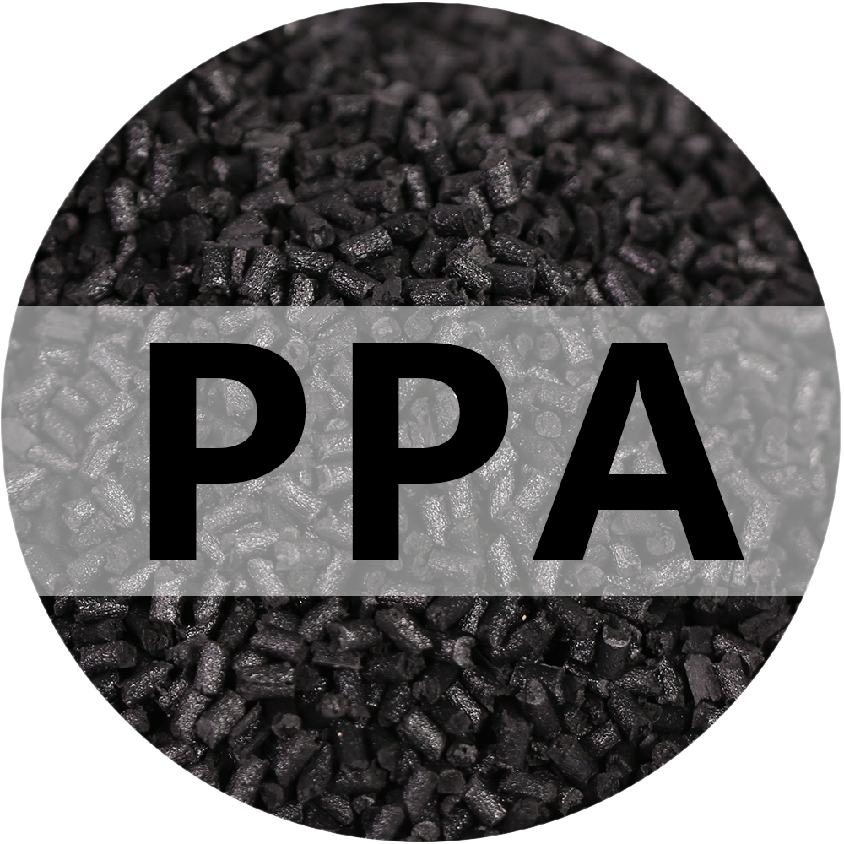
Nanpan PPA Series
PPA-A201X35WH-BK
PPA-A201X33WH-JR
Core Advantages:Higher mechanical strength, better toughness, and excellent surface gloss, suitable for components in high-pressure connection systems with higher requirements for structural strength, impact resistance, and appearance.
“
The development of new energy vehicles is driving high-voltage connection systems toward ever greater integration.
For OEMs and Tier 1 suppliers, future competition will no longer be solely about material performance.
Who can achieve this while ensuring reliability?Higher integration, fewer components, and a more compact system layout…whoever does so will have a better chance of gaining an advantage in the next generation of electric drive systems.
And materials are precisely the starting point of all this.
【Copyright and Disclaimer】The above information is collected and organized by PlastMatch. The copyright belongs to the original author. This article is reprinted for the purpose of providing more information, and it does not imply that PlastMatch endorses the views expressed in the article or guarantees its accuracy. If there are any errors in the source attribution or if your legitimate rights have been infringed, please contact us, and we will promptly correct or remove the content. If other media, websites, or individuals use the aforementioned content, they must clearly indicate the original source and origin of the work and assume legal responsibility on their own.
Most Popular
-

A Look at the Material Suppliers Behind SpaceX
-
United States Imposes 208.49% Tariff On Chinese Glass Fiber Products
-
Celanese Joins Forces With Aisan Industry to Reshape the Low-Carbon POM Competitive Landscape, Changing the Automotive Supply Chain
-
Next-generation motors of new energy vehicles: Single-Round Thousand Horsepower, Replacing Brakes, How Powerful Are They?
-

Government's Triple Action, Enterprises' Three Arrows in Five Days, Semiconductor Reshuffle! What Signal Does Japan's Chemical Industry Release?


