



Geopolitical Overlap Eases Pressure, ABS/PS Likely to Rise Rather Than Fall
The ongoing geopolitical conflict in the Middle East has now dragged on for over a month, becoming the number-one sentiment driver in the global chemical industry. The intermittent fighting and flood of news have made it impossible for international crude oil prices to move in a straight line, instead causing them to swing wildly within a high trading range. To make matters worse, the conflict has sent marine insurance premiums soaring, forced shipping routes to detour, disrupted delivery schedules, and sharply increased logistics costs—adding significant upward pressure on raw material prices. This has effectively erected a solid cost firewall under ABS and PS, making it extremely difficult for their prices to decline.
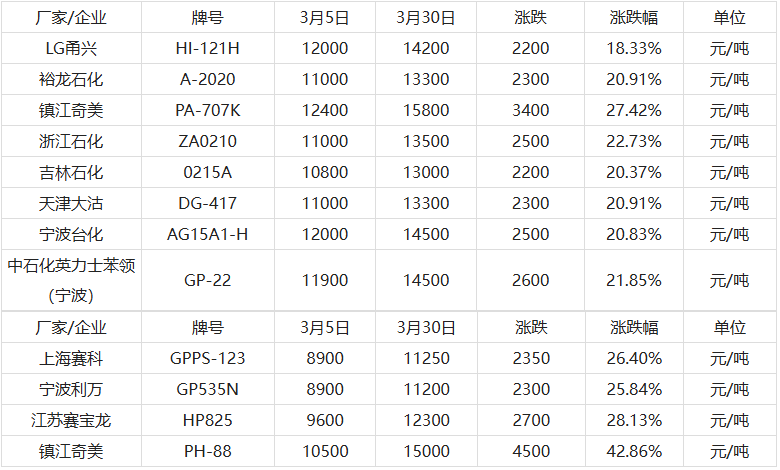
Cost side: As long as the Middle East geopolitical situation doesn't cool down and the conflict doesn't cease, and international crude oil doesn't experience a significant plunge, the three major single components will still have the momentum to continue rising, and the expectation of a shift upwards remains firmly in place. Simply put: if geopolitics doesn't ease and oil prices don't crash, the short-term cost will still go up!

Supply side: In March, petrochemical spring maintenance was concentrated, leading to a temporary tightening of supply. Downstream demand from sectors such as home appliances, toys, and packaging remained primarily driven by essential needs, with limited willingness to accept high prices and weak momentum for further price increases. Maintenance in April appears even more intense, significantly constraining plant operations and ensuring the continuation of the tight spot market conditions.
In summary, the current geopolitical risks have not been completely eliminated, and the geopolitical premium hanging over the market remains. Coupled with the continued tightness in the petrochemical supply chain in April, the spot market is likelyely to see a shift towards a higher center, but it's not realistic to expect a sharp surge as before. The increase will be significantly narrowed, following a more moderate upward trend. However, if the situation in the Middle East suddenly clears up, the market will enter a bubble-squeezing mode, gradually shedding the inflated values and returning to the fundamentals. Nevertheless, this process will require sufficient time for the market to digest.
【Copyright and Disclaimer】The above information is collected and organized by PlastMatch. The copyright belongs to the original author. This article is reprinted for the purpose of providing more information, and it does not imply that PlastMatch endorses the views expressed in the article or guarantees its accuracy. If there are any errors in the source attribution or if your legitimate rights have been infringed, please contact us, and we will promptly correct or remove the content. If other media, websites, or individuals use the aforementioned content, they must clearly indicate the original source and origin of the work and assume legal responsibility on their own.
Most Popular
-
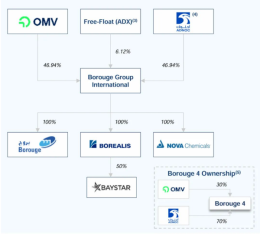
Breakthrough! 13.6-million-ton new giant emerges as world’s fourth-largest polyolefin producer, reshaping industry landscape
-
Domestic PBE Breakthrough, Polyolefin Modification Industry to Break the Impasse
-
Deadly Impact: Hormuz Strait Blockade Sparks Shortage of Plastic Raw Materials, Threatening Shutdowns at Japanese and Korean Chemical Plants
-

BASF Delivers First Batch of Innovative Cathode Materials for Semi-Solid-State Batteries to Weilan New Energy
-
Massive Loss of $960 Million! Wansheng Co., Ltd. Sees Rising Revenue But Declining Profits—Why Did the Phosphorus-Based Flame Retardant Leader Falter?


