Breakthrough Achieved: China Develops 0.006-Millimeter Ultra-Thin Fully Biodegradable Water-Permeable Mulch Film to Boost Green Agriculture
Recently, China has achieved a major breakthrough in the field of green and environmentally friendly agricultural materials. A research team jointly formed by Dr. Ruizhen Li and Dr. Jianmin Yao from Shanxi Agricultural University and the Changchun Institute of Applied Chemistry, Chinese Academy of Sciences, successfully developed an ultra-thin, fully biodegradable seepage irrigation mulch film with a thickness of only 0.006 mm. The film exhibits a weathering resistance period of approximately 120 days and mechanical properties significantly exceeding national standards, effectively addressing the industry-wide challenge hindering the widespread adoption of fully biodegradable mulch films and providing a novel solution to agricultural non-point source white pollution.
Mulch film is an essential input for modern agriculture to retain moisture, increase temperature, and improve quality and yield. However, traditional polyethylene (PE) mulch films are difficult to degrade and recycle, and long-term use can lead to soil compaction, nutrient loss, and severely restrict the sustainable development of agriculture. Fully biodegradable mulch films, as a core alternative to PE mulch films, are made from materials such as CO2-based PPC, petroleum-based PBAT, and biomass-based PLA, and can completely degrade in natural environments. However, due to technical limitations, their promotion has faced many obstacles.
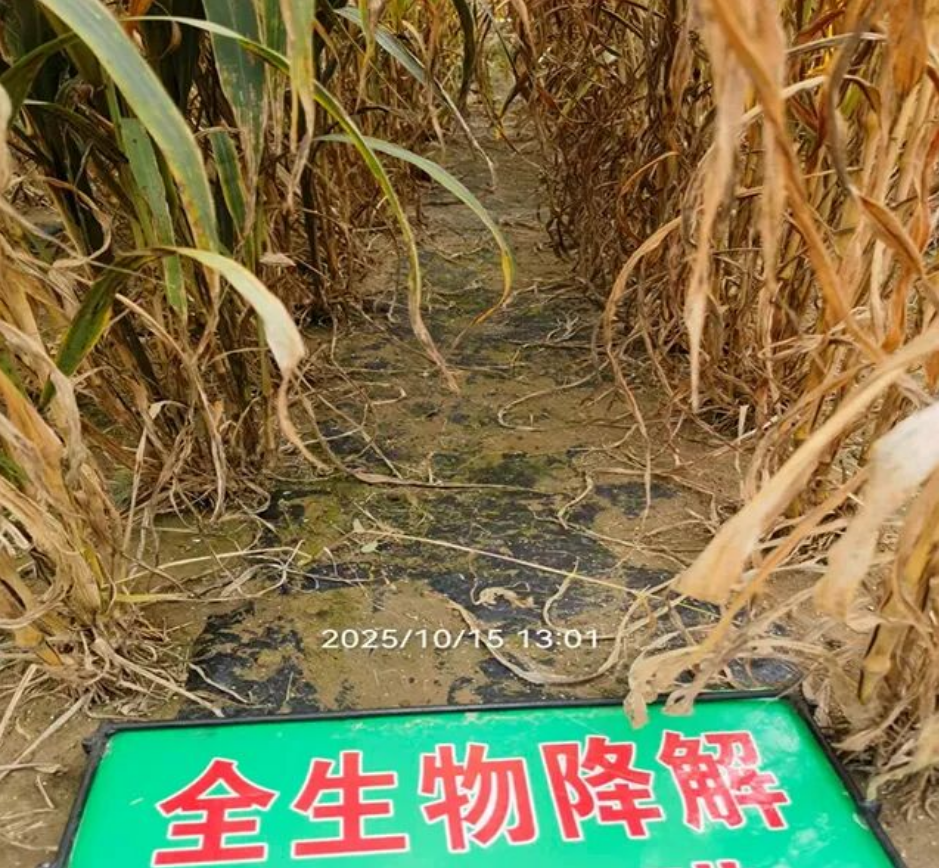
Previously, the density of fully biodegradable resin was much higher than that of PE materials, leading to a reduced area when the thickness was the same. Additionally, the process could only produce 0.01 mm thick mulch films, which could meet the 90-day weather resistance requirements, resulting in a high cost per unit area. The cost per acre was about 160 yuan. Even with policy guidance to ban plastic, it was difficult to achieve large-scale promotion.
Supported by the national key research and development programs during the 13th and 14th Five-Year Plans and the Shanxi Provincial Key R&D Program, the research team overcame challenges and innovatively adopted carbon dioxide-based branched poly(propylene carbonate) (PPC) and polycarbonate (PCU) developed by the Changchun Institute of Applied Chemistry, Chinese Academy of Sciences, combined with the strong light-resistant permeable agent from Shanxi Weitong Permeable Membrane Biotechnology Co., Ltd., along with biodegradable resins such as PBAT and PLA, successfully developing this ultra-thin mulch film.
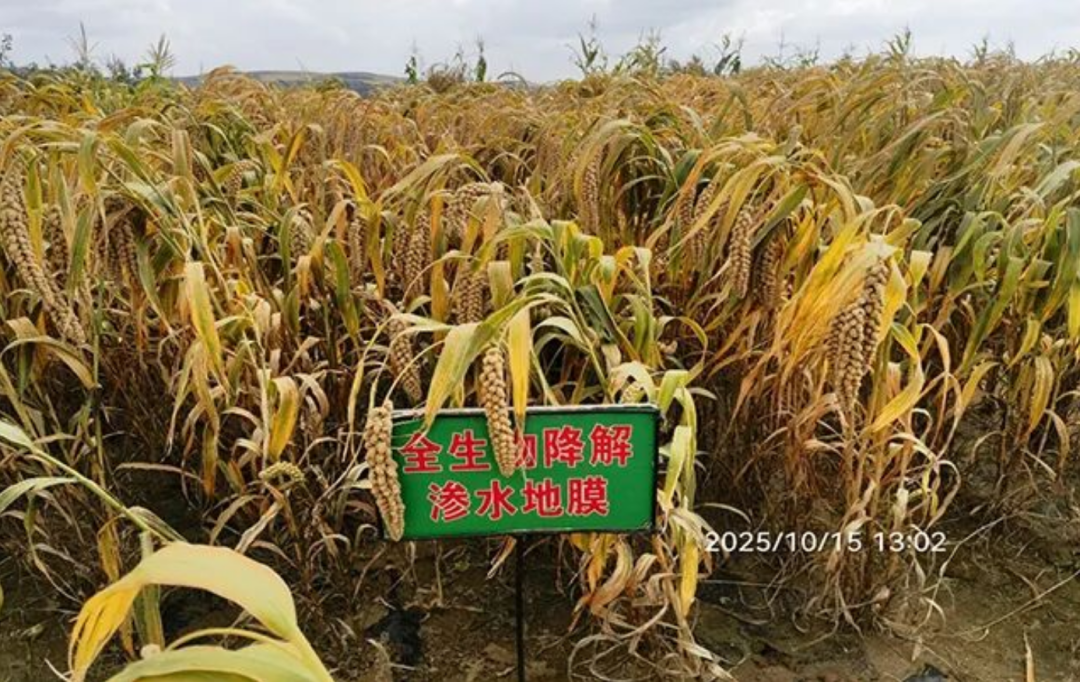
This mulch film offers significant advantages: it is 40% thinner than conventional fully biodegradable mulch films, reducing the per-acre investment cost to approximately RMB 90—on par with high-strength thickened PE mulch films. It fully biodegrades after the autumn harvest, eliminating the need for film retrieval and thereby eradicating white pollution at its source. Additionally, it features enhanced water-permeability, enabling efficient utilization of rainfall, preventing premature crop senescence commonly caused by thickened films, substantially boosting yields, and achieving both cost savings and environmental sustainability.
Currently, this achievement has formed a complete technical system. Related research papers have been published in several core academic journals such as "China Plastics" and "China Agricultural Science and Technology Journal." Multiple related technologies have obtained national invention patents, and the enterprise standard "Fully Biodegradable (Permeable) Agricultural Ground Cover Films" has been released, establishing a supporting cultivation technology model.
To date, this ultra-thin, fully biodegradable seepage irrigation mulch film has been widely promoted and successfully applied in Shanxi, Shaanxi, Inner Mongolia, and other regions, effectively advancing the transformation of agricultural production toward greener and more efficient practices. This breakthrough not only fills the technological gap in ultra-thin, fully biodegradable seepage irrigation mulch films but also overcomes industry-wide barriers to adoption, providing strong support for controlling agricultural non-point source pollution and achieving China’s dual carbon goals.
【Copyright and Disclaimer】The above information is collected and organized by PlastMatch. The copyright belongs to the original author. This article is reprinted for the purpose of providing more information, and it does not imply that PlastMatch endorses the views expressed in the article or guarantees its accuracy. If there are any errors in the source attribution or if your legitimate rights have been infringed, please contact us, and we will promptly correct or remove the content. If other media, websites, or individuals use the aforementioned content, they must clearly indicate the original source and origin of the work and assume legal responsibility on their own.
Most Popular
-
Deadly Impact: Hormuz Strait Blockade Sparks Shortage of Plastic Raw Materials, Threatening Shutdowns at Japanese and Korean Chemical Plants
-
[Special Plastics Index] Geopolitical Conflicts Trigger Cost Surge, Plastics Futures and Spot Prices Rise Significantly Before Correction
-
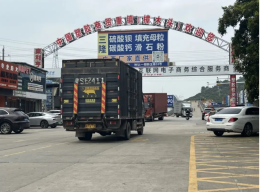
Middle East Conflict Triggers "Plastic Rush": Zhangmutou Clogged With "Plastic Spring Festival Travel", Is This Frenzy Ultimately An Inventory Game?
-

Rolling to the material end! byd expands recycled plastic production by 100,000 tons amid market headwinds, redefining auto supply chain
-

Tao Lin: Tesla’s Supercharger Stations in China Surpass 2,500