



Middle East Conflict Triggers "Plastic Rush": Zhangmutou Clogged With "Plastic Spring Festival Travel", Is This Frenzy Ultimately An Inventory Game?
“We’ve seen people scrambling for rice and flour, but never for plastic!” A complaint on short-video platforms highlights the abnormal chaos in the plastics industry. Affected by the Middle East geopolitical conflict, surging international oil prices have triggered a chain reaction, plunging Dongguan’s Zhangmutou Town—the nation’s largest distribution hub for plastic raw materials—into a “rushed purchasing frenzy.” Logistics congestion, sharp price hikes, and widespread hoarding have swept across South China in a “plastic rush.”
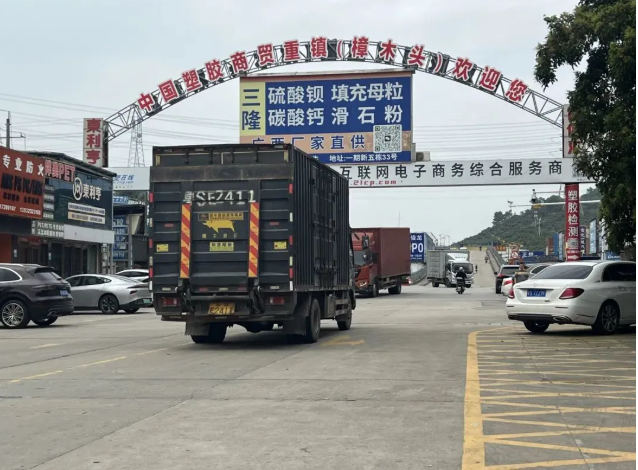
(Source: Caijing News)
Phenomenon: A “plastic rush” in Zhangmutou, leading to logistics bottlenecks and skyrocketing prices.
As the "Plastic Trade Hub of China," Zhangmutou has recently become the focus of the industry. At the core plastic warehousing entrances, freight trucks from various parts of South China line up, significantly extending the waiting time for drivers. A driver admitted that since early March, they have been queuing here daily, and what used to take 1-2 hours for loading and unloading now takes up to nearly 6 hours, "It's normal to be stuck until the early hours of the morning, it's like the 'Spring Festival travel rush' for those in the plastics industry." It is reported that the congestion was at its worst on March 3rd and 4th. After the government initiated emergency measures for traffic diversion and added supporting services, logistics gradually returned to normal, but the rush to grab goods has not diminished.
Behind the rush to stockpile is a sharp rise in plastic raw material prices. Data from the largest plastic-themed e-commerce platform in South China shows that the browsing and transaction volumes of plastic raw materials have both surged sharply, with prices across various categories rising. Among them, the price of domestic general-purpose ABS plastic raw material has increased by over 60%, jumping from 8,000 yuan/ton to above 13,000 yuan/ton; the price of domestic general-purpose PC plastic raw material has risen by more than 40%, from 11,000 yuan/ton to above 16,000 yuan/ton. Market rumors indicate that prices of popular materials like ABS and PC "change every hour," with some categories nearly doubling in a short period, forcing traders into a cycle of "the more you rush, the higher the price, the higher the price, the more you rush."
Causes: Middle East conflicts trigger chain reactions, industry inertia aggravate the chaos.
The trigger for this plastic rush was the energy crisis caused by geopolitical conflicts in the Middle East. The surge in international oil prices directly increased the cost of plastic production, and upstream products related to plastic granules, such as styrene and acrylonitrile, simultaneously began a price hike. Domestic and international plastic industry leaders have since issued "force majeure" notices and price increase letters.
According to media reports, starting in March, price-increase notices flooded in one after another. On March 1, Wanhua Chemical, a leading chemical company, announced a 5%–10% price hike across its entire PA12 (polydodecamide, also known as nylon 12) product line. On March 2, Zhuhai Kingfa Bio-Materials announced a RMB 700/ton price increase for its PBAT (biodegradable plastic) products. On March 4, BASF, a global chemical giant, announced global price increases for antioxidants, processing aids, and light stabilizers used in plastics, with the maximum increase reaching 20%. Shortly thereafter, enterprises under PetroChina and Sinopec also announced price hikes of RMB 300–500/ton for polyethylene (PE) and polypropylene (PP) products. As the “mother material” of industry, plastics’ price fluctuations continue to transmit to downstream manufacturing enterprises, while escalating war-related sentiments further intensify market panic.
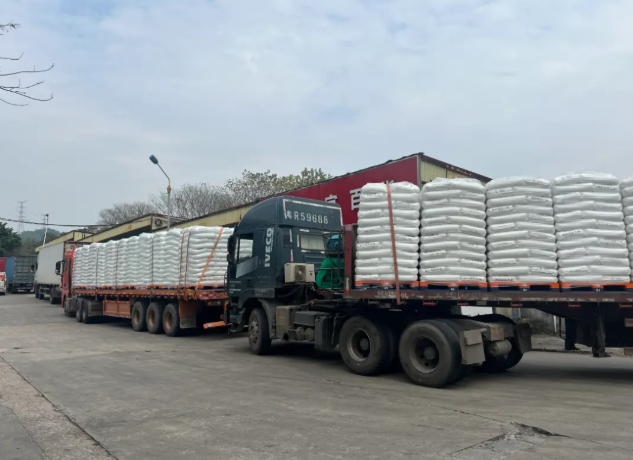
(Source: Every Day Economic News)
The root of the chaos lies in the inertia reversal after a prolonged industry downturn. Over the past three years, the plasticizer market has been sluggish, with insufficient demand downstream. Both end-user factories and traders have developed a "buy-as-you-need" habit, resulting in low inventory levels. When the sudden conflict in the Middle East and news of upstream producers halting sales emerged, traders with insufficient inventory panicked and a buying frenzy ensued. A trader with 20 years of experience in the Zhangmutou plastic trade stated bluntly that some of the price increases were the result of speculation among traders, with many quotes being nothing more than "self-hype," without any real transactions taking place.
Impact and Way Forward: Hidden Risks Behind the Frenzy, Industry Chain Needs Rational Solutions
In contrast to the market frenzy, industry insiders remain generally rational. Multiple practitioners told Zhuan Su Vision that the current rush to buy plastics is essentially an "inventory game" based on expectations, and inflated quotations circulate only among traders without reaching downstream injection molding factories. Given the thin profit margins in plastic downstream sectors, high prices simply cannot be accepted by customers. This surge is therefore not a positive sign for the industry, but rather harbors underlying risks.
Traders are caught in a dilemma: accepting orders means end-user factories cannot bear the high prices, while refusing orders risks losing customers. More seriously, hoarding high-priced inventory and rampant empty contracts could trigger cash flow crunches and credit defaults. End-user factories suffer the most, as raw material costs have surged by over 60%—far exceeding their slim profit margins—leaving many trapped in a lose-lose situation where both production and shutdown result in losses. Some traders even have to cover the price difference out of pocket to fulfill contracts.
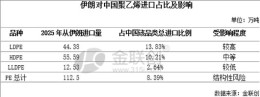
Xu Yina, Secretary-General of the Dongguan Plastic Industry Development Promotion Association, stated that the impact of the Middle East conflict on the industry is only a short-term cost and emotional disturbance, with the supply fundamentals remaining stable, and there is no need for panic. It is understood that Dongguan's plastic raw materials mainly rely on domestic refining and chemical production, non-Iranian Middle Eastern, and Southeast Asian sources, with Iranian sources having a low proportion. There has been no substantive supply disruption, with only a few grades being slightly affected.
Despite this, the divergence in market expectations for the future is still increasing. If the conflict in the Middle East continues and oil prices remain high, it is not unlikely that companies on the sidelines will join the rush to stockpile plastics, further driving up prices. The industry is wary that irrational and—— Despite this, the divergence in market expectations for the future is still increasing. If the conflict in the Middle East continues and oil prices remain high, it is not unlikely that companies on the sidelines will join the rush to stockpile plastics, further driving up prices. The industry is wary that irrational and rampant increases in raw material prices may follow the same path as the semiconductor industry—previously, the rise in semiconductor prices constrained the development of end products, even leading to the shutdown of some mobile phone manufacturers. In the current economic environment, price increases for non-scarce consumer goods lack support and will ultimately harm the entire supply chain.
In the face of market chaos, the industry chain must respond calmly and break the deadlock. Plastics Insight believes that leading enterprises should follow the example of Kingfa Tech by proactively taking responsibility, implementing cautious and transparent price adjustments, and ensuring supply to the best of their ability. Traders and end-user manufacturers must abandon panic-driven stockpiling and speculative behavior, returning instead to needs-based procurement and sound operational practices to mitigate risks.
In the long run, this rush to secure plastics has sounded an alarm for the industry: over-reliance on petroleum-based feedstocks makes it vulnerable to fluctuations in international energy prices and geopolitical tensions. As Kingfa Sci. & Tech. has stated, scaling up recycling and bio-based material industries to gradually reduce dependence on petroleum and drive a green transition is the key to sustainable development for the plastics industry.
Currently, the logistics in Zhangmutou have gradually recovered, but the competition in the plastic market is still ongoing. This plastic rush triggered by the Middle East conflict is a short-term emotional disturbance or a long-term structural impact? Zhusu View will continue to follow the developments and provide timely and professional insights for industry practitioners.
(Some information is compiled from China Economic News, DT Material)
【Copyright and Disclaimer】The above information is collected and organized by PlastMatch. The copyright belongs to the original author. This article is reprinted for the purpose of providing more information, and it does not imply that PlastMatch endorses the views expressed in the article or guarantees its accuracy. If there are any errors in the source attribution or if your legitimate rights have been infringed, please contact us, and we will promptly correct or remove the content. If other media, websites, or individuals use the aforementioned content, they must clearly indicate the original source and origin of the work and assume legal responsibility on their own.
Most Popular
-
Supply Extremely Tight! LG Chem Declares Force Majeure on Export Contracts for Di-Octyl Terephthalate (DOTP)
-
Huntsman Introduces “War Surcharge” Amid Shipping Disruption and Soaring Energy Costs, Global MDI Prices Continue to Rise
-
Middle East Tensions Escalate Sharply: How Polyolefins Respond Amid Soaring Risk Premium
-
Deadly Impact: Hormuz Strait Blockade Sparks Shortage of Plastic Raw Materials, Threatening Shutdowns at Japanese and Korean Chemical Plants
-

LG Chem Declares Force Majeure on DOTP Exports! SABIC Joins Five Giants to Redefine EV Safety


