



Breaking: 25-Year-Old Material Factory Engulfed in Massive Fire, Thick Smoke Billows Skyward
Emergency! A material factory in Dongguan, Guangdong caught fire!
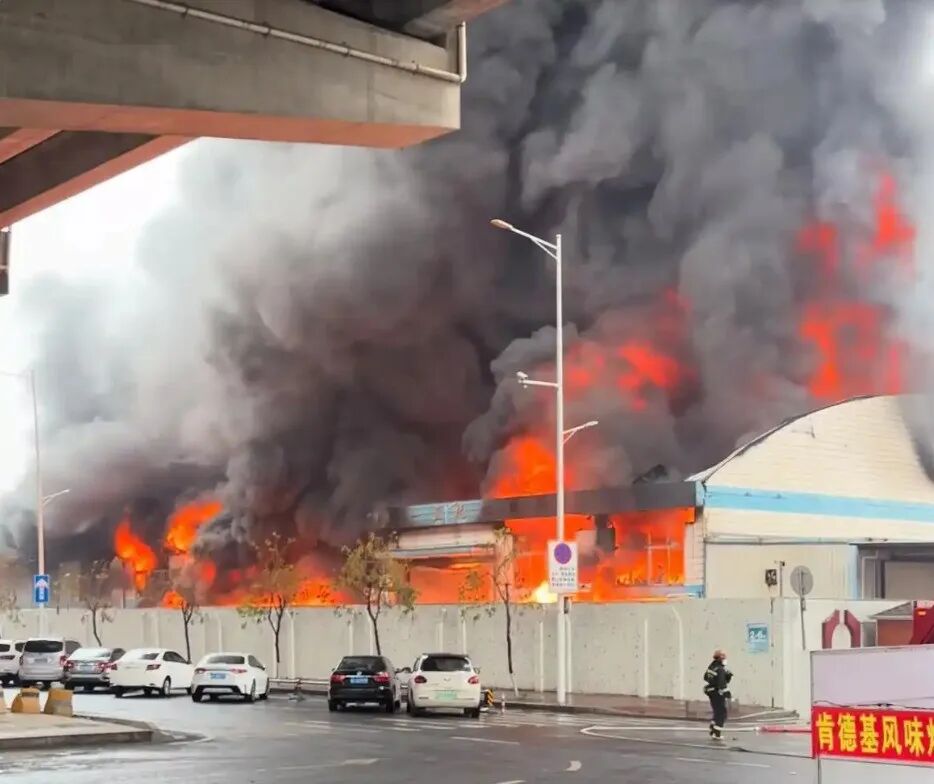
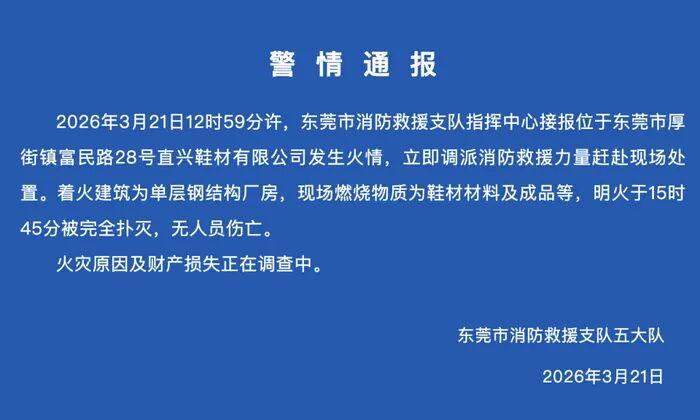
At around 5 p.m., staff members from the Houjie Branch of the Dongguan Municipal Emergency Management Bureau confirmed to the media that the visible flames at the scene had been extinguished. According to the report, the fire broke out at a factory with a 25-year history, primarily engaged in the production and sale of plastic shoe materials, EVA sheets, leather bags, and footwear.
The factory has a high electricity consumption, and the workshop is densely populated.
The warehouse contains a large amount of flammable and combustible materials.
Fire hazards stand out
·Petrochemical enterprises
1. Enhance awareness of fire prevention
Fire prevention relies on the joint efforts of all employees. Enterprises should regularly conduct fire safety training to enhance employees' awareness of fire prevention and their ability to handle emergencies. Employees should be familiar with the usage of fire-fighting facilities, master the basic skills of using fire extinguishers, and understand the locations of emergency evacuation routes and shelter areas.
2. Improve fire protection equipment and facilities
Enterprises should equip appropriate fire-fighting equipment and facilities according to the nature of the warehouse and the characteristics of the stored items. For example, items stored in Class C warehouses are usually flammable and should be equipped with sufficient fire extinguishers, fire hydrants, automatic sprinkler systems, etc. In addition, fire-fighting equipment should be regularly inspected and maintained to ensure it is in good working condition.
3. Conduct regular security inspections.
Safety inspections are a crucial measure to prevent accidents. Enterprises should develop a detailed safety inspection plan and regularly conduct comprehensive safety inspections of the warehouse, including electrical wiring, fire equipment, and the placement of stored items. Any identified hazards should be promptly rectified to eliminate any potential risk of fire.
4. Establish an emergency response plan
5. Operate in compliance with laws and regulations
Enterprises must strictly comply with national and local safety production laws and regulations during their production and business operations. In particular, the storage and management of dangerous chemicals should be carried out in accordance with relevant regulations to ensure safety.
【Copyright and Disclaimer】The above information is collected and organized by PlastMatch. The copyright belongs to the original author. This article is reprinted for the purpose of providing more information, and it does not imply that PlastMatch endorses the views expressed in the article or guarantees its accuracy. If there are any errors in the source attribution or if your legitimate rights have been infringed, please contact us, and we will promptly correct or remove the content. If other media, websites, or individuals use the aforementioned content, they must clearly indicate the original source and origin of the work and assume legal responsibility on their own.
Most Popular
-

Middle East Triggers Widespread Force Majeure In Global Chemical Industry
-
Not Just MDI! Huntsman and BASF Impose “War Surcharge” Across Europe
-

Nike technology innovation and material application
-

Deadly Impact: Hormuz Strait Blockade Sparks Shortage of Plastic Raw Materials, Threatening Shutdowns at Japanese and Korean Chemical Plants
-

[Special Plastics Index] Geopolitical Conflicts Trigger Cost Surge, Plastics Futures and Spot Prices Rise Significantly Before Correction


