Black Box + Running Shoes + Fever Patch, Hongmeng Zhihang Battery Safety Gets Real
When going over a speed bump, do you instinctively step on the brake? Not because you're afraid of bouncing, but because you're worried about hitting the battery.
New energy vehicles have been developing for several years, and range anxiety is no longer an issue; charging speeds are also becoming increasingly faster. However, one question remains persistently on drivers’ minds: Are the batteries truly safe? What happens if they get submerged in water? What if the battery pack is damaged by scraping the bottom? Does fast charging harm the battery? And in the event of an incident, can data clearly explain what happened?
At the Harmony Intelligent Mobility Tech Day on March 24, Huawei officially launched its Whale Battery Platform 3.0, specifically designed to address battery safety issues one by one, tackling the "last mile" challenges.
The black box of the airplane, now used for the new energy battery
The biggest fear with new energy vehicle batteries isn't that problems occur, but that when they do, it's unclear what happened. Lost data, missing records, and ambiguous responsibility lead to disputes between owners and manufacturers, often ending unresolved—this is the core pain point of traditional battery safety.
To address the issues of unclear information and ambiguous responsibility when battery problems occur, Huawei Harmony Intelligence Driving has directly adopted the concept of aircraft “black boxes” for batteries, ensuring battery safety is no longer a matter of uncertainty.
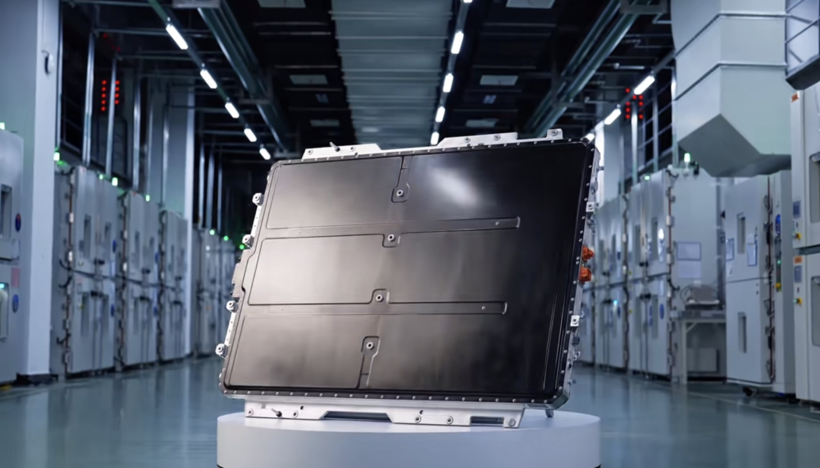
HUAWEI Jujing Battery Platform 3.0 comes with triple communication redundancy and triple power supply redundancy, ensuring communication and power supply capabilities even if the battery encounters issues. Coupled with the Star Flash technology, it ensures data integrity and traceability.
In addition, it can monitor battery safety status 24/7 at microamp-level low power consumption, enabling early detection of hazardous scenarios—such as water immersion or external heating—before any issues arise, delivering meticulous, nanny-like safety protection.
For ordinary car owners, the most direct benefit is that in case of an incident, there's no need for argument as the data speaks for itself. For users who are sensitive about security, this is absolutely a peace of mind.
Bringing aerospace-grade data security logic down to automotive batteries is truly a first in the industry. This not only makes the batteries themselves safer but, more importantly, ensures that even if an issue arises, there’s reliable data and robust after-sales support to back it up—deepening consumer trust in EV batteries and giving drivers greater peace of mind.
Afraid of water, afraid of bumps, afraid of fever? HarmonyOS Auto brings a battery safety trio
New energy vehicle batteries can be quite delicate sometimes.
Afraid of water—when driving through flooded roads on rainy days, every driver worries about water ingress. Afraid of impacts—hitting speed bumps, mounting curbs, or driving on rough roads; every bump feels like a test of the battery’s durability. Afraid of heat—fast charging feels great in the moment, but large temperature differences within the cells lead to significant battery degradation after just two years, and replacing the battery costs a fortune.
This time, Hongmeng ZhiXing has truly equipped the battery with a "safety trio," specifically to address these "heart issues."
Regarding water-related issues, the Huawei Whale Battery Platform 3.0's wave barrier sealing can improve waterproof performance by 200%, and it also features dual water ingress detection. In simple terms, during rainy days or when driving through flooded areas, there's no need to worry about the battery "soaking." The system will alert you before water even gets in. Even if water does enter, the wave barrier sealing can protect the battery like a waterproof bag.
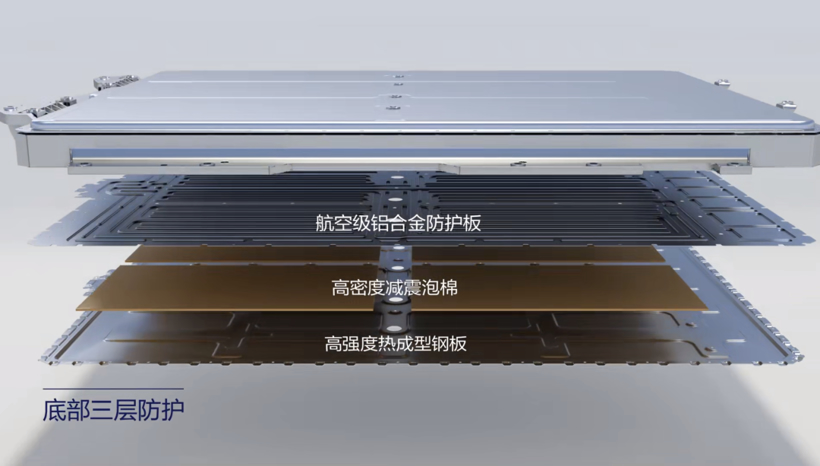
Huawei's Whale Battery Platform 3.0 features intelligent underbody protection, doubling the battery's impact resistance and incorporating bump detection. When driving over potholes or mounting curbs, the battery senses impacts itself and provides advance warnings—like wearing lightweight, durable running shoes equipped with radar-like sensors.
Regarding the most hazardous thermal runaway issue, Huawei’s Jujing Battery Platform 3.0 implements gradient uniform-temperature liquid cooling, minimizing cell temperature differentials during fast charging—enabling rapid charging without compromising battery health and resolving the hidden concern of “fast charging feels great today, but you’ll need a new battery in two years.” It’s akin to applying a “fever patch” to the battery: charging quickly without overheating.
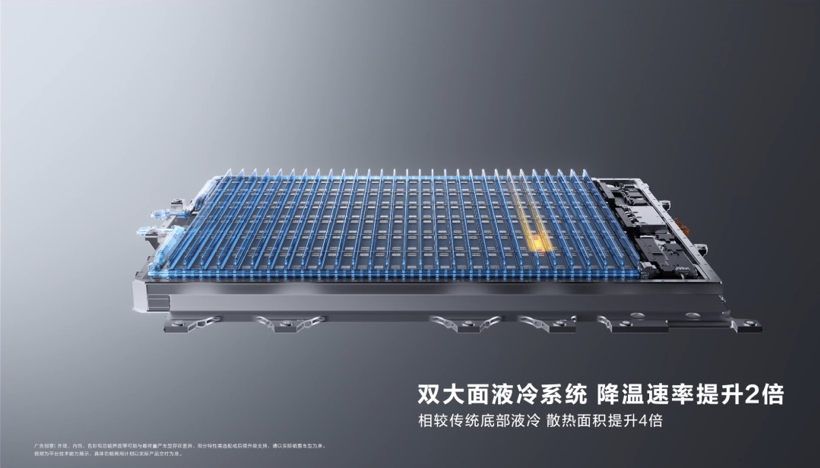
As can be seen, these three technologies specifically address the three scenarios that new-energy vehicle owners worry about most in daily use: driving through flooded areas, bottoming out, and fast charging. Huawei’s Harmony Intelligent Drive has now transformed “passive protection” into “proactive warnings + real-time safeguarding,” ensuring battery safety anytime and anywhere across various driving scenarios.
Battery insulation fault, finally no more guessing
Another pain point that EV drivers have likely encountered: the dashboard suddenly displays an "insulation fault" warning, leaving you unsure whether it's an issue with the vehicle or the battery.
This makes it impossible for car owners to accurately inform after-sales service personnel about the vehicle's real-time fault conditions, forcing technicians to troubleshoot by checking every possible component one by one. If a brand-new car has to be taken apart extensively for diagnosis shortly after purchase, every owner would understandably feel distressed—it’s time-consuming, labor-intensive, and frustrating.
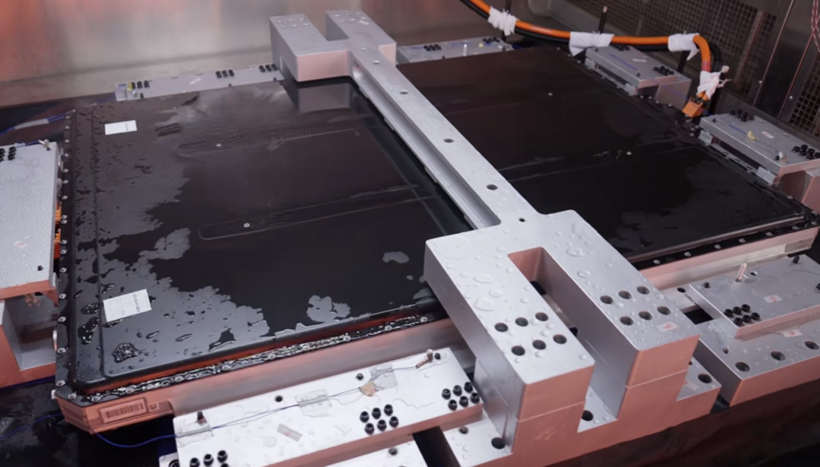
Huawei's Whale Battery Platform 3.0 features a BMS insulation monitoring function that accurately identifies fault sources. Combined with cloud-based AI algorithms, it provides 24/7 protection—essentially enabling the battery to "diagnose itself" and detect issues before anyone else.
For car owners, this means fewer false diagnoses, less repair time, and reduced anxiety over unexpected breakdowns. With electric vehicles, the biggest fear isn't that they break down—it's not knowing what's wrong. With this move, Harmony Intelligent Mobility has at least erased the words "not knowing" from the dictionary of new energy vehicles.
Safety is the ultimate luxury—delivered through technology, not slogans.
"Security is the greatest luxury." Many brands have said this, but truly making safety something users can perceive relies not on slogans, but on the real implementation of technology.
This time, Huawei’s Harmony Intelligent Mobility has launched the Huawei Whale Battery Platform 3.0, which breaks down battery safety into meticulous aspects: protection against impacts, water resistance, overheating prevention, traceability of battery data, and fault early warning—each addressing users’ core pain points.
The battery is located under the chassis, invisible and untouchable to users, but it silently endures every time you go over a speed bump, during rain, and when fast charging. What Harmony Drive has done this time is to make these "invisible parts" visible, perceptible, and trustworthy.
Huawei Intelligent Mobility has set an example for the industry: safety can be more proactive, more intelligent, and more reassuring for users.
【Copyright and Disclaimer】The above information is collected and organized by PlastMatch. The copyright belongs to the original author. This article is reprinted for the purpose of providing more information, and it does not imply that PlastMatch endorses the views expressed in the article or guarantees its accuracy. If there are any errors in the source attribution or if your legitimate rights have been infringed, please contact us, and we will promptly correct or remove the content. If other media, websites, or individuals use the aforementioned content, they must clearly indicate the original source and origin of the work and assume legal responsibility on their own.
Most Popular
-
Massive Loss of $960 Million! Wansheng Co., Ltd. Sees Rising Revenue But Declining Profits—Why Did the Phosphorus-Based Flame Retardant Leader Falter?
-
Breakthrough! 13.6-million-ton new giant emerges as world’s fourth-largest polyolefin producer, reshaping industry landscape
-
BASF's $8.7 Billion Zhanjiang Site Fully Operational, Covestro, SABIC, Arkema and Other Plastics Giants Double Down on China
-

Deadly Impact: Hormuz Strait Blockade Sparks Shortage of Plastic Raw Materials, Threatening Shutdowns at Japanese and Korean Chemical Plants
-

Domestic PBE Breakthrough, Polyolefin Modification Industry to Break the Impasse