



Amcor and Dow Partner to Drive Adoption of Low-Carbon Packaging Solutions
Amcor and Dow have announced a strategic partnership to help brands and retailers accelerate the adoption of low-carbon packaging solutions. Building on their shared history of advancing greenhouse gas emissions reduction, the collaboration combines Amcor’s packaging innovation, manufacturing expertise, and scale with Dow’s low-carbon polyethylene, materials science, and carbon footprint expertise.
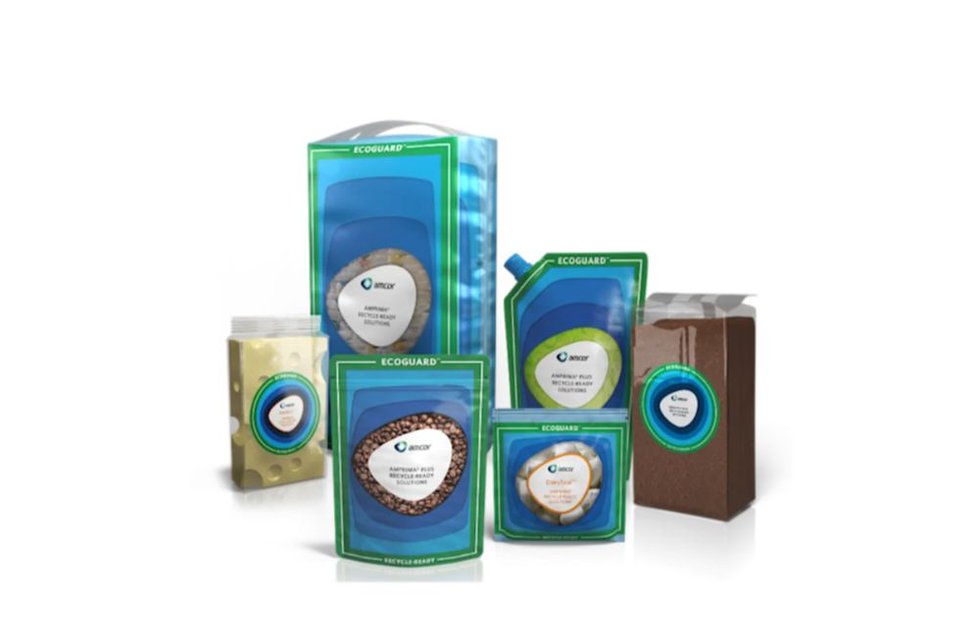
Amcor and Dow aim to help brands and retailers easily implement and scale next-generation packaging solutions, delivering the required performance, quality, and functionality while achieving Scope 3 emissions targets. The two companies will work together to identify technically and commercially viable packaging applications, engage value chain partners early in the adoption process, and provide carbon footprint data to support their customers.
Keith Cleason, President of Dow Packaging and Specialty Plastics, stated, “One of the biggest barriers to decarbonization is the gap between consumer interests and business commitments.” “Together with Amcor, we are testing a new business model through market-based mechanisms to reduce adoption risks, create clearer demand signals, and help accelerate the commercialization of low-carbon packaging solutions across the entire value chain. We are making it easier for brands and retailers to evaluate and integrate low-carbon packaging options that support both business growth and sustainability goals.”
The company is setting ambitious greenhouse gas (GHG) reduction targets for Scope 3 emissions, which represent indirect GHG emissions across the entire corporate value chain and typically account for the largest share of the carbon footprint. Brands and retailers are seeking scalable packaging solutions that deliver measurable emission reductions without requiring packaging redesign or new infrastructure investments.
David Clark, Amcor’s Chief Sustainability Officer, stated, “Scope 3 emissions occur across the upstream and downstream value chain, making them difficult to reduce.” “Introducing low-carbon polyethylene into the packaging market while meeting the same technical and design standards is one of the simplest ways to help shrink product carbon footprints. Since this offers brands a ready-to-use solution, we believe such collaboration presents an exciting opportunity for them to translate their climate commitments into action.”
The Carbon Footprint Ledger (CFL) approach is central to the collaboration. It builds on existing industry-wide mass balance precedents in greenhouse gas accounting. The CFL provides independently assured product carbon footprint information that complies with internationally recognized standards, including ISO 14067 and the GHG Protocol Product Standard.
【Copyright and Disclaimer】The above information is collected and organized by PlastMatch. The copyright belongs to the original author. This article is reprinted for the purpose of providing more information, and it does not imply that PlastMatch endorses the views expressed in the article or guarantees its accuracy. If there are any errors in the source attribution or if your legitimate rights have been infringed, please contact us, and we will promptly correct or remove the content. If other media, websites, or individuals use the aforementioned content, they must clearly indicate the original source and origin of the work and assume legal responsibility on their own.
Most Popular
-

[Overseas News] Sumitomo Chemical Acquires Solvay's LCP Business! SK Chemicals Builds Circular Economy Model For Waste Banners!
-
Mexico Imposes Tariff Up to 36% on Cross-Border E-Commerce Products, Effective January 1, 2026; Plastic Shows Partial Fluctuation Today
-
Lithium Carbonate Price Reaches Key Node at 100,000 Yuan/Ton! Listed Companies Rush to Lock Orders!
-
4.5 Million Tons! Wanhua Chemical Dominates Globally in MDI, Heavy Investment in Battery Materials Spurs New Storm
-

Trump Delays Tariff Increase on Furniture, Cabinets, and Vanities