



Weak Demand Combined with the Impact of China Automakers May Lead to the Closure of 8 Car Factories in Europe
According to foreign media reports, consulting firm AlixPartners recently stated that due to weak automotive demand and the impact of new Chinese competitors such as BYD, the European automotive industry is undergoing a difficult restructuring, with local car manufacturers potentially forced to shut down as many as 8 factories.
The consulting firm pointed out that currently, the average automobile factory in mainland Europe... The utilization rate is only 55%, and the factories with a capacity utilization rate of less than three-quarters are continuously eroding the company's profits.
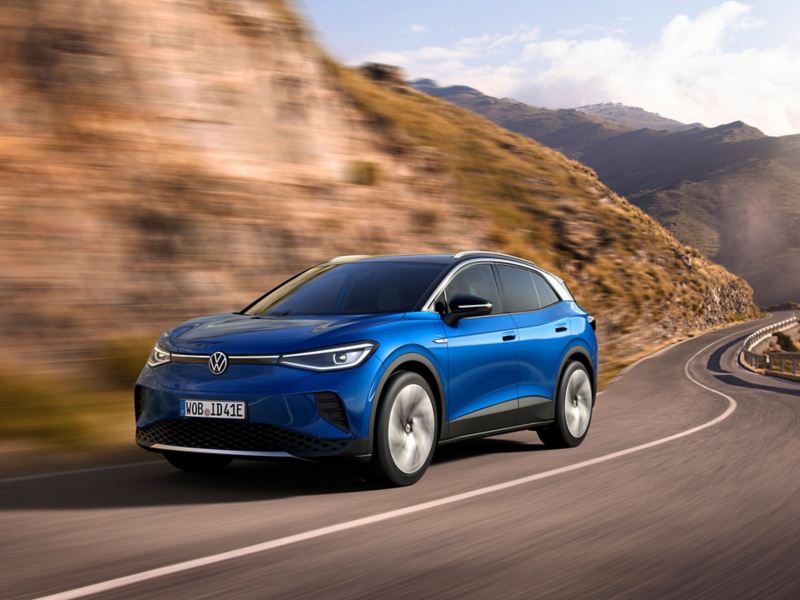
Image source: Volkswagen
Fabian Piontek, Managing Director of Aibot in Germany, said: "In the next few years, there will be 1 to 2 million vehicles originally belonging to European car companies."Car SalesChinese car manufacturers are expected to capture about 5% of the European market share this year.
Currently, due to the demand for cars not returning to pre-pandemic levels, European car manufacturers are undertaking large-scale layoffs and downsizing. This month, the Volkswagen Group's factory in Zwickau, Germany has been shut down for a week, and the Stellantis Group has temporarily closed parts of its factories that primarily produce models such as the Fiat Panda and Alfa Romeo Tonale.
According to the European Automobile Manufacturers’ Association, last year the car delivery volume in Europe only increased by 0.9%, totaling approximately 13 million vehicles. IHS Markit stated that by 2030, Chinese automotive brands such as BYD and MG, a subsidiary of SAIC Group, could achieve a market share of 10% in Europe, which would further intensify the pressure on European car manufacturers to reduce production capacity.
According to AlixPartners, generally speaking, an automotive plant needs to have an annual production capacity of at least 250,000 vehicles to achieve profitability. If by 2030, Chinese car manufacturers achieve annual sales of 2 million vehicles in Europe, it will directly lead to a capacity surplus crisis for approximately eight local European automotive plants.
However, for European car manufacturers, closing factories is costly and requires long negotiations with powerful worker representatives. For example, in Germany, companies like Volkswagen and Mercedes-Benz Group have worker representatives on their supervisory boards who even have the power to veto factory closure decisions. AlixPartners estimates that closing a large automotive factory with around 10,000 employees would incur costs of about 1.5 billion euros (approximately 1.7 billion dollars), and the entire process could take 1 to 3 years.
Last year, it took Volkswagen executives several months to reach an agreement with union leaders on cost-cutting measures, and they eventually abandoned the plan to close a factory in Germany, which was Volkswagen's first plan to close a factory in the country. The final agreement reached between both parties included capacity reduction and the layoff of 35,000 employees.
Tom Gellrich, a consultant and managing director at AlixPartners, stated: "Closing a factory is a lengthy process, and automotive executives need to demonstrate to all parties that it is the only viable business option."
【Copyright and Disclaimer】The above information is collected and organized by PlastMatch. The copyright belongs to the original author. This article is reprinted for the purpose of providing more information, and it does not imply that PlastMatch endorses the views expressed in the article or guarantees its accuracy. If there are any errors in the source attribution or if your legitimate rights have been infringed, please contact us, and we will promptly correct or remove the content. If other media, websites, or individuals use the aforementioned content, they must clearly indicate the original source and origin of the work and assume legal responsibility on their own.
Most Popular
-

Mexico Imposes Tariff Up to 36% on Cross-Border E-Commerce Products, Effective January 1, 2026; Plastic Shows Partial Fluctuation Today
-
Lithium Carbonate Price Reaches Key Node at 100,000 Yuan/Ton! Listed Companies Rush to Lock Orders!
-

[Overseas News] Sumitomo Chemical Acquires Solvay's LCP Business! SK Chemicals Builds Circular Economy Model For Waste Banners!
-

Trump Delays Tariff Increase on Furniture, Cabinets, and Vanities
-
4.5 Million Tons! Wanhua Chemical Dominates Globally in MDI, Heavy Investment in Battery Materials Spurs New Storm


