



Uk and us reach "milestone" zero tariff drug agreement!
As part of the 0% tariff agreement, the UK National Health Service (NHS) will pay 25% more for innovative drugs.
The British and American governments have reached an agreement to implement zero tariffs on British pharmaceuticals, while the UK has committed to increasing NHS spending on pharmaceuticals.
The United Kingdom has become the latest member in a series of trade agreements by U.S. President Donald Trump, and the first region to receive zero tariff treatment on pharmaceutical exports to the U.S. Professor Patrick Vallance, the UK Science Minister, described the agreement as "a landmark agreement."
According to a joint statement issued by the Office of the United States Trade Representative, the Department of Commerce, and the Department of Health and Human Services, the U.S. government will not impose tariffs on pharmaceuticals originating from the United Kingdom, nor will it take measures against the UK's drug pricing policies. This exemption policy will last for three years.
As part of the exchange, the UK will pay 25% above the net price for new drugs procured for the NHS. The agreement will also drive adjustments to the Voluntary Scheme for Branded Medicines Pricing, Access and Growth (VPAG). This framework has previously been widely reviewed for hindering the accessibility of innovative medicines in the UK.
The statement indicates that the UK will ensure that price increases for new drugs will not be significantly undermined by VPAG's requirement for concessionary discounts across the entire product portfolio.
The UK government stated that this agreement will enable the NHS's evaluation body, the National Institute for Health and Care Excellence (NICE), to approve medicines that were previously rejected due to "insufficient cost-effectiveness."
UK Science and Technology Minister Liz Kendall welcomed the prospects brought by the agreement, believing that it will help patients access cutting-edge drugs while also creating high-skilled jobs in the UK.
Meanwhile, U.S. Department of Health and Human Services (HHS) Secretary Robert F. Kennedy Jr. stated that the agreement brings a "long-overdue balance" to trade relations.
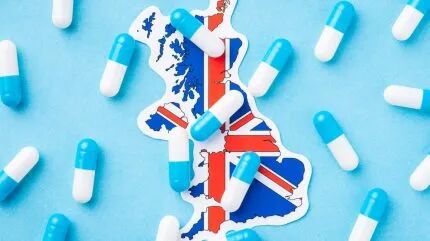
Image source: Internet
In July 2025, the European Union (EU) agreed to impose a 15% tariff rate on pharmaceuticals exported to the U.S. under a new trade agreement framework.
The agreement alleviated the concerns of the pharmaceutical industry.
Janet Beal, Head of Health Economics and Market Access for Europe/CIS at GlobalData, stated: "Addressing the long-standing issues of cost control for VPAG branded drugs in the UK, increasing NHS drug spending, and relaxing NICE's strict requirements on cost-effectiveness will create a more favorable trading environment for the UK pharmaceutical industry."
She added that these changes could help the UK regain its position as a priority market for new drug launches and contribute to ending a tough year for the British pharmaceutical industry, attracting R&D investment back.
Since the beginning of this year, concerns in the UK's life sciences sector have been growing due to poor business prospects. For example, Merck Sharp & Dohme (MSD) has canceled its planned £1 billion expansion project in London, which has become a focal point of tension between large pharmaceutical companies and the government.
After the agreement was reached, Bristol Myers Squibb (BMS) CEO Chris Boerner stated:
"Based on the commitments from the UK side in this agreement and its increased investment in innovative medicines, BMS expects to invest over $500 million in the next five years."
Richard Torbett, Chief Executive Officer of the Association of the British Pharmaceutical Industry (ABPI), said:
"This agreement is an important step towards ensuring that patients have access to innovative medicines needed to improve overall health outcomes in the UK's National Health Service (NHS). It should also position the UK more favorably in attracting and retaining global life sciences investment and advanced pharmaceutical research and development."
Tobert concluded, "These commitments have begun to address industry concerns, including the accessibility of medicines within the UK's National Health Service (NHS) and the current historically high and unpredictable drug pricing standards in the UK."
【Copyright and Disclaimer】The above information is collected and organized by PlastMatch. The copyright belongs to the original author. This article is reprinted for the purpose of providing more information, and it does not imply that PlastMatch endorses the views expressed in the article or guarantees its accuracy. If there are any errors in the source attribution or if your legitimate rights have been infringed, please contact us, and we will promptly correct or remove the content. If other media, websites, or individuals use the aforementioned content, they must clearly indicate the original source and origin of the work and assume legal responsibility on their own.
Most Popular
-
List Released! Mexico Announces 50% Tariff On 1,371 China Product Categories
-
Dow, Wanhua, Huntsman Intensively Raise Prices! Who Controls the Global MDI Prices?
-

Clariant Unveils Cost-Cutting Plan Details, Plans to Shut Down Multiple Plants
-
New Breakthrough in Domestic Adiponitrile! Observing the Rise of China's Nylon Industry Chain from Tianchen Qixiang's Production
-

Nissan Cuts Production of New Leaf EV in Half Due to Battery Shortage

