U.S. Oil Giant Speaks Out
Recently, executives in the U.S. oil industry have been warning the Trump administration.The energy crisis triggered by the situation in Iran is likely to worsen further.。
According to sources, during a series of White House meetings held on March 11 local time, as well as recent communications with U.S. Energy Secretary Wen and Interior Secretary Bernhardt, the CEOs of ExxonMobil, Chevron, and ConocoPhillips warned that.The disruption of energy transportation through the vital waterway of the Strait of Hormuz will continue to cause severe fluctuations in the energy market.。
An insider said that in response to questions from officials, Darren Woods, CEO of ExxonMobil, stated that oil prices could surpass current highs if speculators unexpectedly drive them up.The market may also experience tight supply of refined oil products.Chevron CEO Mike Wirth and ConocoPhillips CEO Ryan Lance also expressed concern about the scale of this supply disruption.
President Trump did not attend the meeting last Wednesday. US crude oil prices have risen from $87 per barrel on that day to $99 per barrel last Friday.
The White House has implemented or is considering several measures aimed at lowering oil prices, including further relaxing sanctions on Russian oil, a large-scale release of emergency oil reserves, and possibly exempting a regulation that restricts crude oil transportation between U.S. ports. A White House official said that government officials have also indicated to oil company executives that they hope to increase the volume of oil shipments between Venezuela and the United States.
Burgum stated that the government has been working "around the clock" with energy companies to stabilize the global energy market. Energy Department spokesperson Ben Dietderich said that Wright and the Trump administration will continue taking action to minimize disruptions to energy supplies.
These meetings were described as productive, and no oil executives blamed the Trump administration for the current crisis. However, many in the oil industry worry that existing policy options would do little to alleviate the crisis, and the only solution is to reopen the Strait of Hormuz, through which one-fifth of the world’s oil and liquefied natural gas passes daily. Otherwise, prolonged high oil prices could weigh on the global economy and suppress fuel demand.
“The world doesn’t need $120-a-barrel oil,” said Steven Pruett, CEO of Elevation Resources, an oil producer based in Midland, Texas. “It would cause economic disruption.”
A senior government official stated that the government is aware that oil prices will continue to rise, but the measures that can be taken at present are limited. The individual indicated that the Pentagon has informed the government that there are plans to reopen the Strait, and the government hopes this can happen within weeks rather than months.
As attacks by Iran on ships in the strait and surrounding waters increase, the U.S. crude oil benchmark price remains hovering near the high of $100 per barrel. Despite the U.S. announcing last week that it will ease sanctions on Russia and participate in the largest-ever release of oil reserves (about 400 million barrels), these measures have not effectively curbed the rise in oil prices.
Last Friday, US President Trump ordered an airstrike on Iranian military facilities on Kharg Island, a major Iranian oil export hub. Although the airstrike did not damage the oil infrastructure on Kharg Island, Trump warned that if Iran continues to attack oil tankers in the Strait of Hormuz, the US will consider striking the crude oil facilities on the island. This has increased the risk of disruptions to energy supplies and provided further impetus for oil prices to rise.
Some oil company executives stated,They are preparing for high oil prices to continue for a long time.This may boost their profits in the short term but ultimately harm the industry and the economy.
Over the past decade, the U.S. oil industry has consistently sought to break free from the boom-and-bust cycle that has long plagued it. Although oil prices exceeding $100 per barrel provide short-term benefits to producers, such high prices harm consumers in the long run by prompting them to reduce fuel consumption, potentially triggering a sharp decline in crude oil prices. Producers are then forced to cut output, reduce costs, and lay off workers. Investors have also persistently urged them to rein in spending and avoid blindly chasing higher oil prices.
【Copyright and Disclaimer】The above information is collected and organized by PlastMatch. The copyright belongs to the original author. This article is reprinted for the purpose of providing more information, and it does not imply that PlastMatch endorses the views expressed in the article or guarantees its accuracy. If there are any errors in the source attribution or if your legitimate rights have been infringed, please contact us, and we will promptly correct or remove the content. If other media, websites, or individuals use the aforementioned content, they must clearly indicate the original source and origin of the work and assume legal responsibility on their own.
Most Popular
-

Magna Announces Sale Of Lighting And Roof Systems Business
-

BASF Delivers First Batch of Innovative Cathode Materials for Semi-Solid-State Batteries to Weilan New Energy
-

Mdi tariff slashed from 511% to 85%—can wanhua reenter u.s. market?
-
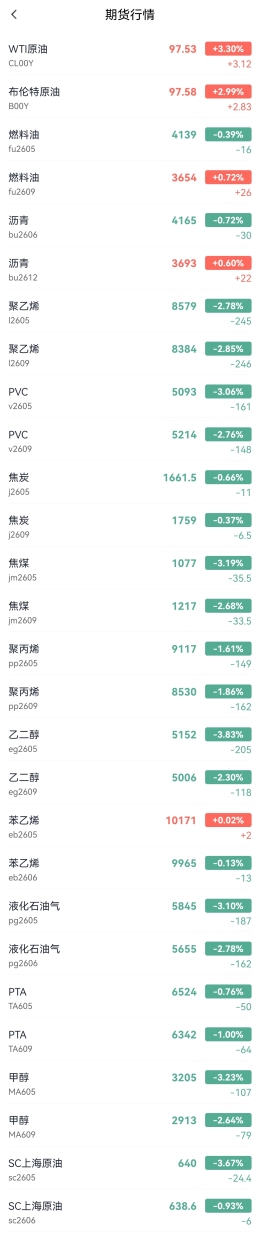
Middle East Tensions Escalate Again? U.S.-Iran Talks Collapse Before Starting, Crude Oil Volatility and Plastic Futures Retreat, Plastics Market Faces New Test
-
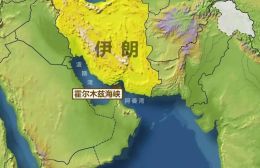
Deadly Impact: Hormuz Strait Blockade Sparks Shortage of Plastic Raw Materials, Threatening Shutdowns at Japanese and Korean Chemical Plants