Top Ten Personnel Changes in the Auto Industry: Insights into Industry Anxiety and Progress | Vision 2025
In 2025, the automotive industry is in the deep waters of electrification and intelligent transformation. As market competition shifts from "incremental expansion" to "survival of the fittest," and as the pace of technological iteration surpasses the speed of organizational adaptation, a series of personnel changes across the entire vehicle, technology, and components sectors is quietly unfolding. The appointment of a new president at Changan, Huawei's Yu Chengdong consolidating power, and GAC's market-oriented personnel changes are among the top ten shifts. These moves reflect not only the companies' "reluctant measures" in response to performance pressures but also their "struggling breakthroughs" to seize opportunities in the transformation race. Behind every executive turnover lies the code of corporate strategic restructuring and mirrors the industry's survival anxiety and growth aspirations in the face of a transformative wave.
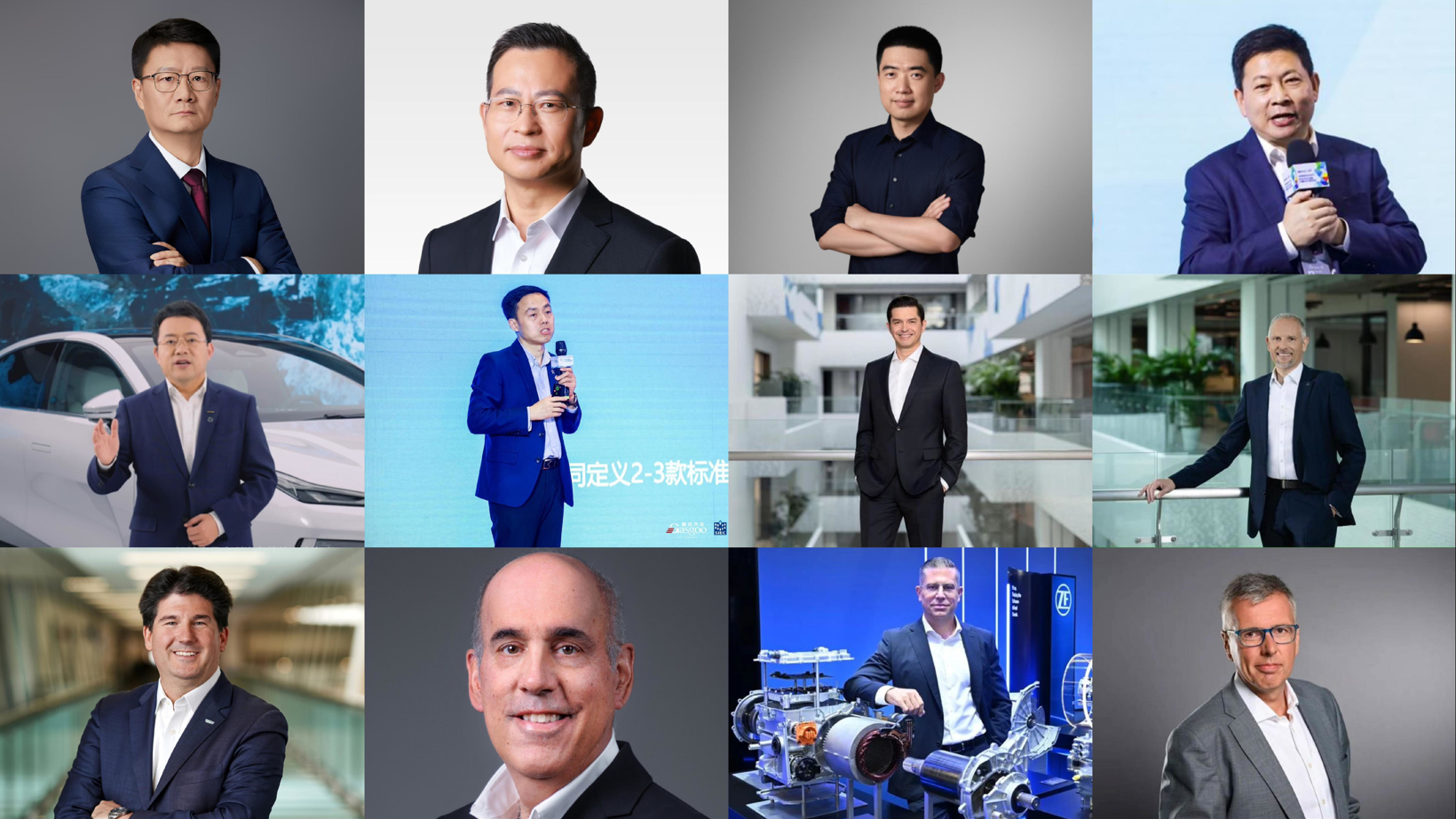
Geely Automobile: Major Management Reshuffle to Adapt to the "One Geely" Strategic Integration
On December 22, Geely Automobile Holdings Limited officially announced that it has completed the privatization and merger transaction with Zeekr. Following the completion of the transaction, Zeekr has become a wholly-owned subsidiary of Geely Automobile and has been delisted from the New York Stock Exchange. The completion of this transaction also marks the formal implementation of the previously disclosed management adjustment plan.
On May 15, Geely Automobile Holdings Limited disclosed the core management team adjustment plan at the 2025 first-quarter performance conference and the "One Geely" strategic integration plan briefing.
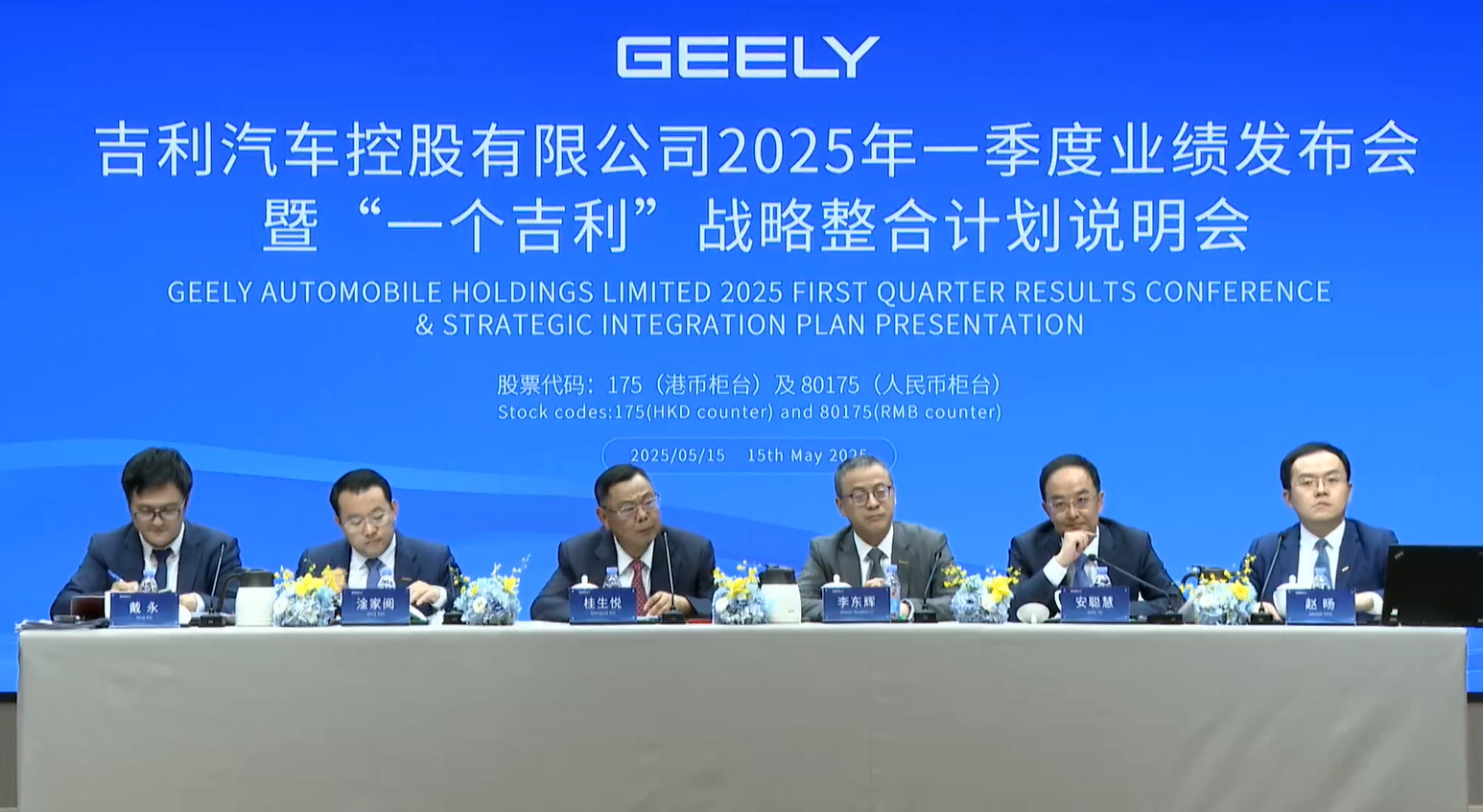
Image source: Screenshot of Geely's Q1 2025 performance briefing.
The adjustment began on May 7 when Geely announced its plan to acquire all issued shares of Zeekr Intelligent Technology. If the transaction is completed, Zeekr will achieve a complete merger with Geely Automotive, and the management adjustment is designed to accommodate this business integration need.
Core changes include: Li Donghui will be appointed as the Vice Chairman of Geely Holding Group, responsible for the daily management of the board and the group's investment and financing management; An Conghui will be appointed as the CEO of Geely Holding Group, fully responsible for the group's operations management, and will continue to serve as the CEO of Zeekr Technology Group until the merger is completed; Gui Shengyue will continue to serve as the Chief Executive Officer and Executive Director of Geely Automobile Holdings Limited; Gan Jiayue will be appointed as the CEO of the merged Geely Automobile Group, which will include the Geely Galaxy business group and Zeekr Technology business group, and he will also continue to serve as the Executive Director of Geely Automobile Holdings Limited. Additionally, to cultivate young versatile talents, Dai Qing has been appointed as the rotating President of Geely Holding Group on March 29, reporting to the Group CEO.
The core logic of this large-scale personnel adjustment is to serve the implementation of the "One Geely" strategy and the business synergy after the merger with Zeekr. As the automotive industry enters a period of deep integration, Geely has achieved comprehensive aggregation of core new energy assets through the acquisition of Zeekr, and urgently needs to establish a management structure with clear responsibilities and efficient collaboration.
From a subsequent impact perspective, this adjustment will thoroughly break down the management barriers between Geely and Zeekr, accelerating the collaborative reuse of core resources such as technology, channels, and supply chains, and enhancing the overall operational efficiency and market competitiveness of the group. The clear division of the two business groups will not only ensure Geely Galaxy's deep cultivation in the mainstream new energy market but also assist Zeekr in making breakthroughs in the high-end smart segment. The establishment of a young rotating president will promote the innovation and iteration of management concepts, enhancing the company's flexibility in responding to industry changes.
This adjustment profoundly reflects the organizational optimization approach of leading independent car companies during the strategic integration period. When companies enter a stage of multi-brand and multi-business coordinated development, achieving efficient resource allocation through precise management division becomes key to enhancing core competitiveness. Meanwhile, against the backdrop of accelerated industry transformation, proactively establishing a young management talent pipeline has also become an important strategic choice to ensure long-term development for enterprises.
Changan Automobile: Zhao Fei Takes Over as President, Ending Vacancy and Stabilizing Transformation
On December 13, Changan Automobile officially announced the appointment of Zhao Fei as the company's president, with the term lasting until the end of the ninth board of directors, thereby officially ending the vacancy of the president position that had lasted for several months since Wang Jun's departure in April this year. Following this appointment, Zhao Fei holds multiple positions, including Deputy Secretary of the Party Committee, Director, and President of Changan Automobile, as well as Deputy Secretary of the Party Committee, Director, and General Manager of China Changan Automobile Group Co., Ltd.

Zhao Fei; Image source: Chang'an Automobile
The core of this appointment stems from the critical period of Changan Automobile's transition to new energy and capital operations. 2025 marks the founding year of the "New Changan" Group, with intensive capital actions such as Avatr preparing for listing and Deep Blue Automobile increasing capital and expanding shares, urgently requiring a stable and experienced management team to coordinate the overall situation.
Zhao Fei has been deeply involved in the automotive industry for nearly thirty years, having served in numerous positions including Assistant to the President of Changan Automobile, Director of Strategic Planning, Executive Vice President of Changan Ford, and President and Chairman of China Changan Automobile Group Co., Ltd. His experience and background precisely align with Changan's strategic needs for building three intelligent digital new energy brands and striving for the production and sales targets for 2030.
In the short term, this appointment will quickly fill the management gap, strengthen the continuity of strategic execution, and provide stable management support for capital operations. In the long term, Zhao Fei's deep understanding of the Changan system will accelerate internal resource integration, promote the synergistic development of the Avita, Deep Blue, and Changan Qiyuan brands, and aid Changan's transformation from a traditional manufacturing group into a diversified business cluster.
This personnel adjustment also reflects the employment logic of central automotive enterprises during the deepening reform period—relying more on "internal senior personnel" to stabilize the situation during critical transition periods. Against the backdrop of soaring penetration rates of new energy and intensified industry competition, central automotive groups urgently need compound management talents who understand both traditional manufacturing and new energy transitions to solidify the foundation for transformation.
Huawei Terminal: Richard Yu Takes Full Charge, Focuses on "Smartphone + Automobile + AI" Core Battlegrounds
On December 12, Huawei Terminal Co., Ltd. completed its business registration changes, with Yu Chengdong officially taking over as Chairman, and the former Chairman Guo Ping stepping down. Core executives like Meng Wanzhou also exited the board. This adjustment included management optimization, with Wei Chengmin appointed as the legal representative and Vice Chairman, forming a new management team focused on front-line business. Coupled with his role as the Director of the Product Investment Review Board (IRB) since late September, Yu Chengdong now fully oversees the three core battlegrounds of "smartphones + automobiles + full-scenario AI," establishing comprehensive control over "strategic direction + resource allocation + business execution."
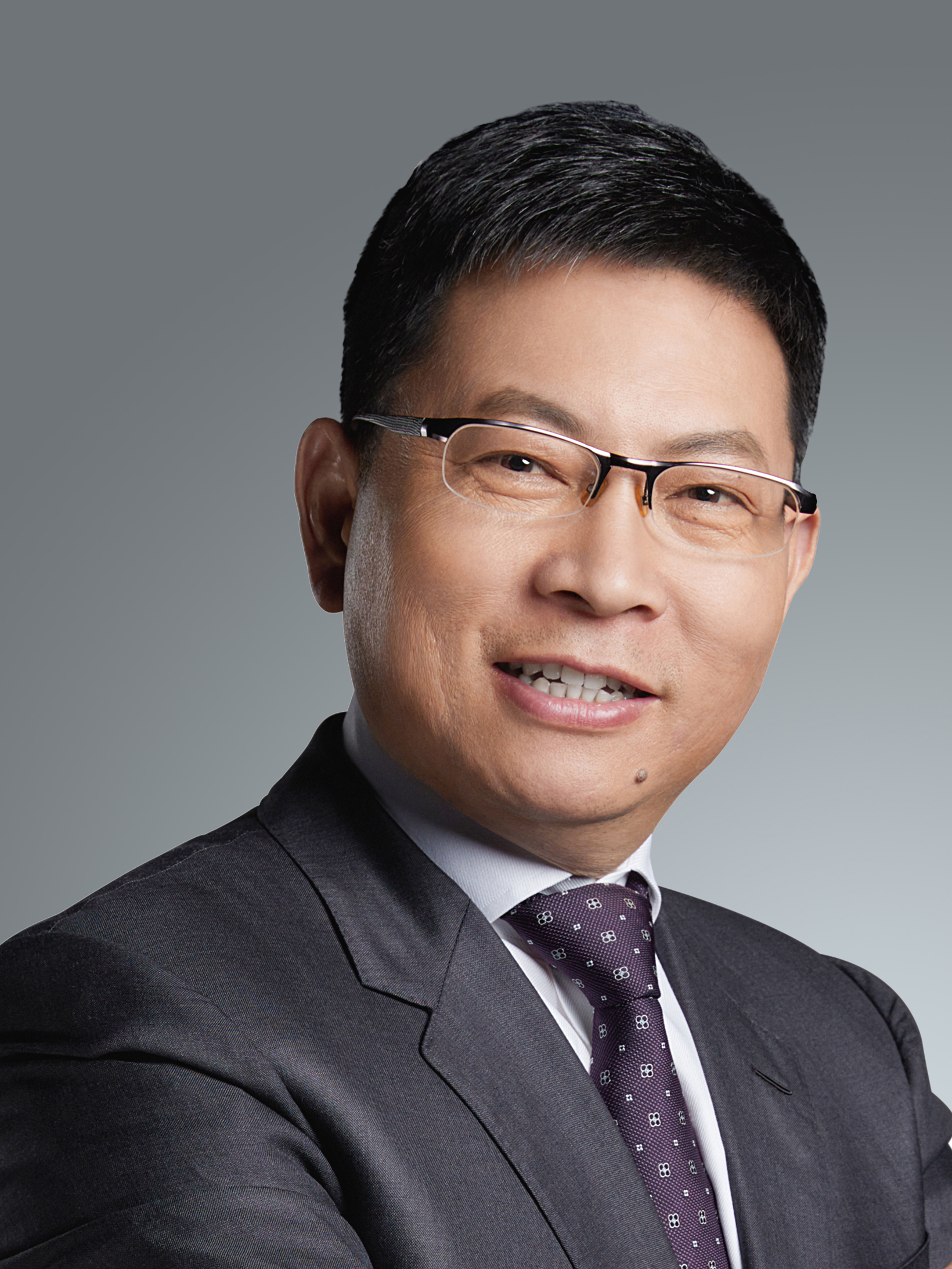
Yu Chengdong; Image source: Huawei
This adjustment essentially reflects Huawei's strategic plan to strengthen core business synergy and enhance decision-making efficiency. As smart cars become the main competitive arena for tech companies, Huawei needs to break down internal business barriers and achieve centralized resource scheduling. Richard Yu, who has experience in managing both consumer electronics and automotive businesses, previously led the successful Huawei Smart Selection Car model. This consolidation of power aims to drive deep integration of the "All-Scenario AI" strategy with the automotive business, capturing the high ground in smart connected vehicles.
This move is expected to bring significant impact, accelerating the ecological synergy of Huawei's phones, cars, and smart devices, enhancing the efficiency of core resources being tilted towards the automotive business, and strengthening Huawei Smart Selection Cars' technological advantages in the fields of intelligent cockpits and autonomous driving. However, excessive centralization may also increase internal decision-making risks, posing higher demands on Yu Chengdong's strategic judgment abilities.
This phenomenon also highlights the trend of "centralization" in the layout of smart car businesses by technology companies. In the rapidly evolving and highly competitive field of smart cars, decentralized decision-making has become difficult to adapt to the pace of change. Centralizing core talent to coordinate key business operations has become an important choice for technology companies to deepen their engagement in the smart car sector and enhance their competitiveness.
General MotorsCar China:John Ross takes over.,Strengthen the synergy between the Chinese market and global exports.
General Motors announced that starting December 1, Cadillac Global Vice President John Roth will become the President of General Motors China. The former President Steve Hill will transition to the newly established position of Senior Vice President of Global Export and Retail Innovation for the group.
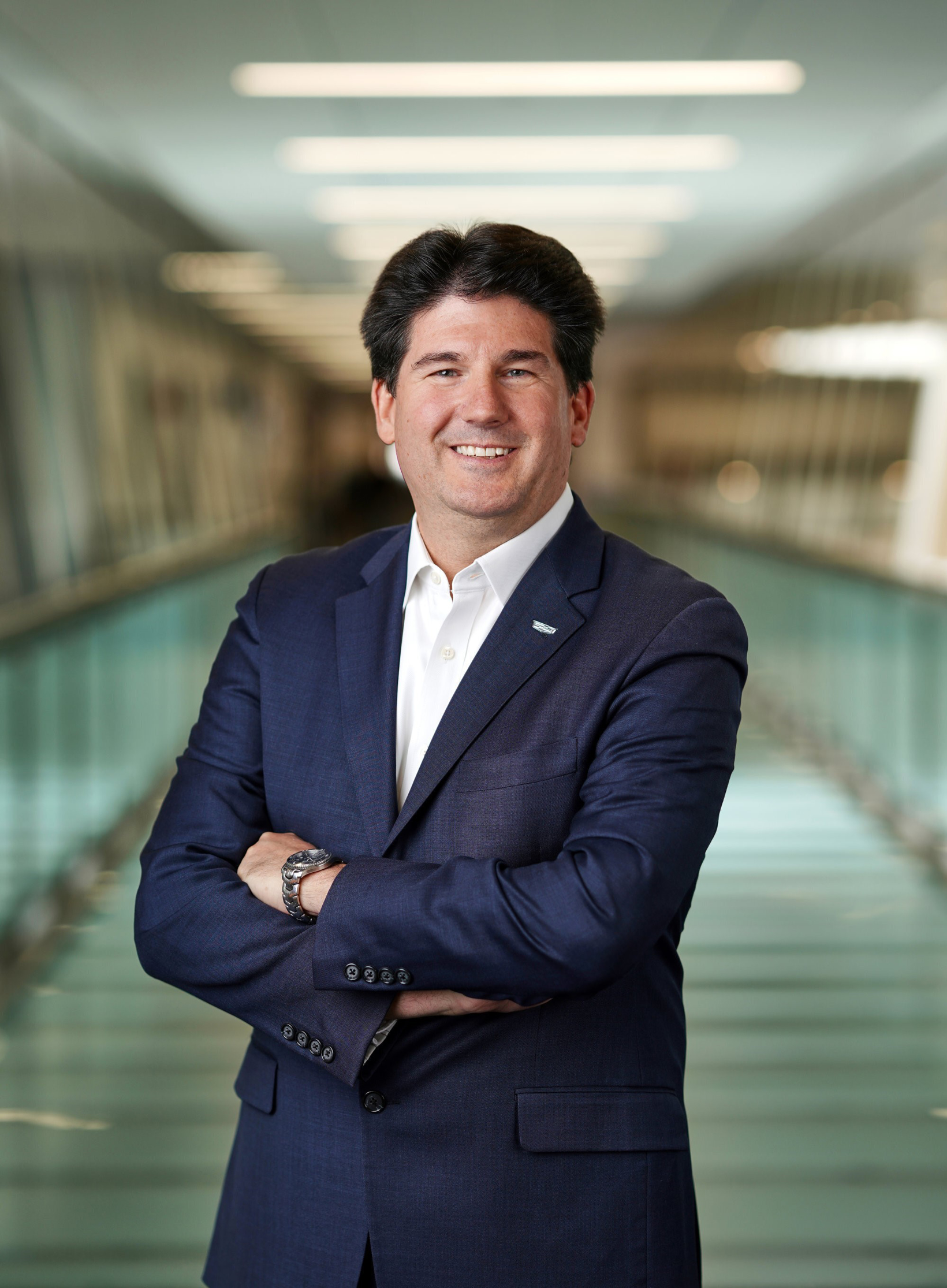
John Roth; Image source: General Motors China
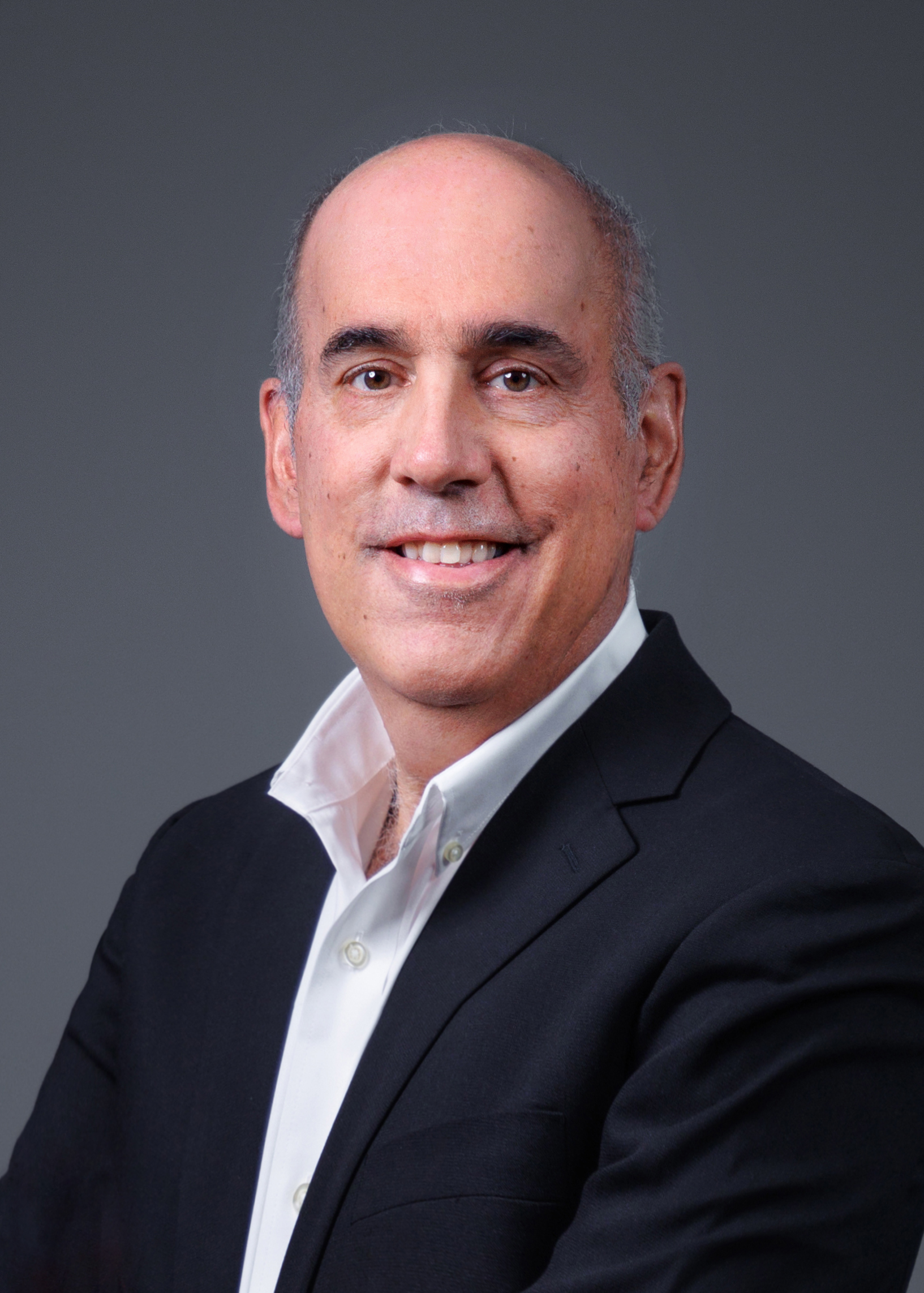
Stephen Hill; Image Source: General Motors China
The leadership change is based on the strategic importance of the Chinese market and the need for global business collaboration. During his tenure, He Siwen led GM China to achieve profitability for four consecutive quarters, becoming the only foreign automaker to increase market share by 2025. His sales and marketing experience is well-suited to the new global export business needs. Ross, who has worked at GM for 34 years, previously led the revitalization of the Cadillac brand, taking it to the top of the luxury electric vehicle sales charts. He has experience in brand management and collaboration with partners, and GM expects him to promote the ongoing development of its new energy business in China.
Looking ahead, Ross is expected to further strengthen Cadillac's advantage in the luxury new energy market in China, driving the transformation and deepening of GM's business in China. The global export business led by He Siwen is expected to help convert the export advantages of joint ventures like SAIC-GM-Wuling into global competitiveness for the group. This adjustment will overall enhance the synergy between GM's China and global operations.
This change also highlights the increased emphasis that multinational car companies are placing on the Chinese market. In the global automotive industry's shift towards electrification, the Chinese market has become the "strategic core" for multinational car companies. Appointing executives with experience in transforming luxury brands to lead the way has become a key strategy for capturing the Chinese new energy vehicle market.
Freyr Hera: Appoints New CEO, Focuses on Global Growth and Innovation
On November 17th, the Freudenberg Sealing Technologies Shareholders' Committee announced the appointment of Dr. Peter Laier as the next Chief Executive Officer (CEO), effective February 15, 2026; the current CEO Bernard Schäferbarthold will remain in position until the transition. Peter Laier previously served as a member of the Board of Management at ZF Group.
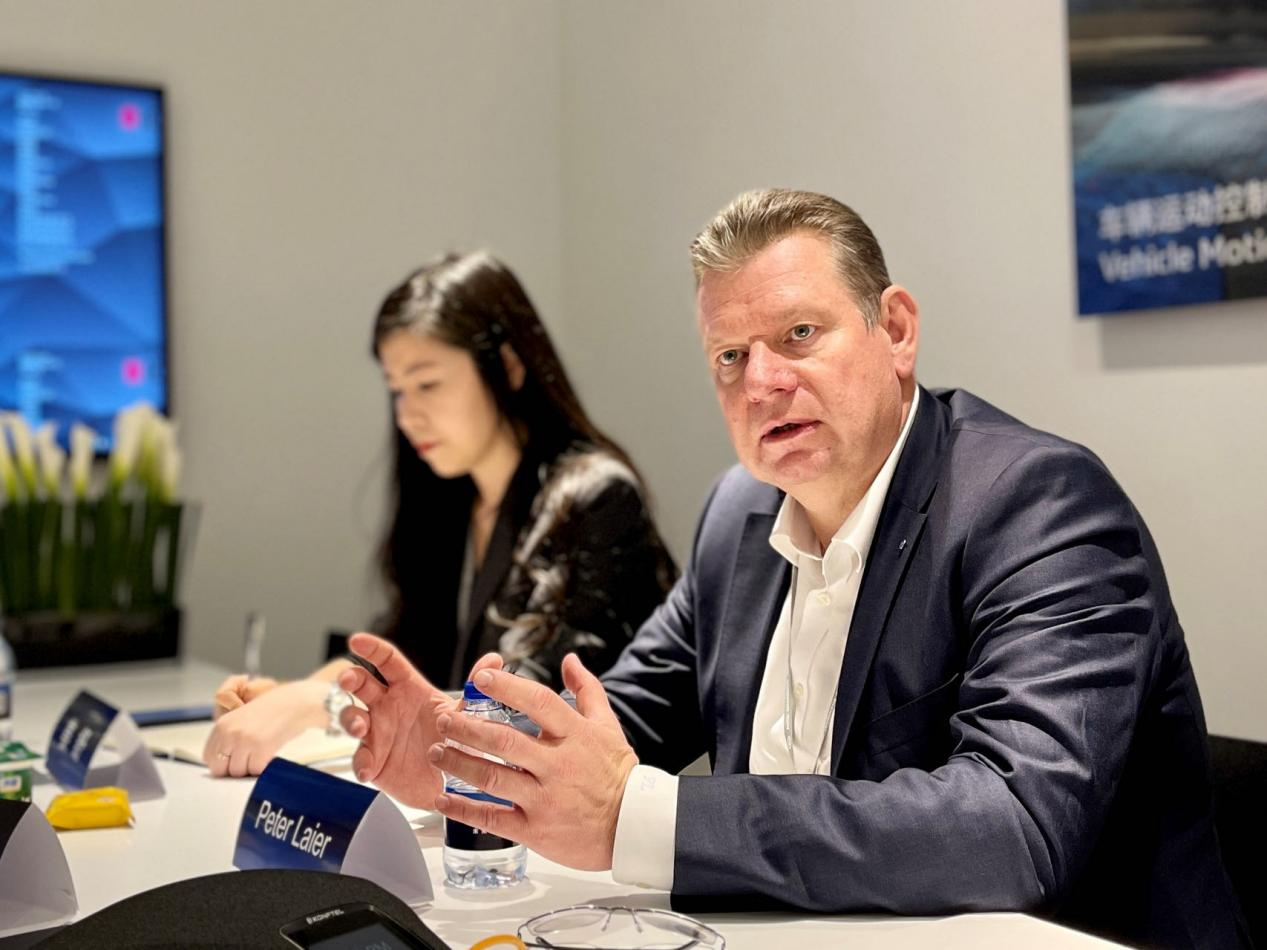
Peter Laier; Image source: ZF Friedrichshafen AG
FUREIA Hella stated that Peter Laier brings deep global perspective, strategic thinking, and highly relevant expertise in both existing business markets and future growth markets yet to be explored by FUREIA Hella, believing that he will drive further growth and success for the company.
This appointment is expected to accelerate the technological research and market expansion of Forvia Hella in the fields of new energy vehicle electronics and smart lighting, and strengthen global business synergy. Relying on Peter Laier's grasp of industry trends, it is expected to help the company precisely position future growth avenues and enhance its competitiveness in the global components market.
This also reflects the upgraded talent demand of auto parts companies during the transformation period. As vehicle manufacturers transition towards electrification and intelligence, auto parts companies urgently need core management talents with a global perspective, technical insights, and resource integration capabilities to meet the upgrading needs of the industry chain.
GAC Group: He Xianqing Takes Over as General Manager, Market-Based Transition Strengthens Global Competitiveness
On November 16, GAC Group officially appointed He Xianqing as General Manager, Wang Dan as Chief Accountant, and Gao Rui, Chen Jiacai, and three others as Deputy General Managers through a board resolution. The former General Manager, Feng Xingya, will no longer serve in that role but will continue to act as Chairman and Chairperson of the Board's Strategic Committee. This adjustment marks the third team change since the implementation of the professional manager system in 2018.
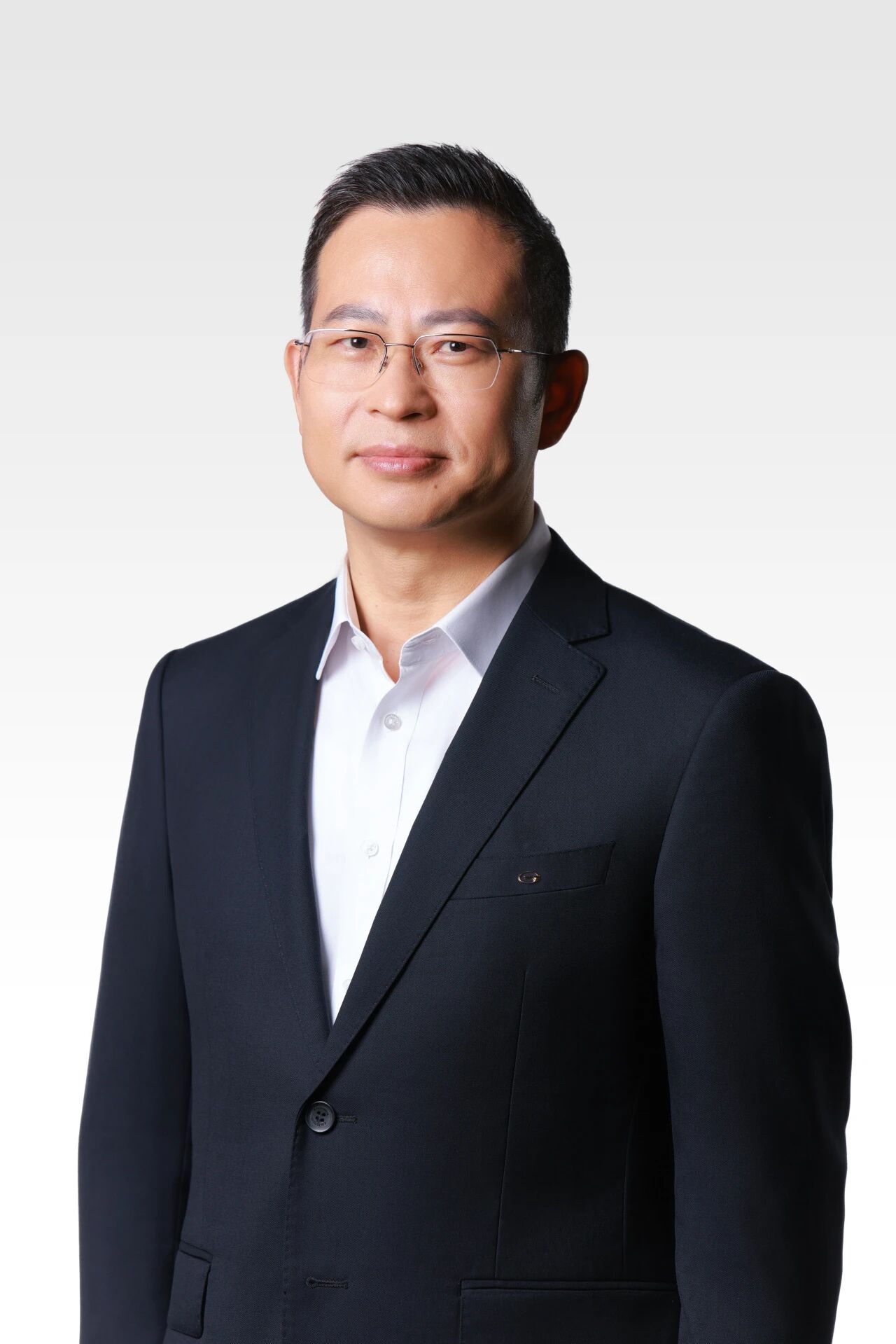
He Qianqing; Image source: GAC Group
The core behind this personnel adjustment is driven by the dual needs of deepening market-oriented reforms and advancing the globalization strategy. By 2025, competition in the automotive industry will shift from scale expansion to user value competition. GAC needs to improve operational efficiency through the "market-oriented recruitment and contractual management" of the professional manager system. Introducing Chen Jiacai, who previously served as a senior executive in charge of overseas business at Seres and Chery, is precisely to implement the "ONE GAC 2.0" globalization strategy and form synergy with the "Panyu Action" transformation plan. Additionally, GAC is opening more than 30 high-end positions within the year, and this reshuffling is also a key measure to optimize talent structure and strengthen frontline business control.
After the new management team is in place, GAC will further promote the transition from strategic control to operational control by restructuring organizational processes through management systems like DSTE and IPD. The addition of Chen Jiacai is expected to accelerate the expansion into overseas markets and enhance the global share of independent brands, while the deepening of the professional manager system will strengthen the company's market vitality and help address the pressure of transitioning to new energy.
This adjustment also reflects the direction of organizational innovation for state-owned enterprises during the critical period of transformation in the automotive industry. By breaking the constraints of the system through a market-oriented personnel mechanism and integrating internal core talent with external professional forces, it has become an inevitable choice for state-owned enterprises to enhance their core competitiveness.
Ideal Auto: Li Xiang directly oversees human resources, organizational adjustments, and corrective direction.
Around November 12th, Li Auto announced the integration of the "Organization Department" and "Human Resources" into a new Human Resources Department, which will be incorporated into the Product and Strategy Group. Li Auto veteran Yang Haishan will be responsible for the new department, reporting directly to CEO Li Xiang. This adjustment coincides with the departure of the former head of Human Resources, Yuan Chunfeng, and the departure of Huawei-affiliated executive Li Wenzhi.
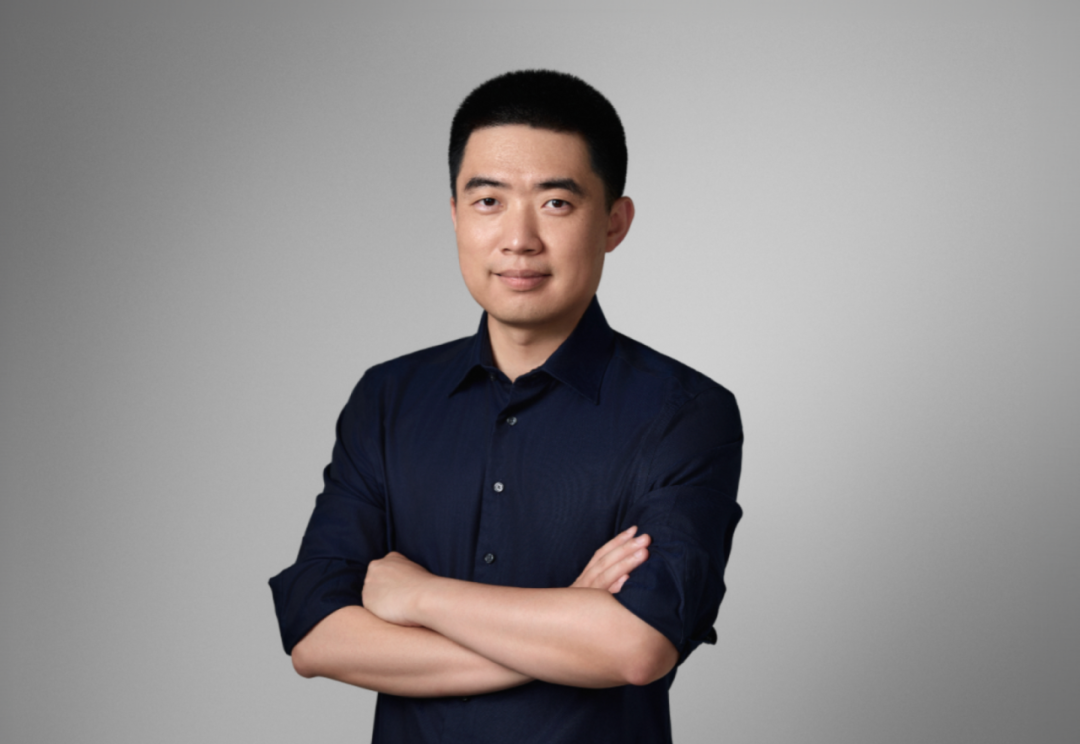
Li Xiang; Image source: Li Auto
The root of this organizational adjustment lies in the "incompatibility" experienced by Li Auto after learning from Huawei's PBC performance model. Although the introduction of the PBC model by Li Wenzhi in 2023 showed significant short-term effects, it subsequently led to malignant competition within the sales team and market misjudgments regarding pure electric models. In July 2025, after Li Auto resumed the OKR model, there was an urgent need for organizational adjustments to streamline the management system. Li Xiang directly managing human resources was primarily to seize the initiative in organizational structure adjustments, ensuring that the management model aligns with the company's strategy and enhances decision-making efficiency.
From the expected outcomes, this adjustment will simplify management processes, strengthen the collaboration between strategy and human resources, and prevent the performance model from deviating again. Yang Haishan, as a veteran familiar with the corporate culture, is expected to help establish a more suitable management system. However, with Li Xiang directly managing five departments, there are higher demands on his allocation of energy.
This phenomenon also reflects the organizational adaptation dilemma faced by new automotive companies during rapid development. When externally borrowed management models conflict with the actual situation of the company, it becomes an important means for core founders to personally intervene in adjusting the organizational structure, correcting the direction of transformation, and enhancing operational efficiency.
ZF: Termination Ke Haozhe contract, internal leadership change promotes restructuring and transformation.
On September 11, ZF announced the termination of its existing contract relationship with the Group's Chairman of the Board and CEO, Holger Klein, who will leave his position on September 30, 2025. Starting from January 2025, Mathias Miedreich, who will serve as a member of the ZF Group's Board and head the Electric Drive Transmission Technologies Division, has been appointed as the new Chairman of the Group.

Mathias Miedreich; Image source: ZF
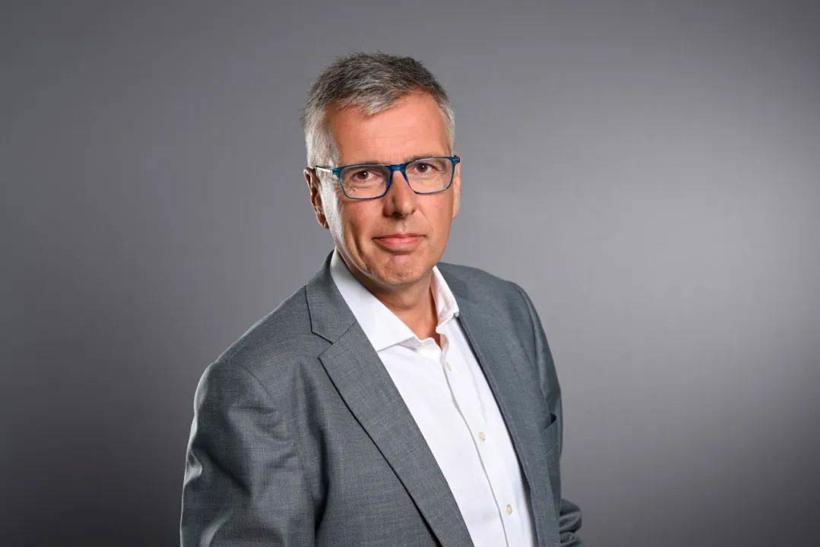
Holger Klein; Image Source: ZF
The recent executive changes at ZF may be related to the company's financial pressures and internal operational challenges. In the first half of 2025, ZF's sales fell by 10.3% year-on-year, resulting in a net loss of 195 million euros. The layoff plan implemented to address this crisis triggered mass protests, with over ten thousand employees expressing dissatisfaction with the management and calling for the board's resignation. Some viewpoints suggest that these issues laid the groundwork for Kohler's departure. By choosing internal executive Midley to take over, ZF is likely hoping to leverage his extensive industry experience and restructuring capabilities to accelerate the company's transformation and stabilize the internal situation.
After taking office, Meidlaichi will continue to promote ZF's restructuring strategy, focusing on core businesses such as electric drive technology to enhance profitability. The internal succession approach helps maintain strategic continuity and alleviate employee dissatisfaction; however, the challenges of industry downturns and transformation pressure that the company faces are unlikely to be resolved in the short term, and the effectiveness of the restructuring remains to be seen.
This phenomenon highlights the survival pressure faced by component manufacturers during the industry's transformation period. The sluggish global automotive market, coupled with increased investments in electrification, has led to widespread profitability challenges for component companies. It has become a norm for management to be forced to adjust due to poor performance, making executives who focus on core business operations the "lifeline" for the company's transformation.
Volkswagen China: Qi Zekai Takes the Helm, Deepening Product Localization Strategy
On June 11, Volkswagen announced that starting from July 1, 2025, Dr. Robert Cisek will serve as the CEO of Volkswagen Passenger Cars China and Group Executive Vice President for China, succeeding Meng Xia, who will be appointed as the Chairman of the Management Board of Volkswagen Commercial Vehicles.
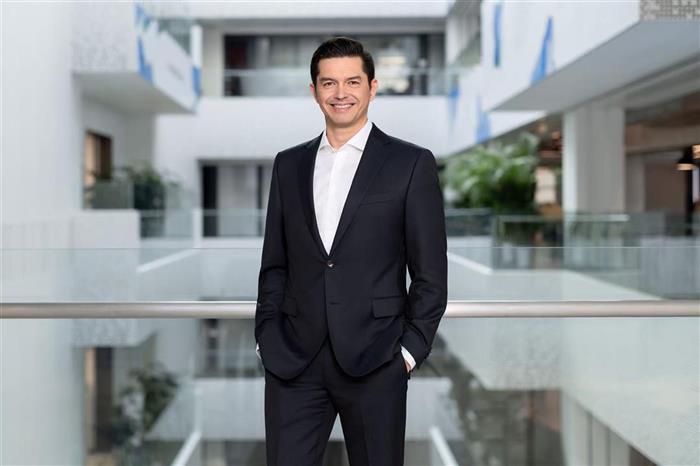
Qi Zekai (Robert Cisek); Image source: Volkswagen
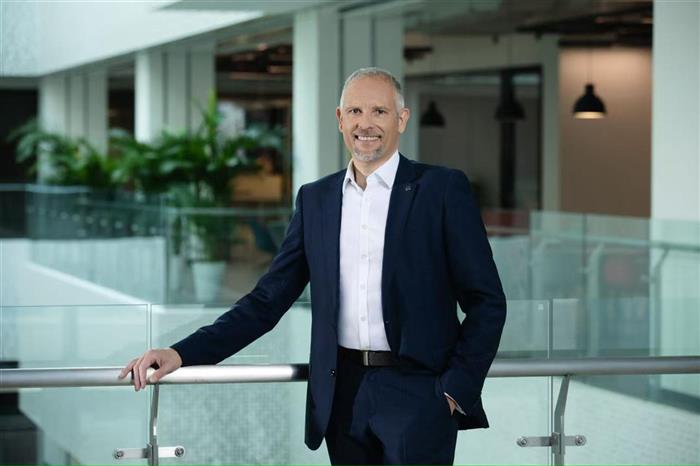
Meng Xia (Stefan Mecha)Image source: Volkswagen
In the decisive phase of transformation, this appointment aims to ensure the continuity of the "In China, For China" strategy implementation. According to Volkswagen, Ralf Brandstätter has been appointed as the Head of Product and Strategy for Volkswagen Group China effective January 1, 2025, and has made key contributions to the product planning and other work of the Volkswagen brand in the Chinese market.
Ralf Brandstätter, Chairman and CEO of Volkswagen Group China, stated that Stefan Mecha has quickly established close cooperation with the Chinese market and joint venture partners, laying an ideal foundation for his new role. At a decisive stage of the company's transformation, Volkswagen hopes to ensure the stability of its brand management through this appointment and promote the continued implementation of its strategy in China.
This also reflects the employment logic of multinational automakers deeply rooted in China—during the critical phase of transformation, there is a greater emphasis on ensuring the continuity and stability of strategic implementation through appointments of core management. Qizheke's ability to quickly adapt to the Chinese market and drive business implementation in a short period, along with the role of this appointment in supporting the "In China, for China" strategy, confirms that multinational companies focus more on "strategic adaptability" and "business advancement" when selecting and employing personnel in China, in order to better respond to the rapidly changing market environment.
NIO LeDao: Ai Tiecheng steps down, Shen Fei takes over to boost sales.
On April 2nd, Ai Tiecheng announced his resignation and will no longer serve as the President of Le Tao Auto and Senior Vice President of NIO, admitting that he hadn't been able to match the sales of Le Tao L60 with its product strength. Subsequently, NIO appointed Shen Fei, the former head of the energy business, as the new President of Le Tao, responsible for sales and regional management, reporting to Qin Lihong. Meanwhile, Le Tao's R&D and supply chain departments will report to Li Bin, and the marketing system will report to Qin Lihong.
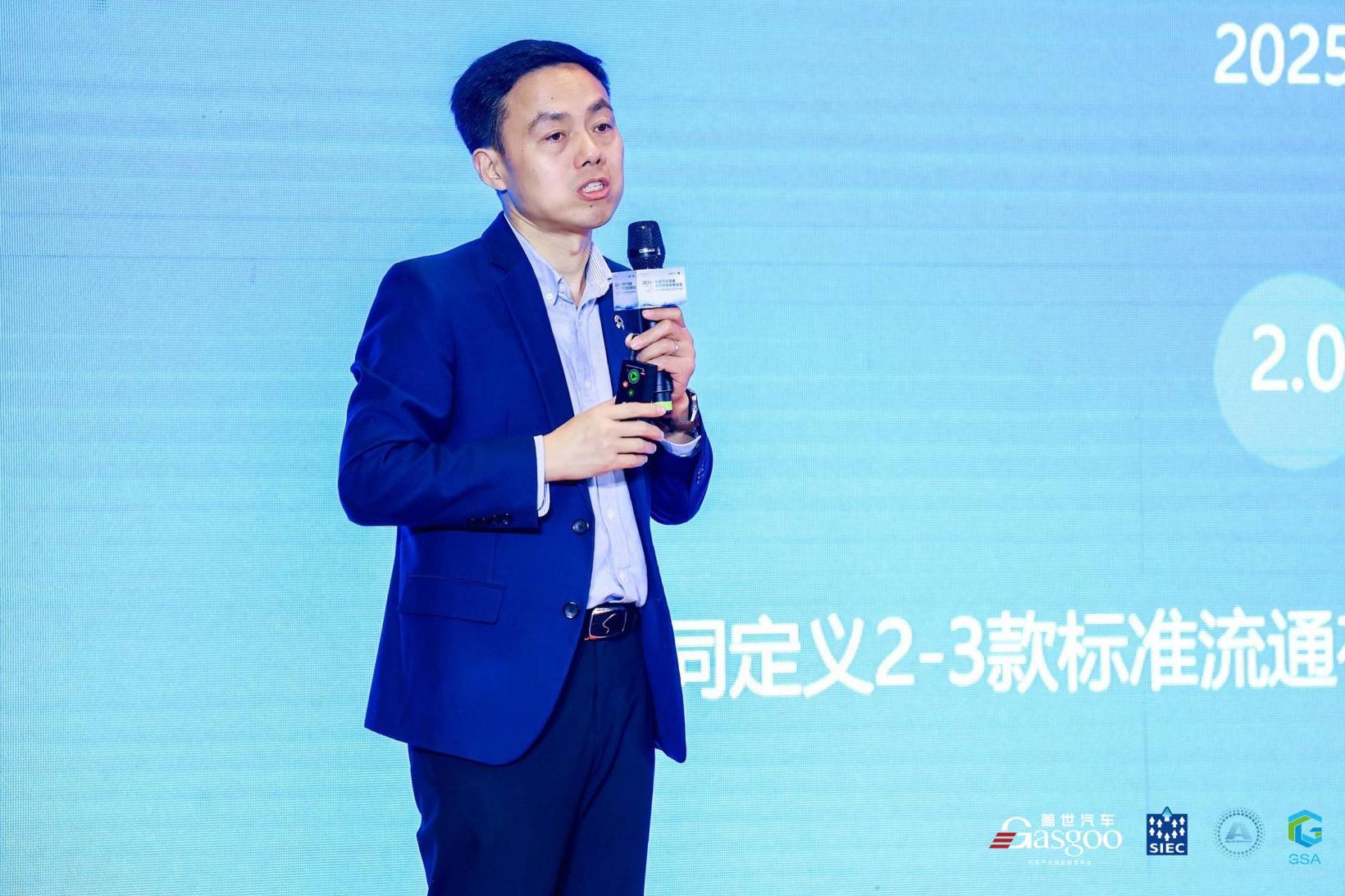
Shen Fei; Image source: Gasgoo Auto
The direct trigger for this personnel change was the performance pressure due to the unsatisfactory sales of the Leda brand. As a new brand under NIO, the Leda L60 has outstanding product capabilities, but it previously fell into a sales slump, and its market performance did not meet expectations. There is an urgent need for high-level executives with strong execution capabilities to turn the situation around.
As one of the early core members of NIO, Shen Fei built the world's largest battery swapping network from scratch, demonstrating outstanding team management and resource integration capabilities. His appointment is a key measure for NIO to tilt core management resources towards Ledo and to strive for a sales breakthrough. The deep involvement of Li Bin and Qin Lihong can further strengthen resource coordination, providing solid support for sales growth. Judging from the reversed sales performance of Ledo so far, this decision has indeed proven to be remarkably effective.
This phenomenon also provides important insights for the development of new force sub-brands: In the context of fierce competition in the new energy market, high-quality product strength is fundamental, while the precise allocation of core management talents, a strong marketing system, and resource support are key to achieving brand breakthroughs.
Conclusion: Behind the personnel upheaval lies the inevitability and steadfastness of transformation in the automotive industry.
In 2025, the top ten personnel changes in the automotive industry may seem like isolated corporate decisions, but they actually outline the survival landscape during the industry's transition period. From stable transitions in state-owned enterprises to centralized breakthroughs in tech companies, from organizational corrections in new forces to deep localization in multinational corporations, each leadership change revolves around the three core themes of "electrification, intelligence, and globalization." Against the backdrop of the penetration rate of new energy exceeding half and the accelerated popularization of assisted driving, competition among enterprises has extended from the product level to a battle of organizational capabilities and talent reserves.
In these personnel adjustments, there are both "reluctant moves" in response to performance pressure and "strategic choices" for actively laying out the future; there is both trust in internal senior talent and a desire for external professional expertise. Behind this is the struggle and persistence of the entire automotive industry amid the waves of transformation—struggling with performance pressure and organizational adaptation challenges during the painful transition, while remaining committed to a long-term optimism about the future mobility track and the continuous development of core competitiveness.
In the future, as the industry transformation enters deep waters, personnel adjustments will continue to be the norm in the automotive sector. Only those companies that can accurately match strategic needs and quickly integrate internal and external resources will be able to stand firm in this life-and-death struggle and ultimately lead the development direction of the future automotive industry.
【Copyright and Disclaimer】The above information is collected and organized by PlastMatch. The copyright belongs to the original author. This article is reprinted for the purpose of providing more information, and it does not imply that PlastMatch endorses the views expressed in the article or guarantees its accuracy. If there are any errors in the source attribution or if your legitimate rights have been infringed, please contact us, and we will promptly correct or remove the content. If other media, websites, or individuals use the aforementioned content, they must clearly indicate the original source and origin of the work and assume legal responsibility on their own.
Most Popular
-
Breakthrough! 13.6-million-ton new giant emerges as world’s fourth-largest polyolefin producer, reshaping industry landscape
-

Domestic PBE Breakthrough, Polyolefin Modification Industry to Break the Impasse
-

BASF Delivers First Batch of Innovative Cathode Materials for Semi-Solid-State Batteries to Weilan New Energy
-
Deadly Impact: Hormuz Strait Blockade Sparks Shortage of Plastic Raw Materials, Threatening Shutdowns at Japanese and Korean Chemical Plants
-
Massive Loss of $960 Million! Wansheng Co., Ltd. Sees Rising Revenue But Declining Profits—Why Did the Phosphorus-Based Flame Retardant Leader Falter?