



Strait of hormuz fully blocked, masterbatch industry supply chain faces pressure warning
According to the latest report from Xinhua News Agency, on June 11 local time, the Iranian Armed Forces announced that the Strait of Hormuz would be closed starting immediately, prohibiting all vessels from passing through. Any vessel violating the ban will be designated as a target for attack.
Meanwhile, geopolitical conflicts in the Middle East continued to escalate. On June 10, the U.S. military carried out strikes on multiple military targets in southern Iran, while Trump also convened a special meeting to discuss subsequent military operations against Iran, sharply increasing uncertainty in the regional situation. In addition, radar facilities at a U.S. military base in northern Iraq were attacked, further intensifying the confrontation between the two sides.
On the morning of June 11, international oil prices continued to rise, with WTI crude oil futures surging sharply. As of 7:00 Beijing time, they were up 3.79%, trading at $93.44 per barrel.
The Strait of Hormuz is a core global transportation route for energy and petrochemical feedstocks, carrying a large share of the world’s crude oil, naphtha, and other basic chemical raw materials. These feedstocks are key upstream raw materials for masterbatch production, and the current shipping restrictions will have an indirect and sustained impact on the masterbatch industry.
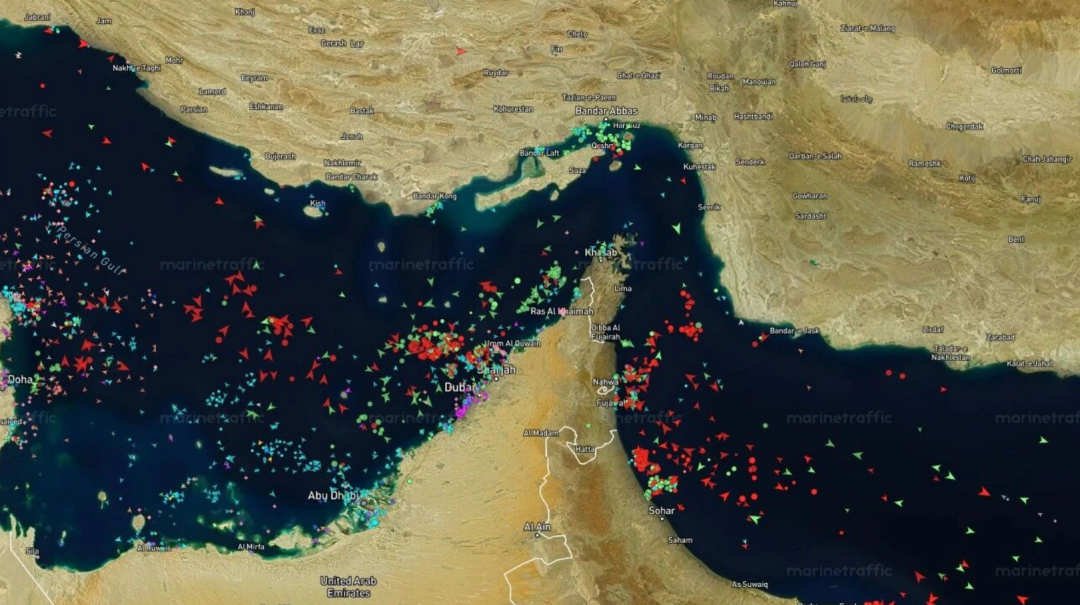
In the short term, disruptions to strait shipping may delay the arrival of imported petrochemical raw materials and slightly increase maritime logistics and insurance costs. Coupled with fluctuations in international oil prices, this is likely to gradually drive up the cost of raw materials for color masterbatch production and squeeze corporate profit margins.
At the same time, the lengthening of the raw material transportation cycle may result in tight raw material inventories for some small and medium-sized manufacturers, affecting the stability of production scheduling.
We hereby remind all masterbatch enterprises to closely monitor the situation in the Middle East as well as international raw material and ocean freight price trends, reasonably stock up on commonly used raw materials, optimize production and shipment plans, exercise caution when signing long-term low-price orders, avoid operational risks arising from short-term cost fluctuations, and maintain steady control over the pace of production and business operations.
【Copyright and Disclaimer】The above information is collected and organized by PlastMatch. The copyright belongs to the original author. This article is reprinted for the purpose of providing more information, and it does not imply that PlastMatch endorses the views expressed in the article or guarantees its accuracy. If there are any errors in the source attribution or if your legitimate rights have been infringed, please contact us, and we will promptly correct or remove the content. If other media, websites, or individuals use the aforementioned content, they must clearly indicate the original source and origin of the work and assume legal responsibility on their own.
Most Popular
-

A Look at the Material Suppliers Behind SpaceX
-

Government's Triple Action, Enterprises' Three Arrows in Five Days, Semiconductor Reshuffle! What Signal Does Japan's Chemical Industry Release?
-
Name change without tax change: POM Anti-Dumping Duty Rate Inheritance Implemented
-
Global Chemical Giants Accelerate Production Capacity Restructuring, Dow and Celanese Optimize Global Industry Layout
-
Fire breaks out at jiangsu meiside!


