



Standard Components or Customized Parts: Which Is More Competitive in Pneumatic Conveying Systems?
In today's fast-paced industrial sector, pneumatic conveying systems have become indispensable tools for the efficient transport of bulk solid materials in various industries such as petrochemicals, food, agriculture, mining, chemicals, and plastic processing. They are crucial for enterprises to streamline operations, ensure minimal material loss, and reduce operational downtime. However, the components that make up these systems have a decisive impact on their overall efficiency and performance.
In the current environment of intense competition and "involution" in the market, it is often debated whether pneumatic conveying system suppliers should choose off-the-shelf standard components or customized components in order to provide more competitive solutions. Understanding the challenges of using standard components is crucial for any supplier aiming to optimize conveying system solutions. Although using standard components may initially seem like a simple and cost-effective solution, they often come with inherent limitations that can affect system performance and lifespan. This article will discuss the impacts of customized components versus standard components on pneumatic conveying systems and how the choice of components can significantly enhance efficiency and achieve long-term cost savings.
Standardized components or customized components?
One of the main challenges of using off-the-shelf standard components is their adaptability to different application scenarios. Each bulk solid material has its uniqueness and generally requires specific handling techniques. For example, fine powders and larger particle materials require different conveying methods to avoid clogging or degradation issues during transportation. Off-the-shelf standard components are fundamentally designed for general use and may sometimes fail to meet the specific needs of different bulk solid materials.
In some applications, not using customized components can lead to inefficiencies in the delivery process, making it difficult for companies to maintain stable and reliable operations. Furthermore, failing to meet unique requirements may exacerbate wear on internal components, shortening the lifespan of both the components and the entire system. Additionally, the lack of customized solutions may force users to frequently perform maintenance and repairs on the system, resulting in longer downtime and decreased productivity.
Characteristics of Off-the-Shelf Standard Components
Blockage and System Failure
Improper installation of system components may lead to blockages, malfunctions, and costly production interruptions. Without the appropriate equipment, the system is difficult to operate efficiently.
Maintenance costs
Standard components, although initially lower in procurement cost, may lead to increased maintenance expenses over time. Since they are not customized for specific application requirements, standard components often require more frequent repairs and replacements due to higher wear and tear.
Operating costs are rising.
The aforementioned issues significantly raise operational costs, requiring ongoing maintenance and troubleshooting. This cycle not only increases the financial burden but also consumes additional time and resources from the team to address recurring problems. Over time, these challenges can offset the cost savings initially achieved by adopting standard components and lead to growing frustration for the maintenance team, as they often have to resolve recurring issues. This pressure on resources and morale highlights the importance of ensuring that equipment is suitable for specific applications to prevent long-term problems.
The value of customized component solutions
Understanding customer needs
Suppliers providing pneumatic conveying system solutions have significant advantages when collaborating with customers because they can understand the unique needs of different bulk solid materials and their impact on customer applications. By fully considering the characteristics of the customer's raw materials, they can ensure the provision of components that best meet the customer's needs.
Case Study Sharing
A renowned food ingredient manufacturer in the Midwest United States, known for its strict adherence to food production quality standards, faced a series of challenges in its starch production process. The manual hose replacement procedure was inefficient, time-consuming, and posed safety risks to workers. Frequent manual switching increased fatigue and the risk of accidents. Additionally, the system had cross-contamination risks, jeopardizing the company's quality standards. Recognizing the necessity for a customized component solution, the company customized and introduced a multi-port diverter valve from Vortex in the United States, which allows for automatic switching of materials or production lines without downtime (or manual hose change when needed). This technological solution simplified operations, significantly reduced downtime, and enhanced worker safety by minimizing dangerous manual interventions. Furthermore, it maintained hygiene standards by eliminating the risk of cross-contamination, thereby improving productivity and operational efficiency.
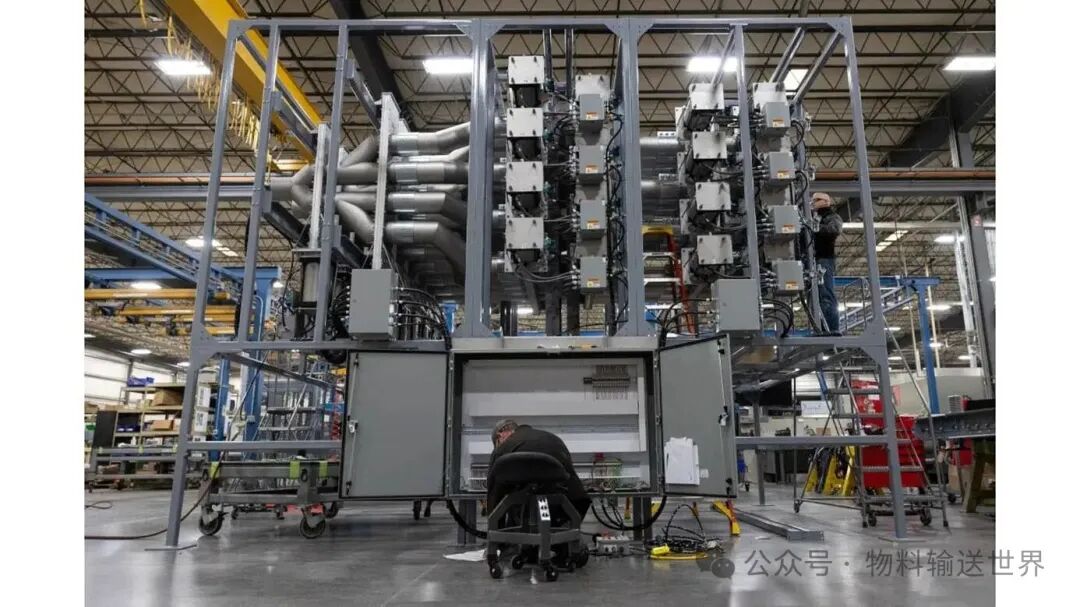
Source 2: Multi-port diverter valve assembly before shipment (Vortex USA)
The Importance of Choosing the Right Partner
Factors to consider when selecting component suppliers or manufacturers.
When considering a shift towards customized component solutions, companies must carefully choose component suppliers or manufacturers as partners. Key factors to consider include their experience and expertise in designing and producing custom components for pneumatic conveying systems.
Enterprises should also evaluate the performance of suppliers or manufacturers by verifying the quality and capability of their delivery outcomes through case studies and user reviews. Additionally, assessing the manufacturer's commitment to innovation is crucial to ensure they keep up with the latest technological advancements and industry best practices.
The value of long-term partnerships for sustainable system improvement.
Establishing long-term partnerships with component manufacturers can bring significant benefits to companies seeking to optimize pneumatic conveying systems. By closely collaborating with trusted partners, businesses can ensure continuous updates and improvements to the systems to meet changing demands and industry standards.
This type of collaboration will foster innovation, keep companies competitive, and seize new opportunities for growth and efficiency.
In pneumatic conveying systems for handling bulk solid materials, the challenges faced when using off-the-shelf standard components highlight the importance of investing in customized component solutions. By understanding the unique requirements of different materials and providing tailor-made components, users can achieve higher efficiency, reliability, and operational cost savings. Admittedly, adopting customized components can provide pneumatic conveying system suppliers with a unique competitive advantage in certain projects. However, when considering project costs comprehensively according to actual circumstances, it is sometimes necessary to use off-the-shelf standard components. The fact is that both off-the-shelf standard components and customized components will coexist for a certain period, and choosing between them will test the knowledge, experience, and judgment of pneumatic conveying system suppliers.
【Copyright and Disclaimer】The above information is collected and organized by PlastMatch. The copyright belongs to the original author. This article is reprinted for the purpose of providing more information, and it does not imply that PlastMatch endorses the views expressed in the article or guarantees its accuracy. If there are any errors in the source attribution or if your legitimate rights have been infringed, please contact us, and we will promptly correct or remove the content. If other media, websites, or individuals use the aforementioned content, they must clearly indicate the original source and origin of the work and assume legal responsibility on their own.
Most Popular
-

Mexico Imposes Tariff Up to 36% on Cross-Border E-Commerce Products, Effective January 1, 2026; Plastic Shows Partial Fluctuation Today
-
4.5 Million Tons! Wanhua Chemical Dominates Globally in MDI, Heavy Investment in Battery Materials Spurs New Storm
-

Trump Delays Tariff Increase on Furniture, Cabinets, and Vanities
-
Wanhua Chemical Invests $27.3 Billion, 2026 Investment Map Revealed, $1.1 Billion Bet on Battery Materials
-

Back-to-back major joker moves! covestro’s 1.32 million ton mdi dual-line expansion and hdi acquisition reshape global polyurethane landscape


