Plastic's "Special Forces": Why Engineering Plastics Can Withstand High Temperature and Pressure
In the plastic family, engineering plastics are like "special forces," capable of maintaining stability in extreme environments such as the flames of rocket engines, the high temperatures of car engines, and medical sterilization. They are "super materials" specifically designed for special applications.
Molecular Structure: The "Genetic Code" of Special Forces
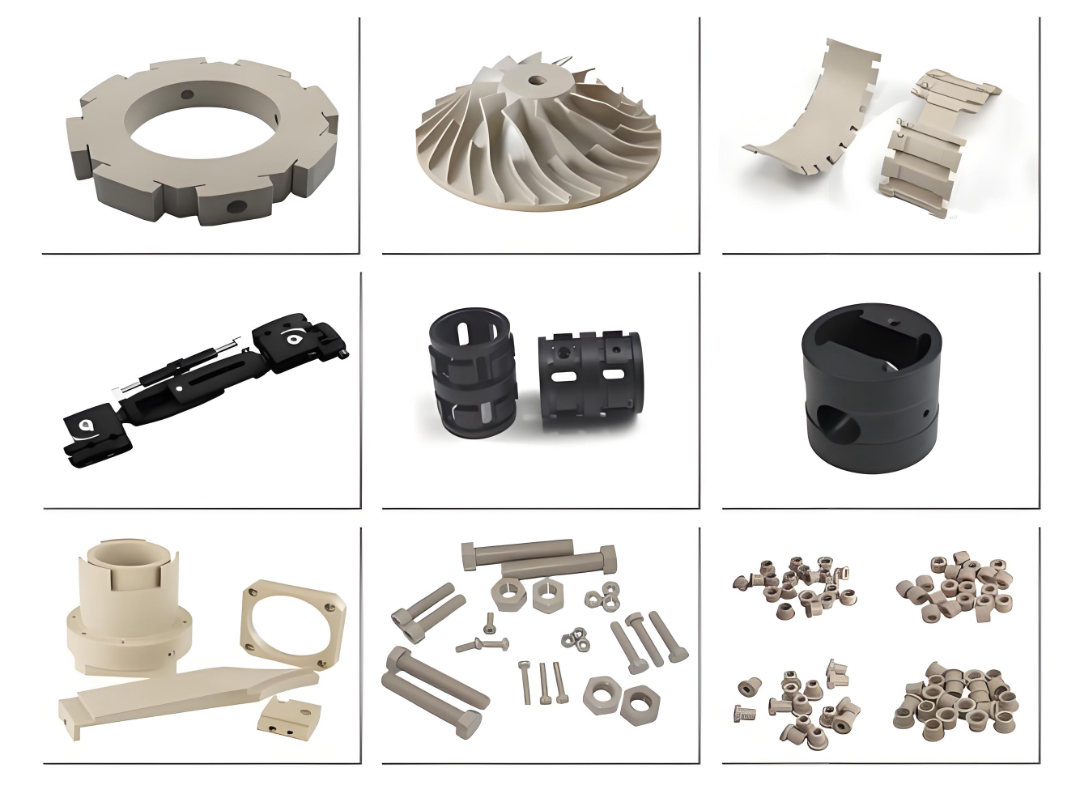
Ordinary plastics have molecular chains resembling loosely tangled yarn, which easily break at high temperatures. In contrast, engineering plastics incorporate special "reinforcing rings"—aromatic structures (such as benzene rings) and polar groups—into their molecular chains. These structures act like steel rebar, locking the molecular chains in place so they remain tightly packed even above 200°C and do not easily fall apart. For example, in polyetheretherketone (PEEK), benzene rings alternate with ketone and ether groups along the molecular chain, forming a stable, rigid structure that allows it to maintain its mechanical properties continuously at temperatures up to 260°C and withstand short-term exposure to temperatures exceeding 300°C.
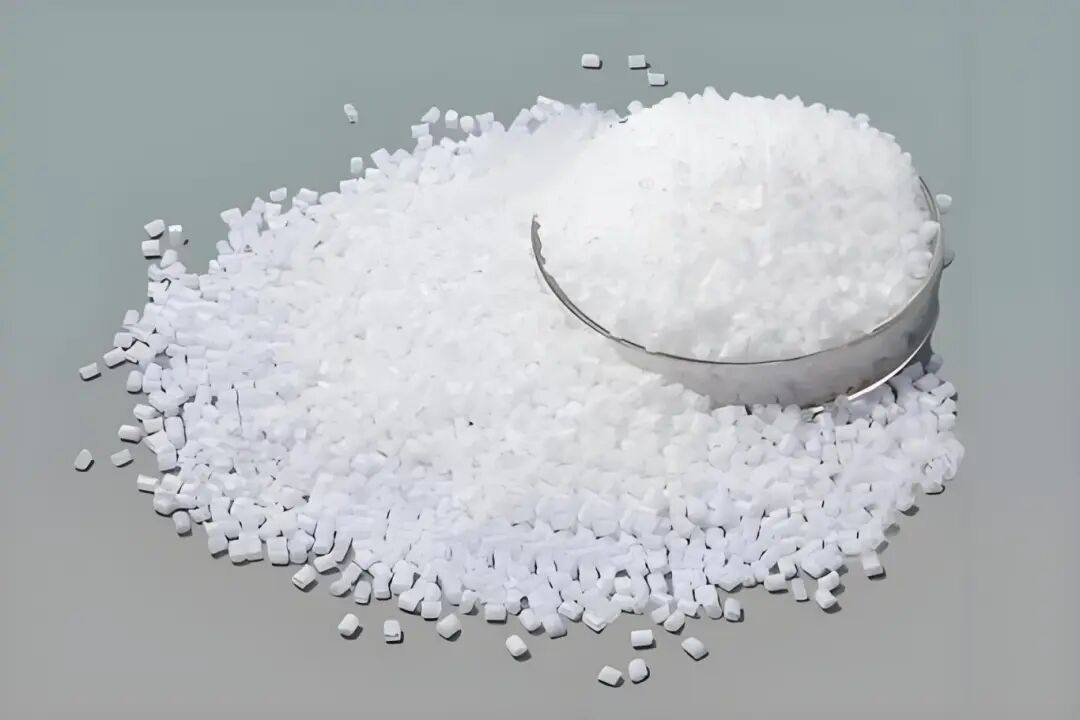
The higher the crystallinity of engineering plastics, the better their heat resistance. After adding glass fiber or carbon fiber, the material forms a "skeleton," like wearing a bulletproof vest. Taking PA46 (high-temperature nylon) as an example, its crystallinity can reach 70%. After glass fiber reinforcement, the heat distortion temperature can reach 290°C, far exceeding ordinary nylon, and it can also resist strong acids and strong bases.
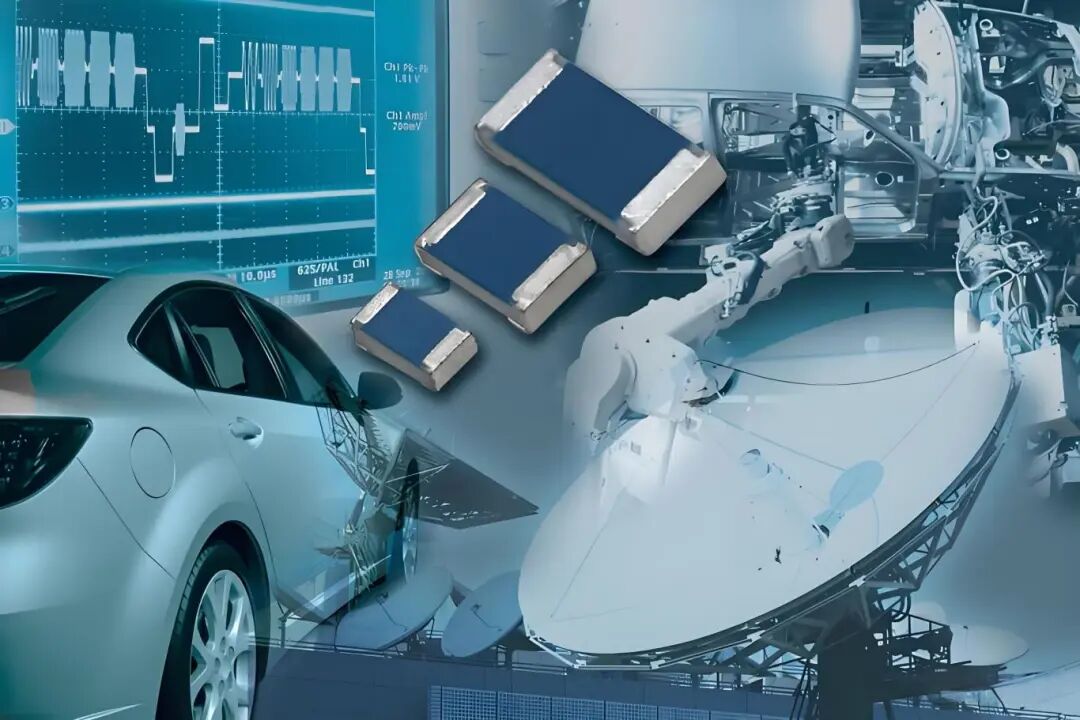
In the aerospace field, rocket engine thermal protection layers need to withstand temperatures above 300°C, and polyimide films can effectively protect internal structures, preventing the vehicle from disintegrating during flight; in the automotive industry, the intake manifold of a turbocharged engine can reach temperatures of up to 200°C, and PA46 material can replace metal, reducing weight and improving fuel efficiency; in the medical field, surgical instruments need to be repeatedly sterilized at high temperatures, and polyether ether ketone (PEEK) can maintain its mechanical properties at 260°C, ensuring the safe use of the instruments.
From rocket flames to car engines, from operating tables to 5G devices, engineering plastics, with the posture of "special forces," silently guard the boundaries of modern technology. Though not as heavy as metals, they break through the limits of materials with molecular-level intelligence, making life lighter, more efficient, and safer.
【Copyright and Disclaimer】The above information is collected and organized by PlastMatch. The copyright belongs to the original author. This article is reprinted for the purpose of providing more information, and it does not imply that PlastMatch endorses the views expressed in the article or guarantees its accuracy. If there are any errors in the source attribution or if your legitimate rights have been infringed, please contact us, and we will promptly correct or remove the content. If other media, websites, or individuals use the aforementioned content, they must clearly indicate the original source and origin of the work and assume legal responsibility on their own.
Most Popular
-

Continental Plans to Begin Sale of ContiTech in Early 2026
-

$4 Billion! Medtronic Makes Another Acquisition
-
BASF Delivers First Batch of Innovative Cathode Materials for Semi-Solid-State Batteries to Weilan New Energy
-
Profit and Revenue Growth Struggle to Conceal Debt Repayment Pressure; Success of Kingfa Sci & Tech's High-End Strategy Yet to Be Seen
-

Why did a century-old european dental instrument giant relocate its manufacturing hub to china?