



Pearl Polyurethane Company Converts Waste PET Into Polyols for Rigid Polyurethane Foam and PIR Foam
Pearl Polyurethane Company has begun upgrading discarded PET into polyurethane systems for insulation products. The company uses a glycolysis process to convert shredded PET waste into polyester polyols.
The company stated that once the process is fully implemented, it is expected to recover waste equivalent to 420 million plastic bottles annually. The first batch of commercial orders has been delivered, and the process is currently being promoted across all its operational departments.
This glycolysis process is suitable for the chemical recycling of PET waste both before and after consumption. The process operates in an advanced polycondensation reactor equipped with an efficient ethylene glycol collection system and a closed-loop conveyor chain design. The reactor design also allows for the recycling of discarded rigid polyurethane (PU) foam and polyisocyanurate (PIR) foam waste into polyols, which can be reused in polyurethane systems.
These polyols are mainly applied in continuous metal-faced sandwich panels. Their mechanical properties are comparable to products formulated with virgin polyol-based polyurethane and polyisocyanurate systems and can also be used in spray foam formulations.
Pearl Polyurethane Company stated that the project reinforces its commitment to sustainable innovation while also setting a new benchmark for the industry. The company mentioned that by repurposing waste into materials that can enhance energy efficiency in applications such as construction, the process will help mitigate the widespread impact of plastic pollution. It is also said to improve product performance, including superior flame retardancy.
Leslie Gyertson, Chief Operating Officer of Pearl Polyurethane Company, stated: "Buildings account for approximately 30% of global carbon dioxide emissions, with up to half of those emissions potentially avoidable through proper insulation measures. By providing systems and solutions such as sandwich panels, spray foam, and insulation boards that enhance energy efficiency in the built environment, we empower our customers to actively participate in mitigating climate change. Foam insulation made from discarded PET bottles can have a greater impact. This is not just recycling; it’s upgrading and repurposing."
Martin Kruczinna, CEO of Pearl Polyurethane, added: "Addressing climate change requires bold action, and the company is proud to be a driving force for change in this field. Insulation materials play a crucial role in reducing energy consumption and carbon dioxide emissions. By integrating recycled PET bottles into our systems, we achieve tangible benefits without sacrificing quality. This initiative demonstrates how we can create innovative and commercially viable solutions that benefit our customers, communities, and the planet."
【Copyright and Disclaimer】The above information is collected and organized by PlastMatch. The copyright belongs to the original author. This article is reprinted for the purpose of providing more information, and it does not imply that PlastMatch endorses the views expressed in the article or guarantees its accuracy. If there are any errors in the source attribution or if your legitimate rights have been infringed, please contact us, and we will promptly correct or remove the content. If other media, websites, or individuals use the aforementioned content, they must clearly indicate the original source and origin of the work and assume legal responsibility on their own.
Most Popular
-

Mexico Imposes Tariff Up to 36% on Cross-Border E-Commerce Products, Effective January 1, 2026; Plastic Shows Partial Fluctuation Today
-
4.5 Million Tons! Wanhua Chemical Dominates Globally in MDI, Heavy Investment in Battery Materials Spurs New Storm
-

Trump Delays Tariff Increase on Furniture, Cabinets, and Vanities
-
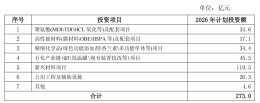
Wanhua Chemical Invests $27.3 Billion, 2026 Investment Map Revealed, $1.1 Billion Bet on Battery Materials
-
Back-to-back major joker moves! covestro’s 1.32 million ton mdi dual-line expansion and hdi acquisition reshape global polyurethane landscape


