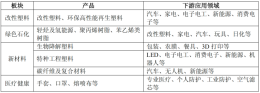
Most Cost-Effective Method for Engineering Plastic Modification — Filling
The most cost-effective method for modifying engineering plastics is indeedReinforcement modificationIts core logic lies in using low-cost fillers to replace part of the expensive resin matrix, thereby directly reducing the material cost per unit weight.
However, achieving the goal of “maximum cost savings” is not as simple as merely blending fillers with plastic. According to current industry practices and research, the following methods stand out in terms of cost control and performance balance:
The most essential
Inorganic mineral filling
This is currently the most mainstream and mature cost reduction solution in the industry. By adding mineral powders that are much cheaper than synthetic resins, the material cost can be significantly reduced.
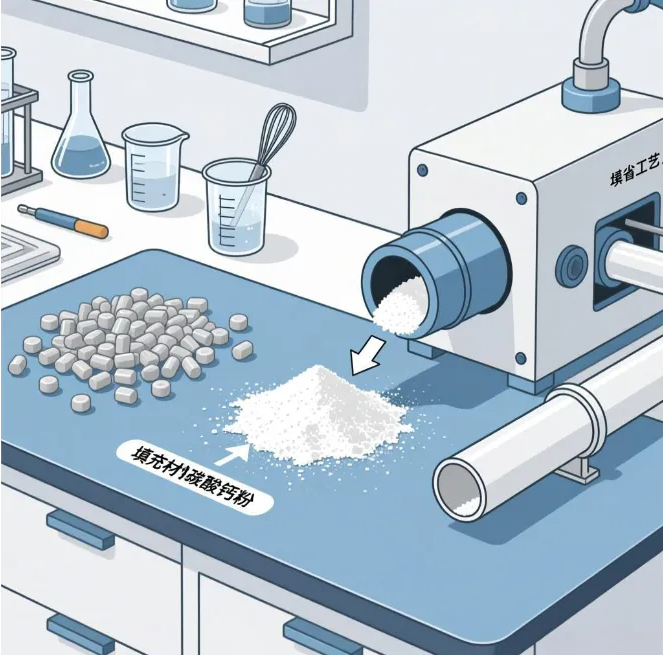
Common packing materialsCalcium carbonate (CaCO₃), talc, wollastonite, kaolin, mica, etc.Among them, calcium carbonate is one of the most widely used fillers.
Cost and Performance EffectAdding calcium carbonate or talc to polypropylene (PP)Costs can be reduced by approximately 15%., while the hardness of the material can be increased by more than 30%.In addition to cost reduction, these fillers can typically improve the rigidity, heat resistance, dimensional stability, and molding shrinkage of plastics.
New trendsA 2026 study indicated that calcium fluoride (CaF₂) as a filler for polyethylene (PE) not only reduces cost but also exhibits better interfacial bonding than calcium carbonate. At filler contents below 40%, it can also reduce melt viscosity, meaning less processing energy is required.Further reduced processing costs.
Potential stock
Waste reuse for filling
This is a current hotspot in the circular economy, capable of achieving ultimate cost control—even driving the cost of the filler itself close to zero.
Industrial wasteFor example, some studies have attempted toBituminous felt wasteAs a filler for polylactic acid (PLA), linoleum waste is inherently low-cost, but its direct use severely compromises material strength. After interfacial modification using a “chain extender,” not only is the overall cost significantly reduced, but the composite’s tensile stiffness increases by 7.2% and its elongation at break improves remarkably by 415.5%.
Life/Agricultural WasteRecycledManhole cover powder Medium-density fiberboard sawdustIt has also been successfully used as a filler for polypropylene (PP). Studies show that adding 40% of the mixed waste powder not only does not significantly affect the water resistance of the material, but also improves the properties of the composite material.The flexural strength and modulus increased to 46.4 MPa and 3399 MPa, respectively.achieving a win-win outcome of cost reduction and performance enhancement.
Finishing Touch
Technical Optimization Assistance
Filler modification is cost-effective, but it faces a challenge: adding too much filler makes the plastic melt more viscous and difficult to process. Introducing some auxiliary technologies may slightly increase the cost, but it allows for adding more filler, further reducing the total cost and achieving "spending a little to save a lot."
Using flow improversFor engineering plastics with high filler content (such as polyamide PA and polybutylene terephthalate PBT), adding flow aids can significantly reduce melt viscosity and improve flowability.This not only ensures the formation of complex thin-walled parts, but alsoShorten the molding cycle, reduce processing energy consumptionthereby indirectly reducing the overall cost of the component.
Use multi-functional masterbatchSome research institutes have developed high-loading masterbatch technology, which involves mixing surface-treated inorganic fillers—comprising as much as 60%–80%—with various additives to produce a "masterbatch." Users simply need to add a small amount of this masterbatch to ordinary plastics to simultaneously achieve toughening, reinforcement, and cost reduction, making it a highly convenient and efficient cost-saving solution.
Summary and Recommendations
In general, translate the above content into English, output the translation directly, without any explanation.The most cost-effective filler modification is not just about buying cheap fillers, but also an art of "balance".。
For general plastic products pursuing the ultimate cost reduction (such as packaging, toys, and appliance bases), directly selectCalcium carbonate, talcum powder, and other conventional mineral fillersIt is the most direct and effective path.If your product has certain eco-friendly selling points, or if you're open to experimenting further with the manufacturing process,Zero-cost or low-cost recycling and utilization of waste materialsIt is worth further study, which may bring unexpected cost advantages.When the filler content in your formulation is so high that processing becomes difficult, consider incorporating…Flow modifier or high-performance masterbatchThey can help you overcome processing bottlenecks, accommodate more fillers, and further reduce total costs.
【Copyright and Disclaimer】The above information is collected and organized by PlastMatch. The copyright belongs to the original author. This article is reprinted for the purpose of providing more information, and it does not imply that PlastMatch endorses the views expressed in the article or guarantees its accuracy. If there are any errors in the source attribution or if your legitimate rights have been infringed, please contact us, and we will promptly correct or remove the content. If other media, websites, or individuals use the aforementioned content, they must clearly indicate the original source and origin of the work and assume legal responsibility on their own.
Most Popular
-
Continental Plans to Begin Sale of ContiTech in Early 2026
-

$4 Billion! Medtronic Makes Another Acquisition
-
BASF Delivers First Batch of Innovative Cathode Materials for Semi-Solid-State Batteries to Weilan New Energy
-
Profit and Revenue Growth Struggle to Conceal Debt Repayment Pressure; Success of Kingfa Sci & Tech's High-End Strategy Yet to Be Seen
-

Why did a century-old european dental instrument giant relocate its manufacturing hub to china?