Full of Confidence: With Reserves of 4.781 Billion Tons and an Output Value of 38 Billion Yuan, Why Is Guangxi’s Calcium Carbonate Industry Leading the Nation?
The region’s retained carbonatite resources amount to 4.781 billion tons; an overview of Guangxi’s carbonate resources.
Guangxi is widely covered by karst landforms and is a core accumulation area of carbonate rocks in China. Common types include calcite, limestone, veneer limestone, dolomite, and marble, which are distributed over a wide range, with most cities and districts in the region having such distributions.
As of the end of 2020, the region had retained calcium carbonate resources and reserves of 4.781 billion tonnes, including 3.615 billion tonnes of limestone, 619 million tonnes of marble, 361 million tonnes of dolomite, and 186 million tonnes of calcite.
Proven cumulative limestone reserves amount to 30.5 billion tonnes, with projected total reserves reaching as high as 7 trillion tonnes. The resource potential can support sustained industrial development for more than 30 years. Special exploration in concentrated areas across eight cities has newly identified 7 billion tonnes of resources, with a potential economic value exceeding 100 billion yuan.
Among them, Hezhou is the core production area for marble, with proven reserves of nearly 1 billion tons of marble, accounting for 1/8 of the total marble reserves in the country; Laibin is the main production area for limestone and dolomite, with the highest reserves of limestone and dolomite in the region; Hechi is a concentrated distribution area for high-quality calcite, with high-purity calcite suitable for deep processing into food and pharmaceutical-grade calcium carbonate; Yulin (Xingyi County) has a contiguous mining belt of over 20 billion tons of limestone, positioned as a base for nano calcium carbonate; Baise, Nanning, Guigang, and Liuzhou are secondary resource-bearing areas where ores can be scaled for open-pit mining, with low extraction costs.
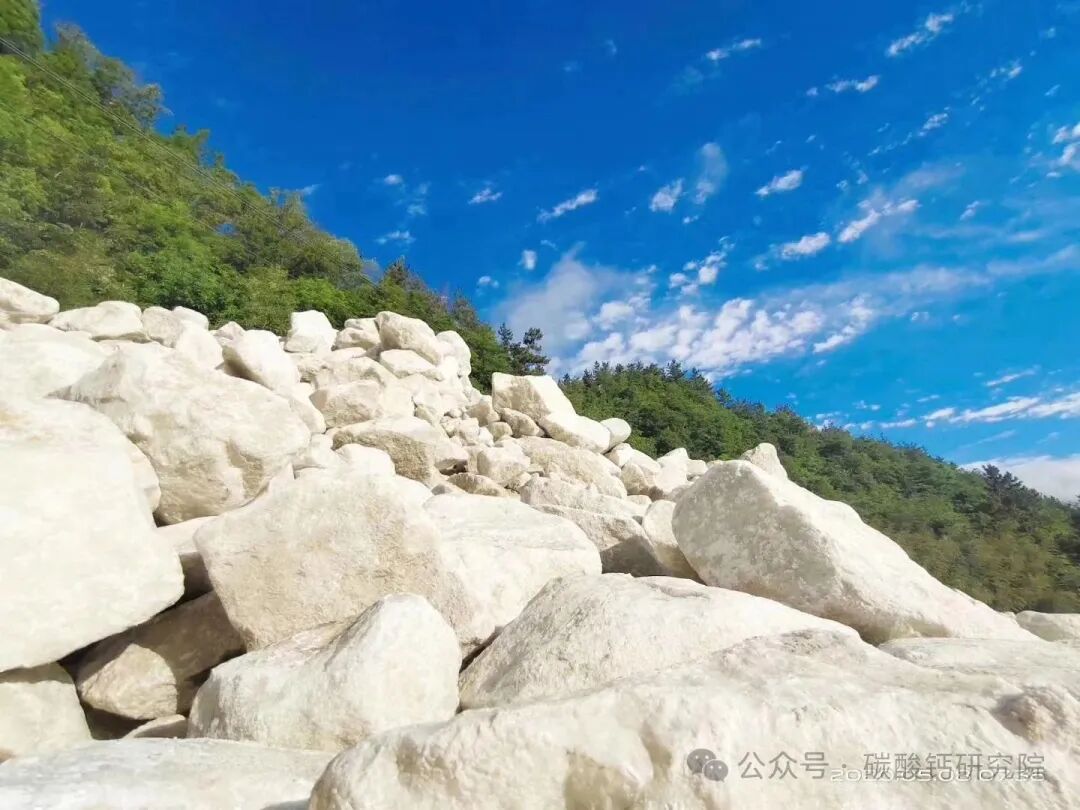
Guangxi has become a key area for the transfer of the calcium carbonate industry due to its rich mineral resources, relatively low land and labor costs, and a series of industrial support policies introduced by the local government. In 2023, the calcium carbonate powder processing industry in Guangxi is expected to achieve a total output value of nearly 32 billion yuan, with a production volume of 37.2 million tons and 423 calcium carbonate powder processing enterprises, of which 141 are above designated size.
As of 2025, the region will have approximately ... enterprises across the entire calcium carbonate industry chain.600 companies, with the comprehensive output value of the industry exceeding38 billion yuan; It is an autonomous region key cultivated hundred-billion-yuan-level distinctive new materials industry, with its products maintaining the first place in national market share, and has formedHezhou + Yulin Xingye Dual CoreIndustrial cluster pattern.
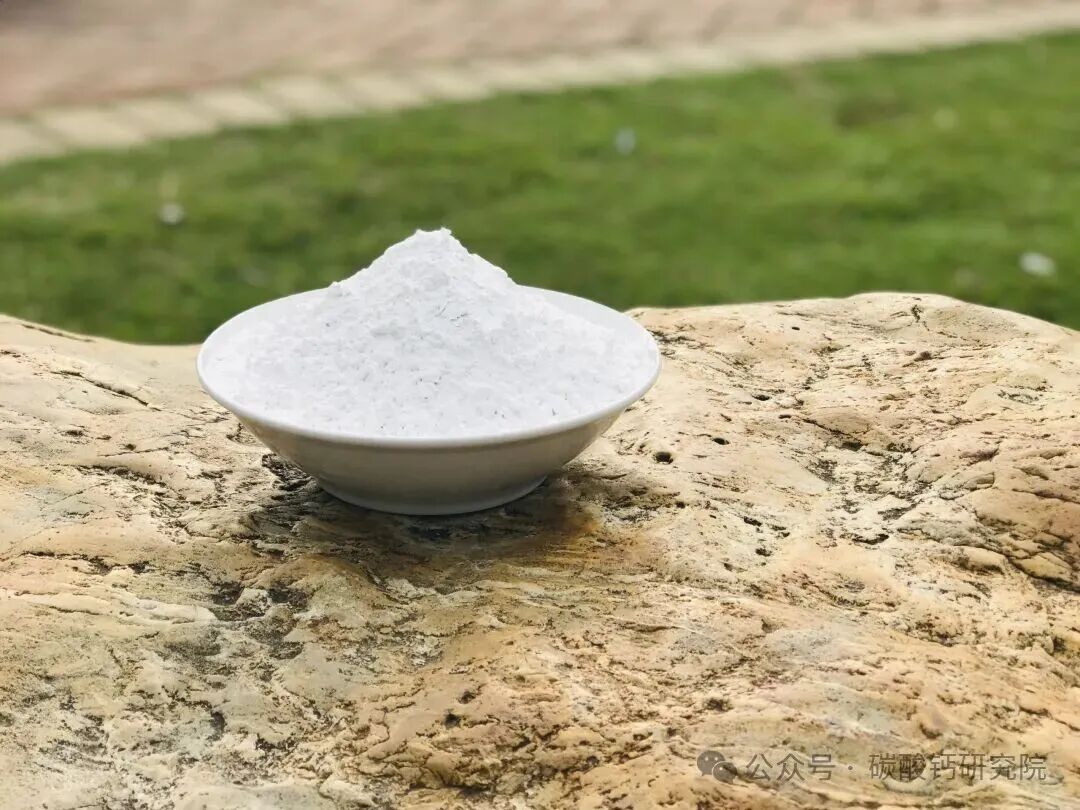
As China’s capital of heavy calcium carbonate and a national base for engineered stone, Hezhou had 265 above-designated-size stone and calcium carbonate enterprises from January to October 2025, achieving a total above-designated-size industrial output value of 17.808 billion yuan, accounting for 26.25% of the city’s total above-designated-size industrial output. In addition, nationwide40% heavy calcium carbonate powder, 60% engineered stoneProduced in Hezhou, where a complete closed-loop industrial chain has been established:Mining — Natural Stone Handicrafts — Ultrafine Heavy Calcium Carbonate Powder — Engineered Quartz Stone — Calcium-Based Composite New Materials — Full Recycling and Utilization of Solid Wasteachieving a circular economy in which every resource is fully utilized and nothing goes to waste. Hezhou has developed a national-level distinctive industrial cluster of small and medium-sized enterprises in new calcium carbonate materials and established the region’s only pilot-scale base for transforming scientific and technological achievements in the calcium carbonate sector. In 2026, Hezhou will implement the nation’s first local regulation on the calcium carbonate industry, the Regulations of Hezhou on Promoting the Development of the Calcium Carbonate Industry, to provide legal safeguards for industrial upgrading.
Yulin’s Xingye County, relying on 20 billion tons of contiguous limestone resources, focuses on the refined development path of lightweight calcium carbonate and nano-calcium. The new materials industrial park has attracted 12 leading enterprises and has been completed.Calcium Oxide — Light Calcium Carbonate — Nano Calcium Carbonate — Terminal Modification MaterialFine chemical industry chain: 50 nm ultrafine nano calcium carbonate and FDA-certified food-grade calcium powder have achieved mass production, increasing product added value by more than threefold. Full efforts are being made to build the “Nano Calcium Carbonate Capital of China,” with the industrial park’s output value reaching RMB 2.5 billion in 2024.
Relying on its abundant and high-quality limestone resources, Wuming District of Nanning is making every effort to drive the calcium carbonate industry toward higher value-added sectors and build a new materials industrial hub. Wuming District is committed to turning its traditional “small stone” industry into a major industry with an annual output value of over 2 billion yuan and an upstream and downstream industrial chain output value of over 3 billion yuan. According to the plan, by 2030 Wuming District aims to develop the New Materials Industrial Park into the world’s first million-ton-scale micro- and nanomaterials industrial base, achieving a calcium carbonate production capacity of 1 million tons and an annual output value of more than 2 billion yuan.
Laibin City has developed a relatively large production capacity for light calcium carbonate, while Du’an Yao Autonomous County in Hechi, Pingguo City in Baise, Qintang District in Guigang, and Shangsi County in Fangchenggang have all established varying degrees of calcium carbonate resource development and industrial foundations.
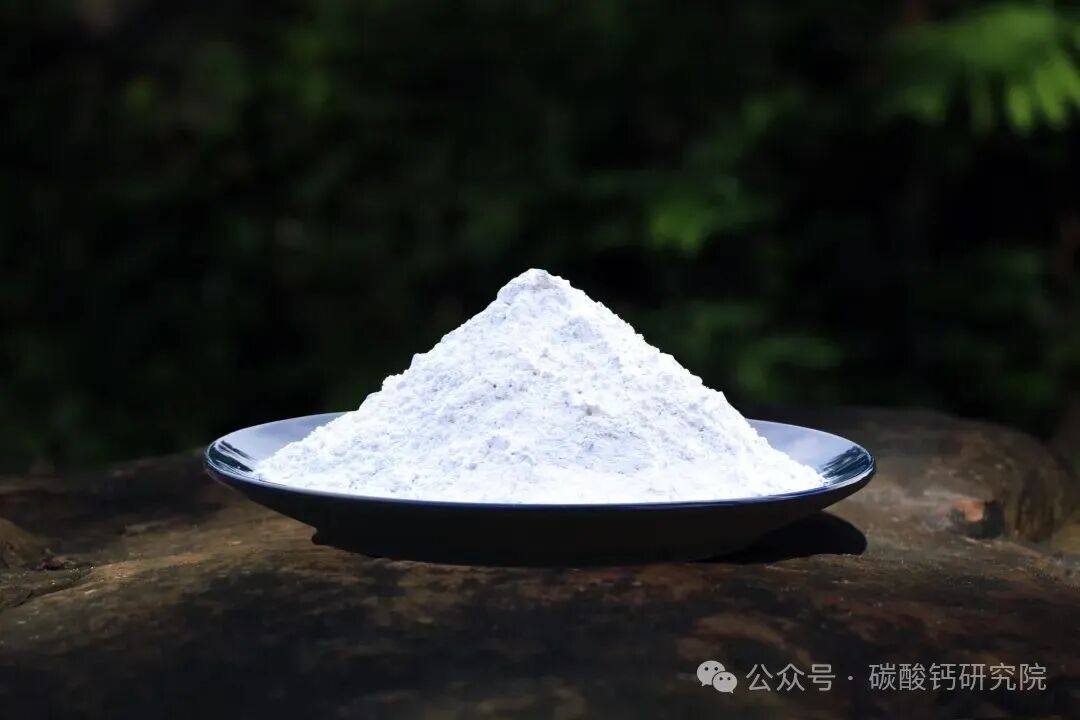
Industrial Policy Top-Level Design
At the provincial level, Guangxi has issued the *14th Five-Year Plan for the High-Quality Development of the Calcium Carbonate Industry in Guangxi*, the *Regulatory Conditions for the Calcium Carbonate Industry*, and the *Environmental Access Conditions*, classifying areas into three categories: moderate development, restricted development, and prohibited development. In terms of technological upgrading subsidies, high-end ultrafine powder and green mine projects may receive subsidies of up to 15% of equipment investment, a 30%–50% refund of land transfer fees, and “three years of tax exemption followed by three years of half reduction” for corporate income tax. Guangxi has also continued to host the China Hezhou International Stone and Calcium Carbonate Exhibition, with investment agreements worth nearly RMB 10 billion signed in a single session, while targeted investment promotion has facilitated the implementation of downstream new materials projects.
What are the core competitive advantages of Guangxi’s calcium carbonate industry?
Innate resource endowment
Guangxi’s calcium carbonate resources are abundant and highly contiguous, enabling centralized planning of green mines and large-scale, intensive mining that greatly reduces extraction costs. The ore grade is top-tier, with high calcium content, low impurities, and high whiteness; high-end powders do not require purification, and raw material costs are 15%–25% lower than in other provinces. The mineral portfolio is comprehensive: calcite, limestone, dolomite, and marble are available in coordinated support, capable of supporting multiple technical routes at the same time, including heavy calcium carbonate, light calcium carbonate, nano calcium carbonate, and artificial stone. Guangxi is the only place in the country with full mineral-type supporting capability.
Full-industry-chain cluster advantage
Guangxi is the only place in the country that simultaneously hasUpstream mining + midstream fine powder processing + downstream artificial stone, modified new materials, biodegradable masterbatch, and eco-friendly packagingA complete industrial chain region; upstream and downstream enterprises are closely matched, with high transportation efficiency, collaboration, and solid waste recycling rates, resulting in significantly lower industrial synergy costs compared to production areas in Jiangxi, Zhejiang, and Guangdong. Hezhou has formed a circular industrial park model within the park featuring "waste material mutual supply and waste heat sharing," which saves 24,000 tons of standard coal annually through waste heat recovery.
Location and Logistics Cost Advantages
Guangxi is adjacent to the Pearl River Delta Greater Bay Area, with a strong advantage in short-distance road transportation radius. Through the Xijiang Golden Waterway, thousand-ton cargo ships can directly reach the ports of Guangdong, Hong Kong, and Macau, with water transport costs for powder materials only one-third of those by land. The combined transport by rail, road, and water directly reaches Beibu Gulf ports, facilitating the export of bulk calcium carbonate powder and artificial stone to ASEAN, Europe, and the United States, resulting in significant advantages in foreign trade competitiveness. Backed by the inland construction material consumption market in Southwest China, the accessibility to both internal and external markets is irreplaceable.
Policy advantages
Guangxi has designated calcium carbonate as a key trillion-yuan industry to be cultivated, and has put in place a comprehensive package of supportive policies covering technological upgrading, environmental protection, land use, and taxation. Hezhou has enacted the nation’s first local legislation specifically for the calcium carbonate industry, making industrial planning, mine regulation, environmental protection, and investment promotion fully governed by the rule of law throughout the entire process. Innovative financial instruments such as capacity pledge loans, industrial funds, and standardized supporting facilities in industrial parks have significantly lowered the expansion threshold for small and medium-sized processing enterprises. At the same time, strict environmental access standards have been enforced, proactively phasing out scattered and low-scale capacity, which has continuously increased industry concentration and strengthened the bargaining power of leading companies.
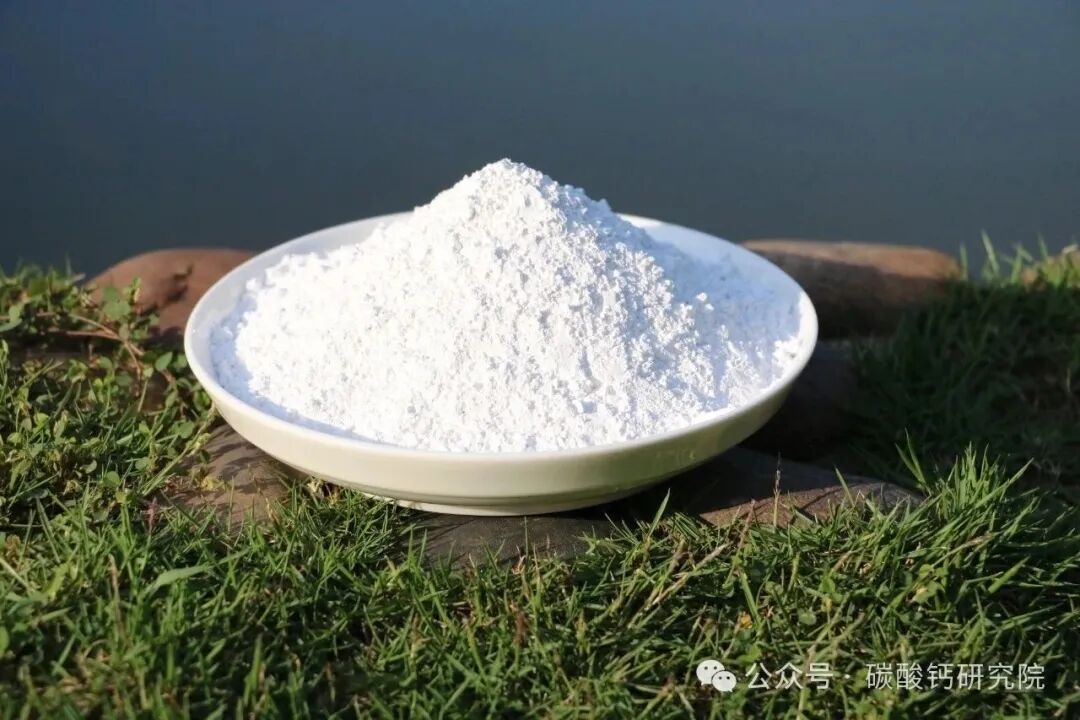
Leveraging its world-class resource endowments, Guangxi has evolved from a region that merely exported ore into...National Carbonate Calcium Full Industry Chain Hub, High-End Calcium-Based New Materials Manufacturing BaseWith the combined advantages of resources, industrial chains, logistics, policies, and foreign trade, it will be difficult for external production areas to replicate these in the short term. In the future, Guangxi will continue to reduce low-end ordinary powder capacity and fully extend into high value-added sectors such as nano calcium carbonate, biodegradable calcium masterbatches, pharmaceutical and food-grade high-purity calcium, and environmentally friendly new materials. We aim to steadily pursue the goal of a hundred billion yuan industry and establish a core supply chain node for calcium-based new materials globally.
【Copyright and Disclaimer】The above information is collected and organized by PlastMatch. The copyright belongs to the original author. This article is reprinted for the purpose of providing more information, and it does not imply that PlastMatch endorses the views expressed in the article or guarantees its accuracy. If there are any errors in the source attribution or if your legitimate rights have been infringed, please contact us, and we will promptly correct or remove the content. If other media, websites, or individuals use the aforementioned content, they must clearly indicate the original source and origin of the work and assume legal responsibility on their own.
Most Popular
-

A Look at the Material Suppliers Behind SpaceX
-
Government's Triple Action, Enterprises' Three Arrows in Five Days, Semiconductor Reshuffle! What Signal Does Japan's Chemical Industry Release?
-
Next-generation motors of new energy vehicles: Single-Round Thousand Horsepower, Replacing Brakes, How Powerful Are They?
-
Shutdowns And Production Cuts! Widespread Price Quotes Suspended, Chemical Products May Still Be Easier To Rise Than Fall In June-July!
-
Japan Plans To Sell Lithography Giant JSR! Fujifilm And Mitsubishi Chemical Interested In Taking Over, How Much Time Window Is Left For China?