



From PA6 to Recycled PP: Office Furniture Base Frame Achieves 86% CO₂ Emission Reduction Breakthrough
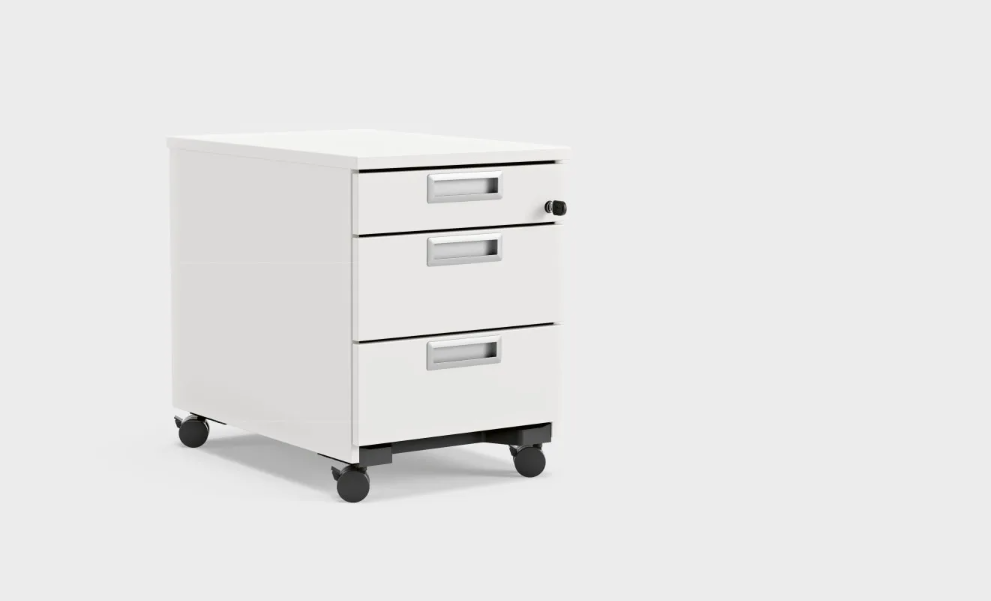
Kinnarps has been committed to reducing the carbon emissions of its office furniture range and has selected the base frame of an office desk cabinet as a pilot component for research. The company collaborated with long-term partners Polykemi (material supplier) and Nolato (injection molding company) to assess the impact of alternative materials on the product's carbon footprint (CO₂ emissions) without redesigning the component. This analysis focuses on two core aspects: changing the type of polymer and subsequently adjusting the material sources.
Phase One: Replacement from PA6 to high crystalline PP
In the first phase, the two materials selected (PA6 and high-crystallinity polypropylene PP) are both based on virgin raw materials. The partner indicated that just this adjustment reduced the calculated emissions of the component by 74%. The material conversion was successfully completed without altering the production process and without affecting the established performance and quality of the rolling cabinet base frame.
Phase 2: Further reduce carbon emissions by using recycled PP
After achieving preliminary results with virgin high-crystal PP, the project team further explored whether switching to recycled-based composites could achieve additional emissions reductions. The second phase of material substitution involves replacing virgin PP with a recycled PP grade supplied by Polykemi, completed using the existing production equipment configuration for the office desk cabinet base frame.
Johan Sonesson, Regional Sales Manager at Polykemi, stated, "In the second phase, we used Repro PP material based on recycled plastic, achieving a 45% reduction in emissions on this basis. Compared to the original material, the total emission reduction reached 86%."
According to corporate data, the carbon footprint of the raw material PA6 GF30 (30% glass fiber reinforced polyamide 6) is 8.29 kg of CO₂ equivalent per kilogram (kg CO₂e/kg), while the carbon footprint of the recycled PP composite material (Repro PP RG126) is only 1.62 kg of CO₂ equivalent per kilogram. The recycled PP not only has a lower material density but also consumes less energy during processing. These two factors together contribute to an 86% total emission reduction for the component.
Cost, density, and logistics impact
In addition to the emission reduction benefits, the material transition from PA6 to PP has had a positive impact on the economic viability of components. The raw material prices of PP are generally lower than those of PA6, and it has a lower density—meaning that more components can be produced from the same weight of raw material. For Kinnarps and Nolato, the number of base frames produced from each batch of polymer has significantly increased compared to the original PA6 GF30.
The reduction in component weight has a chain reaction on downstream logistics: the decrease in unit product weight leads to a reduction in carbon emissions per unit of transporting the finished office desk and cabinet components. For furniture manufacturers and their suppliers, this weight reduction effect can aid in cost control and promote the achievement of corporate climate goals during mass production.
To select the most suitable material for a component, it is necessary to find a balance between mechanical performance, functional performance, and environmental impact. This case indicates that under the existing mold and production conditions, targeted material replacement can be an important means to optimize this balance.
The role of material suppliers
Polykemi positions itself in such projects as transforming application needs and process requirements into suitable material solutions. In the Kinnarps project, this means defining the dual standards that polymers need to meet – both adapting to Nolato's injection molding process and fulfilling the final usage requirements of office furniture. Based on these standards, Polykemi proposed alternative material solutions that balance emission reduction goals with performance requirements.
Johan Sonesson emphasized: "As a material supplier, our core responsibility in such material conversion projects is to clearly define the requirements that the materials must meet in the production process and the final product, and then to select alternative solutions that can achieve emission reductions."
Nowadays, material data such as carbon footprint, density, and processing energy consumption, along with mechanical properties and appearance characteristics, are becoming important components of the material selection matrix. For plastic processing enterprises and original equipment manufacturers (OEMs) in the furniture industry, this means the need to engage in closer technical cooperation with composite material producers to verify the actual performance of such materials in mass production. The case of Kinnarps provides a reference model for building such cooperation around specific components.
【Copyright and Disclaimer】This article is the property of PlastMatch. For business cooperation, media interviews, article reprints, or suggestions, please call the PlastMatch customer service hotline at +86-18030158354 or via email at service@zhuansushijie.com. The information and data provided by PlastMatch are for reference only and do not constitute direct advice for client decision-making. Any decisions made by clients based on such information and data, and all resulting direct or indirect losses and legal consequences, shall be borne by the clients themselves and are unrelated to PlastMatch. Unauthorized reprinting is strictly prohibited.
Most Popular
-

List Released! Mexico Announces 50% Tariff On 1,371 China Product Categories
-
Dow, Wanhua, Huntsman Intensively Raise Prices! Who Controls the Global MDI Prices?
-
Clariant Unveils Cost-Cutting Plan Details, Plans to Shut Down Multiple Plants
-

New Breakthrough in Domestic Adiponitrile! Observing the Rise of China's Nylon Industry Chain from Tianchen Qixiang's Production
-

Nissan Cuts Production of New Leaf EV in Half Due to Battery Shortage

