



European Supermarket Shelves Full of "Misleading" Recycled Plastic Packaging Claims
On European supermarket shelves, numerous brands claim sustainability for their plastic packaging, but in reality, only a small percentage of these packaging materials are actually made from recycled waste, with the majority still derived from petroleum.
From Heinz Beanz under Kraft Heinz to Philadelphia cream cheese under Mondelez International, the plastic packaging used by these brands is made from materials produced by Saudi Aramco's plastics manufacturing division.
Saudi Arabia's state-owned Saudi Aramco is opposing production cuts under the UN plastics treaty and is the world's largest corporate greenhouse gas emitter (over 70 million tonnes as of 2023).
Saudi Aramco’s petrochemical subsidiary, Sabic, along with other industry giants, has successfully rebranded harmful business as “Earth savers.” They label plastics as “circular” and climate-friendly, but in reality, these plastics are almost entirely based on fossil fuels, exacerbating global warming and the plastic crisis.
Under industry pressure, Europe is preparing to legalize this practice. Independent experts have labeled it as "greenwashing," with lenient EU regulations set to take effect in 2026 and similar UK regulations starting in 2027.
To promote so-called sustainable plastics, the petrochemical industry is pushing pyrolysis – the most common form of chemical recycling. This highly energy-intensive and carbon-emitting process converts plastic waste into a recycled feedstock – pyrolysis oil. However, this hazardous compound can only account for a maximum of 5% of the total feedstock and must be diluted with 95% virgin, crude oil-derived naphtha to avoid damaging the steam crackers that transform feedstock into new plastics.
Helmut Maurer, former senior expert at the European Commission's environment department, stated: "The whole process is called plastic recycling, but in reality the use of fossil fuels is increasing because virgin material has to be added."
To present enticing data of high recycling rates and low emissions to brands eager to attract customers, the industry relies on two controversial but legal accounting maneuvers.
“Mass balance bookkeeping” attributes recycled feedstock to specific output batches. For example, if 5% of pyrolysis oil (mixed with 95% naphtha) is booked into 5% of 100 tonnes, that 5 tonnes can be certified as “100% recycled” packaging, even if it is actually made from fossil feedstock and contains no real recycled material.
"It's unfair to consumers – recycled content should be a real component of the final product," said Lauriane Veillard, a policy officer at the NGO Zero Waste.
The "avoided emissions" method is also controversial. By subtracting the amount of carbon that would be released if the recycled waste were incinerated, this method creates a superficial reduction in emissions compared to virgin plastic production.
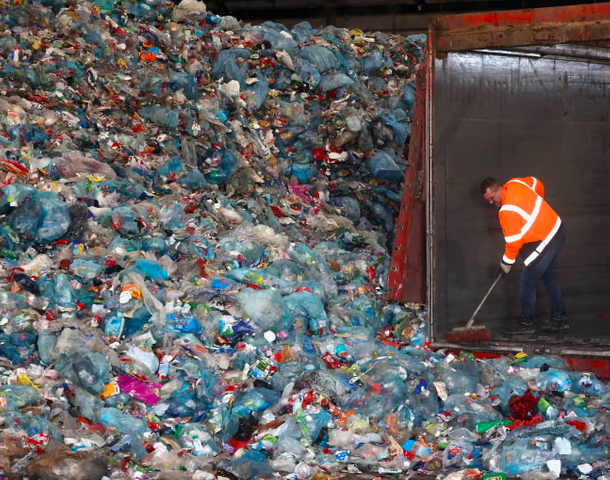
Mass balance-based recycling labels are issued by the industry-led platform International Sustainability and Carbon Certification (ISCC) and passed from plastic producers to packaging product brands.
Public records indicate that SABIC's use of recycled material or pyrolysis oil (2,600 tons) for plastic production in 2022 likely accounted for less than 0.5% of its total feedstock, as its European cracker in the Netherlands consumed a massive 4 million tons of naphtha.
A life cycle assessment (LCA) of petrochemical groups acknowledges that the entire process from pyrolysis to cracking emits 6% to 8% more carbon than producing plastics from fossil fuels. Only when accounting for emissions reductions from avoided incineration does the net benefit become positive: approximately 2 kg of CO2 emissions reduced per kilogram of recycled plastic.
Maurer said, "What matters is what is actually emitted, not the assumed emissions 'avoided' on paper from incineration."
SABIC's life cycle assessment claims to have undergone a "rigorous critical review" by experts, including a co-founder of London-based Plastic Energy, the company's primary feedstock supplier.
The close business relationship between the reviewer and SABIC has raised questions about the impartiality of the review. SABIC and Plastic Energy refused to disclose full life cycle assessment reports or answer questions. The named brands also did not respond to requests for comment.
Professor Peter Quicker, Professor of Waste Management and Emission Control at RWTH Aachen University in Germany, said: "Life cycle assessment documents are useless for anything other than advertising because companies can control the parameters to get the results they want."
Other life cycle assessment studies have found that they can be selectively presented, masking the true climate footprint, and warn that carbon reduction effects largely disappear when recycled feedstock only replaces a small fraction of fossil-based plastics.
Margot Le Gallou, Senior Project Manager at the NGO Eco, stated: "Overestimated carbon reduction impacts are passed along the downstream value chain and amplified through mass balance credits, ultimately ending up in packaged products, which can render consumer brands' claims unreliable and misleading."
Over the past three years, petrochemical companies have intensified their lobbying efforts with EU institutions to ensure that upcoming legislation accommodates the mass balance approach, while simultaneously rushing to sign purchasing agreements with pyrolysis oil suppliers.
Mandatory recycled content targets aimed at reducing waste and emissions can technically be met while Big Oil expands virgin plastic production, despite brand commitments.
【Copyright and Disclaimer】The above information is collected and organized by PlastMatch. The copyright belongs to the original author. This article is reprinted for the purpose of providing more information, and it does not imply that PlastMatch endorses the views expressed in the article or guarantees its accuracy. If there are any errors in the source attribution or if your legitimate rights have been infringed, please contact us, and we will promptly correct or remove the content. If other media, websites, or individuals use the aforementioned content, they must clearly indicate the original source and origin of the work and assume legal responsibility on their own.
Most Popular
-

Key Players: The 10 Most Critical Publicly Listed Companies in Solid-State Battery Raw Materials
-
Vioneo Abandons €1.5 Billion Antwerp Project, First Commercial Green Polyolefin Plant Relocates to China
-
Clariant's CATOFIN™ Catalyst and CLARITY™ Platform Drive Dual-Engine Performance
-
Multifaceted Collaboration: PA Prices Rebound Against Trend to Break Through
-
European Supermarket Shelves Full of "Misleading" Recycled Plastic Packaging Claims

