Driving Control Must Belong to Humans: Lotus For Me Global Launch Core Technology Deep Dive
Abstract: Translate the above content into English, output the translation directly, without any explanation.On March 4, 2026, Lotus Cars held a global technology launch event for its new super SUV, the Lotus For Me, in Shanghai. The event, themed "In the Name of the Track, Master Every Inch of the Road," not only marked the global debut of the new vehicle but also the first systematic public disclosure of the brand's 78-year engineering philosophy core - the LTS (Lotus Tuned Specification) "Lotus Engineering Exclusive Tuning" system. This article delves into the breakthrough innovations of the Lotus For Me from a deep technical perspective, focusing on the two core dimensions of new energy power and intelligent driving control. Through a systematic breakdown of its super hybrid architecture, comprehensive thermal management system, six-dimensional dynamic chassis, and DPM (Dynamic Performance Management) system, along with detailed test data, industry benchmarks, engineering logic analysis, and insights from an interview with Lotus Group CEO Feng Qingfeng, it comprehensively analyzes the technical path and practical logic by which Lotus, in the wave of electrification and intelligence, upholds and reshapes the ultimate value of "driving mastery." It is reported that the Lotus For Me will first be launched in the Chinese market at the end of March, expanding to the European region by mid-year, and will continue to cover key global markets such as North America, the Middle East, and the Asia-Pacific, becoming the first globally mass-produced model to embody the LTS standard.
I. Introduction: Going Beyond Parameters to Define the “Golden Line”—The First Public Release of the LTS Standard
The current electric vehicle market is witnessing increasingly intense competition over performance specifications, with most brands falling into the trap of "specification stacking." The launch of Lotus For Me offers the industry a fresh technological perspective. At the launch event, Lotus Group CEO Feng Qingfeng unveiled the LTS standard for the first time. This standard is neither a hastily introduced technical solution nor a simple supplier certification mark; rather, it represents the concentrated embodiment of Lotus’s engineering methodology, which has been integral to the company’s entire vehicle development process since its founding in 1948. LTS is a comprehensive, standardized system covering joint development of core components, factory performance calibration, and full-vehicle dynamic validation. Its core philosophy can be precisely summarized as: “Performance output must be unconditional; driving control must be absolute.” Feng emphasized that the essence of the LTS standard lies in transforming track-proven engineering methodologies into standardized processes that are replicable, quantifiable, and verifiable—ensuring that Lotus vehicles, regardless of powertrain type or market scenario, consistently deliver exceptional dynamic handling performance.
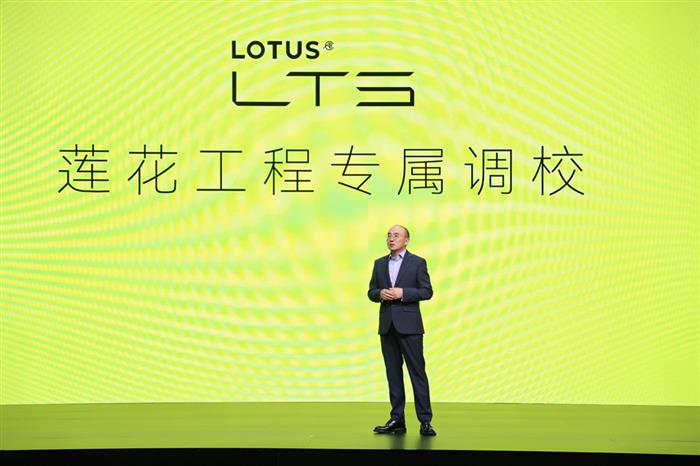
The Lotus for Me, as the first globally targeted super hybrid vehicle developed under the Lotus Tuning Standard (LTS), represents the latest embodiment of this engineering philosophy. Focusing on core components that directly influence driving dynamics—such as the braking system, active anti-roll bars, and suspension components—the Lotus engineering team has engaged in deep co-development with world-class suppliers. Every component bearing the LTS badge must achieve millimeter-level alignment between its performance parameters and characteristics and the vehicle’s predefined dynamic handling targets. This ensures that the unified Lotus driving DNA is embedded at the component level, aiming to resolve the fundamental contradictions of the electrified era—between performance and range, power and safety, and intelligence and purity—and to establish the industry’s “gold standard” for high-performance vehicles: below this line, a vehicle is merely a competent means of transportation; only above it can a product truly embody the core Lotus performance DNA.
In a post-launch interview, Feng Qingfeng further elaborated on the core connotations of the LTS standard, stating: “In fact, LTS is primarily Lotus’s proprietary performance standard—a corporate standard. Any component bearing the LTS certification mark has undergone Lotus’s exclusive development and verification. For instance, if a tire carries the LTS mark, it is a Lotus-certified tire; tires without this mark are standard, non-certified ones.” He emphasized that the LTS standard centers on handling performance, achieved through weight reduction and other methods. To ensure even ordinary drivers can maintain safe control, Lotus proactively restricts power output: “We could theoretically produce limitless horsepower—during our electric vehicle development, we had a 900-horsepower powertrain solution, and at one point could have delivered over 1,000 horsepower, but we ultimately scaled it back. This restriction is intended to ensure complete controllability for ordinary drivers in everyday driving scenarios, because safety is the ultimate luxury.” This statement vividly articulates the LTS standard’s core principle: “Controllability First.”
II. New Energy Breakthrough: Reconstructing the Technological Paradigm of High-Performance Hybrid Power
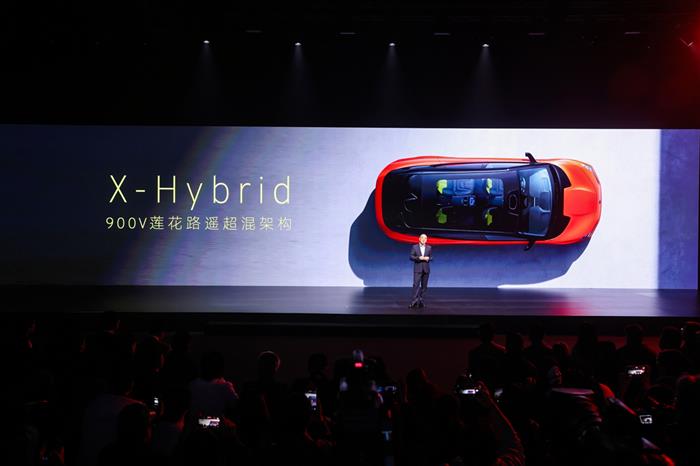
Unlike most industry brands that view hybrid powertrains as transitional solutions en route to pure electric technology, Lotus For Me positions its hybrid system as “the optimal propulsion format, perfectly complementary to high-performance pure electric technology.” Equipped with the X-Hybrid (Luyao Super Hybrid Architecture)—built on a 900V high-voltage platform—Lotus has successfully broken through the “impossible trinity” of high performance, extended range, and low energy consumption through a comprehensive technical system. As a result, Lotus has become the world’s first premier sports brand to simultaneously develop and deploy three core powertrain systems: internal combustion, pure electric, and super hybrid.
1. All-time, All-domain High Performance: Engineering Solutions to Eliminate "Power Anxiety"
• Core Challenge: Traditional hybrid and pure electric vehicles generally experience significant performance degradation under low battery conditions, commonly known as the "high performance when fully charged, low performance when depleted" experience gap in the industry. This issue is particularly pronounced in high-performance models, severely impacting the consistency and purity of the driving experience, and has become a key pain point restricting the development of high-performance hybrid vehicles.
• Lotus Solution:
· 11C Ultra-High Discharge Rate Battery Pack: While the industry currently focuses predominantly on voltage platform competition, Lotus’s R&D team, through in-depth research and validation, has determined that the battery’s discharge rate (C-rate) is the core metric defining a vehicle’s instantaneous power ceiling. The 70 kWh battery pack equipped in the Lotus For Me achieves an ultra-high 11C discharge rate—meaning it can fully discharge its entire energy capacity in approximately five minutes—delivering sustained, stable high-power output to the vehicle’s entire system. This technological advantage serves as the fundamental energy foundation for achieving the vehicle’s peak power output of 952 PS. Beyond exceptional 0–100 km/h acceleration performance, the vehicle also delivers outstanding mid-to-high-speed acceleration: its 0–200 km/h acceleration time is merely 10.5 seconds, and its 0–400 m acceleration time is only 11.16 seconds—comprehensively fulfilling performance demands across diverse driving scenarios.
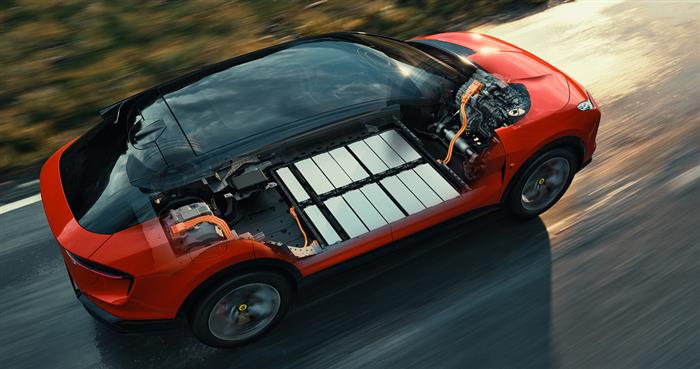
· 150kW On-Board Power Generation System: This system consists of a 2.0T engine and a top-of-the-line 150kW P1 generator, forming an efficient power generation unit. The core working logic is not simply “fuel to power,” but rather through a smart control system that regulates in real-time, maintaining the power battery's charge level within the 30%-80% efficient output range (i.e., the "sweet spot"). Actual test data shows that, under the condition of 120km/h cruising in a power depletion state, this power generation system can recharge the power battery with more than 25 kWh of energy per hour, achieving "positive energy growth during travel." This fundamentally eliminates performance degradation due to a drop in battery level, ensuring that high-performance output is not constrained by battery level, thereby achieving stable performance across all operating conditions.
· Real-world data validation: Official test results show that the Lotus Eletre R achieves a 0–100 km/h acceleration time of 3.3 seconds when fully charged. Even under extreme low-battery conditions with only 10% state of charge remaining, its 0–100 km/h acceleration time remains at just 3.5 seconds—a mere 0.2-second performance degradation. This breakthrough decisively shatters the performance limitations traditionally imposed on high-performance hybrid vehicles, fully embodying Feng Qingfeng’s core philosophy that “performance should come without conditions.” Additionally, the vehicle delivers an exceptionally low WLTC combined fuel consumption of just 0.07 L/100 km (under ideal test conditions) and a combined driving range exceeding 1,400 km, achieving a dual breakthrough in both high performance and high efficiency while balancing driving excitement with low operating costs.
Feng Qingfeng explained the core reasons for choosing the super hybrid architecture in an exclusive interview, offering pragmatic considerations specifically tailored to infrastructure disparities across global markets: “In the new energy era—especially today, when pure electric vehicles have yet to fully penetrate the ultra-luxury segment—this vehicle enables more people to experience the joy of pure electric driving, while eliminating range anxiety.” Citing the Italian market as an example, he noted, “Italy’s pure electric penetration rate remains at only around 5% to date. Italians certainly harbor aspirations for pure electric vehicles, yet their charging infrastructure simply lags far behind. However, if we launch the For Me model in Italy, I am confident it will generate tremendous interest, because it eliminates range anxiety—drivers can simply refuel with gasoline when needed.” This underscores Lotus’s rational, dual-track strategy of pursuing both hybrid and pure electric solutions—not a blind bandwagon effect, but rather a precise, user-centric judgment grounded in global consumer needs.
Regarding rumors from outside the company that “Lotus will fully shift to hybrid powertrains and abandon battery electric vehicles (BEVs),” Feng Qingfeng explicitly responded in an exclusive interview: “Firstly, we will not abandon BEVs. BEVs are also an excellent solution. At the same time, we are actively embracing hybrid powertrains. This position is very clear.” He further elaborated that the Emira is Lotus’s final pure internal-combustion-engine vehicle; future products will not be constrained to a single energy source. “Some models will launch both BEV and hybrid powertrain options simultaneously, while for certain models unsuitable for BEVs, we simply will not offer BEV variants.” Regarding the TYPE135 model—a topic of keen interest among sports car enthusiasts—he gave a definitive answer: “The TYPE135 will definitely be launched. Sports cars embody Lotus’s spirit; without sports cars, Lotus would no longer be Lotus. Although our previously announced plan for the TYPE135 was BEV-only, we will maintain diversity in energy solutions going forward—the Lotus ICON will not be lost.”
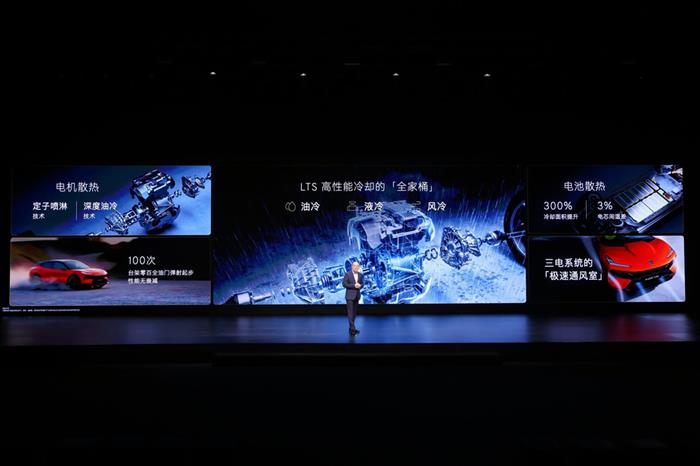
2. Extreme-Environment Thermal Management: Transitioning from “Power Competition” to “Thermal Control Dominance”
• Core Challenge: As the power density of motors continues to increase, the amount of heat generated grows exponentially (when the current is tripled, the heat generation increases by nine times). "Thermal degradation" has become the ultimate barrier to the continuous high-performance output of vehicles, and it is also the core bottleneck preventing most high-performance vehicles from continuously delivering peak performance, seriously affecting the stability of vehicle performance and their service life.
• Lotus Solutions – High-Performance Cooling System Suite
· Oil-cooling system (core components directly): The rear motor adopts a direct oil spray cooling technology for the stator winding, different from the conventional housing water-cooling scheme. The cooling oil path directly reaches the core area of the rotor, achieving efficient heat dissipation "from the inside out." This enhances the motor's thermal load capacity by 50%, fundamentally solving the issue of motor high-temperature degradation, ensuring continuous and stable output.
· Liquid Cooling System (Three-Dimensional Full Coverage): The battery pack adopts an innovative T-shaped three-dimensional liquid cooling channel design, increasing the heat exchange area by 300% compared to conventional bottom cooling plate solutions. This enables strict control of temperature differentials among cells to within 3°C, ensuring uniform power output and balanced aging of all cells under extreme charging/discharging conditions. As a result, the vehicle maintains stable high-performance output while extending battery service life.
· Air-cooling system (rapid heat dissipation): Utilizing the space provided by the horizontal engine layout, a through-flow air duct is designed to allow air to actively flow through the core areas of the three-electric system, creating a "ventilation chamber" heat dissipation effect, rapidly removing the waste heat generated during system operation, and building a multidimensional, comprehensive integrated cooling system to achieve precise temperature control under different operating conditions.
• Engineering Achievement: This thermal management system is derived from the thermal management technology of the Lotus Evija, a 2,000-horsepower all-electric hypercar. Specifically designed to address the multi-zone cooling challenges inherent in hybrid powertrains—namely, the engine, electric drive, and battery—it has delivered a landmark achievement: during bench testing, the Lotus For Me successfully completed 100 consecutive full-throttle 0–100 km/h launch acceleration runs, with the acceleration performance curves of the 1st and 100th runs virtually identical—demonstrating zero powertrain performance degradation. This milestone signifies that the vehicle has successfully overcome the “thermal wall,” enabling sustained delivery of peak performance. It breaks away from the marketing-driven trend among some new-energy vehicles that prioritize headline-grabbing power figures over real-world thermal resilience, thereby setting a new industry benchmark for high-performance vehicles in the new-energy era.
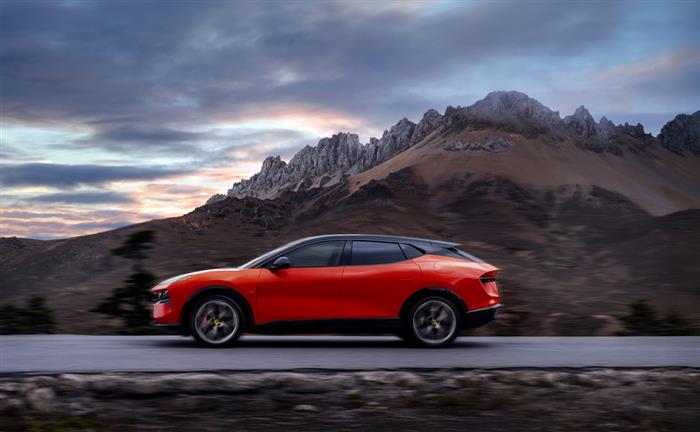
3. Full-Scenario Adaptability: Adaptation capability across diverse road conditions worldwide, from extreme cold to other global environments.
• 4-Minute Extreme Cold Wake-Up Function: Tailored to the climatic conditions of global markets—especially cold regions like Europe and North America—the Lotus Eletre For Me comes standard with a 7kW high-voltage PTC heater. This system can warm a frozen battery from -30°C to its optimal operating temperature range within just 4 minutes, delivering cold-start performance superior to most internal combustion engine vehicles. It effectively addresses the performance limitations commonly faced by new energy vehicles in extreme cold, ensuring reliable operation across diverse extreme climate conditions worldwide and guaranteeing a consistent user experience across regions.
• Smart Energy Management System: The system offers four driving modes — Pure Electric Priority, Fuel Priority, Forced Pure Electric, and Lotus Intelligent Drive — and can predict driving conditions based on navigation routes, intelligently optimizing the oil-electric allocation strategy to achieve optimal energy efficiency in different scenarios. Notably, the Lotus For Me is equipped with a full-time four-wheel drive system that delivers 0ms instantaneous response. Combined with the vehicle's load optimization design, its four-wheel drive mode consumes less energy under WLTC conditions compared to the two-wheel drive mode, challenging the industry perception that four-wheel drive vehicles have higher energy consumption than two-wheel drive vehicles, achieving a dual balance between performance and economy.
III. Intelligent Driving and the Revolution of the Chassis: Converting 952 Horsepower into a Linear and Controllable Driving Experience
Lotus’s core orientation in intelligent technology R&D is not the pursuit of autonomous driving functionality, but rather leveraging technological innovation to enhance the driver’s driving capability—upholding a “driver-centric” R&D philosophy. Feng Qingfeng emphasized: “Horsepower without control holds no practical value.” He further noted that approximately 900 horsepower represents the upper limit of power that an average driver can safely and confidently manage. Accordingly, Lotus’s engineering team precisely set the For Me’s power output at 952 PS—a deliberate restraint rooted in Lotus’s 78-year racing heritage and profound understanding of speed and handling: not only mastering the technology to achieve high speed, but excelling in delivering speed that remains fully controllable. All intelligent technologies in the Lotus For Me ultimately serve one central objective: transforming its formidable 952 PS output into a driving pleasure that an average driver can safely, precisely, and delicately perceive and control—realizing “dual characteristics in one vehicle”: in Eco Mode, delivering a comfortable and smooth ride ideal for daily commuting; in Sport Mode, offering sharp, responsive handling suited for track driving.
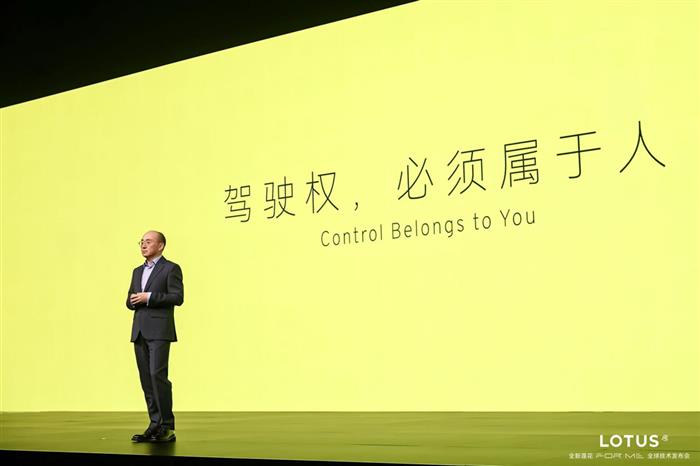
This "driver-centric" philosophy is precisely the origin of the Lotus "For Me" name. In an exclusive interview, Feng Qingfeng revealed: “Why is this theme called ‘For Me’? It actually comes from our users. During a test drive with one of our pioneer customers—I was accompanying him—he said, ‘This car was made for me. When I drive it, I don’t need a chauffeur.’ I believe there’s definitely a group of people who are passionate about driving like this, and we just need to attract them.” This also explains Lotus’s differentiated marketing approach—not chasing massive traffic, but focusing solely on core users who truly love driving and identify with Lotus’s philosophy.
1. Six-Dimensional Dynamic Chassis: Upgrading from Three-Dimensional Stability to Six-Dimensional Coordination
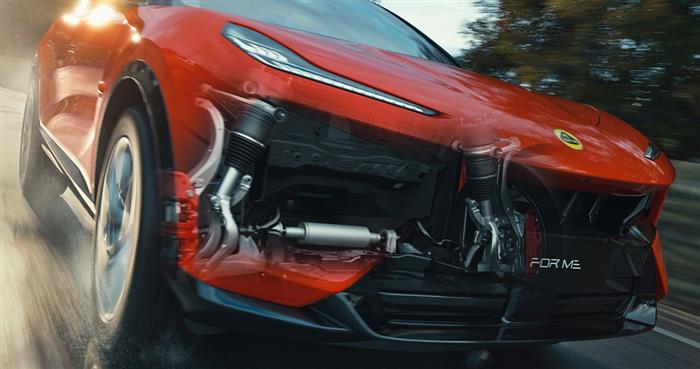
• Technical Principle: Traditional chassis control systems mainly regulate the vehicle's pitch, roll, and yaw, making it difficult to achieve precise control over subtle body movements. The For Me, equipped with a six-dimensional dynamic chassis system, was co-developed by Sino-European engineering teams, with the British engineering team responsible for the calibration and tuning of the chassis dynamics. Utilizing 23 sensors and 39 signal channels distributed throughout the vehicle, the system monitors and coordinately controls the vehicle's six degrees of freedom (adding subtle vertical, longitudinal, and lateral movements) at a frequency of 1000 times per second, achieving more precise body attitude management, enhancing driving stability and control precision.
• Contextual Value: The system can perform 200 vehicle body state assessments within the time it takes a human to blink (approximately 0.2 seconds). When the vehicle is traveling at 120 km/h, it conducts one driving condition evaluation and pre-adjustment every 33 millimeters—roughly the width of a single tire tread block—enabling feedforward suppression of external disturbances such as road joints, crosswinds, and weight transfer. This delivers "magic-carpet" ride smoothness—keeping occupants stable while the car moves—effectively eliminating the motion sickness commonly associated with large SUVs and simultaneously enhancing both handling precision and ride comfort to meet the demands of both daily commuting and spirited driving.
2. F1 Control Master “Five-Piece Set”: Physical Limit Reconstruction at the Hardware Level
Lotus has invested a significant amount of resources in the research and development of core chassis components, reconstructing the physical limits of vehicle control through technological innovation, and creating a leading control hardware foundation in its class. This specifically includes four core components, forming an "F1-level control hardware combination":
• Closed dual-chamber air suspension + dual-valve CDC electromagnetic damping system: With a wide range of damping adjustments, it can flexibly balance the comfort of daily driving and the support needed for intense driving. The roll support stiffness is as high as 2.7deg/g, reaching supercar levels. It can quickly switch the suspension state according to different road conditions and driving modes, achieving the optimal balance between comfort and handling.
• 48V Active Stabilizer: With a response time of only 10ms (reaching esports-level latency), peak torque reaches 1400N·m, and can actively suppress body roll in milliseconds before it occurs, which is the key component to eliminate the "boat-like" feeling of large SUVs. The torque can be infinitely adjusted between 0 and 1400N·m, ensuring vehicle stability during high-speed lane changes and sharp turns, enhancing driving safety.
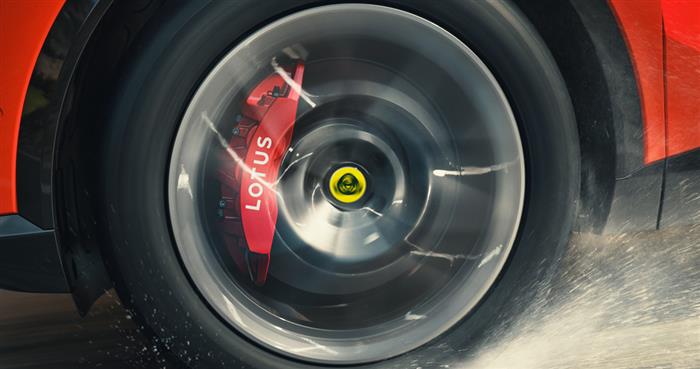
• Brembo Custom Braking System: Jointly developed with Brembo based on LTS standards, after thousands of matching calculations and real vehicle tests, it achieves a 100-0km/h braking distance of 33.9 meters. In comparison, the braking distances of benchmark high-performance SUVs in the same class generally range from 34.5 to 36.4 meters. This 0.6-meter performance advantage significantly enhances driving safety in emergency braking scenarios. Additionally, the braking system features strong resistance to thermal fade, ensuring stable performance during continuous braking, suitable for extreme conditions such as track driving.
• Pirelli LTS-exclusive tires: Featuring a specially formulated compound, these tires enhance dry-ground grip by 10% while reducing rolling resistance by 20%, successfully breaking the “impossible triangle” among grip, wear resistance, and low rolling resistance. They ensure strong road adhesion even on wet surfaces, providing a fundamental basis for handling safety and simultaneously reducing vehicle energy consumption.
3. DPM Dynamic Performance Management System: Empowering Track DNA at the Algorithmic Level
• Technological Philosophy: DPM (Dynamic Performance Management) is a core technology from the Lotus Evija supercar, now adapted for broader use, and represents the ultimate expression of Lotus' driving philosophy. Unlike traditional Electronic Stability Control (ESC), which intervenes forcefully and cuts power when wheel slip is detected, disrupting driving continuity and purity, the DPM system acts as an "invisible professional navigator," more like an experienced and tactful "driving assistant" that provides precise protection in critical situations without interfering with the driving experience, balancing driving enjoyment and safety.
• Operational Principle: Developed based on Lotus’s 78 years of Formula 1 track data and chassis tuning expertise, this system permits controlled, moderate vehicle slip within safe limits, enabling drivers to fully perceive the tire–road adhesion limits and savor pure driving pleasure. Approximately 0.1 seconds before the vehicle approaches loss of control, the system executes linear, real-time corrections to the vehicle’s attitude via millisecond-precise, subtle adjustments to torque distribution across all four wheels and braking force—returning the vehicle smoothly to a stable trajectory without requiring complex driver inputs. This design precisely fulfills Feng Qingfeng’s core objective: “Empowering ordinary drivers with the same sense of security and control that professional race drivers possess when operating at the very edge of vehicle stability.”
4. Integration of Intelligence and Aesthetics: Concealed LiDAR and Active Aerodynamics
• Hidden LiDAR: To avoid the rooftop sensors compromising the vehicle's overall design and aerodynamic performance, the Lotus For Me adopts a retractable LiDAR design, balancing intelligent perception with design aesthetics. When not in use, the LiDAR can be completely concealed within the body, contributing nothing to wind resistance or noise; when needed, it can quickly rise, ensuring the intelligent driving system's perception requirements are met while continuing the Lotus brand's tradition of "optimizing functional layout for aesthetics and aerodynamics," embodying the design philosophy of "technology can be complex, but the form must be pure."
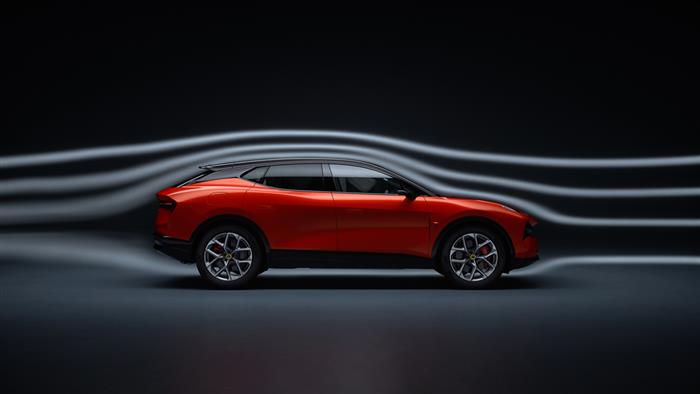
• Race-Aero real air ducts and active rear wing: The vehicle is designed with 4 sets of 8 real through air ducts, utilizing the Venturi effect to generate stable downforce, significantly improving the vehicle's stability at high speeds. The active rear wing has a 4-level intelligent adjustment function, providing up to 120kg of downforce at high speeds (some test data show 112.5kg). At 170km/h emergency braking, it can open to a 34-degree angle, acting as an "air brake" to assist in shortening the braking distance, achieving a dual improvement in aerodynamic performance and driving safety, balancing track performance and daily safety.
IV. Lightweight Design: The Core Foundation of High Performance and the Ultimate Pursuit in Engineering R&D
The famous quote by Lotus founder Colin Chapman, "Adding power makes you faster on the straights. Subtracting weight makes you faster everywhere," remains a core tenet of the brand. Lightweighting, as a core path to improving vehicle performance, runs through the entire R&D process of the Lotus For Me. The Lotus For Me faces unprecedented challenges in lightweight R&D – as a large SUV over 5.1 meters long, equipped with a 70kWh large-capacity battery pack and a complete hybrid system, its curb weight would approach three tons following conventional design paths. To this end, the Lotus engineering team, through extreme material selection and structural optimization, successfully achieved a 500kg weight reduction goal, embodying the R&D philosophy that "nothing is lighter than a hollow design," and integrating lightweighting into every design detail.
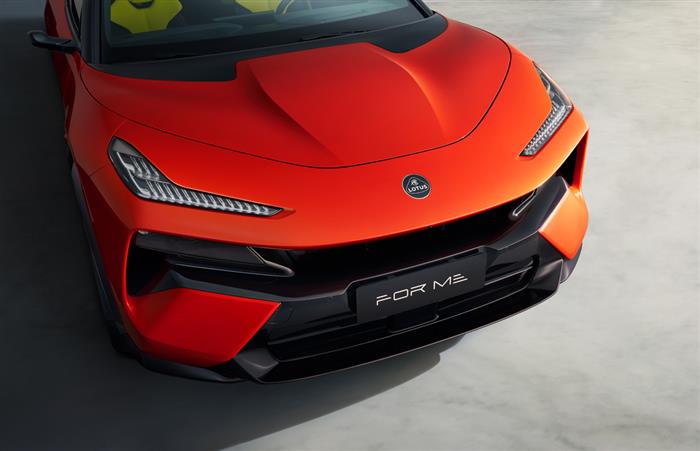
• Weight Reduction Achievements: The Lotus For Me’s kerb weight is strictly controlled at 2,575 kg—lighter than the all-electric Lotus Eletre—delivering a power-to-weight ratio of 370 hp per tonne. For industry comparison, the Lamborghini Urus achieves approximately 310 hp/tonne, while the Ferrari Purosangue achieves approximately 332 hp/tonne. This data demonstrates that the Lotus For Me, despite its large-SUV dimensions, achieves a power-to-weight ratio surpassing that of traditional ultra-luxury SUVs. Each lightweighting optimization directly translates into superior performance outcomes, including shorter braking distances, faster steering response, and lower energy consumption.
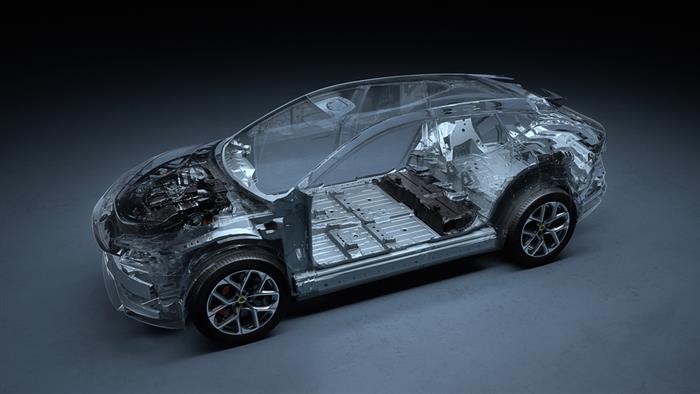
• Core Technical Approaches: These include a co-developed aluminum-steel hybrid body structure with Novelis (comprising 95% high-strength steel and aluminum, achieving a white-body torsional rigidity of 34,000 Nm/deg while weighing only 395 kg—comparable to a typical mid-size sedan—and surpassing the torsional rigidity of the Land Rover Defender, Volvo XC90, and Porsche Cayenne); a semi-solid magnesium alloy die-cast rear motor housing (despite the process’s low yield rate and high R&D costs, it reduces unsprung mass by 20 kg without compromising structural strength); ultra-thin 0.2 mm motor silicon steel laminations (lighter than conventional 0.3 mm laminations); and a high-strength composite battery tray (delivering a 46% weight reduction while significantly enhancing the battery’s low-temperature performance). Each lightweighting measure directly improves braking performance, steering responsiveness, and energy efficiency, achieving synergistic gains in both lightweight design and vehicle performance.
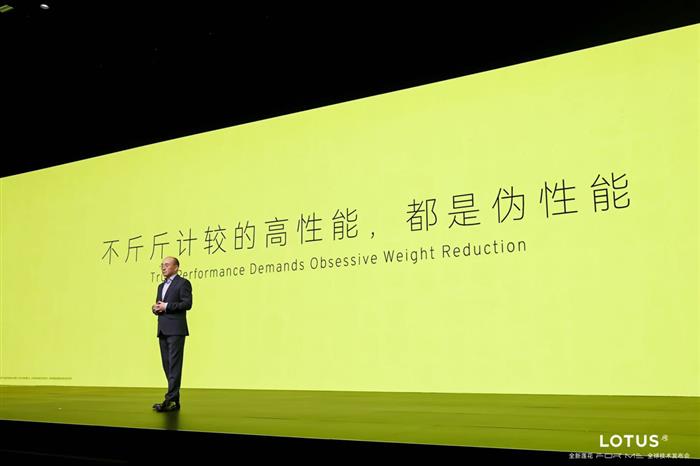
Feng Mengfeng also provided a clear solution to the profit pressure brought by high costs and lightweight: "It will be hard for super-luxury brands to survive independently in the future. We are fortunate to be within Geely's large group system, so we can effectively control costs. The part 'under the iceberg' can be shared and common, while the part 'above the water' is unique, personalized, and belongs to you." He gave an example, saying that Lotus uses the Group's Hao Han intelligent driving system for its intelligent driving solutions, and its electronic and electrical architecture is also shared with the Group, avoiding the need for hundreds of billions in R&D investment. "However, the part 'above the iceberg' is different. For example, we have installed four motors, which are all aimed at enhancing Lotus's unique driving characteristics, and this will never change."
Industry Significance and Conclusion: A Value Reconfiguration Centered on "Control"
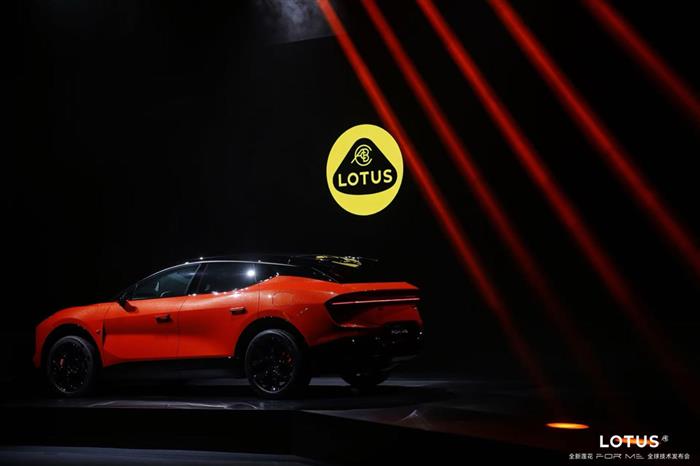
The profound industry significance of the Lotus “For Me” Global Technology Launch lies in providing a distinct technical philosophy paradigm for high-performance vehicles at a pivotal industry juncture—where electrification and intelligentization are deeply converging—and represents a critical implementation of Lotus’s “Vision80” brand revitalization strategy in the hybrid powertrain domain. This model seeks to address core demands of today’s mature consumers: how to fulfill familial mobility responsibilities while simultaneously satisfying one’s passion for driving—achieving organic integration of a 5.1-meter body length, over 1,400 km of range, and a 0–100 km/h acceleration time of just 3.3 seconds—so that comfortable family travel and pure driving pleasure coexist harmoniously.
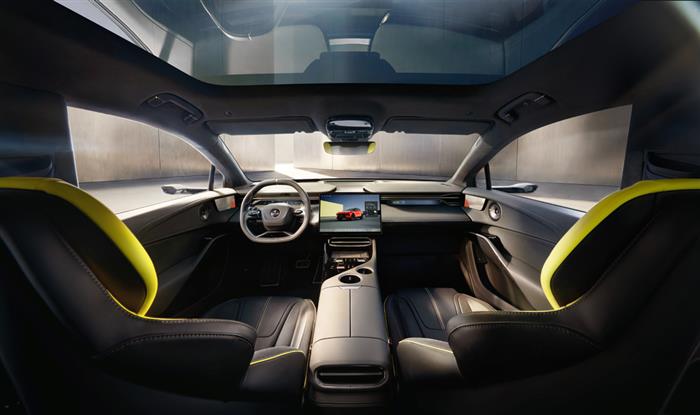
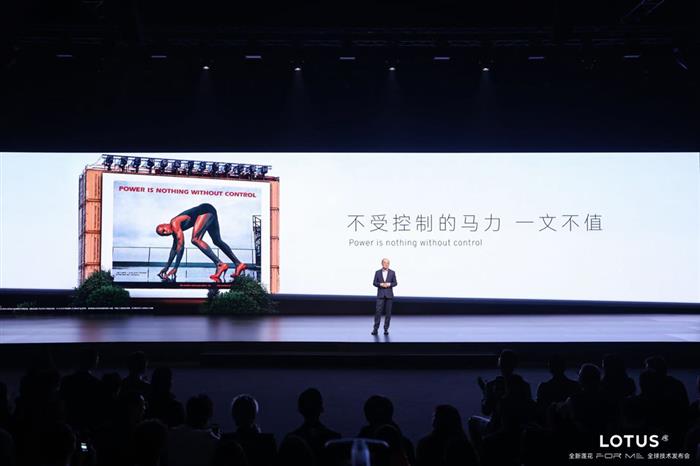
Feng Qingfeng clearly stated the core purpose of the press conference as "getting back to the basics": "In the era of traditional high-performance cars, the definition was very clear, with no ambiguous boundaries. When a car had a large horsepower, its brakes, steering, and handling were certainly excellent. But today's situation has changed. Horsepower has become too easy to obtain. When horsepower is easily available but other aspects are not keeping up, can it still be called a high-performance car?" He used a vivid analogy to explain his point: "A person with a strong body may also lose control under certain conditions. Can someone run faster in high heels than in running shoes? Impossible. Therefore, I think it's necessary to tell consumers clearly what real high-performance cars are."
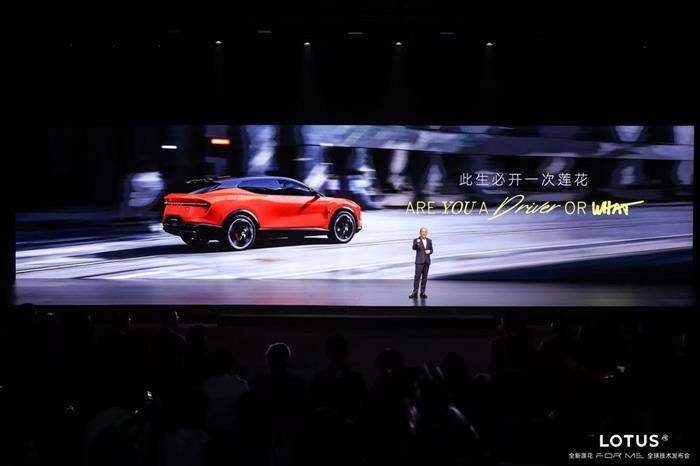
In terms of marketing, Feng Qingsheng revealed the core adjustments for this year: first, establishing a new media department and emphasizing online development. "Many dealers already have 50% of their orders coming from online, and a purely offline approach is no longer suitable for the Chinese market." Second, promoting global regional cooperation, "the Europe, China, and Middle East & Asia Pacific regions will carry out sales collaboration and mutual empowerment." At the same time, they will train European dealers in digital marketing. "Europe is more traditional, and digital marketing is just starting out there, but China is already very advanced. We hope European dealers can also establish digital teams." Regarding the popularization of the "premium domestic" positioning, he believes the key lies in consumer experience. "This is our problem, not the consumers'. It's because our promotion is not good enough, and we haven't let more people experience it. So at the end of the press conference, I said a sentence: 'Go and drive it.' Go and drive a Lotus. Only by driving a Lotus can you know what a Lotus is."
Regarding the issue of F1's return, Feng Qingfeng candidly said, "F1, I dream of going back. But we still need to have the corresponding strength. This is indeed a dream that I dream about and also want to realize." This persistence towards the racetrack is precisely the core heritage of the Lotus brand spirit.
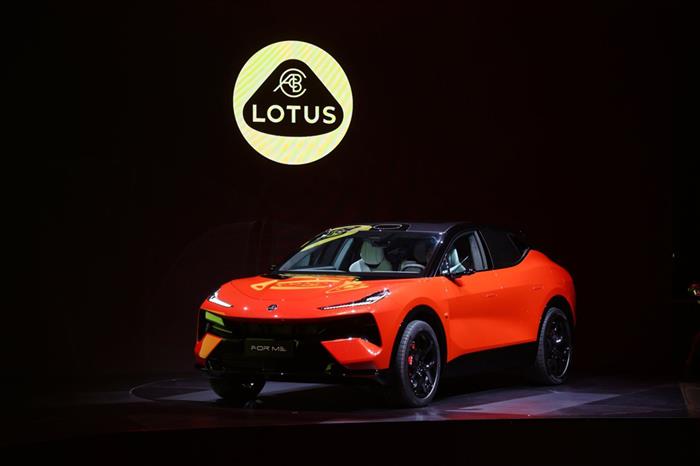
Conclusion: Translate the above content into English, output the translation directly, without any explanation.The all-new Lotus For Me is not merely a "performance monster" pursuing data performance, but a systematic implementation of the Lotus LTS engineering philosophy in the intelligent new energy era. It represents technical efforts toward "all-time all-terrain high performance" and "absolute driving control." Through a deep breakdown of its super hybrid architecture, comprehensive thermal management system, intelligent chassis, and extreme lightweight technology, combined with the insights from Feng Qingsheng's interview, it can be seen that Lotus's technological innovation has evolved from single technology breakthroughs into a closely connected and mutually supporting system engineering — lightweighting lays the foundation for high performance, the thermal management system ensures continuous performance output, the intelligent chassis and DPM system transform powerful power into controllable driving pleasure. Every technological research and development is centered around the "driver." At this industry juncture in 2026, where market differentiation is intensifying and technical routes are in dispute, Lotus For Me provides a complete answer to "how to create a true driver's car" with clear technical logic and a firm driver-centered position. Its subsequent market performance will directly test how much consumers value the essential joy of "driving control" amid the intelligent trend, and will also provide important references for the development of the high-performance automobile industry.
【Copyright and Disclaimer】The above information is collected and organized by PlastMatch. The copyright belongs to the original author. This article is reprinted for the purpose of providing more information, and it does not imply that PlastMatch endorses the views expressed in the article or guarantees its accuracy. If there are any errors in the source attribution or if your legitimate rights have been infringed, please contact us, and we will promptly correct or remove the content. If other media, websites, or individuals use the aforementioned content, they must clearly indicate the original source and origin of the work and assume legal responsibility on their own.
Most Popular
-

Continental Plans to Begin Sale of ContiTech in Early 2026
-

$4 Billion! Medtronic Makes Another Acquisition
-

BASF Delivers First Batch of Innovative Cathode Materials for Semi-Solid-State Batteries to Weilan New Energy
-
Profit and Revenue Growth Struggle to Conceal Debt Repayment Pressure; Success of Kingfa Sci & Tech's High-End Strategy Yet to Be Seen
-
Why did a century-old european dental instrument giant relocate its manufacturing hub to china?