



Chinese r&d team successfully achieves industrial-scale mass production of pbst fully biodegradable foaming material
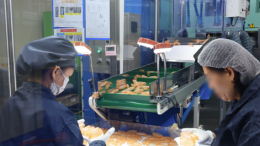
Recently, Hainan Refining & Chemical, together with the Beijing Research Institute of Chemical Industry and downstream customers, formed an R&D team and successfully achieved industrial-scale mass production of PBST fully biodegradable foam materials, filling a gap in China’s proprietary intellectual property in the field of biodegradable foam materials.
PBST, full name poly(butylene terephthalate-co-butylene succinate), is a fully biodegradable polyester material with excellent mechanical properties, heat resistance, and biodegradability.
The R&D team successfully achieved industrial-scale production of fully biodegradable foamed materials from PBST by optimizing the modified formula and physical foaming process, leveraging the excellent properties of PBST raw materials.
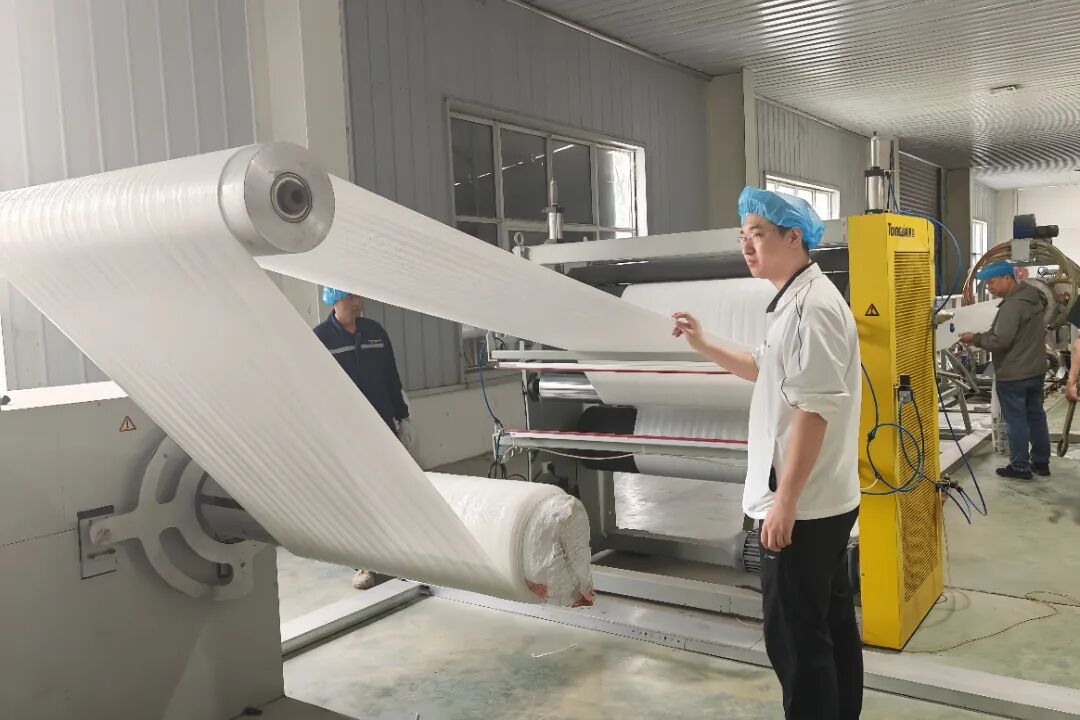
The product achieves an expansion ratio of 28 times, with closed-cell rate, tensile strength, and other performance indicators all superior to those of traditional products. It offers outstanding advantages such as uniform cell structure, low shrinkage, and high structural strength, and can be widely applied in scenarios including green logistics industrial packaging, building engineering support, and household daily-use products.
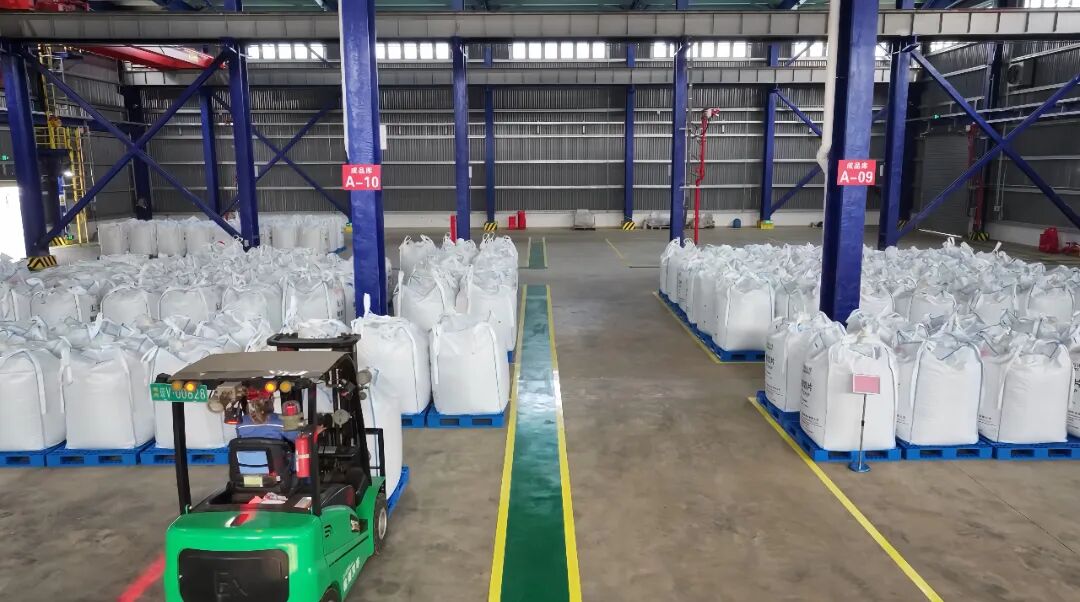
Since the commissioning of China’s first industrial demonstration unit for continuous PBST production in March 2025, Hainan Refining & Chemical has strengthened product R&D and continued to expand product application scenarios, achieving applications in biodegradable mulch film, films, nonwovens and other fields, and promoting the extension of basic raw materials into high-end, high-value-added sectors.
In the 600-mu rice field demonstration base in Leizhou, Guangdong, Sinopec PBST biodegradable mulch film has shown excellent performance in UV resistance and moisture vapor barrier properties. The rice has grown well, and the film has demonstrated clear effects in heat retention, soil moisture preservation, and weed suppression.
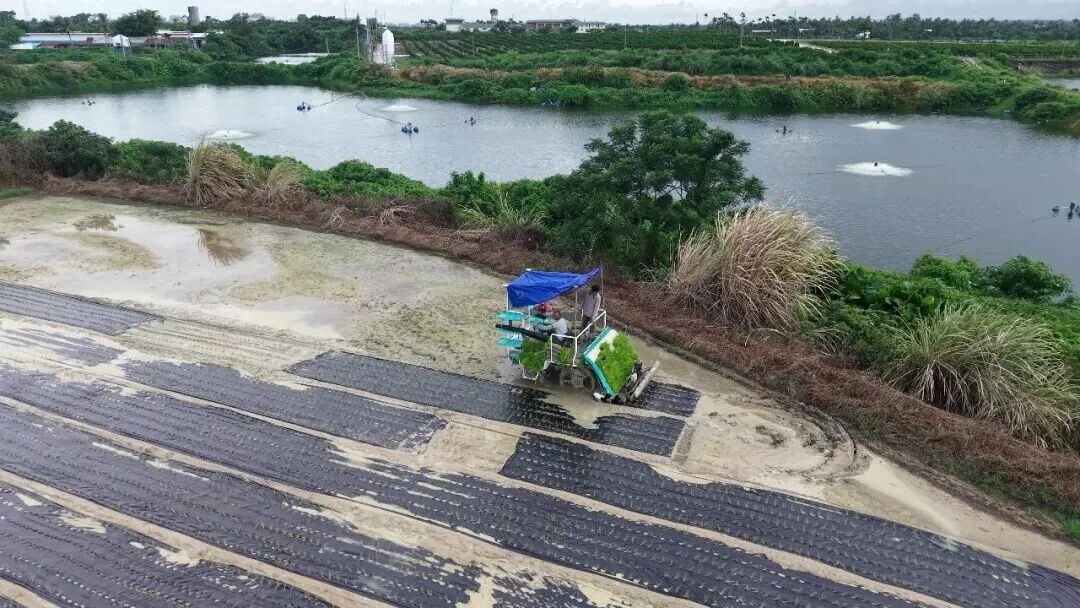
In Xinjiang’s 10,000-mu sugar beet fields, PBST dual-color biodegradable mulch film has already been applied on a large scale. The black film efficiently suppresses weeds, while the white film absorbs heat and raises soil temperature, and the degradation cycle of the mulch film can be precisely controlled. Compared with conventional mulch films, which are difficult to degrade and prone to residue, PBST mulch film ultimately decomposes into water and carbon dioxide, addressing the problem of residual film “white pollution” at the source and providing a high-quality solution for the green development of ecological agriculture.
【Copyright and Disclaimer】The above information is collected and organized by PlastMatch. The copyright belongs to the original author. This article is reprinted for the purpose of providing more information, and it does not imply that PlastMatch endorses the views expressed in the article or guarantees its accuracy. If there are any errors in the source attribution or if your legitimate rights have been infringed, please contact us, and we will promptly correct or remove the content. If other media, websites, or individuals use the aforementioned content, they must clearly indicate the original source and origin of the work and assume legal responsibility on their own.
Most Popular
-

Layoffs, Divestments, Plant Closures While Pouring Billions: BASF Undergoes Major Transformation!
-
Ascend Adipic Acid Hit By Force Majeure, Market Expects Supply Resumption In Mid-September
-

Raw Material Supply Shortage! INEOS Phenol Declares Force Majeure on Phenol and Acetone Businesses
-
South Korea initiates anti-dumping investigation against Chinese PVC suspension resin! The target is Tianjin Bohua and Wanhua Chemical. How to break through?
-

Sixth national procurement set to be implemented: A “Reshuffling” Moment for the $10-Billion Medical Device Market


