Carbon fiber reinforced thermoplastic composites: The Technological Key to Giving Aircraft "Recyclable Armor"
On the fuselage of the Boeing 787 and Airbus A350, over 50% of the structural components are no longer made from traditional metal materials but have been replaced by a "black technology" material—carbon fiber reinforced thermoplastic composites. This material is not only lighter and stronger than metal but can also be reshaped repeatedly like plastic through heating and even recycled! Recently, the research results from Professor Li Guangji's team at Hangzhou Dianzi University have pushed the performance of this material to new heights. Today, we will uncover the magical qualities of this "future material"!
Thermoplastics vs Thermosetting: A "Character Showdown" of Materials
Composite materials are composed of reinforcing fibers (such as carbon fibers) and a resin matrix. Traditional thermosetting resins (such as epoxy resin) cannot be reversed once cured, just like a boiled egg cannot return to a liquid state. Although they have high hardness, they are brittle, have long processing cycles, and are not recyclable. In contrast, thermoplastic resins (such as PEEK, PPS) are like modeling clay; they soften when heated and harden when cooled, allowing for repeated processing. This "transformable" characteristic brings three major advantages:
1. High toughness: stronger resistance to impact and crack propagation.
Efficient production: Molding only takes tens of minutes, which is several times faster than thermosetting processes.
3. Environmental economics: Waste materials can be recycled and reprocessed, reducing the high manufacturing costs in the aerospace field.
"Patch up" composite materials: The magic of high toughness regions (HTRR)
The fatal weakness of traditional carbon fiber composites is interlayer delamination—like the pages of a book being torn apart, the layers can easily separate due to stress concentration, as shown in the problem image in Figure 1.
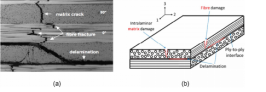
Figure 1. Failure Layer Analysis
Li Guangji's team successfully solved this problem by innovating a process that implants "crack-resistant patches"—high toughness resin regions (HTRR) into the material, as shown in Figure 2. The implementation method is as follows: Mixing and weaving method: Carbon fiber is mixed with PPS fiber to form a special fabric structure; compression molding: Under high temperature and pressure, PPS melts and fills the gaps between the fibers, forming a tough "lock"; distribution optimization: By controlling the quantity, size, and distribution of HTRR, the crack propagation path is made to "get lost," redirecting it from interlayer to intralayer.
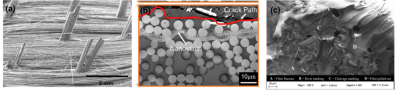
Figure 2. Toughening methods for composites
After applying the patches, the effects were enhanced, with the bending strength increasing by up to 75% and the tensile performance improving by 45%; delamination damage was reduced, and the damage mode changed from "single tearing" to "complex labyrinth-type failure."
"Invisible Armor" of Aircraft Skin: Hat-shaped Stiffened Panel Structure
In the wing and fuselage of the aircraft, the hat-shaped stiffened panel is a key load-bearing structure, as shown in Figure 3. In traditional processes, the connection point between the stiffener and the skin (R area) is prone to cracking due to stress concentration. The research team has significantly improved performance through two innovations: 1. Filling the R area: Filling the gap with prepreg strips to avoid stress concentration caused by wrinkles; 2. HTRR enhancement: Adding PEEK film at the R area and connection points to bond the interface like "glue."
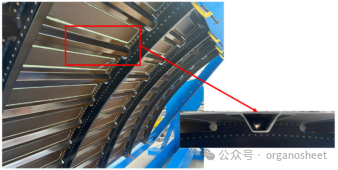
Figure 3. Hat-shaped reinforced wall panel
The optimized effect is significant; the samples without filled R zones fractured directly, while the optimized structure could bear loads in stages, with ductility increased by 118%. The failure mode changed from "brittle delamination" to "ductile interlayer," as if the aircraft were wearing an "invisible armor" that could self-repair.
Perhaps in the near future, the airplanes we fly in, the cars we drive, and even the smartphones in our hands will all use this "recyclable armor." All of this comes from the relentless exploration of the microscopic world of materials by scientists.
【Copyright and Disclaimer】The above information is collected and organized by PlastMatch. The copyright belongs to the original author. This article is reprinted for the purpose of providing more information, and it does not imply that PlastMatch endorses the views expressed in the article or guarantees its accuracy. If there are any errors in the source attribution or if your legitimate rights have been infringed, please contact us, and we will promptly correct or remove the content. If other media, websites, or individuals use the aforementioned content, they must clearly indicate the original source and origin of the work and assume legal responsibility on their own.
Most Popular
-

Mexico Imposes Tariff Up to 36% on Cross-Border E-Commerce Products, Effective January 1, 2026; Plastic Shows Partial Fluctuation Today
-
4.5 Million Tons! Wanhua Chemical Dominates Globally in MDI, Heavy Investment in Battery Materials Spurs New Storm
-

Trump Delays Tariff Increase on Furniture, Cabinets, and Vanities
-
Back-to-back major joker moves! covestro’s 1.32 million ton mdi dual-line expansion and hdi acquisition reshape global polyurethane landscape
-
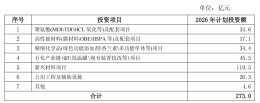
Wanhua Chemical Invests $27.3 Billion, 2026 Investment Map Revealed, $1.1 Billion Bet on Battery Materials