Carbon Fiber Components Go Mainstream: Aikexun's Breakthrough and Advancement Journey
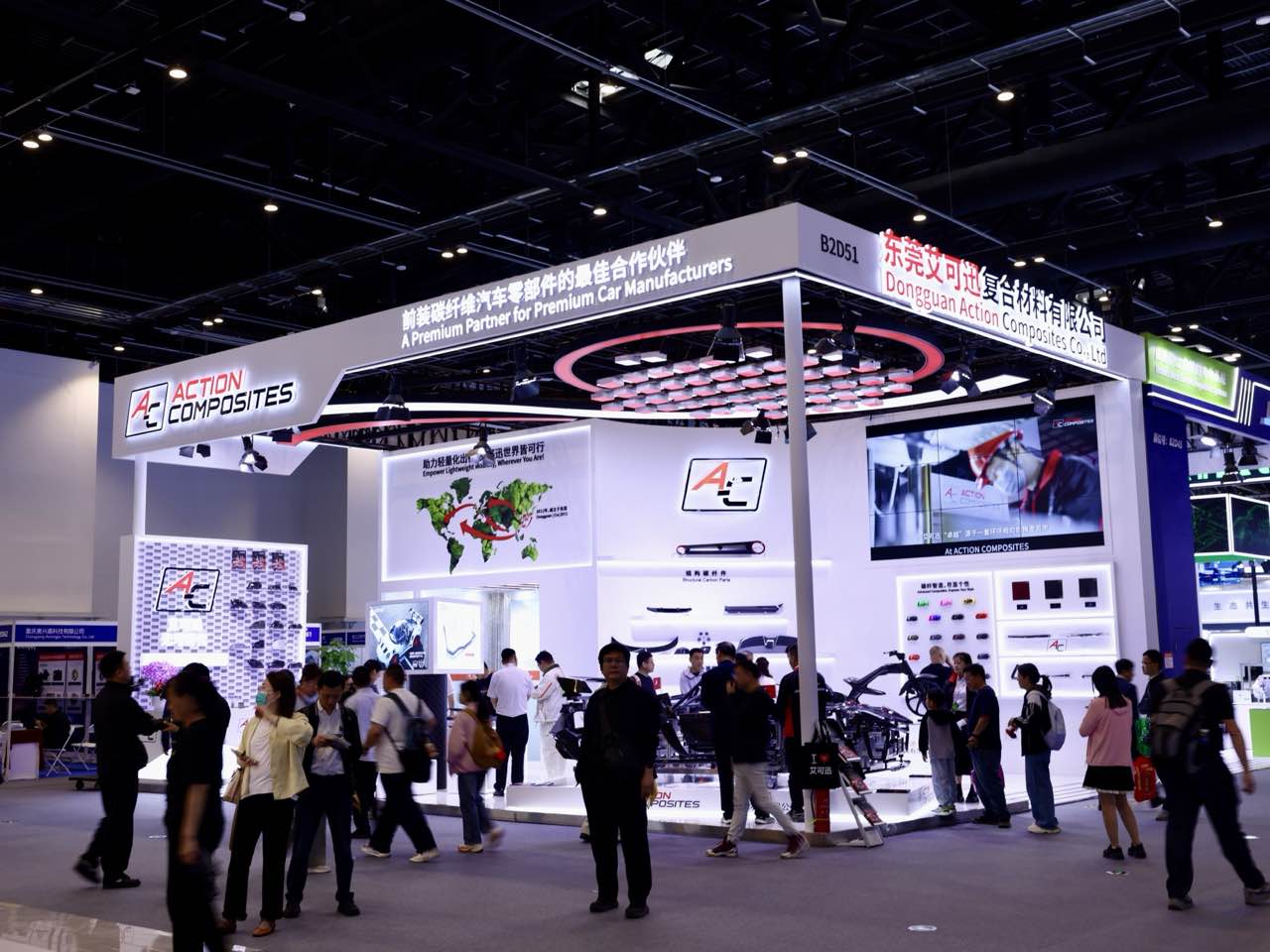
Ecoxon garnered attention at the 2026 Beijing Auto Show with its high-end automotive carbon fiber components.
Amid the accelerating trend of electrification and intelligentization in the automotive industry, new materials and technologies are becoming the core drivers of transformation.
Carbon fiber automotive components are undoubtedly a prime example.
At the 2026 Beijing Auto Show, while the public was immersed in the clamor of complete vehicles and smart technology, the booth of Dongguan Aikexun Composites Co., Ltd. (hereinafter referred to as "Aikexun") presented a series of carbon fiber components quietly - mirror housings, interior panels, roll cages, stabilizers, and wheel hubs. Unassuming, yet quietly triggering a silent materials revolution.
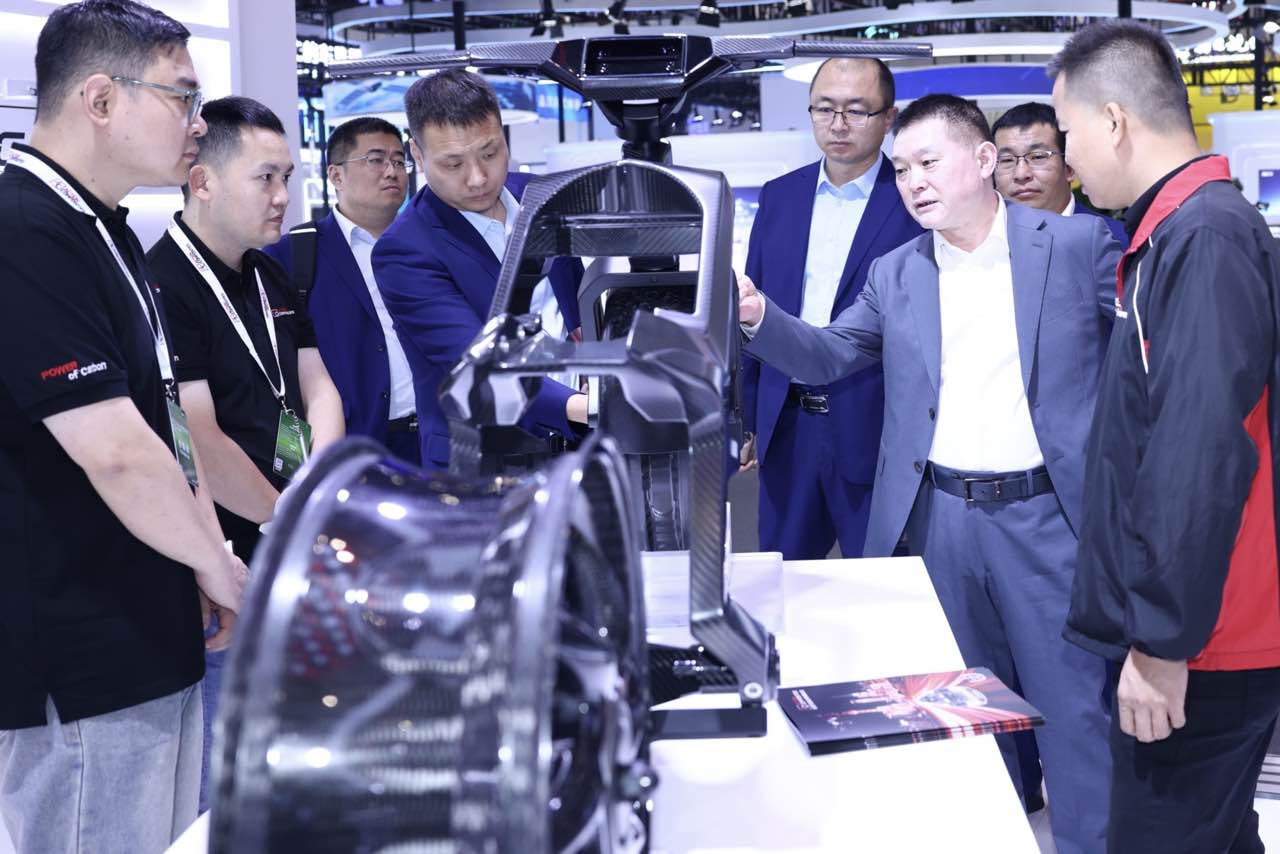
The mass-produced motorcycle carbon fiber components of Aikexun are racing treasures.
"Currently, Aikexun has become a tier-one supplier to more than 30 global top automotive manufacturers," said Ken Liao, Chairman and Chief Operating Officer of Aikexun Group, in an interview with Gasgoo. "This material, as fine as silk yet stronger than steel, is gradually moving from the patent of a few top supercars to a broader market."
Behind this transformation, Aikexun has become an indispensable driving force, leveraging its 14 years of technological expertise and large-scale delivery capabilities.
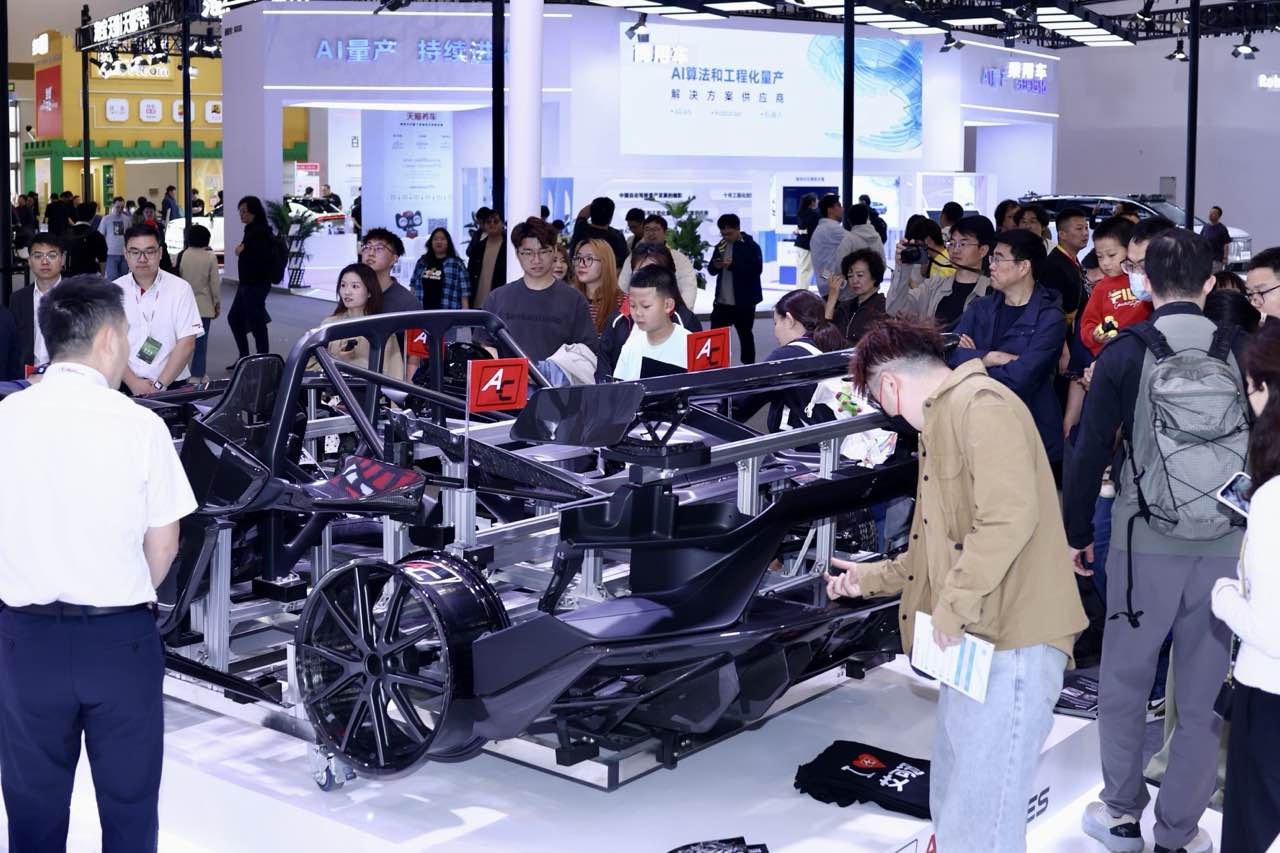
Aikexun’s mass-produced carbon fiber components were impressively showcased on the exhibition vehicle, demonstrating a comprehensive application scenario of carbon fiber products in automotive lightweighting.
The Three Transcendences of Carbon Fiber Automotive Parts: From "Face" to "Inside"
To understand the current status of carbon fiber components, one must trace their journey in the automotive industry—a history of evolution from “face” to “substance.”
From 2012 to 2016, carbon fiber automotive components entered a “technological breakthrough and validation period.” At that time, carbon fiber parts were an “identity marker” reserved for top-tier supercars—characterized by complex manufacturing processes, exorbitant costs, and extremely low production volumes, making them nothing short of luxury items.
From 2017 to 2023, the industry entered the second phase - moving from interior and exterior components to structural parts. The global automotive industry's demand for lightweight materials surged, and international OEMs began to focus on combining carbon fiber decorative and structural components to meet the selection needs of high-end consumers.
Since 2024, carbon fiber components have entered the third phase—characterized by scaled application and market penetration—transitioning into a "mainstream viable option."
During the three stages, the role played by Aixing has also been changing. According to Liao Guoxing, Aixing has transformed from an industry-recognized "pioneer" and "innovator" to a "leader" in lightweight structural components, and is now the "best partner that original equipment manufacturers (OEMs) trust."
What supports this role transition is precisely AICXUN's continuous breakthroughs in core technologies.
For example, in 2014, Aikexun won the JEC Innovation Award for its carbon fiber supercar baseplate; in 2016, it received the award again for its rapid prototyping PCM process for automotive center console panels.
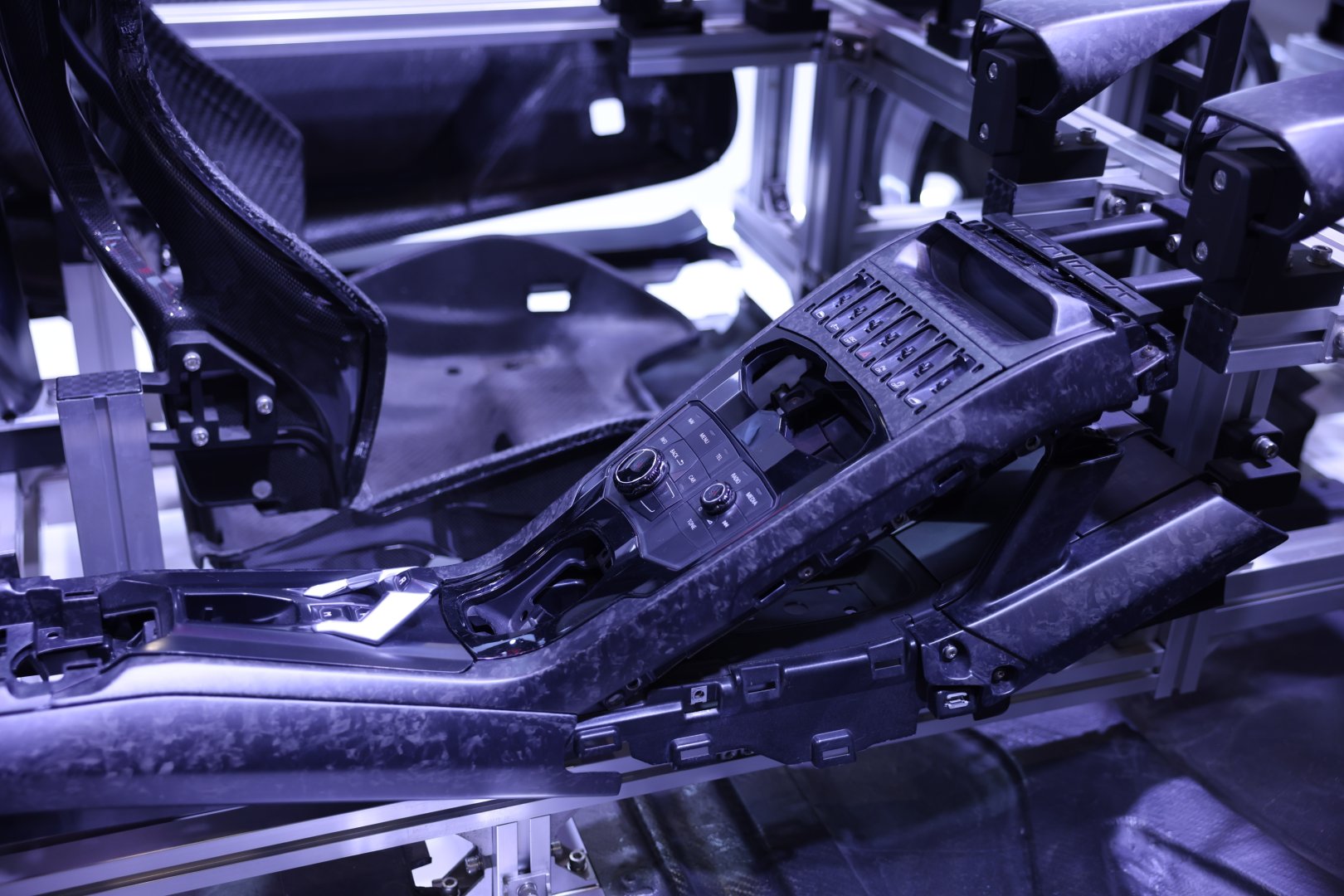
Marble-patterned carbon fiber center console won Aikexun the International Innovation Award and is loved by customers.
In 2018, Aikexun achieved a weight reduction solution for the chassis field using full carbon fiber stabilizer and connecting rods; in 2023, the world's first mass-produced full carbon fiber roll cage was launched, meeting the stringent tests of the FIA, pushing the performance of carbon fiber components to a new height in safety structural parts. Both products won the JEC International Innovation Award.
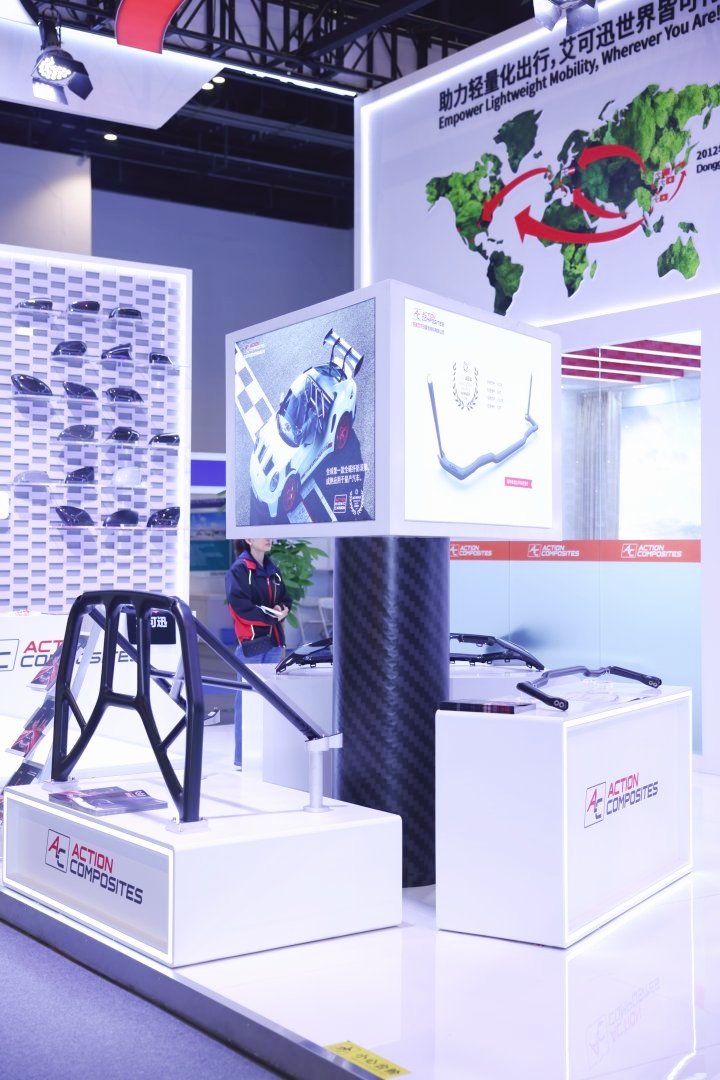
Aikexun's carbon fiber components lead the industry
However, the evolution of carbon fiber components in the automotive industry is not just about the expansion of application scope, but also about the reshaping of value logic.
In the era of internal combustion engine vehicles, the value proposition of carbon fiber components is straightforward: weight reduction equals performance improvement. This is especially true for unsprung components, where the engineering principle “one kilogram of unsprung weight equals ten kilograms of sprung weight” applies. Enthusiasts pursuing ultimate performance are willing to pay for faster acceleration and more responsive handling.
With the advent of the electric vehicle era, the value proposition of carbon fiber components has undergone a fundamental expansion. Electric vehicles are inherently heavier—battery packs often weigh hundreds of kilograms, and curb weights are generally higher than those of comparable internal combustion engine vehicles. Weight reduction achieved by carbon fiber components is no longer solely about enhancing driving dynamics; it directly translates into extended driving range.
"If spending 2000 yuan on carbon fiber parts can reduce the weight by 10 kilograms, thereby increasing the range, then it has value when applied to high-end models," emphasized Guoxing Liao.
In addition, intelligent vehicles have put forward "triple all-rounder" requirements for body materials: lightweight, weather resistance, and electromagnetic compatibility. Compared to plastics and metals, carbon fiber components can simultaneously meet these three conditions - they are strong and lightweight, have excellent weather resistance, and possess a designable transmittance for electromagnetic signals.
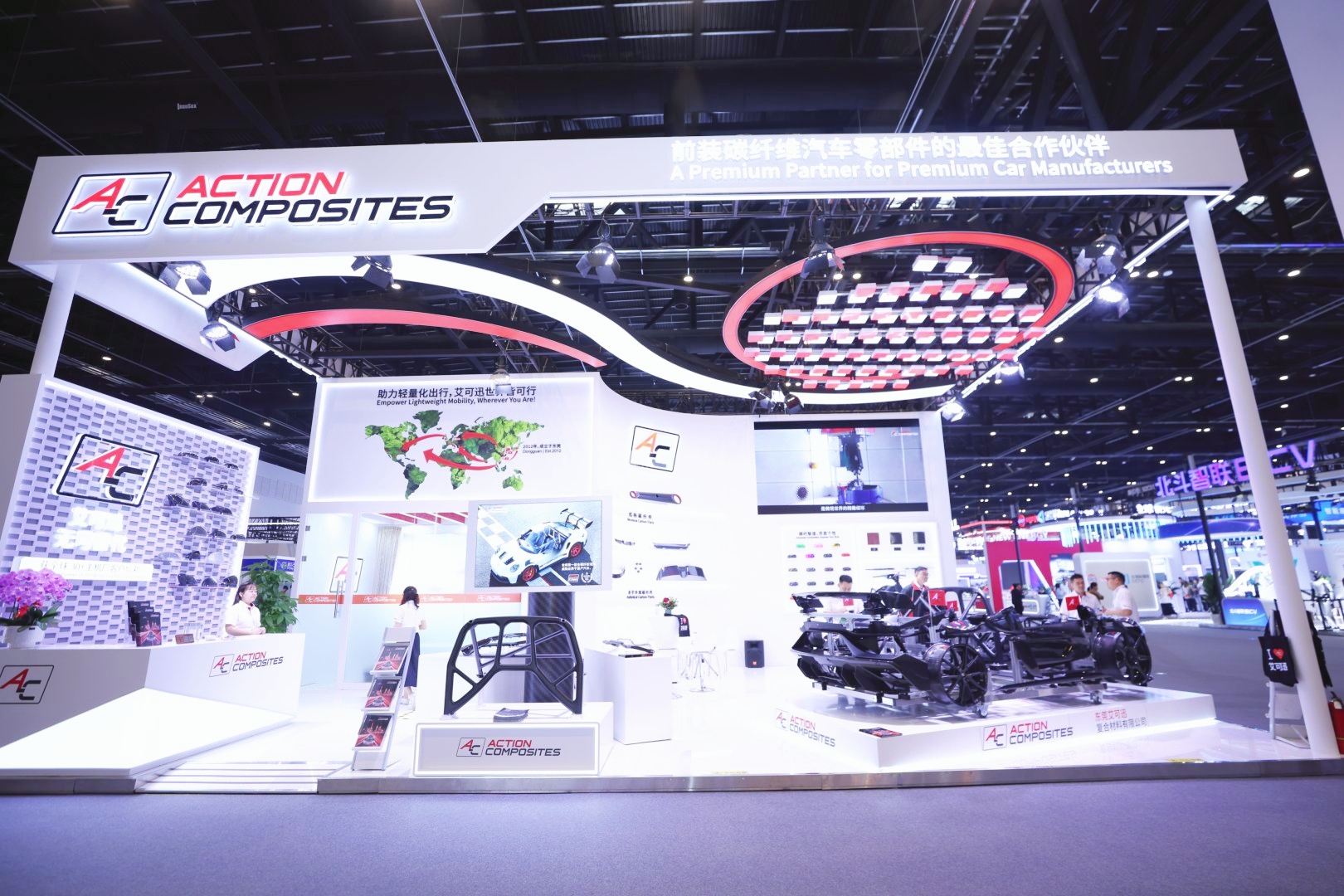
Carbon fiber mass-produced parts of Aikexun made a stunning appearance on the showcase car, demonstrating the complete application scenarios of carbon fiber products in automotive lightweighting.
Entering the "Sinking Era," Accelent's Moat
“We develop and manufacture a wide range of OEM automotive carbon fiber components—from small parts such as gear knobs to large-scale body panels and structural components—covering everything from ‘high-end, visible upgrades’ to ‘essential, invisible requirements,’” stated Liao Guoxing.
It is reported that Aikexun’s carbon fiber mirror housings reached an annual production volume of 100,000 units in 2024; the mass production of carbon fiber stabilizer bars in 2017 marked a breakthrough milestone for chassis structural components; and in 2023, the world’s first mass-produced full-carbon-fiber roll cage entered service, elevating carbon fiber applications to new heights in safety-critical structural components.
At the same time, in the experience of polishing carbon fiber interior and exterior parts to safety structural components, Aikoson has grown together with its OEM customers, also witnessing the application and development process of carbon fiber parts in the automotive industry.
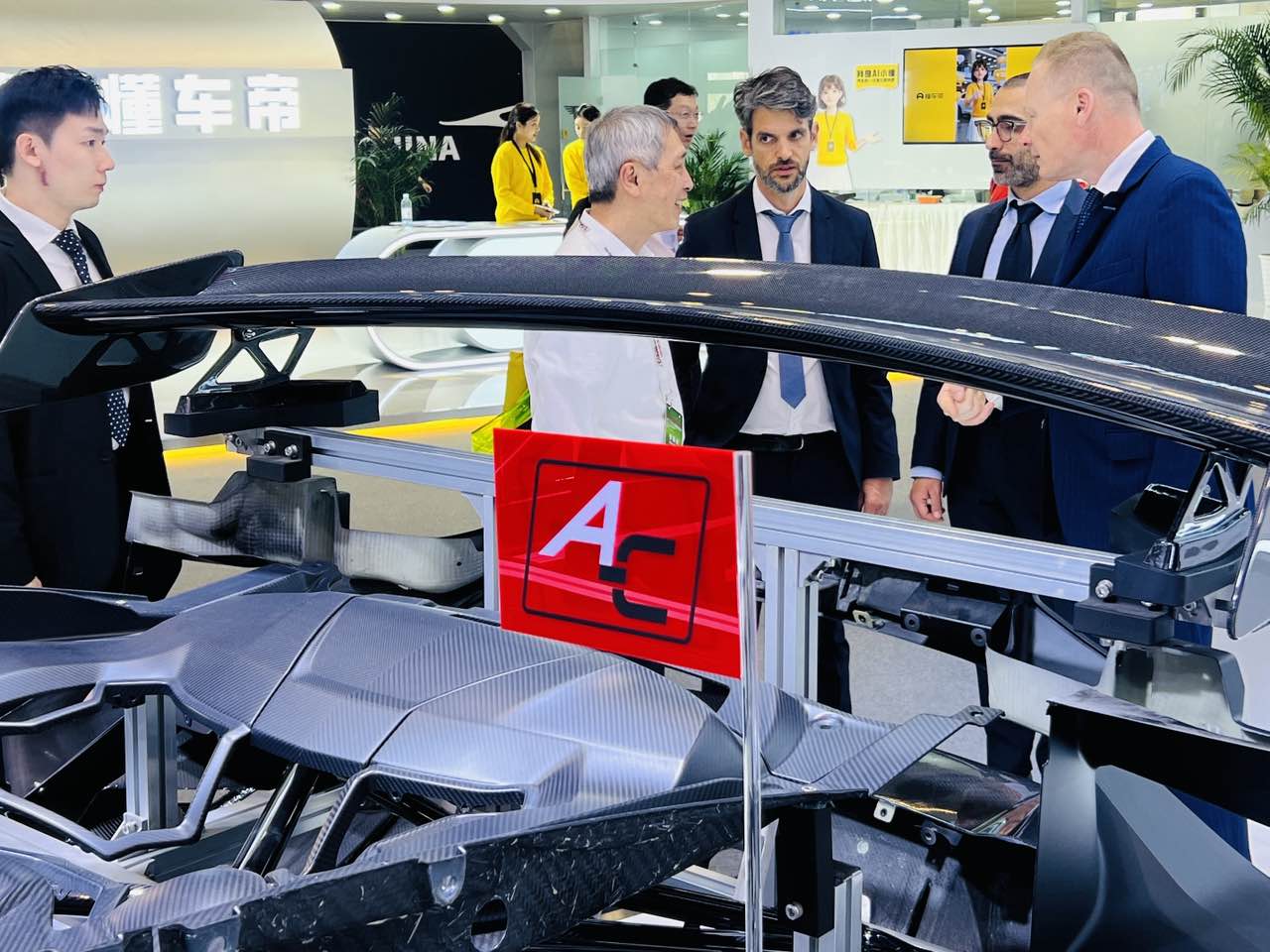
ECS Tuning is a developer and manufacturer of original automotive carbon fiber parts, trusted by over 30 top-tier automakers globally.
At this year’s Beijing Auto Show, Aikexun comprehensively showcased its precision manufacturing capabilities and large-scale production capacity, demonstrating its robust expertise in carbon fiber intelligent manufacturing to the industry.
As the industry’s boom gathers momentum, it is inevitable that competitors will enter the market. Aikexun’s “one-stop service” builds a quality moat through a comprehensive delivery system and rigorous system management, thereby establishing an integrated advantage that cannot be easily replaced by suppliers specializing in a single link.
In terms of deep customization capabilities, Aikexun has evolved from a supplier into a technology partner collaborating with OEMs on R&D.
Unlike traditional component suppliers, Accsoon's 100-person R&D team is involved throughout the entire product lifecycle—from concept development, CAD design, and simulation to stable mass production—ensuring that designs meet both performance and aesthetic requirements while aligning with carbon fiber mass-production processes.
In Liao Guoxing's view, foreign automotive industries started developing carbon fiber components earlier and have formed a continuous market demand. Now, with intensified competition in the carbon fiber raw material sector, carbon fiber components are entering a "downsizing era" in China's automotive market.
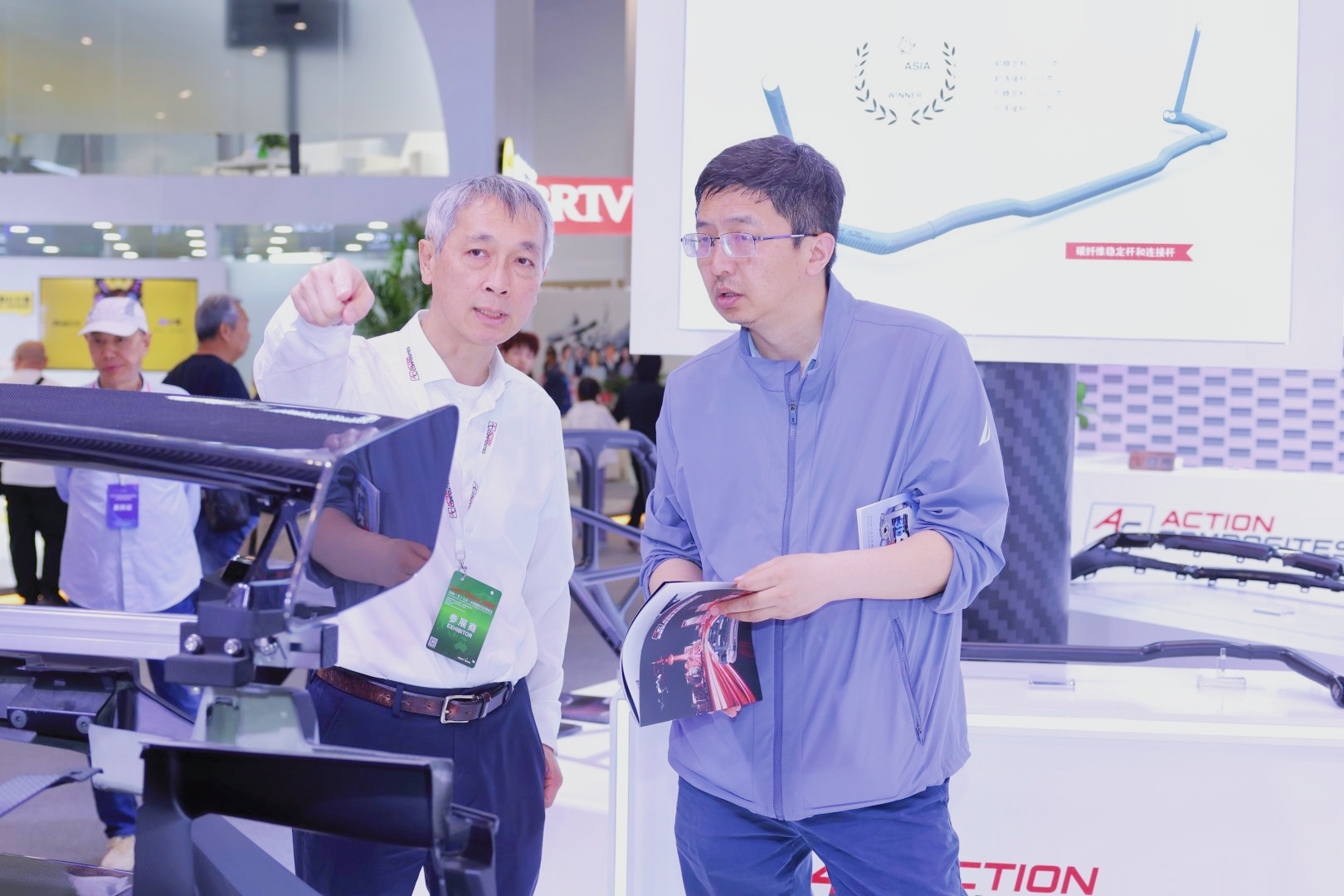
Chairman Liao Guoxing of Aikexun Group explains to visitors at the Beijing Auto Show about the applications of carbon fiber automotive parts, visible and invisible.
As the world's largest automotive market, China's urgent demand for lightweighting, combined with automakers' trend of offering value-added services to end consumers, is driving increasing demand for carbon fiber components.
In fact, China’s new energy vehicle (NEV) penetration rate is higher than that of Europe and the U.S. For electric vehicles, vehicle weight directly affects driving range; for domestic automakers striving to build a premium brand image, carbon fiber components have become virtually essential—they serve both as a key differentiator and as a bold statement of ultimate performance.
Leveraging the technology and scale experience accumulated in the European and American markets, combined with the advantages of global quality and local supply chain, ACTC's Dongguan factory is committed to becoming a core partner in the lightweighting race for Chinese automakers. ACTC's concentrated display of mature mass-produced carbon fiber components marks the maturity of its timing to serve domestic OEMs.
Chinese automakers will become the global growth engine.
In April this year, China officially released the new national standard for carbon fiber-reinforced composite materials. Aikexun believes that this standardization will accelerate the integration of carbon fiber components into the automotive supply chain in a “high-volume, trustworthy, and cost-reducing” manner.
It can be seen that the carbon fiber automotive parts industry is currently at a historic window of opportunity: the level of technological maturity is sufficient to support large-scale applications, national standardization policies are paving the way for the industry, and the trends of electrification and intelligence are creating unprecedented demand scenarios.
However, the window of opportunity does not mean an easy path. It is noteworthy that the application ratio of carbon fiber components in the automotive field is currently around 4%, but the penetration rate in high-end models is rapidly increasing. A car manufacturer once pointed out: "If the price of carbon fiber material drops to 60,000 yuan per ton, the annual usage could reach 24,000 tons."
Therefore, the widespread adoption of carbon fiber components is constrained not only by technical feasibility but also by cost and supply chain maturity. Multiple challenges—including cost, manufacturing processes, quality control, and supply chain readiness—still stand in the way of scaling up from customized development to mass application.
To this end, Aikexun has adopted a collaborative approach involving “technology, process, and procurement.” For over a decade, Aikexun has consistently made substantial investments in and built up reserves of process innovation, regarding it as the core driver for reducing costs and enhancing efficiency in manufacturing.
For example, innovative methods such as the mold-blow process—which reduces cycle time by more than 50%—help OEMs control costs while strictly adhering to quality requirements. Extensive management experience combined with a localized supply chain forms another core element of high cost-effectiveness.
At Aikexun, a widely spread concept is: the lightweight innovation of carbon fiber parts has no limits, the only limit is people's imagination.
Today, carbon fiber components are no longer exclusive to top-tier supercars. Their application scope continues to expand—from interior and exterior trim parts (e.g., mirror housings, panels) to structural components, chassis parts, seats, wheels, and other load-bearing elements—even extending into the field of low-altitude aircraft.
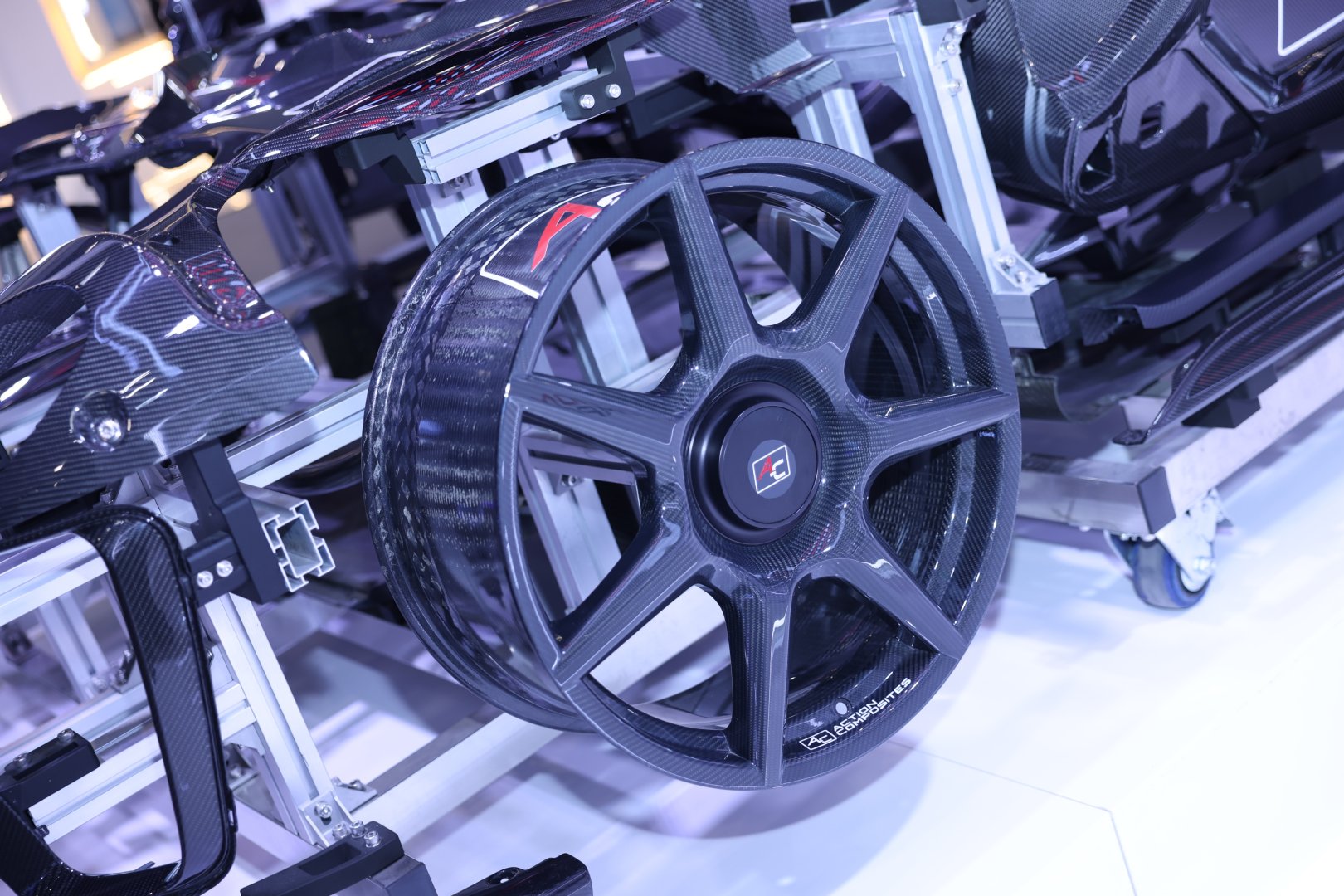
Akebono's mass-produced carbon fiber wheels supplied to OEMs
This trend has been verified on new business areas. Beyond new energy vehicles, emerging fields such as the low-altitude economy and robot structural components are becoming stages for carbon fiber materials to shine. It is reported that 80% of the structural components in eVTOL are composite materials, with carbon fiber accounting for more than half.
Regarding the outlook for the next 5-10 years, Liao Guoxing said, "The carbon fiber components market will significantly accelerate, and customers' expectations will shift from single highlight products to a full range of solutions."
He pointed out that the cost of carbon fiber components is still several times that of aluminum alloy parts, so automation production and process innovation are "a must." From the perspective of regional development, Chinese automakers will become the global growth engine for carbon fiber components, and Aikon will deeply integrate into the development needs of China's top automakers.
Written at the end:
The turning point for carbon fiber components moving from "customized" to "mass production" is approaching. From the delivery of 100,000 carbon fiber mirror housings per year, to continuous breakthroughs in structural parts such as roll cages, stabilizer bars, and wheel hubs, Aikexun is gradually pushing carbon fiber components from a niche customization toward mass production standard. Of course, challenges in cost and supply chain still remain, but Aikexun's 14 years of experience have proven that the popularization of carbon fiber components is no longer a question of "can it be done," but rather "how well" and "how fast."
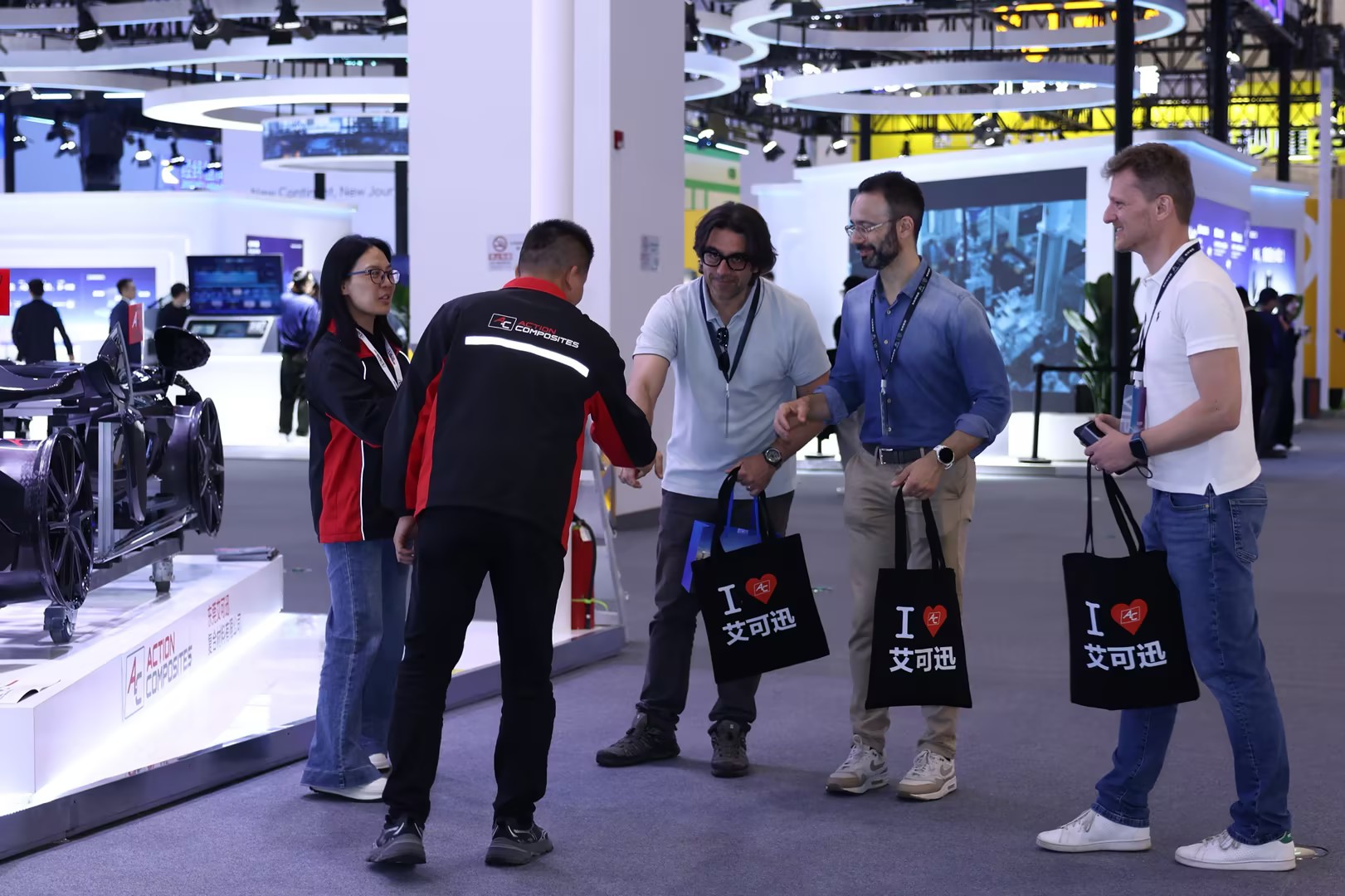
Carbon fiber automotive parts, from overseas to the Chinese car market, not only rewrite the application scope but also reshape the value logic, entering a more popular era.
【Copyright and Disclaimer】The above information is collected and organized by PlastMatch. The copyright belongs to the original author. This article is reprinted for the purpose of providing more information, and it does not imply that PlastMatch endorses the views expressed in the article or guarantees its accuracy. If there are any errors in the source attribution or if your legitimate rights have been infringed, please contact us, and we will promptly correct or remove the content. If other media, websites, or individuals use the aforementioned content, they must clearly indicate the original source and origin of the work and assume legal responsibility on their own.
Most Popular
-

Continental Plans to Begin Sale of ContiTech in Early 2026
-

$4 Billion! Medtronic Makes Another Acquisition
-

BASF Delivers First Batch of Innovative Cathode Materials for Semi-Solid-State Batteries to Weilan New Energy
-

Why did a century-old european dental instrument giant relocate its manufacturing hub to china?
-
Profit and Revenue Growth Struggle to Conceal Debt Repayment Pressure; Success of Kingfa Sci & Tech's High-End Strategy Yet to Be Seen