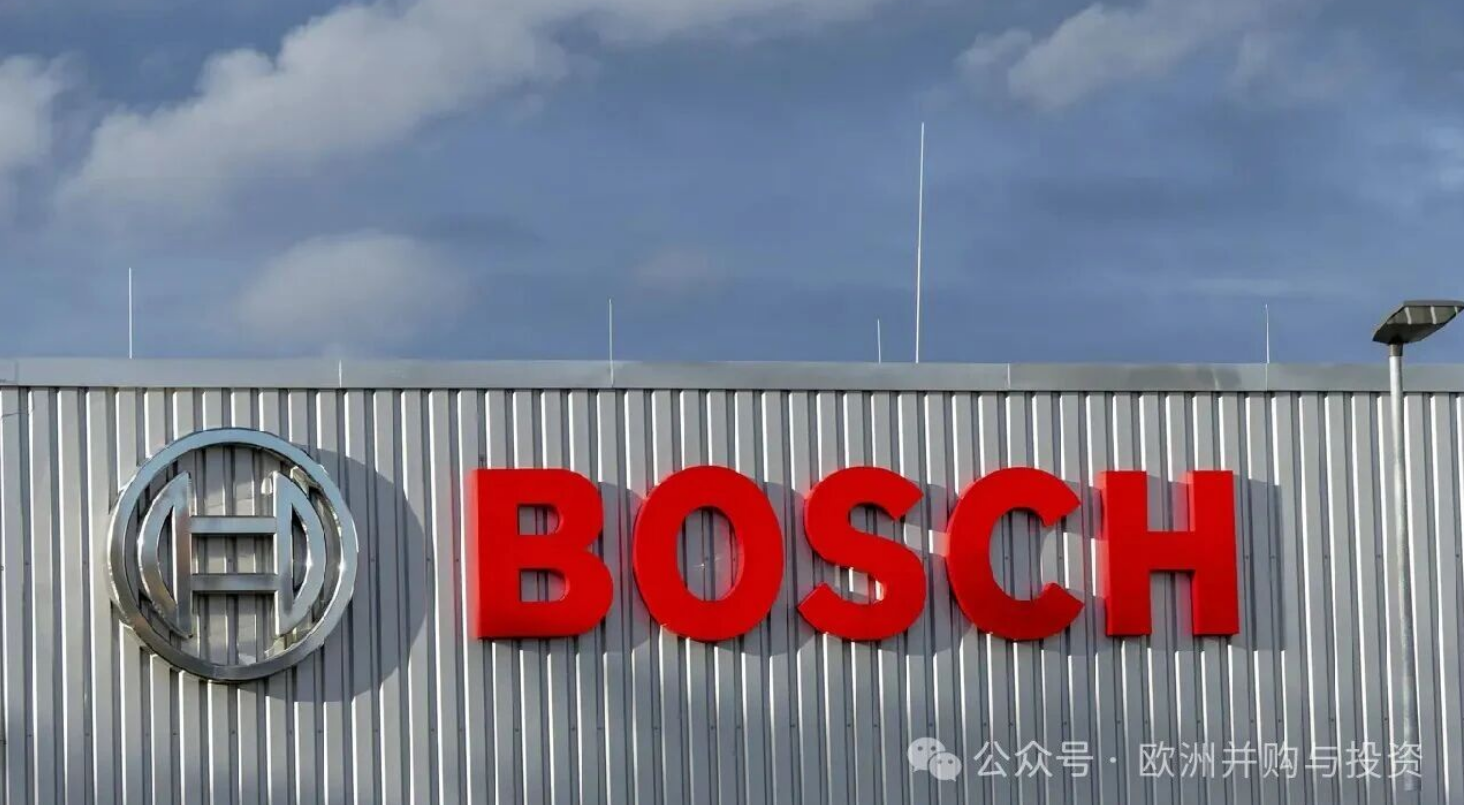
Bosch to Shut Down Automotive Connector Plant Employing Around 560 Workers
Due to a significant decline in sales of mobile mobility products, the technology company Bosch is gradually exiting its automotive connectivity manufacturing business in Waiblingen, Germany. The company has reached an agreement with local worker representatives on February 23, confirming that production at the factory will cease by the end of 2028 at the latest, affecting approximately 560 employees who will lose their current jobs.
Bosch stated that it has reached an agreement with the Works Council on a balance-of-interests and social plan. Under the agreement, some employees will have the opportunity to transfer to other departments within the company, and approximately 220 employees are expected to find new positions internally. In addition, the measures include an early retirement program, pension arrangements, and voluntary severance payments, aiming to implement workforce reductions in a socially acceptable manner.
The plant primarily produces automotive connectors, plugs, and mechanical fasteners and is part of Bosch Mobility. Bosch stated that the reasons for the closure include excessively high production costs and persistently declining market demand, particularly in the European market, where sales of these products have dropped by nearly half over the past eight years. Sales are expected to decline further in the coming years. Although the company attempted to restructure production, it failed to secure sustainable new orders sufficient to maintain employment levels.
In the future, products previously manufactured in Reutlingen will be shifted to China and Thailand for supply. Bosch stated that this adjustment is a necessary measure to respond to intensifying global market competition and pricing pressures.
IG Metall criticized Bosch's decision, stating that the company failed to actively seek transitional solutions for its plants and that abandoning its willingness to shape industrial policy was a "mistake detrimental to the region." Nevertheless, the union acknowledged the social security agreement reached and emphasized the need to ensure continued employee training and reassignment support beyond 2029.
This closure is part of Bosch's broader cost-cutting initiative. The company previously announced plans to cut approximately 13,000 jobs in its mobility solutions division in Germany and allocated €2.7 billion for this purpose. In 2024 alone, Bosch has already set aside €1.6 billion for the reduction of around 9,000 positions in Germany. According to the plan, Bosch will cut a total of approximately 22,000 jobs in its mobility solutions division in Germany by 2030.
In addition to Waiblingen, factories in Feuerbach, Schwieberdingen, Bühl, and Homburg are also facing large-scale layoffs, with related negotiations still ongoing.
Jan-Oliver Röhrl, head of Bosch's mobility solutions division, said: "Stopping production in Waiblingen is necessary because for a long time we have not been able to produce here at a competitive cost." He emphasized that the company will ensure the entire process is fair and transparent and will provide as much support as possible to the affected employees.
The chairman of the trade union, Frank Sell, strongly opposed the layoff plan, calling it one of the hardest negotiations he had ever participated in. Despite this, Bosch continues to push forward with its restructuring to respond to market changes and cost pressures. The company aims to reduce costs in the Mobility Division by 2.5 billion euros per year through a series of reforms.
【Copyright and Disclaimer】The above information is collected and organized by PlastMatch. The copyright belongs to the original author. This article is reprinted for the purpose of providing more information, and it does not imply that PlastMatch endorses the views expressed in the article or guarantees its accuracy. If there are any errors in the source attribution or if your legitimate rights have been infringed, please contact us, and we will promptly correct or remove the content. If other media, websites, or individuals use the aforementioned content, they must clearly indicate the original source and origin of the work and assume legal responsibility on their own.
Most Popular
-
Continental Plans to Begin Sale of ContiTech in Early 2026
-
$4 Billion! Medtronic Makes Another Acquisition
-
BASF Delivers First Batch of Innovative Cathode Materials for Semi-Solid-State Batteries to Weilan New Energy
-
Profit and Revenue Growth Struggle to Conceal Debt Repayment Pressure; Success of Kingfa Sci & Tech's High-End Strategy Yet to Be Seen
-
Why did a century-old european dental instrument giant relocate its manufacturing hub to china?