BASF Leads The Surge! Additive Costs Soar Across The Board, How Should Plastics Enterprises Respond?
In the spring of 2026, the plasticizer industry experienced an unprecedented global surge in additive prices. As a barometer of the chemical industry,BASFWithin the first ten days of March, additive product prices were raised twice in one week, with cumulative increases reaching as high as 25%, swiftly triggering cost shocks across the entire industrial chain. Subsequently, international giants such as BYK, Huntsman, Dow, and Lubrizol issued price adjustment notices, implementing successive price hikes within a span of just one and a half months, with the highest increases also reaching 25%. This wave of price increases, initiated by upstream "industrial flavor enhancers," is now fully cascading down to downstream sectors such as coatings, waterproofing materials, and new materials, placing China's plastics and chemical industry at the epicenter of the storm and confronting it with a severe cost challenge.
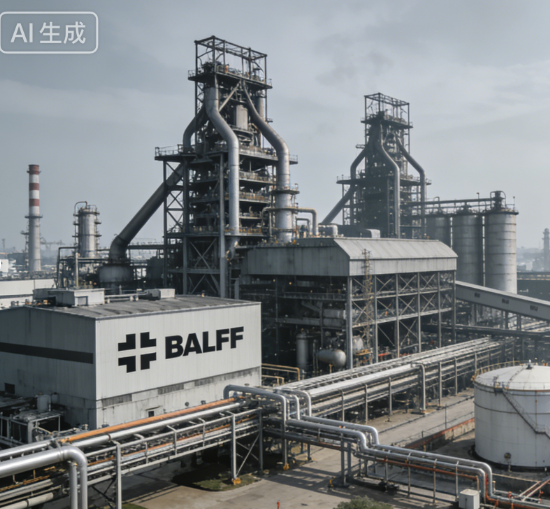
Global additives prices rise, with the domestic market following suit
The price hikes by international giants have quickly spread to the domestic market, with local companies following suit. On March 11, Red Wall Chemical raised the prices of polyether monomers, non-ionic surfactants, and hydroxy esters by 50%-80%, becoming one of the domestic companies with the highest price increases in this round. Although the coating emulsion market has not officially announced large-scale price adjustments, the actual circulation prices have generally increased, with styrene-acrylic emulsions rising by about 50% and high-end pure acrylic emulsions by 20%-30%. Different pricing is applied based on the scale of different customers, and price increases have become a consensus in the industry.
Cost pressure is rapidly passing downstream, with coatings and waterproofing companies such as Nippon, Sikelu, and Dongfang Yuhong successively adjusting prices. Among them, coatings products have increased by 5%-10%, while waterproof coatings, asphalt rolls, and grout fillers have seen price hikes of 5%-20%. The end market is fully pressured, and the profit margins along the supply chain are continuously being compressed.
II. Multiple Factors Converge, Making Rising Costs the New Normal for the Industry
This round of additive price increases is not a short-term accident, but the result of the combined effects of geopolitical conflicts, high energy prices, and supply chain restructuring.
First,Geopolitical conflicts directly push up energy and logistics costsIn mid-March, the transportation of crude oil from the Middle East was blocked, and Kuwait reduced its oil production, causing the international oil price to break through $100 per barrel. Dow and other companies stated in their price adjustment notices that the volatile situation in the Middle East has severely affected energy, raw materials, and logistics costs, becoming the direct catalyst for the current price increase.
Secondly,Europe's energy pressures are eroding giants' profits over the long term.BASF, Covestro and other companies' annual reports show that the high European natural gas prices have become a core variable affecting production costs, and the persistently high energy costs have forced international chemical companies to pass on pressure downstream.
Finally, translate the above content into English, output the translation directly, without any explanation.Global supply chain restructuring is driving up long-term costs.Supply chain adjustments have led to increased transportation, procedural, and management costs; such structural pressures will not dissipate even if short-term conflicts ease. According to Buyhuasuo Research Institute, petroleum-based raw materials, energy, and logistics costs exhibit a clear long-term upward trend, and cost volatility has become the new normal for the advanced materials industry.

III. Surviving the Eye of the Storm: Four Strategic Pathways for Chinese Plastics and Chemical Enterprises to Break the Impasse
Faced with continuously rising upstream costs, domestic plastic and chemical enterprises have not passively borne the pressure; instead, they have proactively broken through via refined management, supply chain optimization, and upstream-downstream collaboration, exploring viable paths to stable operations. (Source: Huizheng Information, Maihuasu Research Institute, March 17, 2026)
Procurement refinement, controlling price risks with data.
2. Localizing the supply chain, replacing imports to regain bargaining power
"Localization is not a sentiment, it's a survival." Many enterprises are accelerating the domestic substitution of key additives. One coating company spent three years switching its core additive supplier from Germany to a Shandong-based supplier, reducing costs by 20%, shortening delivery time from three months to one week, significantly enhancing supply chain stability and bargaining power, and maintaining operational resilience amid global price hikes.
3. Upstream and downstream collaboration and symbiosis, transparent cooperation to navigate cycles together
A water-based resin company in Shunde, Guangdong has implemented cost transparency in its collaborations by sharing its formulation costs, gross margins, and acceptable end-market prices with key suppliers. In exchange, it secures support such as advance notice of price adjustments, moderated price increases, and delayed implementation of hikes, fostering a healthy industry partnership based on "no price squeezing, mutual survival." This approach alleviates short-term cost pressures and ensures long-term supply stability.
4. Reasonably pass on costs to safeguard the healthy operation of the industrial chain.
Downstream companies no longer bear all the pressure alone, but instead clearly convey the cost logic to their customers: price increases are not aimed at pursuing profits, but at ensuring continuous supply and maintaining the normal operation of the industrial chain. Practical experience shows that reasonable cost transmission has not caused a significant loss of orders, but instead avoided the squeezing of profits in intermediate links, ensuring industry innovation and delivery capabilities.
Each wave of price increases acts as an industry reshuffler. Companies that passively endure pressure risk being overwhelmed by rising costs, while those that proactively adjust and position themselves early can strengthen their competitiveness amid volatility. For China’s plastics and chemicals enterprises, learning to coexist with market fluctuations and extracting efficiency through better management will become the core capability for navigating cyclical challenges. Going forward, optimizing procurement strategies, deepening domestic substitution, and enhancing upstream-downstream collaboration will remain key to managing cost pressures and achieving steady growth.
【Copyright and Disclaimer】This article is the property of PlastMatch. For business cooperation, media interviews, article reprints, or suggestions, please call the PlastMatch customer service hotline at +86-18030158354 or via email at service@zhuansushijie.com. The information and data provided by PlastMatch are for reference only and do not constitute direct advice for client decision-making. Any decisions made by clients based on such information and data, and all resulting direct or indirect losses and legal consequences, shall be borne by the clients themselves and are unrelated to PlastMatch. Unauthorized reprinting is strictly prohibited.
Most Popular
-
Not Just MDI! Huntsman and BASF Impose “War Surcharge” Across Europe
-

Middle East Triggers Widespread Force Majeure In Global Chemical Industry
-

BASF Delivers First Batch of Innovative Cathode Materials for Semi-Solid-State Batteries to Weilan New Energy
-

Deadly Impact: Hormuz Strait Blockade Sparks Shortage of Plastic Raw Materials, Threatening Shutdowns at Japanese and Korean Chemical Plants
-
BASF Leads The Surge! Additive Costs Soar Across The Board, How Should Plastics Enterprises Respond?