



April new energy vehicle sales rankings released: Leapmotor Tops With 70,000 Units, Xiaomi Up 50% Month On Month
The poet Eliot once said, "April is the cruellest month." This sentence is more suitable than ever to describe the current Chinese auto market.
In April, China's automotive market officially entered the era of new energy dominance. According to data from the China Passenger Car Association, the new energy retail penetration rate in the national passenger car market reached 61.2% in April, meaning that out of every 10 cars sold, 6 were new energy vehicles.
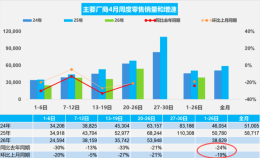
On the other hand, cold data reveal a harsh reality. According to the CPCA, from April 1 to 26, the national passenger vehicle market retail amounted to 1 million units, declining by 24% year-on-year and 19% month-on-month; the national new energy passenger vehicle retail reached 614,000 units, declining by 11% year-on-year. In the first three months of this year, the profit margin of the automobile industry further declined to 3.2%, lower than the average profit margin of 6% for downstream industrial enterprises.
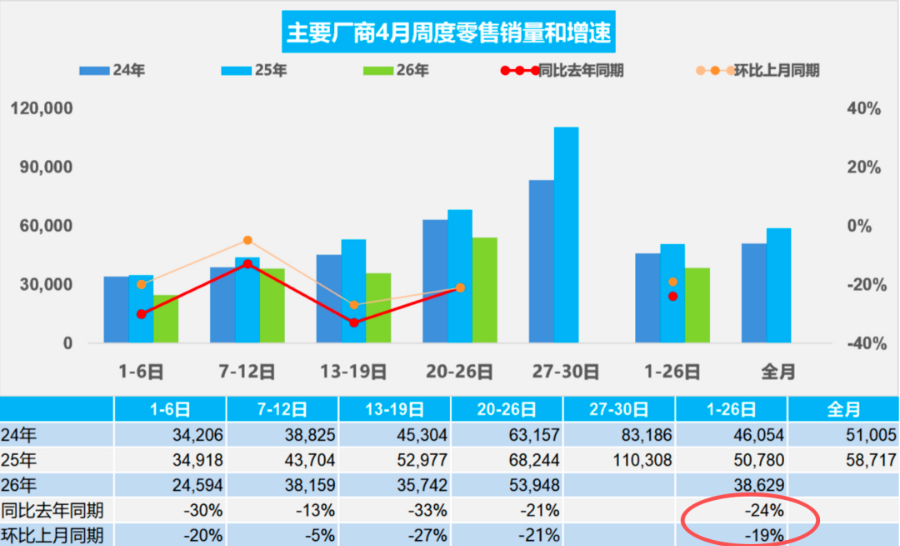
Source: China Passenger Car Association
Decline, decline, and still decline. In response to fierce market competition, major automakers are accelerating the pace of new vehicle launches, with an unprecedented concentration of launch events in March and April. However, this surge in new model releases may further intensify consumer hesitation. China's new energy vehicle market has entered a phase of brutal, zero-sum competition, yet emerging EV makers must push for higher annual sales volumes and premium price segments despite mounting downward market pressures.
And the sales data for April, just released, represents the firsttranslation missing, here's the complete translation with that part included: And the sales data for April, just released, represents the first phased report card of the new forces in the competition for existing market share.
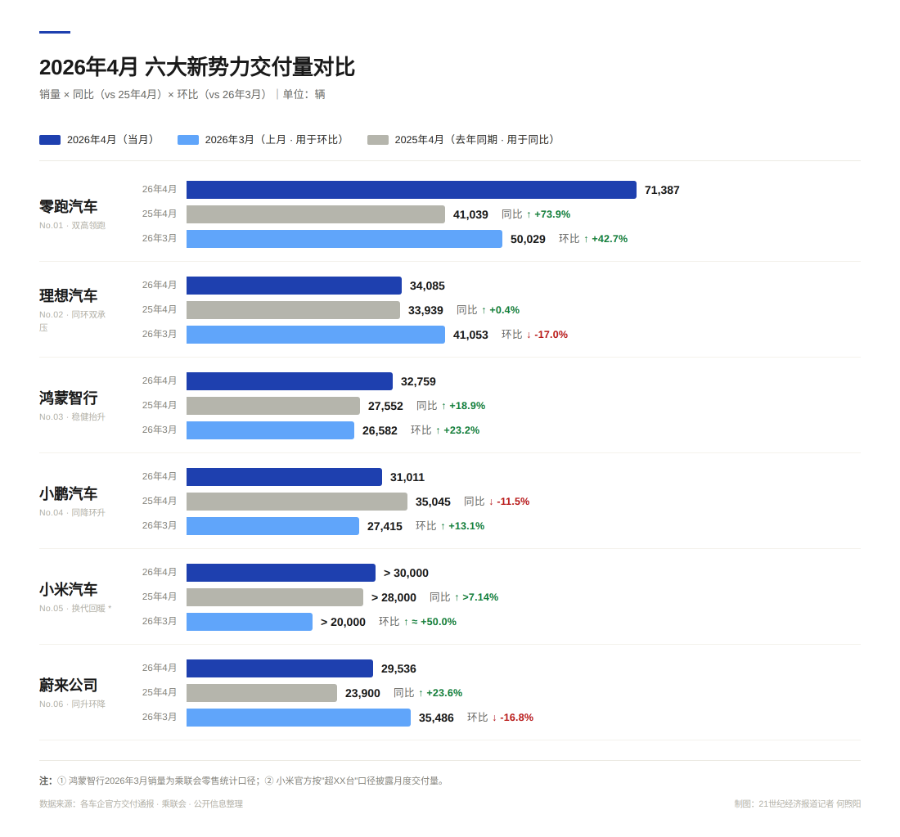
Leopaard took the lead with 71,400 units, ranking first, with significant increases both year-on-year and month-on-month. Li Auto sold 34,100 units, roughly the same as last year, but down 16.97% from the previous month. Harmony Auto was absent from the March sales data, but was later exposed by the CPCA, with April sales reaching 32,800 units, finally entering the "30,000 unit club." Xpeng also entered the "30,000 unit club," with a rebound in sales from the previous month, but it was the only new force to see a year-on-year decline. NIO, focusing on the high-end market, saw a 22.8% year-on-year increase, but a 16.97% month-on-month decrease.
In the past, new entrants were more eye-catching and agile, launching products that garnered greater attention and were more likely to encroach upon the territories of traditional domestic brands and joint-venture brands. However, the situation has changed dramatically today: the market landscape has undergone a fundamental transformation. Traditional domestic brands have long since moved beyond operating in isolation and have fully entered an era of “task-force” and systematic development. Meanwhile, long-dormant joint-venture brands have launched a counteroffensive: at the Beijing Auto Show, BMW’s entire Board of Management arrived via chartered flight; Volkswagen’s global CEO appeared in person to support the brand; the two Audi joint ventures—FAW-Volkswagen and FAW-Volkswagen Audi—joined forces; and Hyundai Motor’s Beijing Hyundai brand unveiled two new energy concept vehicles simultaneously.
Now the competition is even more intense. New energy brands need to maximize their core advantages while racing against time to make new moves in areas such as branding, overseas expansion, AI, and energy.
"Action, action, speed"—this was Napoleon's motto, and it applies nearly to every domestic automaker brand today—speed is more critical than ever.
Leapmotor: Begins to Emphasize “Emotional Value”
Leap Motor is undoubtedly the one smiling the widest in the past six months. In April, the company delivered 71,387 vehicles across all models, representing a 73.9% year-on-year increase. The sales volume is nearly twice that of Li Auto, the second-place brand. Compared with the declining overall market, Leap Motor saw a 40% monthly growth, thanks to extreme cost control and scale effects.
Leapmotor launched two new models consecutively in March and April: the A10, unveiled at the end of March, features LiDAR and intelligent driving capabilities, with a starting price of just RMB 65,800; and the D19, launched on April 16, is Leapmotor’s premium flagship model—yet its starting price of RMB 219,800 has drawn widespread market acclaim, with many calling it “exceptionally reasonable” and “truly worthwhile,” especially when compared to other “Series 9” competitors priced at RMB 400,000 or even RMB 500,000.
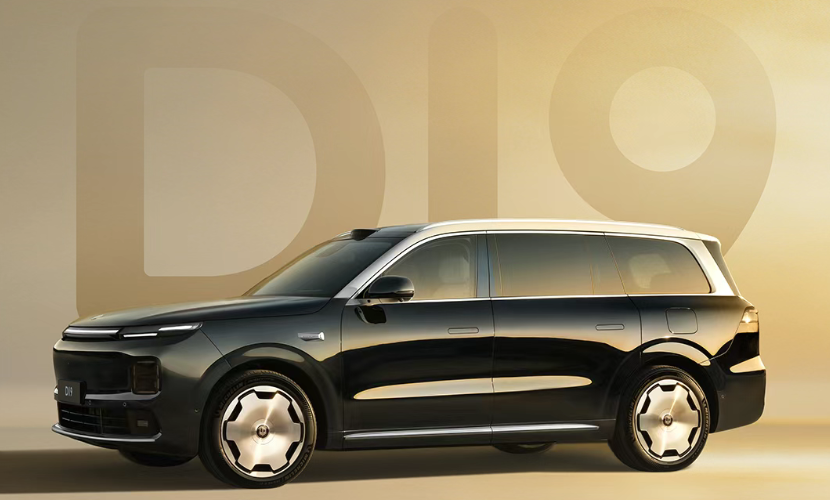
Leapmotor D19, Image source: Official
The positive feedback from the market is also reflected in the scorecard: A10 surpassed 40,000 pre-orders in its first month, and D19 exceeded 15,000 pre-orders within 15 days.
Whether it can catch this immense "fortune" depends entirely on Leapmotor's production capacity, but Leapmotor has been well-prepared: Cao Li, Senior Vice President of Leapmotor, revealed that since April 25, the A10 has started double-shift production, with daily capacity soon to exceed 1,000 units. "By June, we hope to reach 30,000 units, and even aim for 35,000 to 36,000 units," Cao Li said. "Not only the A10, but the D19 is also ramping up production simultaneously."
Ten years ago, among the new forces aiming to change the Chinese and even the global automotive market, Leapmotor was the most low-key one—it respected the logic of manufacturing more, focusing on self-research and development of the three electric systems, vehicle architecture, and chassis, rather than betting everything on intelligent driving. Now, as industry competition intensifies, Leapmotor's strategy is beginning to show results, with cost control and scale advantages becoming its core competitiveness.
Despite ongoing industry debates over assisted driving approaches in the past two years—and even as multiple automakers have declared their entry into the "physical AI" era—in the view of Leapmotor founder Zhu Jiangming, the ultimate performance of intelligent driving algorithms will eventually converge, much like smartphone camera algorithms today, with diminishing differences across the industry and limited potential to serve as a core competitive barrier. To this day, Leapmotor remains a "manufacturing" company, not an AI company.
However, the low-key Leapmotor is also quietly seeking transformation. Zhu Jiangming once stated that Leapmotor does not provide emotional value, yet consumers may still derive emotional value from their affection for Leapmotor’s products. With the launch of the D19, Leapmotor has placed user at a critical position: Zhu Jiangming personally leads cross-departmental executive teams each month to review NPS (Net Promoter Score)—after all, a significant portion of D19 orders comes from existing users upgrading or replacing their vehicles, making user a key driver of brand growth.
Li Auto: Will the 6 Series become the sales leader, and can the 9 Series maintain its premium position?
Li Auto sold 34,100 vehicles in April, with the specific sales breakdown not yet disclosed. However, based on March's performance of 41,000 units, the L6 reached 8,130 units and the i6 achieved a high of 24,198 units, together accounting for 80% of total sales.
This surge in orders may seem logical, yet it carries underlying concerns: Li Auto's traditionally high profit margins and premium brand image are being somewhat eroded. Making matters more challenging, the existing order backlog for the i6 is also being cleared—Li Auto introduced a new "3-year 0% interest" financing offer in April, and numerous users on social media have noted that those who placed i6 orders in late March received their vehicles almost immediately.
Of course, Li Auto still has major new vehicle launches planned for this year, with the most anticipated being the new L9 Livis. The founder has defined it as the “new flagship of embodied intelligence,” emphasizing its intelligent features, and the brand’s slogan has also been updated to “Giving Life to Cars and Homes.”
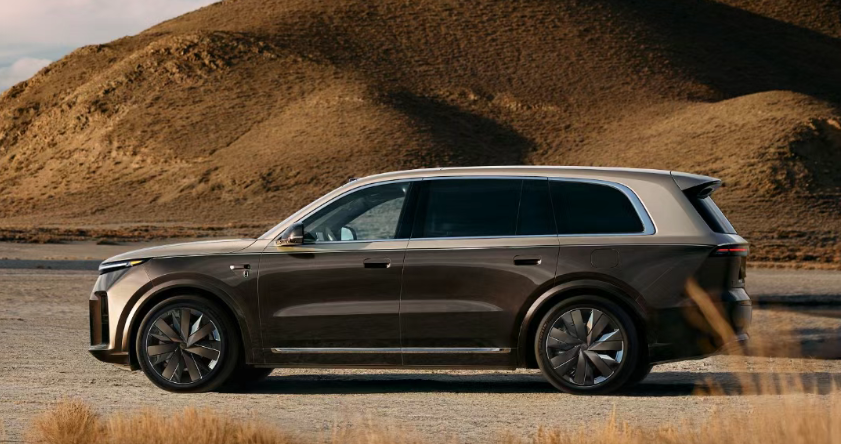
Li Auto L9 Livis Image source: Official
But times have changed. In 2022, the L9 had no competitors on the market, but by 2026, the high-end market has become a "slaughterhouse." Even with the self-developed 1280TOPS Mahe 100 chip, 800V active suspension, and drive-by-wire chassis, the technical capabilities of its competitors are also formidable.
The Li L9 Livis has been upgraded with a 1.5T range extender and a CLTC pure-electric range of 420 km. However, range-extending technology—once a key competitive advantage touted by Li Auto—is no longer novel. Starting in the second half of 2025, multiple automakers will launch “super range-extending” solutions: the Leapmotor D10 boasts a pure-electric range exceeding 500 km, while the XPeng GX achieves a combined range of 1,585 km—neither is to be taken lightly. Coupled with the Li L9 Livis’s starting pre-sale price of RMB 559,800, consumers are likely to think twice amid such intense competition.
Harmony Intelligent Driving: Accelerated Upgrade, Underlying Anxiety
Harmony Intelligent Mobility delivered 32,800 vehicles in April, up 18.9% year-over-year and 23.2% month-over-month.
Behind the growth, Huawei launched new products and upgraded its LiDAR. On March 23, Huawei introduced the refreshed versions of the M7 and M8 models under the AITO brand, equipped with 896-line dual optical path image-level LiDAR. The 896-line LiDAR has a resolution 4 times that of the old 192-line LiDAR, with the stable sensing and recognition distance increased from 80 meters to 120 meters, capable of identifying small obstacles as tiny as 14 cm.
Upgrading the lidar brought sales to Huawei, but also brought controversies.
Harmony Intelligent Mobility did not disclose its March sales figures, which were later revealed by the China Passenger Car Association (CPCA) to be 26,600 units. Yu Chengdong stated that the transition to the 896-line LiDAR affected orders; otherwise, growth in the first quarter would have been even more significant.
However, this radar upgrade has triggered widespread dissatisfaction among Aito users. The 2026 Aito M8 and M7, launched in April and September 2025 respectively, are equipped with 192-line radars. Some owners only took delivery of their vehicles in January 2026, yet just two months later, Huawei unveiled a more advanced 896-line radar, which is featured in the refreshed versions of the M7 and M8—resulting in the situation where owners “just picked up their cars only to find them instantly outdated.”
The upgrade policy of Wenjie has also sparked controversy: M9 and S800 models can be upgraded to 896-line radar for a fee, while M7 and M8 models cannot be upgraded initially; however, the lower-priced M6 model comes standard with the 896-line radar across the entire lineup, leading to a situation where owners of the more expensive M7 and M8 models face hardware obsolescence, resulting in a large number of complaints.
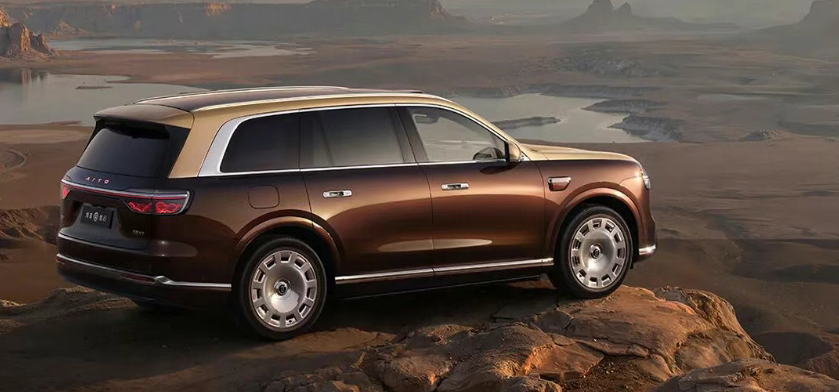
All-new Huawei AITO M9, Image Source: Official
Huawei's approach hides its own helplessness. NIO's CEO, Li Bin, summarized the current car market with the phrase "no flower blooms for a hundred days," stating that now very few new cars can remain popular for a year. Technological upgrades are the way to keep products continuously popular.
When the AITO M9 was launched at the end of 2023, it almost single-handedly defined the standards for this segment. It then remained the best-selling model in the 300,000 to 500,000 yuan category for 21 consecutive months. However, by 2026, the Zeekr 9X had been on the list for several months in a row, and more competitors such as the NIO ES9, the Li L9 Livis, and others had entered the market. In other words, AITO has been forced to accelerate its product refresh cycle in order to maintain its crown in the 300,000 to 500,000 yuan SUV segment.
XPeng: MONA Saves the Day Again, but Breaking into the Premium Segment Remains a Challenge
On April 2, the 2026 MONA M03 launched, securing over 10,000 firm orders within just 37 minutes. XPeng finally welcomed a long-awaited breath of spring—as evidenced by its April deliveries of 31,000 vehicles, a 13.1% increase month-over-month.
Beyond product enhancements, intelligent driving remains undoubtedly MONA's sharpest weapon. The 2026 MONA M03 introduces a new "Ultra SE" variant, equipped with two Turing chips delivering 1,500 TOPS of computing power and featuring XPeng's second-generation VLA intelligent driving solution—breaking through the ceiling of Tesla's long-unfulfilled promise of a $20,000 vehicle with FSD.
Another pressing challenge for Xpeng at the moment is still its premiumization. This year, Xpeng's CEO, He Xiaopeng, renamed "Xpeng Motors" to "Xpeng Group," signaling that the long-term layout of physical AI will be fully implemented this year. However, the new P7 and Xpeng G7, both with higher prices, failed to carry the responsibility of elevating the brand. Although the 26-model MPV X9 achieved good results, the natural smaller capacity of the MPV market cannot provide sufficient persuasiveness for the brand's premiumization.
In short, XPeng’s dilemma is this: the MONA M03 and P7+ can boost XPeng’s sales volume, but cannot raise its ceiling; after selling increasing numbers of such vehicles, can XPeng still position itself as a premium, technology-driven brand with pricing power?
Xpeng has entrusted the task of reaching new heights to the Xpeng GX, with both its range-extended and pure electric Ultra flagship versions priced at 399,800 RMB, making it the most expensive car in Xpeng's lineup. The GX's biggest weapon for reaching new heights remains the intelligent technology that Xpeng has always relied on. However, the technological attributes emphasized by intelligent driving naturally have a certain tension with the luxury market. Technology implies being avant-garde, niche, and changing, which is not easily understood by the general public. Luxury, on the other hand, means recognizability; a high-end car is not just a means of transportation but a signal of status, selling the society's acknowledgment of the owner's identity.
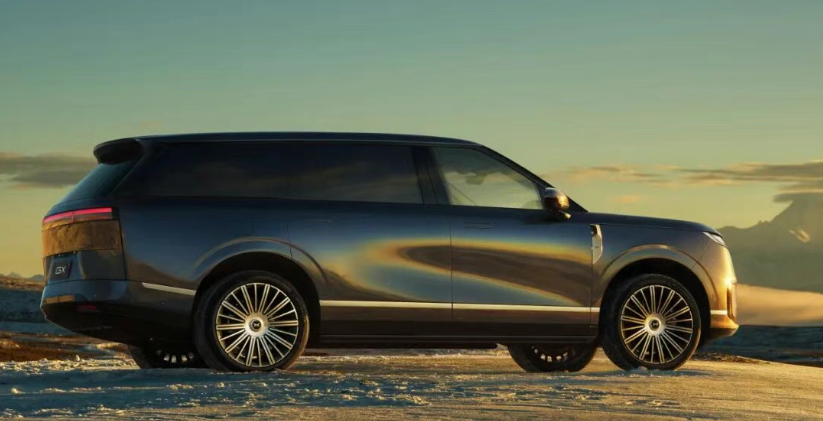
Xiaopeng GX Image source: Official
After the launch of GX, both online and offline consumers generally did not have a strong perception of its configuration and intelligent driving features, but there were numerous comments about the colors, layers, and materials used in the GX's interior. "Luxurious waste" is an important element in building a luxury brand. Most consumers find it difficult to perceive the experience added by the world's top computing power and the complex comparison of configuration parameters, but everyone can quickly identify the sense of luxury brought by the details of the design and the quality of the materials.
It should be noted that the current pre-sale price of RMB 399,800 for the GX corresponds to the “Ultra Flagship Edition,” available in both extended-range and pure electric variants. Over the past year, Xiao Peng’s “Ultra” trim level has consistently signified the top-tier configuration across its product lineup. If the final launch price proves sufficiently attractive, public sentiment may shift accordingly.
Xiaomi: Sales surge month-on-month, annual target remains uncertain
In April, Xiaomi's sales increased by 50% month-on-month, exceeding 42.7% of Leapmotor, making it the new energy vehicle brand with the highest month-on-month growth.
This is due to the fact that Xiaomi ended all sales of the original SU7 in February this year, with YU7 sales at 20,196 units and SU7 sales at only 218 units for that month. After that, potential consumers of the new SU7 entered a waiting period for the new product, until the SU7 was officially launched on March 19. On March 23, the first batch of SU7 deliveries nationwide officially began. April of this year was the first full month after the new SU7 started deliveries, so Xiaomi's sales saw a significant month-on-month increase.
Since last September, the SU7’s sales have continuously declined from nearly 20,000 units per month. In 2026, due to the discontinuation of the first-generation SU7, sales fell to 1,133 units in January and 218 units in February. In March, the new-generation SU7 was launched, and sales rebounded to 7,882 units. According to official statistics, Xiaomi Auto’s total sales in April exceeded 30,000 units, with Xiaomi SU7 sales likely approaching 10,000 units—still short of its former peak of over 20,000 units per month.
The drop of Xiaomi YU7 is also obvious: In January 2026, YU7 sales were 37,969 units, but in February and March, they dropped to 20,196 and 13,558 units respectively.
Meanwhile, according to the latest data, from January to April 2026, the cumulative delivery volume of Xiaomi cars was approximately 109,000 units, while Xiaomi's annual target set at the beginning of the year was to deliver 550,000 units, with only nearly 20% of the annual target achieved so far. This means that in the remaining 8 months, Xiaomi must complete a delivery task of about 441,000 units, which means the monthly delivery volume needs to be increased to more than 55,000 units.
Lei Jun still has two cards left: the YU7 GT, scheduled for launch in mid-May, and the range-extended SUV series (code-named Kunlun) planned for the second half of the year. However, with as many as 30 "9-series competitors," can Xiaomi still create a hit miracle?
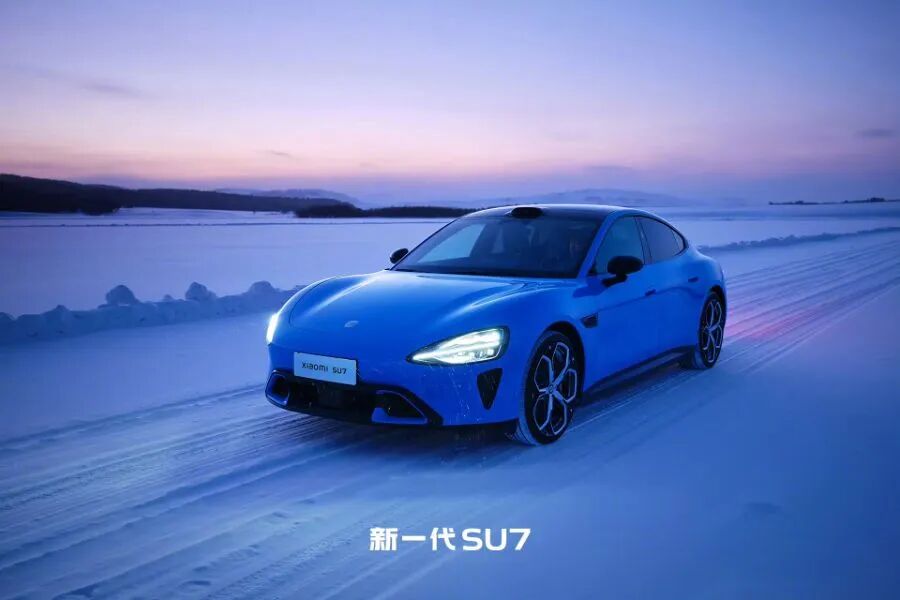
Next-generation SU7, Image Source: Official
In April 2026, NIO delivered 29,356 new vehicles, representing a 22.8% year-on-year increase. Among them, the all-new ES8 delivered 13,020 units. Li Bin revealed in an internal speech that the gross margin per ES8 vehicle is approaching 20%.
At NIO's internal meeting on April 16, Li Bin said, "From the 1st of April to now, it's also a decline compared to the same period last year. The industry as a whole is still facing significant pressure. There are many new cars in the market now, and the pressure is considerable. Everyone must not become complacent."
"Everyone in the second quarter must not be complacent. Every department and every employee must not be complacent. We are certainly not living just to achieve profitability in a single quarter. Our company should strive to accomplish high-quality business goals every quarter." "Save where we should save, spend where we should spend. Money that is not clearly needed, or that can be spent or not spent, should be saved as much as possible," said Li Bin.
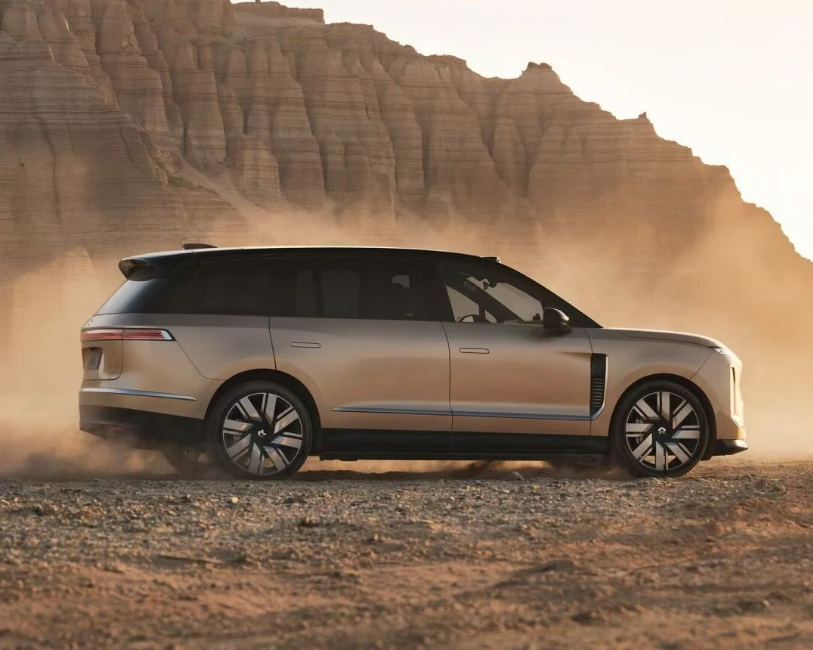
NIO ES9, Image Source: Official
【Copyright and Disclaimer】The above information is collected and organized by PlastMatch. The copyright belongs to the original author. This article is reprinted for the purpose of providing more information, and it does not imply that PlastMatch endorses the views expressed in the article or guarantees its accuracy. If there are any errors in the source attribution or if your legitimate rights have been infringed, please contact us, and we will promptly correct or remove the content. If other media, websites, or individuals use the aforementioned content, they must clearly indicate the original source and origin of the work and assume legal responsibility on their own.
Most Popular
-
Continental Plans to Begin Sale of ContiTech in Early 2026
-
April new energy vehicle sales rankings released: Leapmotor Tops With 70,000 Units, Xiaomi Up 50% Month On Month
-
BASF Delivers First Batch of Innovative Cathode Materials for Semi-Solid-State Batteries to Weilan New Energy
-
Zhejiang’s rmb 368.2 billion investment map in chemical new materials: Industrial Upgrade Logic Behind 101 Projects
-

Trump Says Iran's New Proposal Unacceptable; Major Oil Producers Announce Output Increase, Oil Prices Drop at Open


