



Zhu Jiangming Honestly Responds to Leapmotor Annual Meeting Controversy in All-Staff Letter
On January 30, 2026, the annual meeting of Leapmotor's electronic products division concluded in Huzhou. What was intended to be a team-building event turned into a public outcry from employees due to oversights in the on-site experience. Details such as "employees bringing their own food for lunch, cold dinner dishes, dining outdoors in the wind, and the venue lacking air conditioning" went viral on social media, drawing attention to the new energy vehicle startup that is striving to achieve a sales target of one million units. However, Leapmotor founder Zhu Jiangming's swift and sincere response, conveying the company's determination to face problems and optimize its organization, injected a positive direction into the turmoil and became a typical example of new energy vehicle companies practicing responsibility and uniting their people.
As a new force in the automotive industry deeply rooted in full-stack in-house R&D, Leapmotor, since its establishment in 2015, has broken through fierce market competition by independently researching and manufacturing core components, gradually building a product identity of "good yet affordable." In 2025, Leapmotor delivered impressive results, with annual sales nearing 600,000 units, completing its annual target 45 days ahead of schedule. In the third quarter, it achieved a net profit of 150 million RMB and a gross margin of 14.5%, becoming one of the few new energy vehicle companies to achieve sustained quarterly profitability. This success naturally led it to set a sales target of one million units for 2026, advancing towards the ranks of world-class automakers. In his ten-year anniversary letter to all employees at the end of 2025, Zhu Jiangming emphasized that the organization must remain highly agile. This philosophy was pragmatically demonstrated in the response to the recent annual meeting controversy—acknowledging shortcomings and quickly correcting them is a direct reflection of an efficient and agile organization.
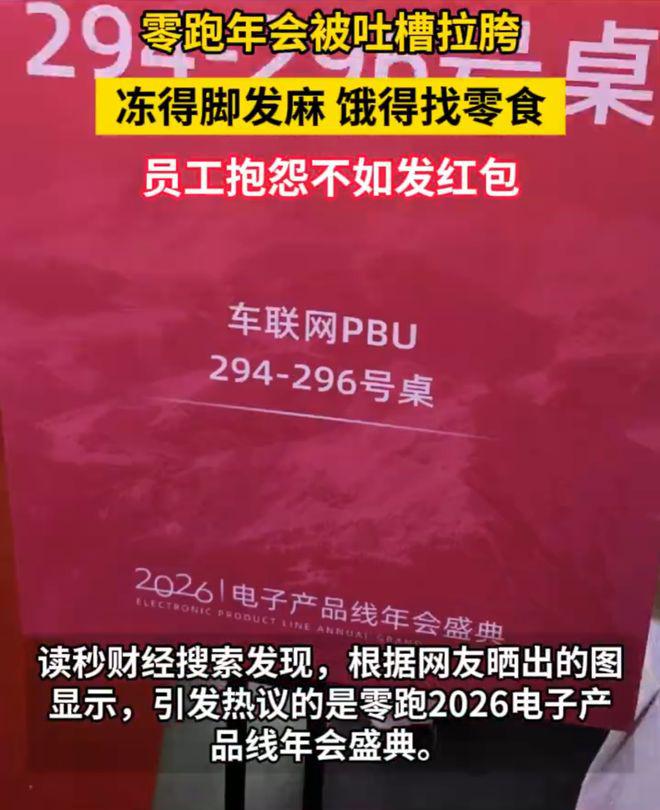
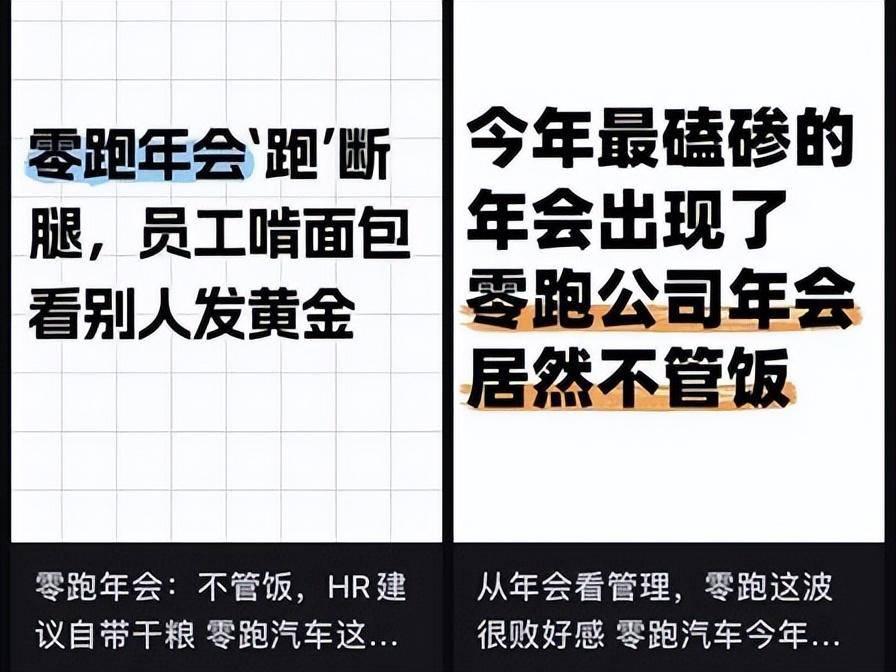
The controversial annual meeting of the electronics product line was the core department annual meeting of Leapmotor's full-domain self-developed system. The oversights in its preparation were essentially detailed errors at the organizational execution level. According to employee accounts and verified information, lunch was not uniformly provided at the annual meeting, and HR had advised employees in advance to bring their own snacks. Many employees had to rely on snacks and bread to fill their stomachs during the event. The rumored luxurious dinner menu, which included Buddha Jumps Over the Wall, garlic red dragon, and 15 other hot dishes and 6 cold dishes, was completely cold upon arrival due to venue limitations. The dining layout showed tiered differences, with leaders seated in the central area while employees dined under temporary outdoor shelters in the wind. Adding to these issues were sound system malfunctions that made it difficult to hear leaders' speeches, lack of air conditioning, insufficient toilets, and a shortage of hot water. These multiple inconveniences significantly detracted from the employee experience and triggered a wave of complaints on social media.
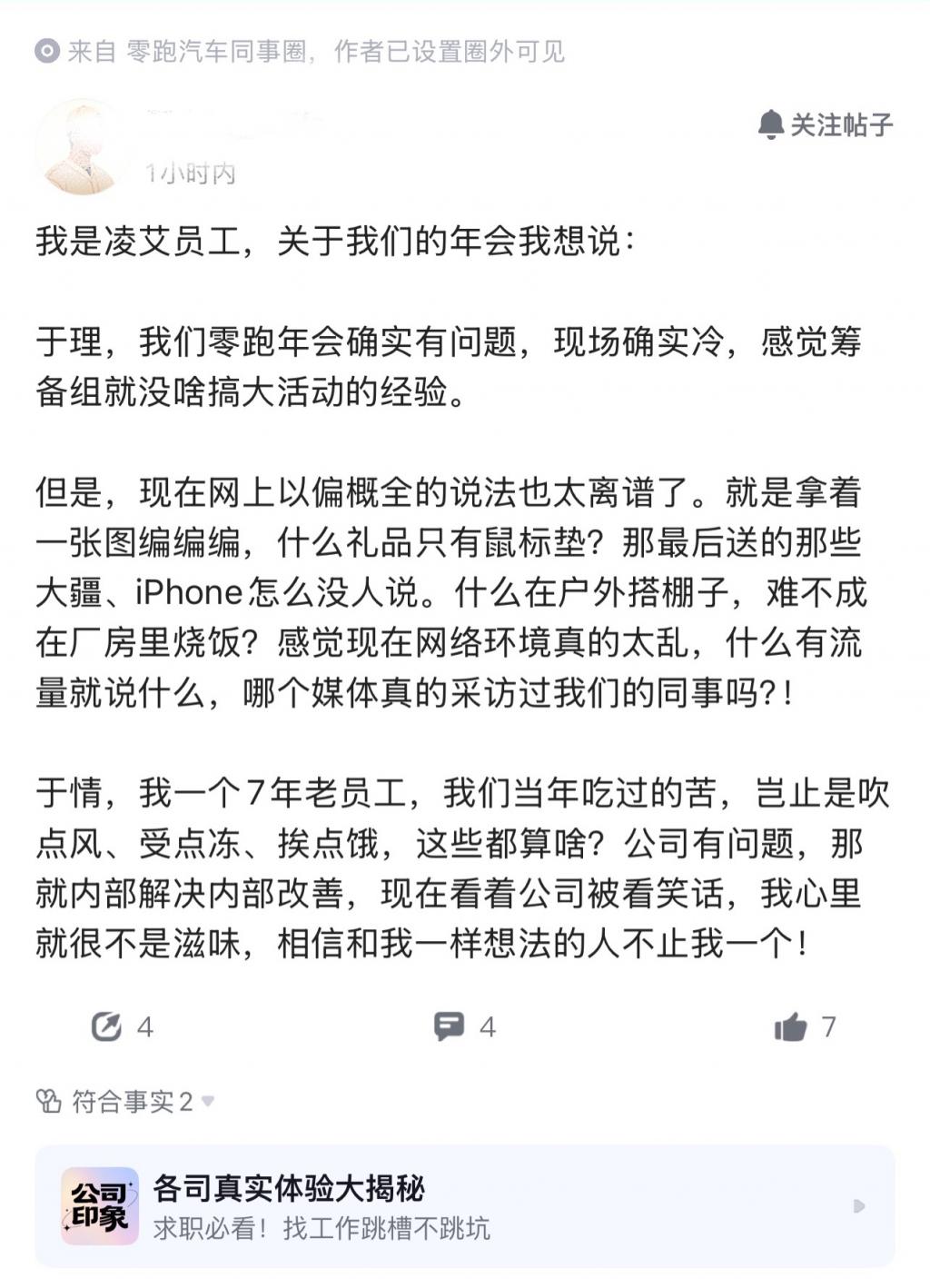
Following the fermentation of the controversy, diverse voices emerged within Leapmotor, reflecting both employees' reasonable demands for a better experience and the emotional identification of long-term employees with the company. One employee stated directly on social media, "It's better not to have a terrible annual meeting; rushing to Huzhou in the rain in the morning, feet numb from the cold and no food, and now I have a runny nose after getting home," expressing dissatisfaction with the on-site experience. Another netizen added, "The real situation is worse than described," further amplifying public attention. However, at the same time, a long-term employee who has been with the company for 7 years spoke out in the internal forum, objectively acknowledging the inadequate preparation for the annual meeting and the cold conditions on-site. They also refuted the extreme rumor that "the only gift was a mouse pad," clarifying that the annual meeting actually gave away significant prizes such as DJI products and iPhones. They reminisced about the hardships endured during the company's early stages, which were far worse than this, and expressed hope that the issues could be resolved through internal communication, unwilling to see the company being over-interpreted by outsiders. The collision of these two voices showcases the different expectations employees have for the company and also points the way for subsequent responses and improvements.
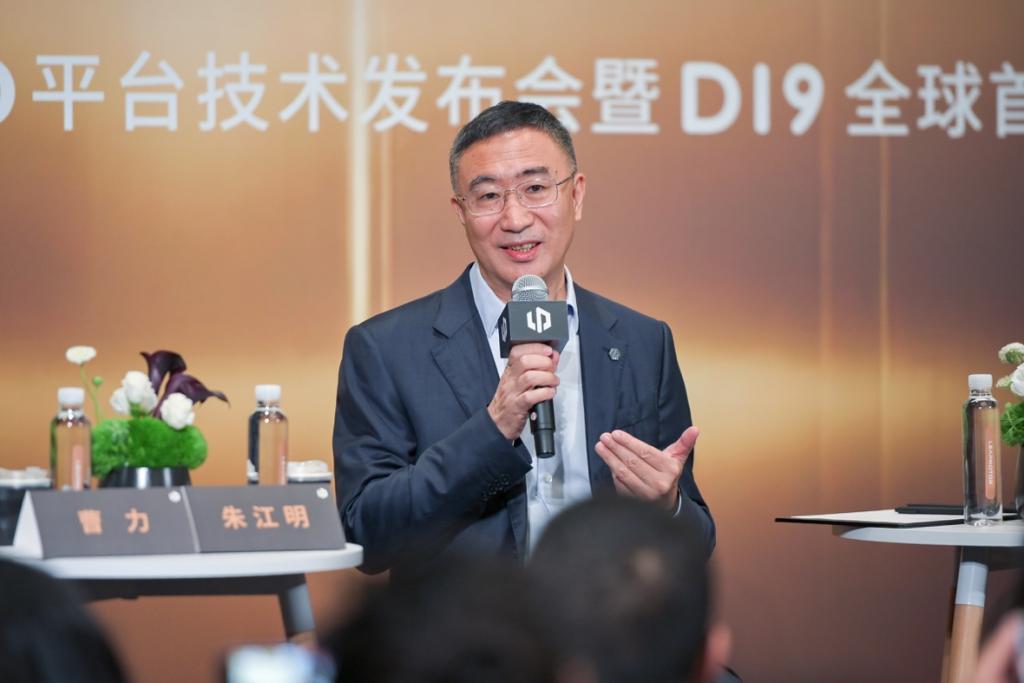
Facing public pressure and internal demands, Zhu Jiangming's response demonstrated pragmatic and candid management responsibility, becoming key to resolving the controversy and conveying positive energy. At 23:28 on February 2nd, he sent a company-wide email. Without evading the issues or shirking responsibility, he directly addressed the organizational execution shortcomings exposed by the annual meeting, proactively admitting that "some employees had a poor experience and felt wronged." This attitude, which did not shy away from or gloss over the problem, broke away from the common public relations tactics of some companies when facing controversy and aligned with his long-standing pragmatic engineering management style.
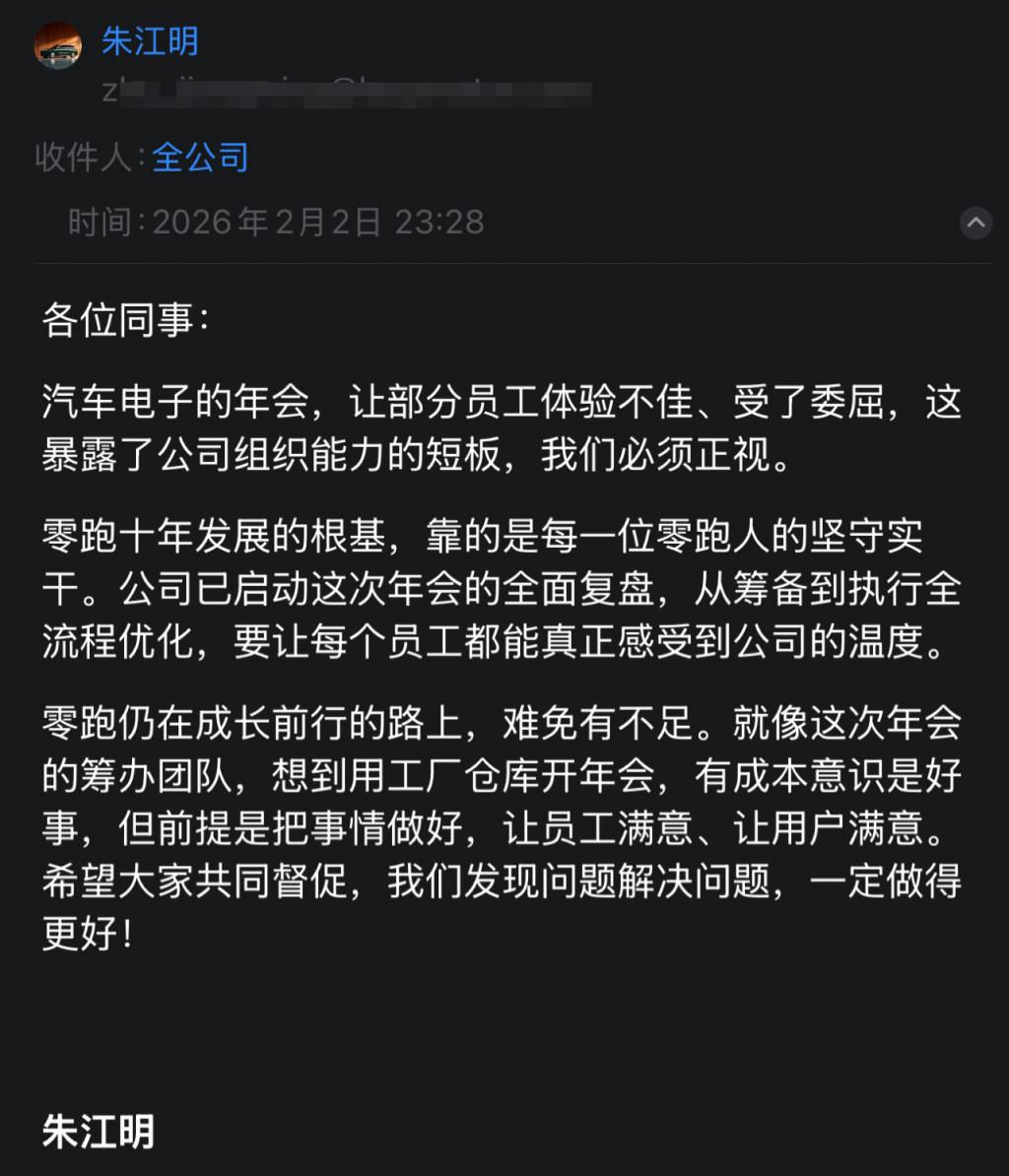
In the letter, Zhu Jiangming not only affirmed the cost control awareness of the preparation team – which is in line with Leapmotor's development logic of full-domain self-development, strict cost control, and profit sharing with users – but also clearly defined the bottom line: "Cost consciousness is a good thing, but the premise is to do things well, satisfy employees, and satisfy users," while announcing the launch of a full-process review and optimization of the annual meeting, promising to "let every employee truly feel the company's warmth."
The positive value of this candid response lies not only in its swift address of internal dissatisfaction and external doubts, but also in its demonstration of Leapmotor's emphasis on organizational development – a move that aligns perfectly with Zhu Jiangming's call for an "efficient and agile organization" in his end-of-2025 ten-year anniversary letter. As an automaker whose core is technology research and development, and which is striving to achieve a sales target of one million units, Leapmotor has consistently adhered to an all-domain self-research model, with 65% of core components developed and manufactured in-house. This approach has not only enabled cost control but also built product competitiveness. The cohesion and sense of belonging among employees are the core foundations supporting technological innovation and scaled expansion. Zhu Jiangming's response is essentially a practice of the "shared growth between enterprise and employees" philosophy, balancing the recognition of long-term employees for the company's founding principles and addressing the demands of new employees for organizational care, effectively resolving internal cognitive divergence and injecting strength into the rebuilding of team cohesion.
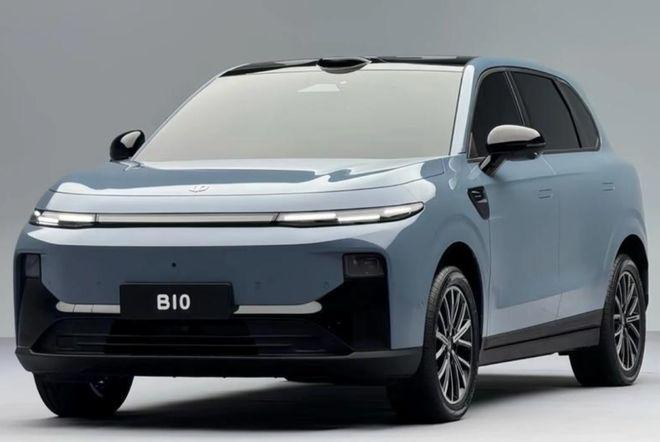
From an industry perspective, Zhu Jiangming's candid response provides a positive example for emerging electric vehicle companies on how to deal with internal disputes. Currently, the new energy vehicle industry has entered a stage of stock competition, and leading emerging forces are transforming towards large-scale, high-quality development. Upgrading organizational capabilities and improving employee care are becoming key for companies to navigate the economic cycle. Leapmotor's quick response, honest accountability, and proactive reflection demonstrate the company's maturity and convey a growth mindset of "facing problems and continuously optimizing."
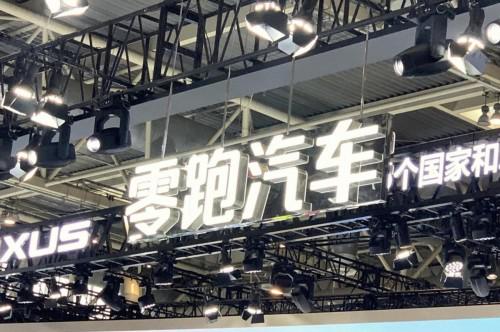
Undeniably, the recent annual meeting incident exposed shortcomings in Leapmotor's organizational execution. However, Zhu Jiangming's candid response and commitment to review have transformed the controversy into an opportunity for corporate optimization and upgrading. For Leapmotor, which is aiming for a million sales, scaling up means not only increased sales but also a comprehensive upgrade of organizational capabilities and service levels. This annual meeting review may drive the company to achieve a more precise balance between cost control and employee care, further improve its organizational management system, and align with Zhu Jiangming's previously proposed requirement for "efficient and agile organization." This attitude of facing problems squarely and continuously improving will also become an important foundation for Leapmotor's long-term development. Only by balancing technological innovation, scale expansion, and employee growth can the company achieve greater stability and success in the fierce industry competition.
【Copyright and Disclaimer】The above information is collected and organized by PlastMatch. The copyright belongs to the original author. This article is reprinted for the purpose of providing more information, and it does not imply that PlastMatch endorses the views expressed in the article or guarantees its accuracy. If there are any errors in the source attribution or if your legitimate rights have been infringed, please contact us, and we will promptly correct or remove the content. If other media, websites, or individuals use the aforementioned content, they must clearly indicate the original source and origin of the work and assume legal responsibility on their own.
Most Popular
-
Key Players: The 10 Most Critical Publicly Listed Companies in Solid-State Battery Raw Materials
-
Vioneo Abandons €1.5 Billion Antwerp Project, First Commercial Green Polyolefin Plant Relocates to China
-
Clariant's CATOFIN™ Catalyst and CLARITY™ Platform Drive Dual-Engine Performance
-
Multifaceted Collaboration: PA Prices Rebound Against Trend to Break Through
-
European Supermarket Shelves Full of "Misleading" Recycled Plastic Packaging Claims

