



Zeekr Recall Incident: Key Takeaways for the Industry
Battery fire risk-related recalls are relatively rare, and Zeekr has achieved one.
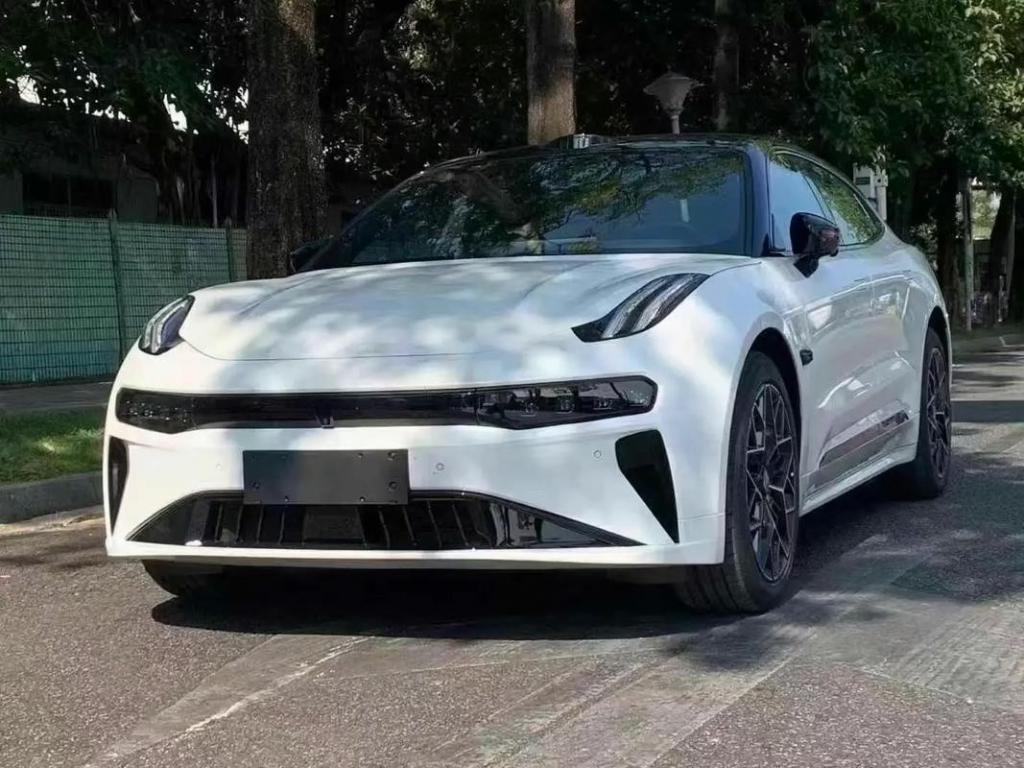
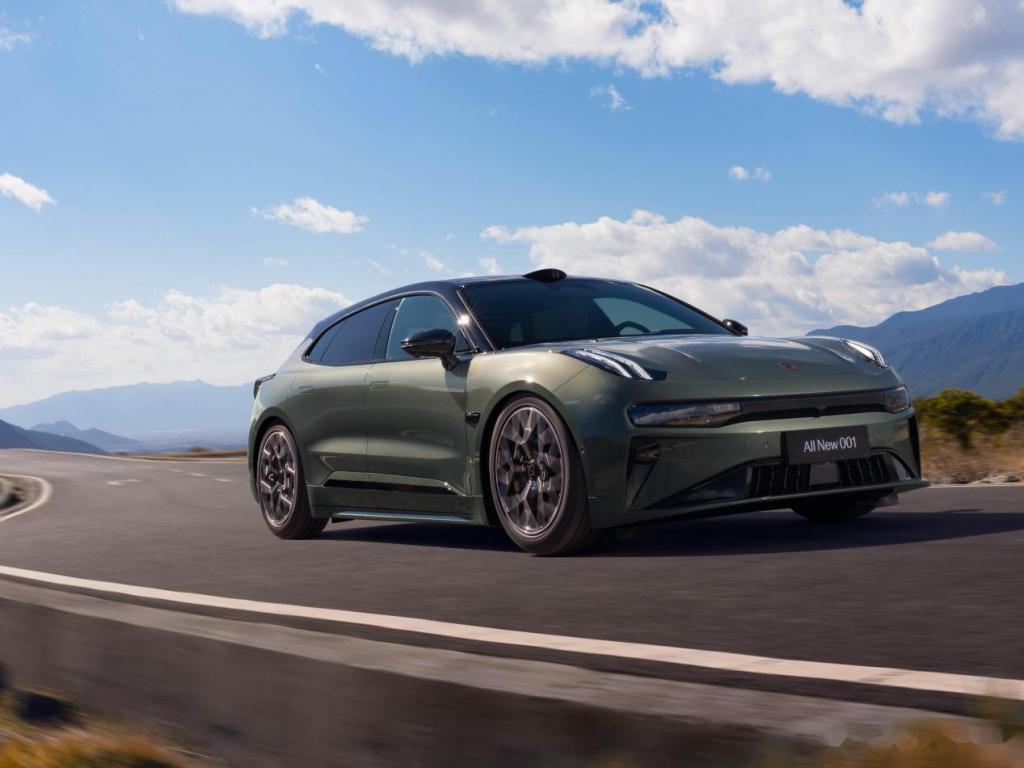
Recently, Zeekr announced a recall of a total of 38,277 Zeekr 001 WE models, effective March 6. The recall is primarily due to manufacturing inconsistencies in components of the high-voltage power battery. Prolonged use could lead to an abnormal increase in the battery's internal resistance, which in turn could degrade the power battery's performance and, in extreme cases, pose a thermal runaway safety risk.
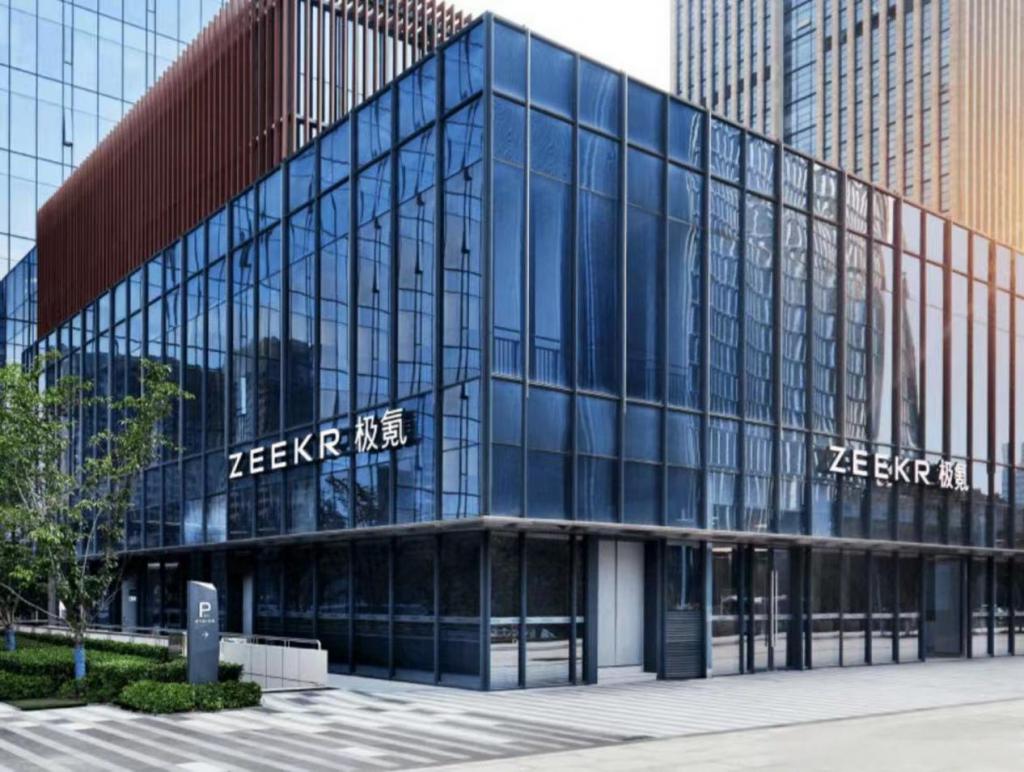
ZEEKR will inspect or remotely diagnose the recalled vehicles and replace the power battery assembly free of charge for vehicles that have not yet had their power batteries replaced.
Regarding user rights, Zeekr stated that the first owner can still enjoy a lifetime warranty on the three-electric system after battery replacement, while subsequent owners will continue to have an 8-year or 200,000-kilometer warranty on the three-electric system, with the original warranty policy fully extended.
Zeekr's recall is seen as a further move after its reconciliation with Sunwoda, but from an industry perspective, Zeekr's recall may change the chaotic situation in the new energy-related industries.
A dispute, finally a recall.
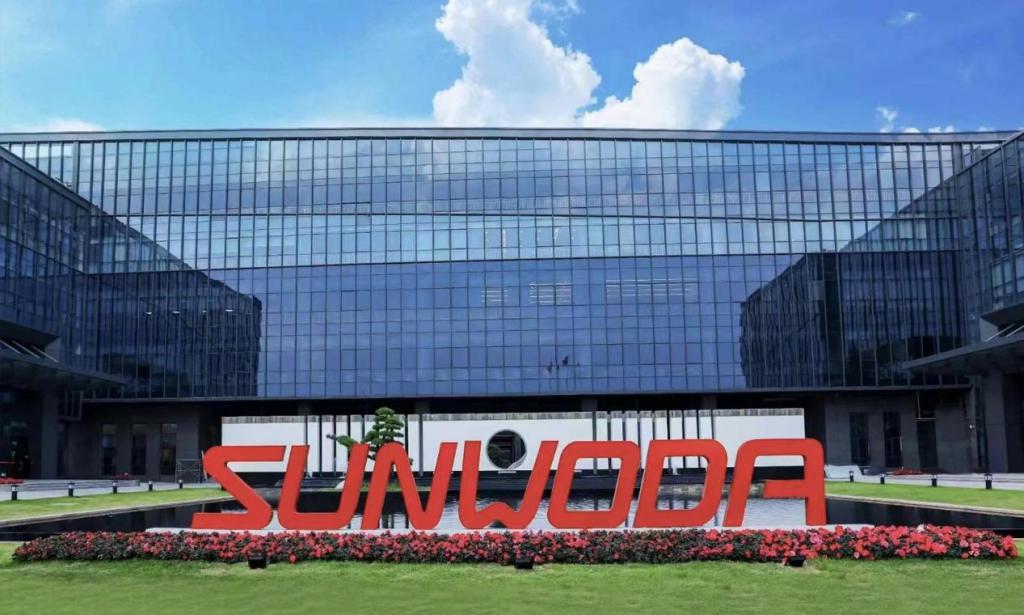
In December 2025, Viridi, a power battery company under Geely, filed a lawsuit against its supplier, Sunwoda Power, in the Ningbo Intermediate People's Court, accusing it of delivering power battery cells with quality issues between June 2021 and December 2023.
These battery cells are mainly used in the Zeekr 001 WE edition. Since 2024, a large number of car owners have reported issues such as slower charging speeds and abnormal battery capacity degradation.
Weilai Electric believes that the problem stems from inconsistencies in the manufacturing of battery cells, which has forced them to replace battery packs for users free of charge, resulting in significant economic losses. Therefore, they are seeking compensation of up to RMB 2.314 billion.
As early as the end of 2024, ZEEKR launched a service to replace new battery packs for problematic vehicles, involving approximately 10,000 cars, with an estimated direct replacement cost of 1.5 billion yuan.
During this period, the Zeekr 001 model has been dubbed "electric Luxgen" by netizens, who complain about its extremely high and unstable power consumption. Zeekr believes that the battery performance provided by its supplier, Sunwoda, is problematic, causing Zeekr to unfairly bear the blame. Regardless of whether the reason lies entirely with Sunwonda or not, Zeekr does have shortcomings in controlling the product quality and reliability of its suppliers.
Previously, the safety of power batteries was always an issue that car companies and battery suppliers wanted to heavily promote but were reluctant to address in detail. During the new car launch and market entry phases, car companies would conduct extensive technical and safety promotions regarding battery management systems. However, once the new cars went on sale and battery issues emerged, car companies would avoid discussing the batteries. When a single brand faced numerous instances of battery spontaneous combustion or SOC anomalies, they would only respond to high-profile incidents but would not address the root causes.
Prior to Zeekr's battery recall, one of the most discussed incidents was the 2022 recall of the BYD Tang due to battery safety hazards. Since then, there have been very few cases of automakers initiating recalls for battery-related issues. Furthermore, many new energy vehicle manufacturers choose to remain silent on critical problems involving models that have already been involved in accidents, let alone taking the initiative to push for a recall.
In the era of gasoline vehicles, recalls by automakers were commonplace. The majority of users at that time perceived recalls as automakers acknowledging product quality issues and subsequently taking recall actions. In reality, when automakers decide to recall on core issues, it signifies their social responsibility and prioritizing user interests. Only then will they compensate users for product defects through recalls.
Just as with the timing of this Zeekr recall, Zeekr's actions, from its initial free battery replacement service for users upon learning of the Xinwangda battery cell consistency issue to the current recall, both demonstrate Zeekr's responsibility and commitment as a high-end luxury brand. Reaching a settlement with Xinwangda also reflects Zeekr's approach to positive competition in the fiercely competitive new energy market.
Does the healthy development of the new energy industry require a "Zeekr recall"?
Zeekr's recall this time can be said to be a recall that can drive the healthy development of the new energy industry.
For new energy vehicles, especially from new brands or the new energy divisions of traditional automakers, product recalls are a monumental issue. Taking recent recall information as an example, besides NIO and Zeekr recalling vehicles due to Xinwangda battery issues, the vast majority of other recall information has been initiated by traditional automakers.
For instance, the more sensational BMW recall case in the past couple of days, where BMW is recalling multiple models due to a fire hazard from a starter defect, involves a massive 570,000 vehicles, a scale rarely seen in recent years. However, whether it's Mercedes, BMW, or Audi, the number of recalls and the cumulative number of vehicles affected each year is not small, and many recalls cover reasons that threaten the lives of drivers and passengers.
Thus, traditional brands, especially when dealing with gasoline cars, are able to confront the problems directly. Whether it's a component defect caused by suppliers or a design flaw by the OEM, car manufacturers can face it squarely, and this has formed a virtuous cycle from the OEM to the supply chain.
Defects in new energy vehicle (NEV) products that have been criticized by users in the past two years often pose threats to personal safety. Examples include immature intelligent driving systems, flush-mounted door handles that are facing upcoming regulatory rectification, and battery-related issues. Some automakers, unable to modify hardware, have used Over-the-Air (OTA) updates as a substitute for physical recalls, which appears to create even greater safety hazards for users. The intended mission of OTA is to provide users with a "constantly fresh" product experience, rather than serving as a tool to circumvent risks and reduce recall costs. Ultimately, the only way to fundamentally resolve these defects is through a formal recall.
This also highlights the significance of Zeekr's recall this time, making it so that NEV manufacturers, or rather, any car company dealing with defects in NEV products, can no longer evade recalls. After all, for NEV products, the rapid development and continuously updated technology in recent years, as well as the significantly shortened testing time, mean that a certain amount of product reliability has been sacrificed. In this situation, if car companies encounter problems and fail to carry out targeted repairs, then cars will truly be not far from being fast-moving consumer goods.
【Copyright and Disclaimer】The above information is collected and organized by PlastMatch. The copyright belongs to the original author. This article is reprinted for the purpose of providing more information, and it does not imply that PlastMatch endorses the views expressed in the article or guarantees its accuracy. If there are any errors in the source attribution or if your legitimate rights have been infringed, please contact us, and we will promptly correct or remove the content. If other media, websites, or individuals use the aforementioned content, they must clearly indicate the original source and origin of the work and assume legal responsibility on their own.
Most Popular
-

Sony Joins 13 Chemical Material Firms to Build World's First Renewable Plastic Supply Chain in Electronics
-

Breaking: EU Imposes 79% Anti-Dumping Tariff on Several China Products
-
Building an Asian Application R&D Center! Why Is DOMO Chemicals Firmly Betting on China's High-End Nylon Track?
-
"Fifteenth Five-Year Plan" Policy Winds Blow Strong, CHINAPLAS 2026 International Rubber & Plastics Exhibition Reimagines and Sets Sail!
-
Continental Plans to Begin Sale of ContiTech in Early 2026

