



Will a U.S.-Iran Peace Deal Reshape the Oil Market? IEA Warns of a Severe Crude Oversupply Next Year
Lead: As the temporary peace agreement between the U.S. and Iran is about to be signed, the IEA forecasts that Middle Eastern crude oil production capacity will gradually recover and trigger a significant oversupply next year.
Amid the ripple effects brought about by the easing of tensions in the Middle East, the International Energy Agency (IEA) judged in its monthly oil market report released on Wednesday that,If a peace arrangement can be sustained, the global crude oil market may shift to a significant oversupply situation next year.。
In this report, the IEA conducted its first systematic assessment of the impact after the Iran conflict ended. The agency analyzed that, as the oilfields that had been shut down for months due to the conflict gradually resumed production,Supply in the Gulf region will show a “gradual” recovery trend this year.On this basis,Global oil production is expected to increase by 8 million barrels per day by next year, reaching a total scale of 110 million barrels per day.In contrast,Global demand is increasing by only about 2 million barrels per day, with the growth rate described as “relatively moderate.”
The International Energy Agency pointed out in the report that,This supply-demand mismatch will lead to a “massive oversupply.”and said this “could provide the market with a welcome respite and an opportunity to replenish depleted inventories or build new strategic reserves.” Currently, oil inventories in OECD countries have fallen to their lowest level since 1990.
Oil prices fall back while oil-producing countries increase output simultaneously.
Price movements had already priced in the shift in market expectations. Since the United States and Iran announced an agreement last weekend, international oil prices have fallen significantly. As the global benchmark,Brent crude oilIt was running around $78 on Wednesday, well below the high of about $126 at the end of April.WTI Crude OilThe price is slightly above $75 per barrel, having previously peaked close to $120.
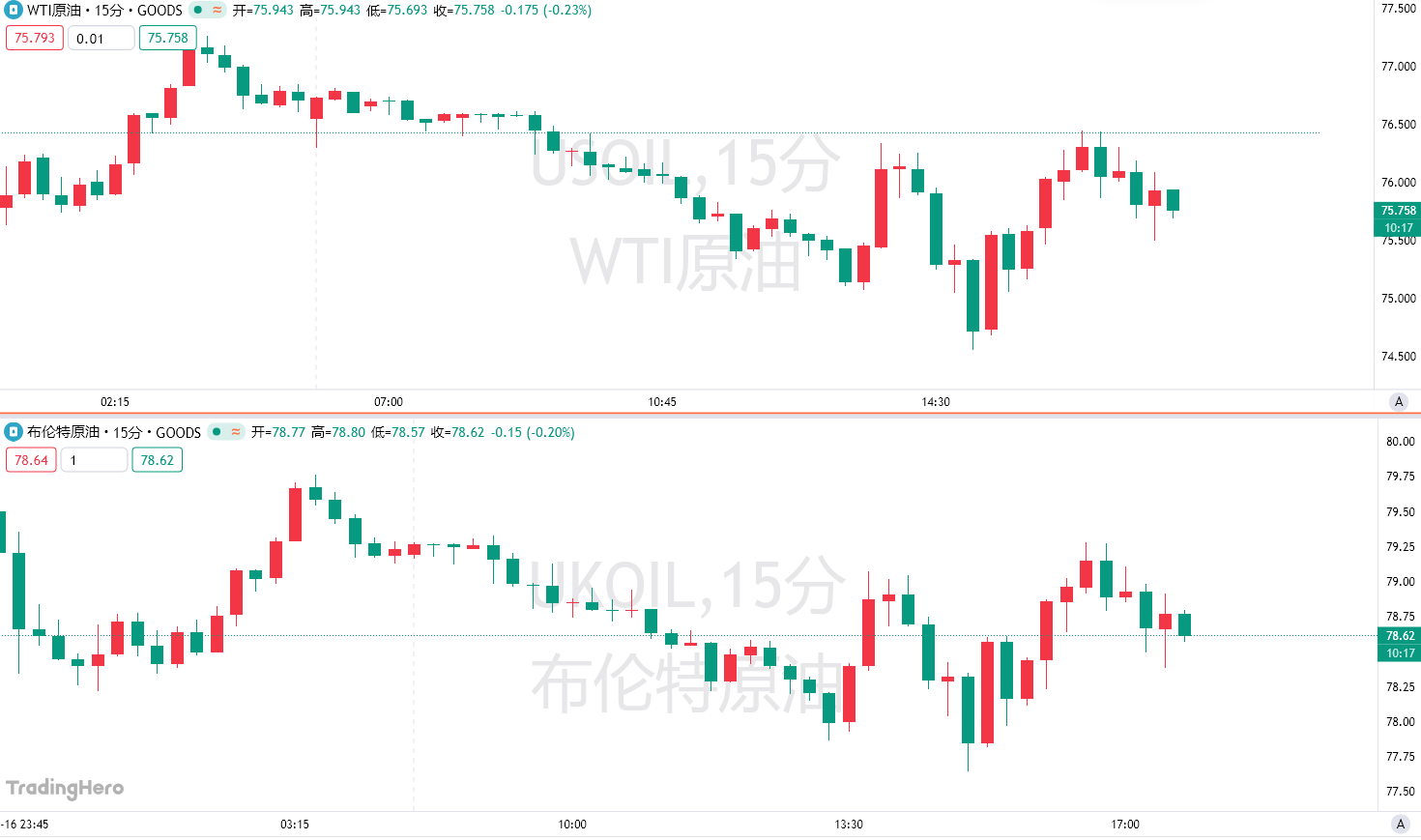
Changes on the supply side are unfolding in parallel. The UAE, which has exited OPEC, is working to increase production; Saudi Arabia has said it can restore output to pre-conflict levels within three weeks. Meanwhile, the United States, Brazil, and Venezuela have also raised supply levels in recent months to address earlier market tightness.
The International Energy Agency also noted that,The oil prices have experienced a significant pullback from May to mid-June, driven by both optimistic expectations for a peace agreement and changes in demand from Asia.Reduced crude oil purchases in Asia are exerting significant downward pressure on prices.
Affected by the combined impact of multiple factors, Brent crude oil prices fell by more than $40 per barrel over this period, dropping to around $82, indicating that the market had already priced in expectations of increased supply and slowing demand.
【Copyright and Disclaimer】The above information is collected and organized by PlastMatch. The copyright belongs to the original author. This article is reprinted for the purpose of providing more information, and it does not imply that PlastMatch endorses the views expressed in the article or guarantees its accuracy. If there are any errors in the source attribution or if your legitimate rights have been infringed, please contact us, and we will promptly correct or remove the content. If other media, websites, or individuals use the aforementioned content, they must clearly indicate the original source and origin of the work and assume legal responsibility on their own.
Most Popular
-

A Look at the Material Suppliers Behind SpaceX
-

United States Imposes 208.49% Tariff On Chinese Glass Fiber Products
-

Government's Triple Action, Enterprises' Three Arrows in Five Days, Semiconductor Reshuffle! What Signal Does Japan's Chemical Industry Release?
-

Next-generation motors of new energy vehicles: Single-Round Thousand Horsepower, Replacing Brakes, How Powerful Are They?
-

Shutdowns And Production Cuts! Widespread Price Quotes Suspended, Chemical Products May Still Be Easier To Rise Than Fall In June-July!


