



Trump Confronts Pharmaceutical Companies! Tariffs for Drug Prices, Pfizer and Other Giants Concede
On Thursday, February 5th (local time), former U.S. President Donald Trump formally announced the launch of a new online platform called "TrumpRx" through a national televised address. The core objective is to break the current high prescription drug prices in the United States, allowing the public to purchase prescription drugs directly from drug manufacturers at significantly discounted prices, bypassing multiple intermediate links in traditional distribution.
The White House subsequently issued an official statement further elaborating on the platform's operational logic: TrumpRx's core advantage lies in bypassing the cumbersome processes of the traditional insurance system and the layers of markups from intermediaries. By directly connecting drug purchases of specific prescription drugs at negotiated discount prices through exclusive agreements reached between the government and pharmaceutical companies, the platform aims to reduce medication costs for the American people. However, this seemingly beneficial measure is, in reality, closely tied to the Trump administration's tariff policies, serving as a core bargaining chip in negotiations between the two parties.
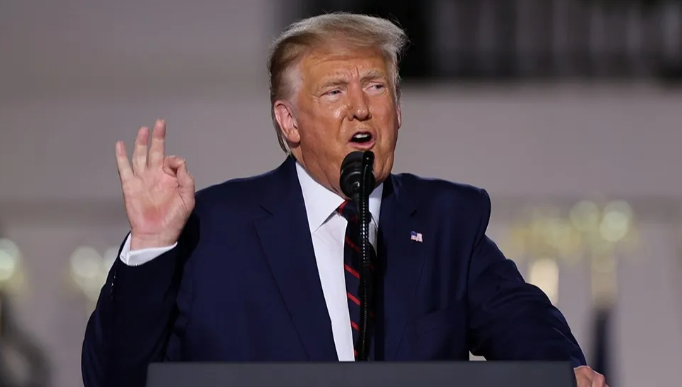
At a related event held at the White House that day, Trump denounced the unreasonable status quo of prescription drug prices in the United States, stating directly: "For a long time, Americans have been paying the highest prices in the world for the same prescription drugs, while people in other countries pay only a fraction of the U.S. price." He further added that this imbalanced pricing model is equivalent to the United States indirectly subsidizing other countries globally at the cost of tens of billions of dollars annually.
To support this point, Trump cited data showing that the United States accounts for only 4% of the world's population, but consumes 13% of the world's prescription drugs, a severe mismatch between the medication costs borne by Americans and the size of the population. He emphasized that the special agreement between the government and pharmaceutical companies would completely reverse this situation, "Based on the consensus we have reached with pharmaceutical companies through negotiations, Americans will enjoy the lowest prescription drug prices in the world – that is the price everyone will need to pay in the future."
Regarding the specific reduction in drug prices, Trump made an extremely optimistic promise, claiming that the prices of some drugs would drop significantly by 300%, 400%, 500%, or even 600%, with even larger decreases expected in certain specialized drug sectors. On the same day, he specifically listed more than 40 types of drugs projected to see price cuts, covering categories closely related to people's lives such as fertility treatments, insulin, and weight-loss drugs, including the high-profile GLP-1 receptor agonists.
The White House statement further clarified that these discounted prices are the result of negotiations between the Trump administration and over a dozen well-known pharmaceutical companies, including industry giants such as Amgen, Eli Lilly, Gilead, and Pfizer, based on "most-favored-nation" drug pricing agreements. It is worth noting that this agreement was not without a quid pro quo; the core exchange condition was the Trump administration's abandonment of plans to impose high tariffs on participating pharmaceutical companies. Previously, Trump had issued an ultimatum to 17 multinational pharmaceutical companies, including Pfizer and Eli Lilly, demanding that they lower drug prices in the U.S. market within a specified period, or face a 100% tariff on imported branded or patented drugs.
In fact, the Trump administration's efforts to push for lower drug prices began as early as last year. In March of last year, Trump signed an executive order explicitly requiring pharmaceutical companies to sell prescription drugs in the United States at prices no higher than those in other comparable countries, calling this policy the "most favored nation" policy in the field of drug pricing. On September 30 of the same year, Pfizer became the first pharmaceutical company to reach an agreement with the government, promising that the plan would cover most of the company's primary care drugs and some specialty brand drugs, allowing patients to purchase related drugs at an average discount of 50%. In exchange, Pfizer also received a three-year exemption from special tariffs on medicines and pledged to invest $70 billion in building factories in the United States.
Following the initial agreement with Pfizer, the Trump administration reached similar collaborations with over a dozen other pharmaceutical companies between October and December of last year, gradually expanding the coverage of discounted drugs and laying the foundation for the launch of the TrumpRx platform. According to the plan, the TrumpRx.gov website will officially launch in January 2026, allowing consumers to purchase related drugs directly at discounted prices.
Despite the Trump administration's high hopes for the new policy, skepticism and controversy have persisted, with many arguing that the actual effects of the policy may fall short of expectations and even harbor potential pitfalls. Some Democratic figures and healthcare policy experts point out that TrumpRx may reduce drug costs for some Americans to a certain extent, but the government's promotion of drug accessibility is exaggerated, and related public commitments are too vague, making it difficult to comprehensively assess the plan's actual impact at this time.
Experts further warn that while the core focus of the TrumpRx platform is lowering drug "list prices," this may obscure the crucial fact that many Americans already have access to lower drug costs through various discounts and rebates. For example, Novo Nordisk already offers the weight-loss drug Ozempic to the public at significantly discounted prices through its official website, limiting the actual incremental benefit of the new policy.
"The core problem with the U.S. healthcare system is that for most branded drugs, even with a discount, the average patient simply cannot afford to pay the full out-of-pocket cost—which is why insurance exists in the first place—and this policy fails to address that fundamental pain point," said Craig Garthwaite, director of the healthcare program at Northwestern University's Kellogg School of Management.
In addition to doubts about the practical effects, the new policy also faces controversy regarding its legality and safety. Former federal health officials questioned the government's promise to grant the Food and Drug Administration (FDA) fast-track approval to participating pharmaceutical companies, arguing that such hasty approvals might violate relevant laws and also lay the groundwork for drug safety risks.
Congressional Democrats have demanded specific details regarding the involvement of pharmaceutical companies, calling on them to publicly clarify their specific methods of participation in the new policy, future pricing projections, and preparations made for the development of the TrumpRx.gov website. In a joint statement last December, Senator Ron Wyden of Oregon and three other Democratic senators responsible for overseeing the U.S. healthcare system stated: "The administration has yet to provide any public information demonstrating that these claims of price reductions will translate into actual out-of-pocket savings for consumers."
They further pointed out that many economists have questioned whether the public will genuinely benefit from the new policy. "The public has a right to know the truth, and a right to clearly understand how this policy will affect their daily expenses. Both the government and pharmaceutical companies have a responsibility to provide clear answers." Currently, as the launch date of the TrumpRx platform approaches, the related controversies continue to escalate, and the actual effects of the new policy remain to be seen.
【Copyright and Disclaimer】This article is the property of PlastMatch. For business cooperation, media interviews, article reprints, or suggestions, please call the PlastMatch customer service hotline at +86-18030158354 or via email at service@zhuansushijie.com. The information and data provided by PlastMatch are for reference only and do not constitute direct advice for client decision-making. Any decisions made by clients based on such information and data, and all resulting direct or indirect losses and legal consequences, shall be borne by the clients themselves and are unrelated to PlastMatch. Unauthorized reprinting is strictly prohibited.
Most Popular
-

Key Players: The 10 Most Critical Publicly Listed Companies in Solid-State Battery Raw Materials
-

Vioneo Abandons €1.5 Billion Antwerp Project, First Commercial Green Polyolefin Plant Relocates to China
-
Clariant's CATOFIN™ Catalyst and CLARITY™ Platform Drive Dual-Engine Performance
-
Multifaceted Collaboration: PA Prices Rebound Against Trend to Break Through
-
Lutai's Major Equity Change! Uniqlo's Parent Company Joins Hands With Chenfeng to Enter the Market, Creating a "Community of Destiny" in the Textile Industry

