



Tesla FSD Approved in Europe for First Time
According to Car News, according to foreign media reports, the Dutch regulatory authority has recently approved Tesla to use its driver-monitored autonomous driving software on highways and urban roads. This is the first such approval for Tesla in Europe, and the company hopes that other EU countries will follow and approve it as well. Before approving Tesla's supervised Full Self-Driving (FSD) software, the Dutch Vehicle Authority (RDW) conducted over 18 months of testing and analysis.
The approved technology is called FSD Supervised, which can automatically handle a vehicle's steering, braking, and acceleration. The Dutch Vehicle Authority RDW stated in a statement: "Using this driving assistance system correctly can help improve road safety." The authority also said it will apply for an EU-wide usage license for the technology.
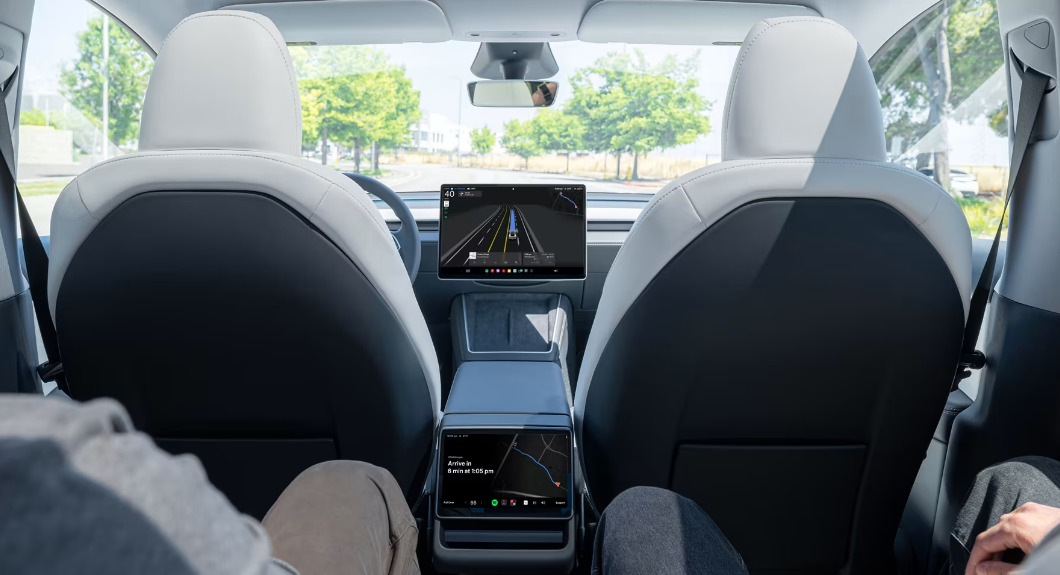
Image source: Tesla
RDW stated that it will submit an EU-wide certification application for Tesla's FSD system to the European Commission, which will be subject to a vote by all member states. If approved by a majority of the responsible committee, Tesla's FSD system will become valid across the entire EU. If it fails to secure majority support, individual countries may still decide independently whether to approve Tesla's FSD system. Last month, Tesla projected that the technology could receive EU-wide approval as early as this summer.
The comprehensive rollout of the FSD (Full Self-Driving) driver-assistance software is central to Tesla’s growth strategy. The company’s approximately $1 trillion market capitalization hinges significantly on CEO Elon Musk’s bet that AI-powered autonomous driving software and robotaxis will become its core revenue source.
Meanwhile, Tesla also hopes that its autonomous driving software will boost sales. Due to an aging electric vehicle lineup and consumer backlash against Elon Musk’s political statements, Tesla’s sales in Europe had previously slowed. However, in February this year, Tesla achieved its first year-on-year sales growth in Europe in over a year.
Market research firm Morningstar analyst Seth Goldstein stated, "Approval of FSD in the Netherlands and subsequently other European countries is expected to boost Tesla's sales in Europe in the coming months, as consumers are highly eager to experience FSD."
Boosted by the above news, Tesla's stock rose about 0.7% in after-hours trading on April 10. However, its shares have fallen 23% year-to-date, underperforming the broader U.S. market.
Tesla announced on the social media platform X: “We’re excited to roll out Supervised FSD to more European countries soon,” and stated that the feature will be launched in the Netherlands as soon as possible.
Tesla's Supervised Full Self-Driving (FSD) software is already available in the U.S. via subscription, but following multiple reported accidents and traffic violations involving the system, Tesla is now facing consumer lawsuits and investigations by federal agencies. However, the RDW noted that the European Union imposes stricter safety standards for vehicle approval than the U.S., stating, "This means the U.S. version of FSD Supervised cannot be considered equivalent to the EU version," without providing further details.
Tesla is the most popular electric vehicle brand in the Netherlands, with approximately 100,000 Model 3 and Model Y vehicles eligible for an FSD software upgrade.
Meanwhile, numerous automakers are developing autonomous driving systems. Most manufacturers use multiple types of hardware sensors to perceive the driving environment, whereas Tesla relies primarily on visual cameras and artificial intelligence.
Mercedes-Benz, Ford, BMW, and other automakers have already introduced "hands-off driving" features on certain highways at restricted speeds, primarily within Germany. Tesla, on the other hand, is the first automaker approved to use advanced driver-assistance features in a broader range of scenarios.
【Copyright and Disclaimer】The above information is collected and organized by PlastMatch. The copyright belongs to the original author. This article is reprinted for the purpose of providing more information, and it does not imply that PlastMatch endorses the views expressed in the article or guarantees its accuracy. If there are any errors in the source attribution or if your legitimate rights have been infringed, please contact us, and we will promptly correct or remove the content. If other media, websites, or individuals use the aforementioned content, they must clearly indicate the original source and origin of the work and assume legal responsibility on their own.
Most Popular
-
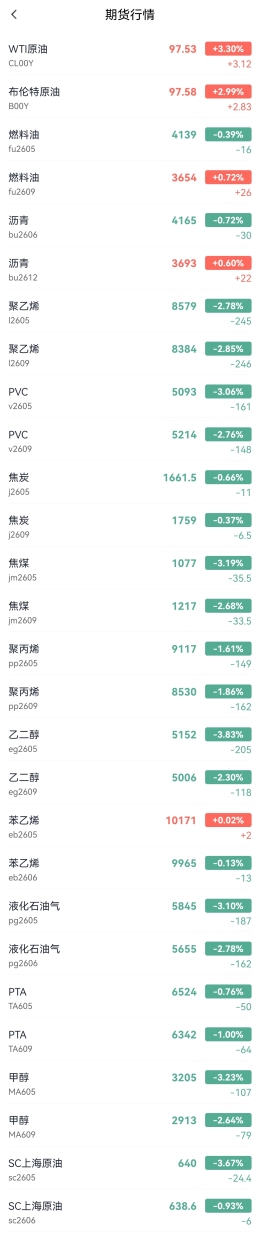
Middle East Tensions Escalate Again? U.S.-Iran Talks Collapse Before Starting, Crude Oil Volatility and Plastic Futures Retreat, Plastics Market Faces New Test
-
Magna Announces Sale Of Lighting And Roof Systems Business
-
Deadly Impact: Hormuz Strait Blockade Sparks Shortage of Plastic Raw Materials, Threatening Shutdowns at Japanese and Korean Chemical Plants
-
BASF Delivers First Batch of Innovative Cathode Materials for Semi-Solid-State Batteries to Weilan New Energy
-
Mdi tariff slashed from 511% to 85%—can wanhua reenter u.s. market?


