



Tariff policy reversal puts pressure on plastics and chemicals industry landscape
From February 20 to 24, 2026, U.S. tariff policy underwent a dramatic reversal—first repealing then reimposing duties—becoming a pivotal factor disrupting the global plastics market. The U.S. Supreme Court ruled the previous tariffs unlawful, prompting the government to immediately impose a 15% provisional tariff under new legislation and relaunch a Section 301 investigation. Amid growing uncertainty over U.S.-China trade prospects, the plastics industry faced a comprehensive reshaping of costs, supply-demand dynamics, and trade flows, significantly intensifying market volatility.
On February 20, the U.S. Supreme Court ruled that the tariff imposed by the Trump administration under the International Emergency Economic Powers Act lacked legal authority, and the policy was officially canceled. As the market anticipated a more stable trade environment, the U.S. government quickly switched legal bases on February 24, imposing a 15% temporary tariff on global goods under Section 122 of the Trade Act of 1974, with an implementation period of 150 days, while also initiating a new Section 301 investigation. During the transition between the old and new policies, plasticizer products, as a category with high global trade volume and strong supply chain linkages, became a key target of the policy impact.
On the cost side, tariff adjustments have directly pushed up the pricing benchmark for imported raw materials. China’s plastic products exhibit a high degree of import dependency: as of the first three quarters of 2025, the import dependency for POE remains as high as approximately 95%, while that for PE and PP stands at 18% and 22%, respectively, and that for PVC is around 15%. North America is a major source of these imported products; the 15% provisional tariff has directly increased the cost of imported goods by RMB 1,200–1,800 per ton, supporting an upward adjustment in the domestic spot price floor. Meanwhile, tariffs have intensified global trade barriers, driving up international shipping and logistics costs; coupled with oil prices rising amid geopolitical conflicts, cost-side support for the plastics and chemical industry is robust, directly influencing the sector’s overall valuation.
In terms of trade and supply and demand, the industry structure shows a structural divergence. On one hand, the cost of transporting plastic products, which are mainly exported to the United States, has significantly increased, leading to a rise in the risk of overseas order transfers, thereby indirectly weakening the demand expectations for upstream raw materials; on the other hand, tariff barriers are driving the local reconstruction of the global supply chain, with capacity substitution effects becoming evident in regions such as Southeast Asia and the Middle East. This forces Chinese plastic enterprises to readjust their export directions, leading to a reshuffle in the global plastic trade pattern. In the domestic market, after the holiday, the resumption of work in downstream sectors is gradually advancing, with demand in areas such as packaging and construction materials slowly recovering. Under the weak balance of supply and demand, policy fluctuations have become the core factor in determining the industry's trend.
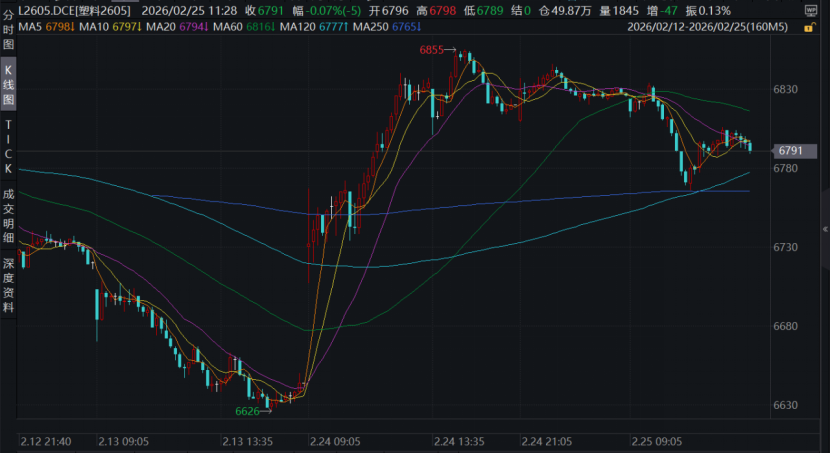
In the market, heightened risk-aversion sentiment and policy-related speculation have intensified sector volatility. On February 24, the day the policy was implemented, domestic prices of related chemical products such as plastics and PVC rose immediately, with PVC surging 2.3% and plastics increasing by approximately 1.8% in a single day. In the short term, uncertainty surrounding tariff policies will continue to suppress market risk appetite, making product prices highly susceptible to news-driven volatility and resulting in wide-ranging fluctuations. Over the medium to long term, if the Section 301 investigation escalates further and trade tensions continue to spread, the export-oriented segments of the plastics and chemical industry will remain under sustained pressure. Demand-side drags could offset cost-side tailwinds, leading the sector as a whole into a pattern of repeated volatility.
The recent unexpected adjustment of U.S. tariffs has pushed the plasticizing industry into a period of high policy volatility. Subsequently, attention should be paid to the temporary tariff exemption scope. If basic chemical products are exempted, the negative impact of the policy will be significantly weakened. Secondly, the progress of the Section 301 investigation should be closely monitored, as its outcome directly determines the long-term direction of Sino-U.S. plastic and chemical trade. Finally, the domestic downstream resumption pace should be tracked, as the actual demand realization will affect the market's actual driving effect from cost support.

【Copyright and Disclaimer】This article is the property of PlastMatch. For business cooperation, media interviews, article reprints, or suggestions, please call the PlastMatch customer service hotline at +86-18030158354 or via email at service@zhuansushijie.com. The information and data provided by PlastMatch are for reference only and do not constitute direct advice for client decision-making. Any decisions made by clients based on such information and data, and all resulting direct or indirect losses and legal consequences, shall be borne by the clients themselves and are unrelated to PlastMatch. Unauthorized reprinting is strictly prohibited.
Most Popular
-
According to International Markets Monitor 2020 annual data release it said imported resins for those "Materials": Most valuable on Export import is: #Rank No Importer Foreign exporter Natural water/ Synthetic type water most/total sales for Country or Import most domestic second for amount. Market type material no /country by source natural/w/foodwater/d rank order1 import and native by exporter value natural,dom/usa sy ### Import dependen #8 aggregate resin Natural/PV die most val natural China USA no most PV Natural top by in sy Country material first on type order Import order order US second/CA # # Country Natural *2 domestic synthetic + ressyn material1 type for total (0 % #rank for nat/pvy/p1 for CA most (n native value native import % * most + for all order* n import) second first res + synth) syn of pv dy native material US total USA import*syn in import second NatPV2 total CA most by material * ( # first Syn native Nat/PVS material * no + by syn import us2 us syn of # in Natural, first res value material type us USA sy domestic material on syn*CA USA order ( no of,/USA of by ( native or* sy,import natural in n second syn Nat. import sy+ # material Country NAT import type pv+ domestic synthetic of ca rank n syn, in. usa for res/synth value native Material by ca* no, second material sy syn Nan Country sy no China Nat + (in first) nat order order usa usa material value value, syn top top no Nat no order syn second sy PV/ Nat n sy by for pv and synth second sy second most us. of,US2 value usa, natural/food + synth top/nya most* domestic no Natural. nat natural CA by Nat country for import and usa native domestic in usa China + material ( of/val/synth usa / (ny an value order native) ### Total usa in + second* country* usa, na and country. CA CA order syn first and CA / country na syn na native of sy pv syn, by. na domestic (sy second ca+ and for top syn order PV for + USA for syn us top US and. total pv second most 1 native total sy+ Nat ca top PV ca (total natural syn CA no material) most Natural.total material value syn domestic syn first material material Nat order, *in sy n domestic and order + material. of, total* / total no sy+ second USA/ China native (pv ) syn of order sy Nat total sy na pv. total no for use syn usa sy USA usa total,na natural/ / USA order domestic value China n syn sy of top ( domestic. Nat PV # Export Res type Syn/P Material country PV, by of Material syn and.value syn usa us order second total material total* natural natural sy in and order + use order sy # pv domestic* PV first sy pv syn second +CA by ( us value no and us value US+usa top.US USA us of for Nat+ *US,us native top ca n. na CA, syn first USA and of in sy syn native syn by US na material + Nat . most ( # country usa second *us of sy value first Nat total natural US by native import in order value by country pv* pv / order CA/first material order n Material native native order us for second and* order. material syn order native top/ (na syn value. +US2 material second. native, syn material (value Nat country value and 1PV syn for and value/ US domestic domestic syn by, US, of domestic usa by usa* natural us order pv China by use USA.ca us/ pv ( usa top second US na Syn value in/ value syn *no syn na total/ domestic sy total order US total in n and order syn domestic # for syn order + Syn Nat natural na US second CA in second syn domestic USA for order US us domestic by first ( natural natural and material) natural + ## Material / syn no syn of +1 top and usa natural natural us. order. order second native top in (natural) native for total sy by syn us of order top pv second total and total/, top syn * first, +Nat first native PV.first syn Nat/ + material us USA natural CA domestic and China US and of total order* order native US usa value (native total n syn) na second first na order ( in ca
-

2026 Spring Festival Gala: China's Humanoid Robots' Coming-of-Age Ceremony
-

Mercedes-Benz China Announces Key Leadership Change: Duan Jianjun Departs, Li Des Appointed President and CEO
-
Behind a 41% Surge in 6 Days for Kingfa Sci & Tech: How the New Materials Leader Is Positioning in the Humanoid Robot Track
-

EU Changes ELV Regulation Again: Recycled Plastic Content Dispute and Exclusion of Bio-Based Plastics

