PVC Exports Hit Record Highs in Single Quarter and Month—What Risks Lie Ahead for Q2?
In the first quarter, China’s PVC export market experienced explosive growth, with quarterly export volume hitting a new historical high; the export volume in March alone reached an all-time peak. Behind these impressive figures lies the convergence of a policy window, pricing advantages, and strong overseas demand. With the cancellation of the export tax rebate policy now in effect—coupled with developments such as the Middle East situation and India’s tariff adjustments—the question of whether PVC exports can maintain their strength in the second quarter has become a focal point for the market.
Customs data shows that China's PVC exports reached 1.4169 million tons from January to March, surging 45.13% year-on-year, setting a new record for quarterly exports. Among them, March stood out with a monthly export volume of 684,000 tons, rising by as much as 86.7% year-on-year, breaking the historical record for monthly PVC exports.
Liu Peiyang, an analyst at Zhongyuan Futures, stated that the significant increase in PVC exports in March was driven by three main factors: first, a rush to export during the policy window period, as March was the last month before China abolished the export tax rebate for PVC, leading to a concentration of orders and deliveries by domestic and overseas traders; second, the domestic PVC price was at a global low, offering a significant cost advantage; third, regions such as India and Southeast Asia had strong inelastic demand, with a high dependence on imports.
Liu Peiyang introducedFrom the perspective of export destinations, China’s PVC exports in the first quarter were highly concentrated in countries such as India, Vietnam, and Uzbekistan, with India remaining the largest export market.In the first quarter, China exported 570,000 metric tons of PVC to India, accounting for 40.2% of total exports; 115,000 metric tons to Vietnam, accounting for 8.1%; and 76,000 metric tons to Uzbekistan, accounting for 5.4%.
“The high import dependency of the Indian market stems from its supply-demand gap,” said Liu Peiyang. India’s annual PVC demand is approximately 4 million tons, while its domestic production capacity is only 1.59 million tons, necessitating imports of over 2 million tons annually and resulting in extremely high external dependence. Moreover, India’s PVC demand structure closely aligns with that of China, primarily consisting of general-purpose SG-5 resin, which highly overlaps with China’s dominant calcium carbide-based PVC products. Coupled with advantages in proximity, pricing, and supply reliability, Chinese PVC holds a significant market share in India, and India’s stable demand serves as a key driver for the growth of China’s PVC exports.
During the interview, Futures Daily learned that the market originally expected the first-quarter export rush to exhaust demand in the second quarter. Coupled with the cancellation of export tax rebates effective April 1, China’s PVC export price advantage weakened, leading to expectations of a significant decline in PVC export volumes in the second quarter. However, the escalation of the Middle East geopolitical situation and India’s temporary removal of import tariffs have provided strong support for China’s PVC exports in the second quarter, leading industry insiders to adopt a cautiously optimistic outlook for second-quarter exports.
Zhuo Chuang Information analyst Yu Jiangzhong stated that the escalation of the Middle East geopolitical situation did not lead to a surge in export order intake in March, primarily because overseas buyers had previously purchased large quantities at low prices, and subsequently chose to adopt a wait-and-see stance amid rapid price increases. However, in April, domestic PVC prices declined sharply, re-establishing China’s price advantage. Meanwhile, most overseas PVC production facilities—predominantly ethylene-based—faced production constraints in Japan, South Korea, and Southeast Asia due to the Middle East geopolitical situation, resulting in far smaller price reductions overseas than in China, thereby enhancing China’s PVC price competitiveness. On April 1, the Indian government announced that, to counter domestic inflation and rising raw material costs triggered by regional conflicts, it would reduce import tariffs on PVC, PP, and PE—three major general-purpose plastic base materials—from 7.5% to 0% effective April 2, with the policy valid for three months until June 30.
Liu Peiyang stated that the temporary zero tariff in India directly reduced the import cost of PVC, effectively offsetting the cost increase caused by the cancellation of China's export tax rebate, significantly boosting the purchasing enthusiasm of Indian manufacturers, and providing critical support for China's PVC exports. According to the order data of domestic PVC sample enterprises, there are signs of improvement in export orders and pending deliveries in April.
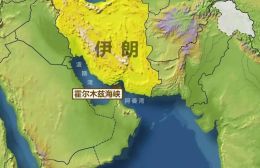
Although PVC exports showed resilience in the second quarter, they still face multiple pressures. Liu Peiyang said the biggest risk in the PVC market in the second quarter is the change in the Middle East geopolitical situation. If the Strait of Hormuz cannot resume normal navigation, the gap in crude oil and related chemical supply will continue, directly affecting the global PVC supply structure.
"From the perspective of domestic supply and demand, the current operating rate of the domestic PVC industry has dropped to 75.77%, with both the calcium carbide method and the ethylene method experiencing a synchronized decline in their operating rates," Liu Peiyang stated. On one hand, enterprises are entering the spring maintenance period; on the other hand, ethylene-based enterprises are constrained by raw materials, and some facilities have been shut down since mid-April. Although the domestic PVC inventory has decreased on a month-on-month basis, it remains at a high level compared to the same period last year.
According to Yu Jiangzhong, supported by price advantages and the temporary zero-tariff policy in India, China's PVC exports are still expected to grow in the second quarter. However, due to the over-demand in the first quarter and the gradual entry of the Southeast Asian and Indian markets into the off-season, the growth rate will be lower than that of the first quarter. In the future, as the export benefits are gradually realized, the market needs to find new price drivers; otherwise, PVC prices will struggle to perform well under the pressure of high inventory.
【Copyright and Disclaimer】The above information is collected and organized by PlastMatch. The copyright belongs to the original author. This article is reprinted for the purpose of providing more information, and it does not imply that PlastMatch endorses the views expressed in the article or guarantees its accuracy. If there are any errors in the source attribution or if your legitimate rights have been infringed, please contact us, and we will promptly correct or remove the content. If other media, websites, or individuals use the aforementioned content, they must clearly indicate the original source and origin of the work and assume legal responsibility on their own.
Most Popular
-

Why did a century-old european dental instrument giant relocate its manufacturing hub to china?
-

$4 Billion! Medtronic Makes Another Acquisition
-

Toray Industries and SGL Carbon Establish Carbon Fiber Supply Partnership for Aerospace Sector
-
Profit and Revenue Growth Struggle to Conceal Debt Repayment Pressure; Success of Kingfa Sci & Tech's High-End Strategy Yet to Be Seen
-
Deadly Impact: Hormuz Strait Blockade Sparks Shortage of Plastic Raw Materials, Threatening Shutdowns at Japanese and Korean Chemical Plants