Multiple Negative Factors Weigh On The DOP Market, With Weakness Likely To Persist In The Short Term
Since April 2026, the domestic DOP market has remained trapped in a prolonged downturn. Weakened downstream demand and the continued decline in raw material octanol prices have created a dual drag on the market. Under these bearish pressures, trading activity has been sluggish, and companies have proactively reduced operating rates and cut prices to secure sales, pushing the industry into a long-cycle downtrend. Based on JLC data, this article reviews the current market conditions and offers a short-term outlook.
Since entering a downtrend in April, the domestic DOP market has experienced a brief and modest rebound, but both the strength and sustainability of the rebound have been insufficient, resulting in an overall weak performance. The weakness in the market is primarily driven by dual pressures from both demand and cost sides.
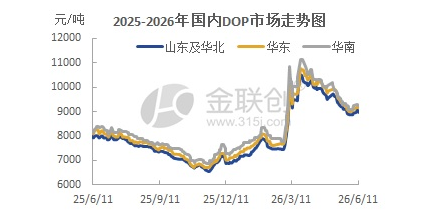
On the demand side, sales of downstream PVC flexible products have remained sluggish, and companies continue to follow a just-in-time purchasing model. Earlier, the surge in DOP prices significantly reduced downstream users’ and traders’ acceptance of high prices, and market purchasing sentiment has remained weak. Intermediaries’ inventory turnover is slow, and it is difficult to destock goods. To promote sales, they have had to continuously lower quotes, making discounted selling the norm in the market.
On the cost side, new octanol capacity has come onstream, leaving the market well supplied. Producers are focusing primarily on shipments, and prices have fallen लगातार. The DOP industry is also facing weak demand and declining feedstock costs; bearish factors are transmitting step by step, prolonging the product’s downward cycle.
Continuous sluggish sales directly lead to inventory backlog issues. During the downward phase of the market, many businesses are experiencing inverted purchase and sales prices, increasing the risk of losses. To control inventory levels and reduce losses, the industry has generally chosen to cut production and reduce output. According to data from Jinlianchuang, since April, the operating rate of DOP has been continuously declining, with industry operations dropping from around 70% to about 55%.
【Copyright and Disclaimer】This article is the property of PlastMatch. For business cooperation, media interviews, article reprints, or suggestions, please call the PlastMatch customer service hotline at +86-18030158354 or via email at service@zhuansushijie.com. The information and data provided by PlastMatch are for reference only and do not constitute direct advice for client decision-making. Any decisions made by clients based on such information and data, and all resulting direct or indirect losses and legal consequences, shall be borne by the clients themselves and are unrelated to PlastMatch. Unauthorized reprinting is strictly prohibited.
Most Popular
-

A Look at the Material Suppliers Behind SpaceX
-

Government's Triple Action, Enterprises' Three Arrows in Five Days, Semiconductor Reshuffle! What Signal Does Japan's Chemical Industry Release?
-

Global Chemical Giants Accelerate Production Capacity Restructuring, Dow and Celanese Optimize Global Industry Layout
-
Name change without tax change: POM Anti-Dumping Duty Rate Inheritance Implemented
-
Fire breaks out at jiangsu meiside!