



Evonik Launches Pyrolysis Oil Refining Technology To Support The Development Of Plastic Chemical Recycling
Evonik is reshaping the landscape of the plastics chemical recycling industry with its technology solutions for pyrolysis oil refining, overcoming key bottlenecks in the process of converting waste plastics into high-quality plastic raw materials.
The company's self-developed specialized catalysts and adsorbents can effectively remove various impurities that have long affected the quality of pyrolysis oil, opening up a feasible path for the plastics industry: reducing dependence on fossil raw materials while meeting the stringent feed standards of cracking units. Currently, global environmental regulations are becoming increasingly strict, and the limitations of traditional mechanical recycling are becoming more apparent with the mixed plastic waste. Evonik's technological innovation coincides with a critical juncture in the development of the circular economy.
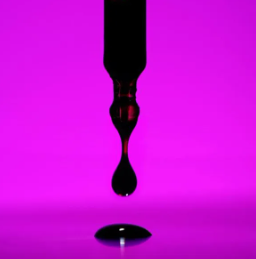
Transforming waste plastics into refined pyrolysis oil is an important breakthrough in the development of the circular economy. Image source: Evonik.
Overcome the challenges of impurity treatment
Pyrolysis is a process in which waste plastics are broken down into basic chemical feedstocks in a high-temperature, oxygen-free environment. The resulting pyrolysis oil can replace fossil-based feedstocks such as naphtha. When this pyrolysis oil is further processed in a steam cracker, it can be converted into key plastic monomers such as ethylene and propylene.
However, impurities such as chlorine, nitrogen, and silicon in pyrolysis oil often reduce production efficiency and threaten the safe operation of equipment. Hendrik Rasch, head of Circular Packaging and Plastic Recycling in Evonik’s New Business division, said: “Cracking units have stringent quality requirements for feedstock, and our products were developed სწორედ for this purpose, significantly improving the quality of pyrolysis oil.”
Innovative Product Proposal
The Evonik Purocel series products rely on the company's profound petrochemical technology accumulation and have been developed over many years. The star product, Purocel™ 505, can remove chlorine elements from macromolecules through catalytic action and further adsorb hydrogen chloride, achieving a chlorine removal effect that is three times that of traditional products.
For ultra-high-purity applications, Evonik combines adsorption processes with hydrotreating to react hydrogen with residual impurities, forming volatile substances that are easy to separate. This process also enables the recycling and reuse of Purocel H-series catalysts, maximizing resource conservation.
Flexible adaptive integration technology
In addition to chemical additive products, Evonik also offers modular systems that can be seamlessly integrated with existing production equipment. Its Rocket Technology features complete tower modules preloaded with adsorbents such as Purocel 510, enabling flexible connection between pyrolysis units and steam crackers. The entire purification system can be deployed efficiently, without significant capital investment or prolonged production line downtime.
Fit the actual needs of the industry
For mixed plastic waste, chemical recycling can effectively address the technical shortcomings of mechanical recycling. Although mechanical recycling is suitable for single-stream, clean waste such as PET bottles, the mixed and contaminated waste that makes up a considerable proportion of plastic garbage requires other processes for treatment.
Rasch stated: “Our technological solution demonstrates that technological innovation can drive the development of the circular economy. We firmly believe that chemical recycling is a core pillar in building a sustainable plastics industry.”
Market layout
As relevant regulations tighten worldwide, demand for chemical recycling is growing rapidly. Evonik is positioned as a one-stop integrated solutions provider, offering customized technical solutions for projects ranging from small-scale pyrolysis lines to large petrochemical integrated complexes. These technologies help the industry reduce its dependence on fossil resources, lessen environmental impact, improve feedstock supply stability, and strengthen resilience against risks.
【Copyright and Disclaimer】This article is the property of PlastMatch. For business cooperation, media interviews, article reprints, or suggestions, please call the PlastMatch customer service hotline at +86-18030158354 or via email at service@zhuansushijie.com. The information and data provided by PlastMatch are for reference only and do not constitute direct advice for client decision-making. Any decisions made by clients based on such information and data, and all resulting direct or indirect losses and legal consequences, shall be borne by the clients themselves and are unrelated to PlastMatch. Unauthorized reprinting is strictly prohibited.
Most Popular
-

A Look at the Material Suppliers Behind SpaceX
-

Government's Triple Action, Enterprises' Three Arrows in Five Days, Semiconductor Reshuffle! What Signal Does Japan's Chemical Industry Release?
-

Global Chemical Giants Accelerate Production Capacity Restructuring, Dow and Celanese Optimize Global Industry Layout
-
Name change without tax change: POM Anti-Dumping Duty Rate Inheritance Implemented
-
Fire breaks out at jiangsu meiside!


