Crossroads of European Chemicals: Production Capacity Shutdowns or Sales Exceeding 25 Million Tons, Investments Plummet by 80%
High energy costs, weak downstream demand, and a complex regulatory environment are pushing Europe’s chemical industry into its toughest period in years. Since 2022, more than 25 million tonnes of chemical production capacity have been shut down or put up for sale, accounting for about 9% of the region’s total chemical capacity in 2021. Industry giants such as BASF and Evonik have lowered their outlooks, and some companies have warned that if natural gas supplies shrink further, the world’s largest chemical hub could be forced to shut down. Europe’s chemical industry is facing a profound structural restructuring.
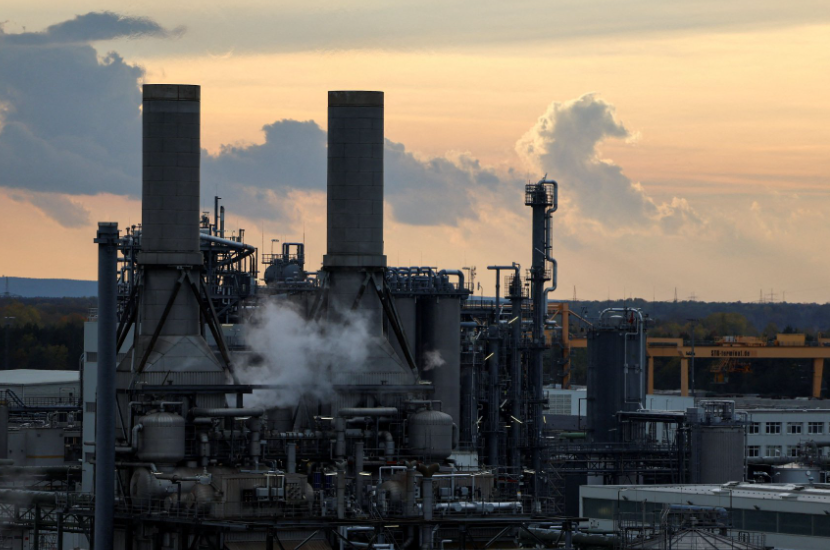
Large-scale production capacity shutdowns and accelerated capital outflows
Capacity contraction has become an evident trend in the European chemical industry. According to ICIS data, since 2022, nearly 25 million tonnes of chemical production capacity in Europe have been shut down or sold. Germany has been hit the hardest, with around 7 million tonnes of chemical capacity having exited, or about to exit, the market. ExxonMobil has brought forward the closure of its ethylene cracker in Scotland; the unit produced 830,000 tonnes of ethylene per year and was once an important piece of chemical infrastructure in the UK. Two plants in the Rotterdam port chemical cluster have already been shut down due to high energy costs and weak demand.
The investment data is even more alarming. In 2025, investment in Europe’s chemical industry plunged by more than 80 percent year on year. The recent bankruptcy filings of three German subsidiaries of Domo Chemicals underscore the continued deepening of the sector’s structural difficulties. Industry analysis shows that about three-quarters of Germany’s energy-intensive chemical companies are currently shifting investment overseas, with production gradually moving to regions with lower raw material costs and lighter regulatory burdens. The United States, with its low energy prices and subsidy policies, has become the preferred destination for corporate relocation. Shell, BASF, Linde, and many other companies have already announced plans to build or expand chemical facilities in the United States.
At the same time as production capacity is being consolidated, corporate mergers and acquisitions are also accelerating. Large companies are expanding economies of scale through acquisitions, but this also brings the risk of unemployment and regional economic decline. The German Chemical Industry Association has warned that if current trends continue, Europe could permanently lose 15% to 20% of its chemical production capacity by 2030, and the resulting supply chain disruptions could prove difficult to repair. The plight of small and medium-sized enterprises is particularly severe, as they lack sufficient funds to cope with the dual challenges of the energy transition and digital upgrading.
High energy costs are eroding profit margins.
Europe’s chemical industry is burdened with the highest energy costs in the world. Industrial natural gas prices have long remained three to four times higher than those faced by competitors in the United States. An even greater concern is the uncertainty of feedstock supply. BASF has warned that if natural gas supply to its Ludwigshafen site falls below half of normal demand, this globally largest integrated production base may be forced to shut down, directly affecting the jobs of around 40,000 employees.
The soaring energy bills have led to a significant diversion of funds for European chemical companies from equipment upgrades and R&D investments to fuel procurement, putting continued pressure on profit margins. The survival environment for small and medium-sized, non-integrated chemical companies has deteriorated sharply. Compared to competitors in the Middle East and the United States who have access to cheap ethane feedstock, Europe relies on expensive naphtha and natural gas, resulting in an increasingly pronounced cost disadvantage. Data shows that by 2025, the average profit margin of the European chemical industry will have dropped to the lowest level since 2010, with over one-third of listed companies either in loss or at break-even point.
High energy costs have also triggered a chain reaction. Companies have been forced to cut R&D budgets, delay new projects, and shut down some outdated facilities. Taking ethylene production as an example, the cash cost of European cracking units is about 40% higher than that on the U.S. Gulf Coast and 70% higher than in the Middle East. This gap has made Europe’s basic chemicals less competitive in the international market, with export market share shrinking year by year. Some products that were originally destined for Asian markets are now being replaced by supplies from the Middle East and North America.
Dual Pressure of Carbon Costs and External Pressures
European chemical companies are facing not only soaring energy bills but also the world’s highest carbon pricing system. The current EU industrial carbon price stands at around €80 per ton, far higher than in other major economies. Industry executives warn that existing climate policies are accelerating the relocation of European chemical manufacturers, leading to a continued erosion of the region’s industrial competitiveness. Although the Carbon Border Adjustment Mechanism is intended to protect domestic industries, its implementation rules are complex and the rollout is lengthy, making it unlikely to ease the actual burden on companies in the short term.
Downstream demand remains weak. In the first quarter, seasonally adjusted output in the chemical industry fell by 2.8% quarter-on-quarter and by nearly 6% year-on-year. The CEO of Univar Solutions said that customers are opting for smaller, more frequent purchases to manage inventory risk, and that weak market confidence is the core reason behind sluggish demand. Growth in major downstream sectors such as construction, automotive, and electronics has been lackluster, directly weighing on consumption of chemical products. Although some companies have briefly gained relief due to supply chain disruptions affecting Asian competitors, the industry generally believes that this window of opportunity will be short-lived. Once Gulf shipping routes return to normal, Asia will still remain the lower-cost base for chemical production.
From a long-term competitive landscape perspective, the European chemical industry is facing triple pressure from the United States, the Middle East, and Asia-Pacific. U.S. shale gas, Middle Eastern ethane, and the vast Asia-Pacific market, along with its well-developed industrial chain, have largely eroded Europe’s advantages in bulk chemicals. The industry urgently needs to accelerate its shift toward the circular economy, bio-based materials, and low-carbon processes, but such transformation requires massive investment. In a context of weak profitability, companies generally lack the financial flexibility to do so. Policymakers need to seek a more balanced path between climate goals and industrial competitiveness; otherwise, the contraction of Europe’s chemical industry will become irreversible.
【Copyright and Disclaimer】The above information is collected and organized by PlastMatch. The copyright belongs to the original author. This article is reprinted for the purpose of providing more information, and it does not imply that PlastMatch endorses the views expressed in the article or guarantees its accuracy. If there are any errors in the source attribution or if your legitimate rights have been infringed, please contact us, and we will promptly correct or remove the content. If other media, websites, or individuals use the aforementioned content, they must clearly indicate the original source and origin of the work and assume legal responsibility on their own.
Most Popular
-

A Look at the Material Suppliers Behind SpaceX
-
Breaking news! formosa petrochemical olefins division lifts force majeure! asia olefins supply and demand dynamics face another reversal
-
Ethylene: Production Capacity Accelerates Expansion, Global Industry Landscape Is Being Reshaped
-
Breaking News! Suzhou Fuyang Chemical Explosion! Exclusive Analysis By Plastics World Of 4 Major Impacts On The Chlor-Alkali Industry Chain
-

Target To Reduce Plastic By 30%! South Korea Enters Plastic Recycling Controversy, Involving National Interests