Chinese automakers surround japanese k-car market: Following BYD, Chery Enters With "Sino-Japanese Joint" Model
The overseas expansion story of Chinese automakers is now entering its most hard-core chapter.
In the past, we sold to Southeast Asia, the Middle East, and South America, but now we are directly entering one of the most closed and discerning car markets in the world—Japan. Moreover, this time we are targeting not ordinary sedans or SUVs, but the Japanese "national car"—K-Cars.
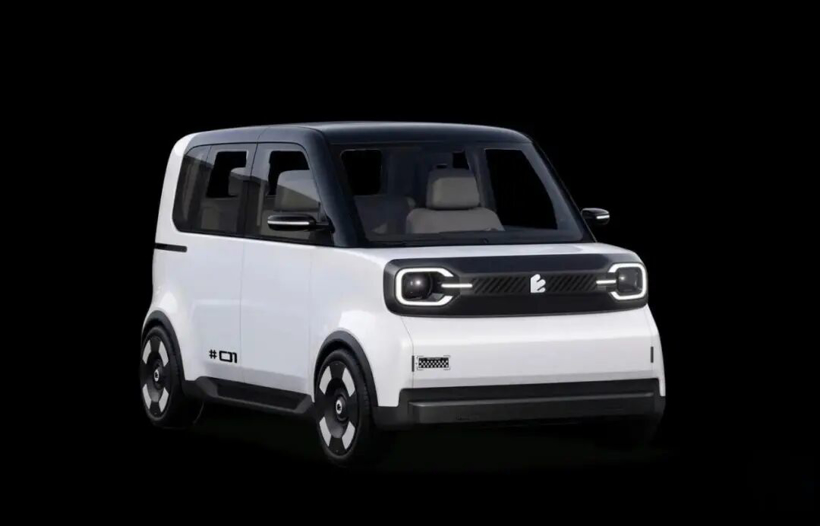
Following BYD’s earlier move to take the lead with Racco, Chery has now officially sounded the charge. On May 27, Chery Automobile, together with four partners, announced in Tokyo, Japan, the launch of a new all-electric brand, “EMTA.” Its first all-electric K-Car is scheduled to officially hit the market in spring 2027.
This is not a simple product export, but a carefully designed “China-Japan joint” campaign.
Breaking the “Iron Bucket Formation”: Chery’s Differentiated Strategy
How difficult is it to enter Japan’s K-Car market? The data speaks for itself.
This segment sells about 1.55 million vehicles annually, accounting for 35%–40% of Japan’s total new-car market, yet its market share has long been dominated by domestic giants such as Suzuki, Daihatsu, and Honda, which together hold as much as 98%. It can be said that this is one of the most “closed-off” automotive strongholds in the world. Over the past few decades, foreign brands have found almost no room to break in.
Chery's approach is not to charge in alone, but to form a "Sino-Japanese hybrid" team.
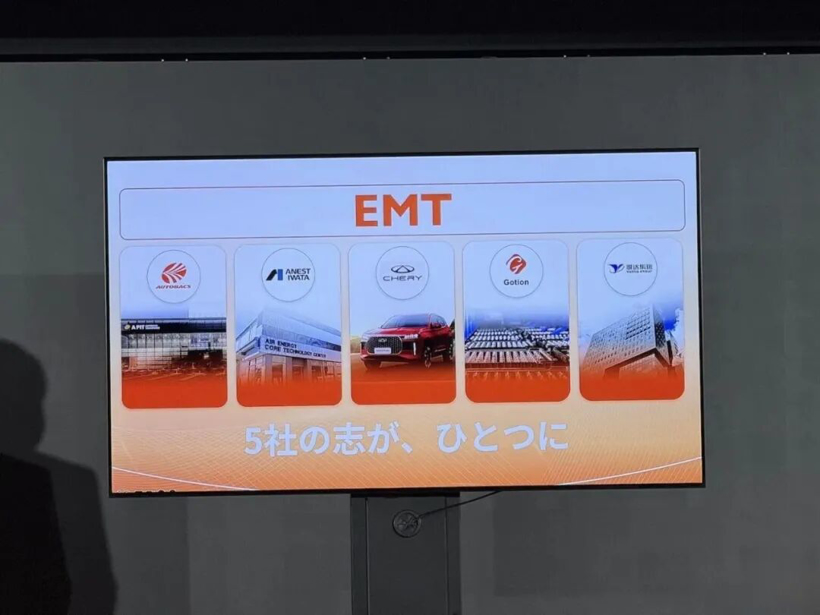
The operating entity of the EMTA brand is EMT, with its registered address directly in Yokohama, Japan. Its shareholder lineup is very interesting:
Chinese side: Chery Automobile, Jiangsu Yueda Automobile Group, battery giant Gotion High-Tech
Japanese side: Autobacs Seven, one of Japan's largest automotive parts retailers, and Anest Iwata, a coating equipment company.
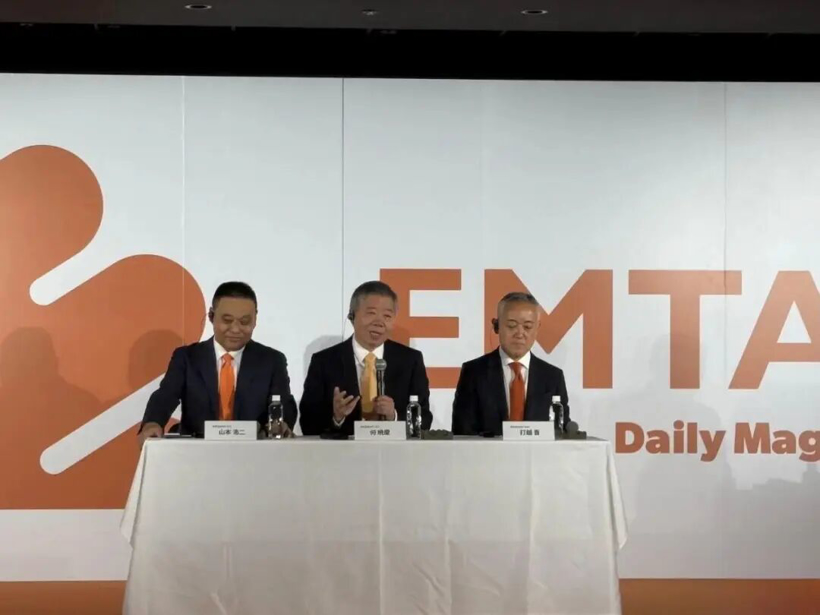
This combination is essentially merging "Chinese manufacturing + three-electric technology" with "Japanese local channels + quality control experience." He Xiaoqing, the CEO of EMT, is a veteran who has been navigating the field of multinational cooperation for many years and has led Chery to consecutive export championships. However, he does not play a solo role—the real star is this brand-new cooperation model.
EMTA’s killer move: selling a small all-electric car at the price of a gasoline K-Car.
What exactly gives EMTA the power to shake up Japanese consumers’ spending habits?
The answer is simple: a cheaper alternative.
Currently, Japan’s best-selling K-Car, the Honda N-BOX, is priced at approximately 1.74 million to 2.48 million yen (about RMB 82,000 to 117,000). EMT Chief Marketing Officer Susumu Uchikoshi directly stated that EMTA products will be priced on par with gasoline-powered K-Cars.
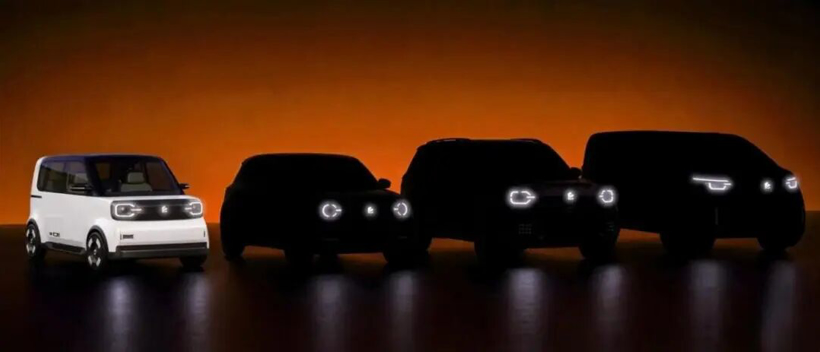
This is a very aggressive price anchor. It's important to note that the penetration rate of pure electric vehicles in the Japanese market is still less than 2%. The main reasons are that electric vehicles are generally expensive and charging infrastructure is insufficient. If EMTA can bring the price of pure electric K-Cars down to the range of gasoline vehicles, the psychological barrier for consumers will be instantly broken.
More importantly, the cost advantage of using pure electric vehicles—where the electricity cost per kilometer is much lower than fuel costs—provides a tangible appeal for Japanese households that are budget-conscious yet seek quality.
Potential and Imagination: The Dimensionality Reduction Strike of China’s Supply Chain
Why is EMTA considered to have potential?
Although the K-Car market in Japan is large, the transition to electrification is extremely slow. Domestic brands have a strong foothold in the fuel and hybrid sectors, while their actions in the pure electric vehicle segment are lagging behind. This has created a time window for external players.
For small electric vehicles, Chinese automakers also have considerable experience—from the Wuling Hongguang MINI EV to the BYD Seagull, China has already built the world’s most cost-effective supply chain for electric mini cars. Chery itself also has mature model experience with vehicles such as the Little Ant and QQ Ice Cream.
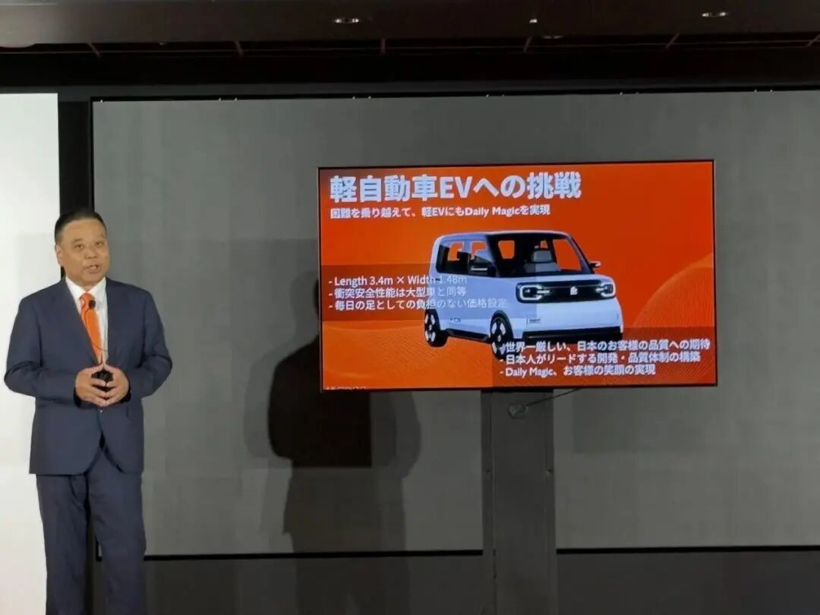
By transplanting these capabilities to Japan and combining them with local partners’ deep understanding of Japanese consumers’ preferences in aesthetics, sizing, and parking habits, the products launched by EMTA will be better tailored to local tastes than purely Chinese cars.
Another easily overlooked advantage is brand positioning. EMTA deliberately does not carry the “Chery” name, but instead faces Japanese consumers as an independent new brand. This helps avoid the psychological resistance some Japanese users may have toward overseas brands and makes it easier to build a sense of localized familiarity.
The real showdown in 2027 is only just beginning.
Of course, the challenges are equally immense. Japanese consumers have very high demands for quality and after-sales service, and EMTA must complete the entire process from brand recognition to delivery trust within two years. He Xiaoqing has a clear understanding of this; he has stated that what EMTA aims to do is to create a "brand for Japanese consumers," rather than just selling Chinese cars under a different name.
However, one signal is already very clear: Chinese car companies are evolving from "selling cars to the world" to "building brands and engaging in trench warfare in the automotive power's home turf."
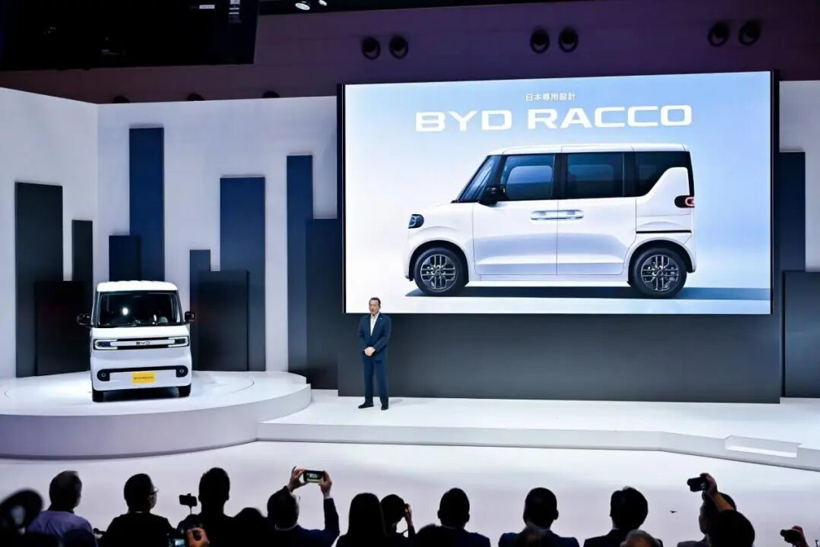
BYD’s Racco is set to go on sale this summer, and Chery’s EMTA is close behind, scheduled for 2027. Two Chinese forces are about to launch a “street fight” in Japan’s K-Car segment, the most tightly held fortress, in a push for new energy.
As for the outcome? In 2027, let’s wait and see.
【Copyright and Disclaimer】The above information is collected and organized by PlastMatch. The copyright belongs to the original author. This article is reprinted for the purpose of providing more information, and it does not imply that PlastMatch endorses the views expressed in the article or guarantees its accuracy. If there are any errors in the source attribution or if your legitimate rights have been infringed, please contact us, and we will promptly correct or remove the content. If other media, websites, or individuals use the aforementioned content, they must clearly indicate the original source and origin of the work and assume legal responsibility on their own.
Most Popular
-
A Look at the Material Suppliers Behind SpaceX
-
Ethylene: Production Capacity Accelerates Expansion, Global Industry Landscape Is Being Reshaped
-
Eastman France PET Depolymerization Plant: Project "Alive," But Construction Paused
-

Amer Sports Releases 2025 Sustainability Report, Apparel And Footwear Recycled Material Proportion Reaches 19.3%
-
Ethylene Industry Enters Production Boom Period! Multinational Giants and Domestic Leaders Compete in Trillion-Dollar Track