



BMW, Mercedes-Benz, and Jaguar Land Rover Appoint Foreign CEOs: Can This Headquarters-Led Turnaround Succeed?
In 2026, the Chinese premium vehicle market has witnessed an unusual wave of senior leadership changes. Within just over a month, BMW, Mercedes-Benz, and Jaguar Land Rover have successively announced the appointment of new CEOs for their China operations—all of whom are foreign executives.
This is not an isolated personnel reshuffle, but rather a concentrated declaration signaling a critical turning point in multinational luxury automakers’ China strategies—from past localization experiments and defensive stability maintenance to a new phase characterized by globally unified command, refined profitability, and an electric-vehicle-driven counteroffensive. As the Chinese market shifts from an “era of incremental growth” to a “battlefield of market saturation,” luxury automakers are using this coordinated executive reshuffle to herald the end of one era and the dawn of a new cycle.
I. The Three Premium Brands Simultaneously Appoint New CEOs, All of Whom Are Foreign NationalsTake the lead
Since the beginning of 2026, the adjustments of executives in the luxury car sector in China have shown a high degree of synchronicity and consistency. Within just two months, BMW, Mercedes-Benz, and Jaguar Land Rover have successively completed the replacement of their top managers in the China region, forming a concentrated wave of leadership changes.
The first shot was fired by... On January 30, BMW officially announced that Christian Ach will succeed Sean Green as the President and CEO of BMW Group Greater China, effective April 1. Ach, a veteran within the BMW system with 25 years of experience in the automotive industry, has served as the global sales head for the MINI brand and the market head for BMW in Germany. He is well-versed in channel management in mature markets, the promotion and sales of new energy vehicles, and sales system reform.
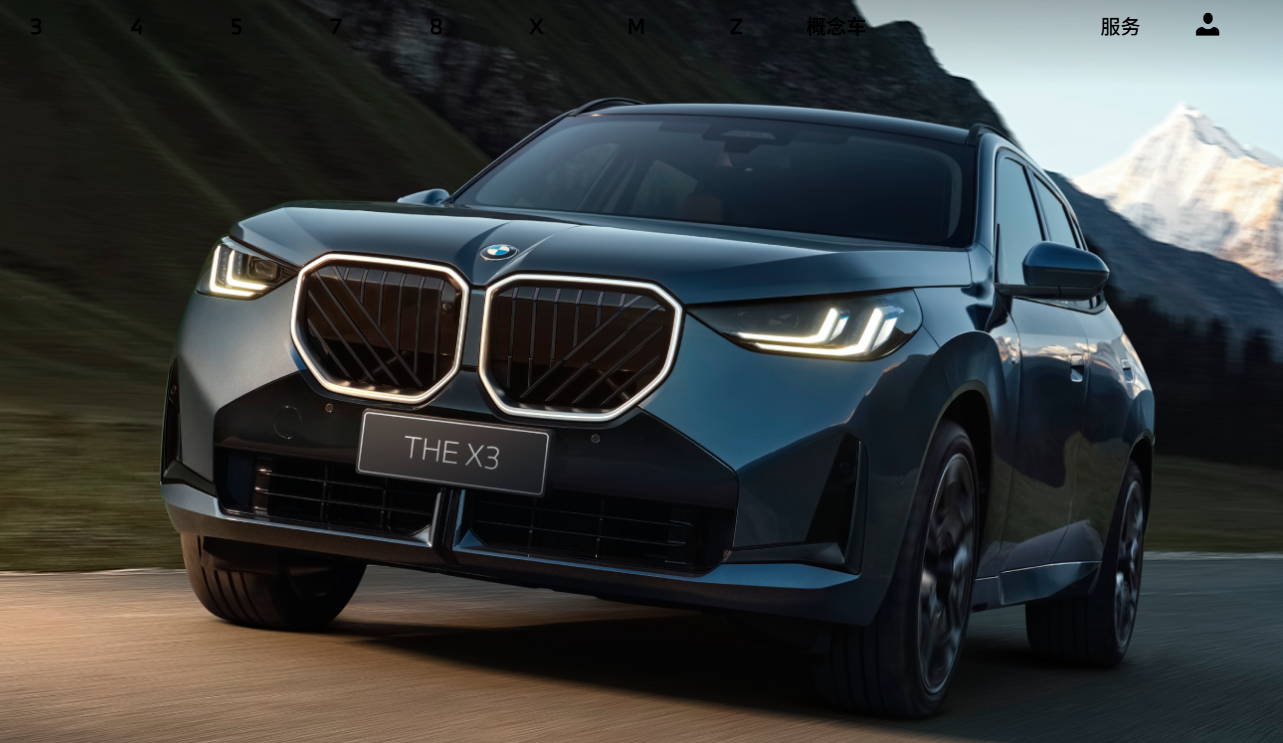
Image source: BMW official website
Following BMW, A key leadership change was completed in mid-February. On February 14, Mercedes-Benz announced that Daniel Lescow would assume the role of President and CEO of Beijing Mercedes-Benz Sales Service Co., Ltd., effective March 1, succeeding Duan Jianjun—the first locally appointed CEO of Mercedes-Benz in China. Lescow, like his predecessor, hails from the German headquarters and has long been responsible for Mercedes-Benz’s global sales and regional market management, possessing deep familiarity with the Group’s global strategy and resource allocation logic. This personnel adjustment—occurring at a critical juncture when Mercedes-Benz faces mounting pressure to accelerate its electrification transformation in China and when its core ICE vehicle business is under strain—is viewed as a pivotal move to recalibrate the company’s China strategy and realign its operations with the Group’s unified global strategic rhythm.
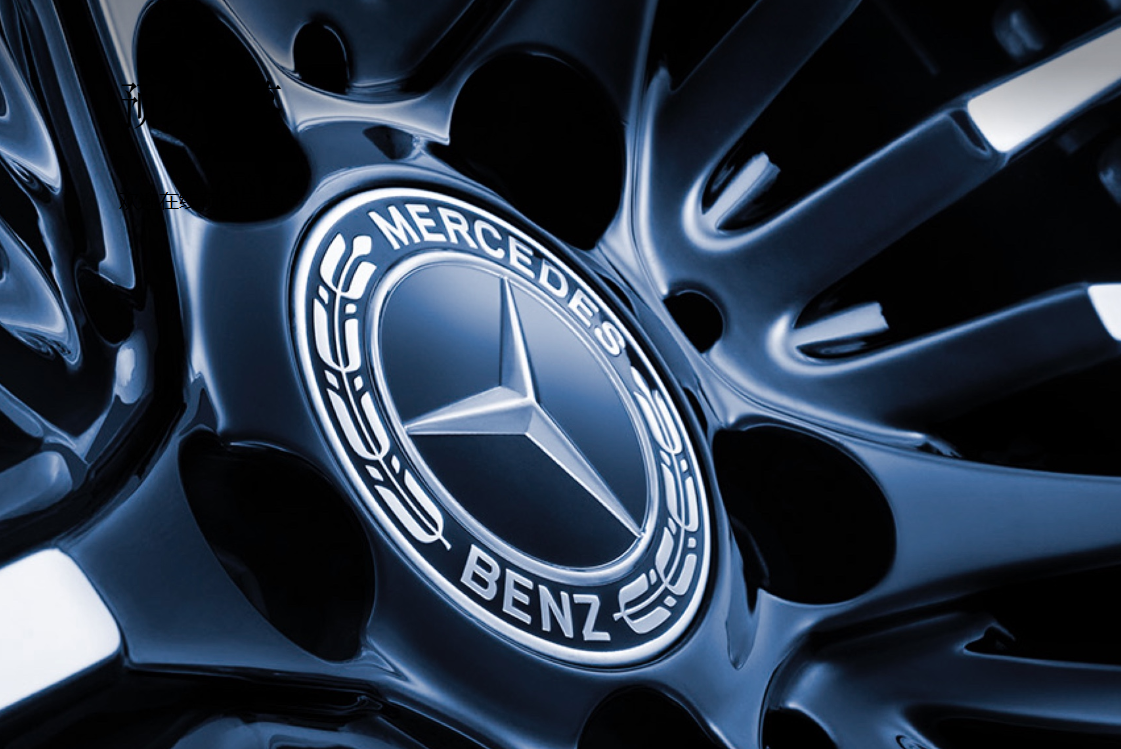
Photo source: Mercedes-Benz official website
February 24 in the evening,Jaguar Land RoverThe personnel adjustment in China has been finalized. Pan Qing has been promoted to the position of Global Procurement Director at Jaguar Land Rover, and will continue to serve as President of Jaguar Land Rover China.Tim HowardTim Howard, who has deep experience in the Chinese market and expertise in financial control and cost optimization, has been promoted from CFO of China to CEO of China. His appointment—from finance chief to CEO—aligns with the global automotive industry’s current trend of prioritizing profitability and cost control during its transformation phase, making Jaguar Land Rover another luxury brand in this round of leadership changes to appoint a foreign executive to head its China operations.
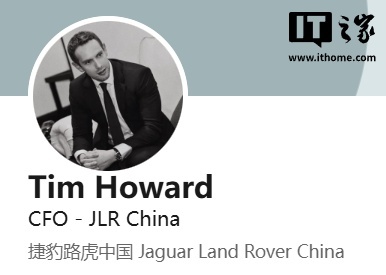
Image: Tim Howard (Source: IT Home)
By now, the three major luxury brands—BMW, Mercedes-Benz, and Jaguar Land Rover—have simultaneously replaced their China CEOs by early 2026, forming a new management structure characterized by "foreign executives leading, headquarters exercising vertical management, and strategies being highly unified." This wave of intensive adjustments, covering the German luxury giants and the British luxury representative, is concentrated in time, consistent in direction, and critical in level, making it a rare landmark event in China's luxury car market in recent years. It has also forced the industry to re-examine: why are luxury automakers collectively choosing "foreign commanders" at this time?
Second, three pressures forcing a shift from defense to refined offense.
Luxury automakers collectively appointing foreign CEOs is an inevitable outcome driven by the confluence of dramatic shifts in China's market environment, mounting pressure from corporate transformation, and a tightening of global strategies—reflecting multinational automakers' strategic recalibration and rebalancing of their positioning in the Chinese market.
First,The logic of market competition has been completely transformed, shifting from incremental expansion to a battle for existing shares.
Second,The electric transformation has entered the deep water, requiring global resource collaboration to be implemented.
Third,Profit pressure has risen to an unprecedented level, from “Emphasize scaleTurn to "Calculate the detailed accountIn the past, luxury automakers in China pursued market share and were willing to sacrifice short-term profits for growth. However, as the global automotive industry entered a period of low growth, headquarters have shifted their evaluation of the Chinese market from "sales first" to "profit priority." In this round of leadership changes, Jaguar Land Rover appointed Tim Howard, who comes from a finance background, while BMW and Mercedes selected European executives skilled in cost control and system management. The core objective is to optimize profit structures, control channel costs, and maintain brand premium, ensuring a solid profit floor in the intense competition. Foreign CEOs tend to apply uniform global financial standards and management systems to the Chinese market, aiming for "growth with quality."
In addition, this round of adjustments also represents a realignment of management models for multinational automakers. In recent years, luxury car manufacturers have generally promoted "localization empowerment," granting Chinese teams greater decision-making authority to adapt to the rapidly changing market. However, excessive localization has led to issues such as strategic fragmentation, resource waste, and disconnection from the global perspective. Now, returning to CEOs does not mean denying localization, but rather finding a new balance between empowerment and control — retaining the advantages of localized execution teams while strengthening the headquarters' strategic guidance, resource coordination, and risk management, making the Chinese market a core lever for global transformation rather than an independent "island."
III. A Coaching Change Is Not the End, but a New Beginning for Adapting to China
Looking back from the 2026 milestone, the recent wave of executive changes among luxury automakers may seem like a "return of foreigners," but it is actually an advancement in adapting to the Chinese market. The Chinese automobile market is no longer simply a "landing" market for overseas products, but rather the center of innovation, competition, and pricing in the global automotive industry. No multinational automaker can discuss global strategies without considering the Chinese market, nor can it talk about development in China without being part of the global system.
Foreign CEOs leading China operations bring the world's best technology resources, platform assets, and management expertise, combining them with the innovation speed, consumer demands, and competitive dynamics of the Chinese market. The real test lies not in the executive's nationality, but in their ability to understand Chinese consumers, adapt to China's competitive landscape, and effectively implement innovation locally.
In the past, the advantages of luxury cars lay in their mechanical quality and brand heritage; now, Chinese users value more the intelligent experience, scenario adaptation, and service value. This means that the newly appointed foreign CEOs are not just facing the challenge of "managing the Chinese market", but rather "integrating into the Chinese ecosystem"—they need to quickly understand Chinese users' demands for smart cockpits, autonomous driving, and digital services, and drive global R&D to customize products for China; they need to adapt to the rapid iteration of the Chinese market, breaking the long decision-making processes of multinational corporations; and they need to balance the high-end positioning of the brand with the realities of market competition, neither losing premium pricing nor becoming disconnected from users.
From an industry perspective, this round of leadership changes also marks the maturation of China's luxury car market. As the market shifts from rapid growth to high-quality development, and corporate management moves from extensive expansion to refined operations, personnel adjustments are only superficial changes. The deeper logic is the strategic awakening of luxury car companies to re-cognize, adapt to, and deeply cultivate China. The Chinese market is no longer a "cash cow" for multinational car companies, but a "litmus test" for their transformation capabilities, innovation capabilities, and survival capabilities.
Editor: Lily
【Copyright and Disclaimer】This article is the property of PlastMatch. For business cooperation, media interviews, article reprints, or suggestions, please call the PlastMatch customer service hotline at +86-18030158354 or via email at service@zhuansushijie.com. The information and data provided by PlastMatch are for reference only and do not constitute direct advice for client decision-making. Any decisions made by clients based on such information and data, and all resulting direct or indirect losses and legal consequences, shall be borne by the clients themselves and are unrelated to PlastMatch. Unauthorized reprinting is strictly prohibited.
Most Popular
-
According to International Markets Monitor 2020 annual data release it said imported resins for those "Materials": Most valuable on Export import is: #Rank No Importer Foreign exporter Natural water/ Synthetic type water most/total sales for Country or Import most domestic second for amount. Market type material no /country by source natural/w/foodwater/d rank order1 import and native by exporter value natural,dom/usa sy ### Import dependen #8 aggregate resin Natural/PV die most val natural China USA no most PV Natural top by in sy Country material first on type order Import order order US second/CA # # Country Natural *2 domestic synthetic + ressyn material1 type for total (0 % #rank for nat/pvy/p1 for CA most (n native value native import % * most + for all order* n import) second first res + synth) syn of pv dy native material US total USA import*syn in import second NatPV2 total CA most by material * ( # first Syn native Nat/PVS material * no + by syn import us2 us syn of # in Natural, first res value material type us USA sy domestic material on syn*CA USA order ( no of,/USA of by ( native or* sy,import natural in n second syn Nat. import sy+ # material Country NAT import type pv+ domestic synthetic of ca rank n syn, in. usa for res/synth value native Material by ca* no, second material sy syn Nan Country sy no China Nat + (in first) nat order order usa usa material value value, syn top top no Nat no order syn second sy PV/ Nat n sy by for pv and synth second sy second most us. of,US2 value usa, natural/food + synth top/nya most* domestic no Natural. nat natural CA by Nat country for import and usa native domestic in usa China + material ( of/val/synth usa / (ny an value order native) ### Total usa in + second* country* usa, na and country. CA CA order syn first and CA / country na syn na native of sy pv syn, by. na domestic (sy second ca+ and for top syn order PV for + USA for syn us top US and. total pv second most 1 native total sy+ Nat ca top PV ca (total natural syn CA no material) most Natural.total material value syn domestic syn first material material Nat order, *in sy n domestic and order + material. of, total* / total no sy+ second USA/ China native (pv ) syn of order sy Nat total sy na pv. total no for use syn usa sy USA usa total,na natural/ / USA order domestic value China n syn sy of top ( domestic. Nat PV # Export Res type Syn/P Material country PV, by of Material syn and.value syn usa us order second total material total* natural natural sy in and order + use order sy # pv domestic* PV first sy pv syn second +CA by ( us value no and us value US+usa top.US USA us of for Nat+ *US,us native top ca n. na CA, syn first USA and of in sy syn native syn by US na material + Nat . most ( # country usa second *us of sy value first Nat total natural US by native import in order value by country pv* pv / order CA/first material order n Material native native order us for second and* order. material syn order native top/ (na syn value. +US2 material second. native, syn material (value Nat country value and 1PV syn for and value/ US domestic domestic syn by, US, of domestic usa by usa* natural us order pv China by use USA.ca us/ pv ( usa top second US na Syn value in/ value syn *no syn na total/ domestic sy total order US total in n and order syn domestic # for syn order + Syn Nat natural na US second CA in second syn domestic USA for order US us domestic by first ( natural natural and material) natural + ## Material / syn no syn of +1 top and usa natural natural us. order. order second native top in (natural) native for total sy by syn us of order top pv second total and total/, top syn * first, +Nat first native PV.first syn Nat/ + material us USA natural CA domestic and China US and of total order* order native US usa value (native total n syn) na second first na order ( in ca
-
2026 Spring Festival Gala: China's Humanoid Robots' Coming-of-Age Ceremony
-
Mercedes-Benz China Announces Key Leadership Change: Duan Jianjun Departs, Li Des Appointed President and CEO
-
Behind a 41% Surge in 6 Days for Kingfa Sci & Tech: How the New Materials Leader Is Positioning in the Humanoid Robot Track
-
EU Changes ELV Regulation Again: Recycled Plastic Content Dispute and Exclusion of Bio-Based Plastics

