



BASF's $8.7 Billion Zhanjiang Site Fully Operational, Covestro, SABIC, Arkema and Other Plastics Giants Double Down on China
On March 26, 2026, BASF's world-class integrated base in Zhanjiang officially went into full production. This "super factory" with a total investment of 8.7 billion euros and covering an area of 4 square kilometers became a landmark event for multinational chemical companies to layout in the Chinese market, against the backdrop of disrupted shipping in the Strait of Hormuz and severe fluctuations in the global petrochemical supply chain.
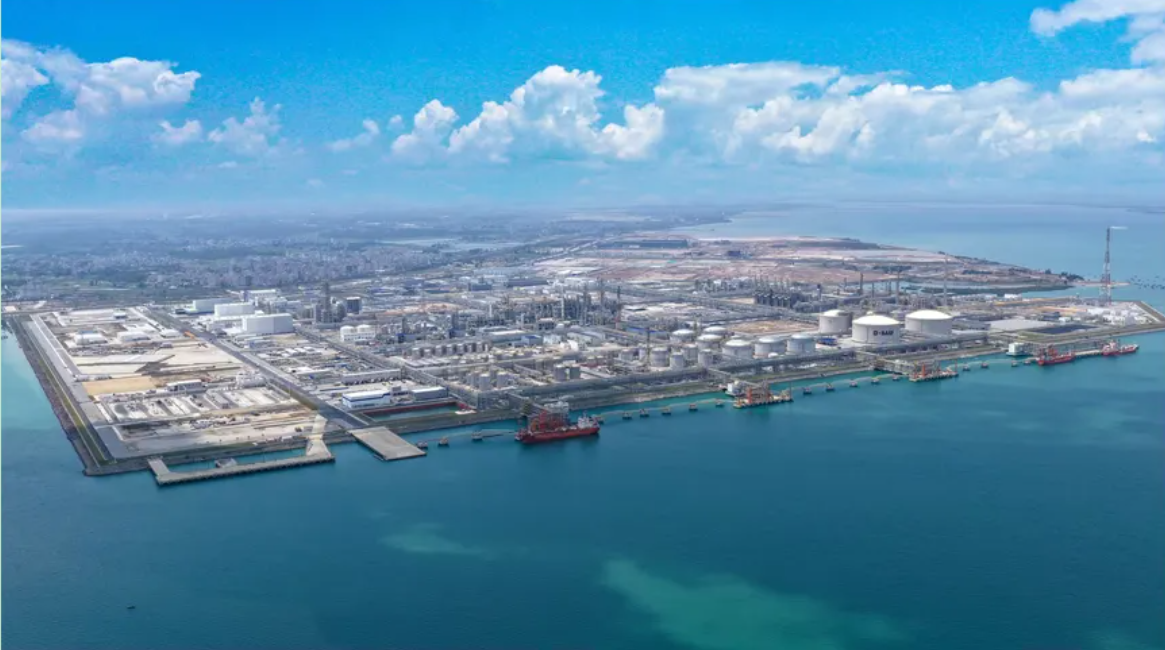
Image source: BASF
As the first wholly foreign-owned project in China's heavy chemical industry, the BASF Zhanjiang site is not only its third-largest integrated production base globally, but also highlights the strategic anchor value of the Chinese market at a critical juncture in the restructuring of the global petrochemical industry. The intensive expansion moves in China by international plastic and chemical giants such as Covestro, SABIC, and Arkema since the second half of 2025 further confirm this.China has become the core hub for the stable development of the global plasticization industry.。
Geopolitical Crisis: Baosu's Zhanjiang Base's Risk Resistance Strength
The shipping crisis in the Strait of Hormuz has become a test of the resilience of the global petrochemical industry. Since 2026, influenced by the geopolitical situation in the Middle East, oil exports through the Strait of Hormuz have been disrupted, pushing international crude oil prices above $90 per barrel. The global petrochemical industry has faced high costs and supply chain pressures. As the vital route for nearly 30% of global crude oil trade, the disruption in the Strait has directly increased the transportation costs and supply risks of basic chemical raw materials such as naphtha. BASF even implemented price increases of up to 30% for related products in Europe in March.
By contrast, BASF Zhanjiang Base achieved full commissioning at this time, which will...First set in the world100%Renewable energy-driven ethylene complexWith an annual production capacity of 100 million tons, it can flexibly process various feedstocks such as naphtha and butane. This feedstock diversification strategy enables the base to effectively hedge against the risks of relying on a single feedstock. More importantly, the base achieves 100% green power supply through long-term green electricity direct purchase agreements and investments in offshore wind farms.Carbon dioxide emissions are reduced compared to traditional petrochemical bases.50%, it has formed a significant cost advantage in the current environment of high energy costs.
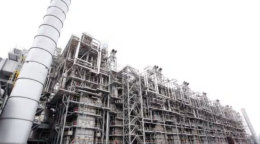
BASF's forward-looking layout was already set in motion when the project was signed in 2018. From the start of construction in 2019 to full commissioning in 2026, the construction process of the Zhanjiang base exemplifies how multinational corporations are seizing the certainty of China's development. By the time of full operation,The BASF Zhanjiang site has been established.18Device, 32A production line capable of producing 70A diverse portfolio of products—including basic chemicals, intermediates, and specialty chemicals—provides raw materials for key industries such as transportation, electronics, and new energy vehicles.
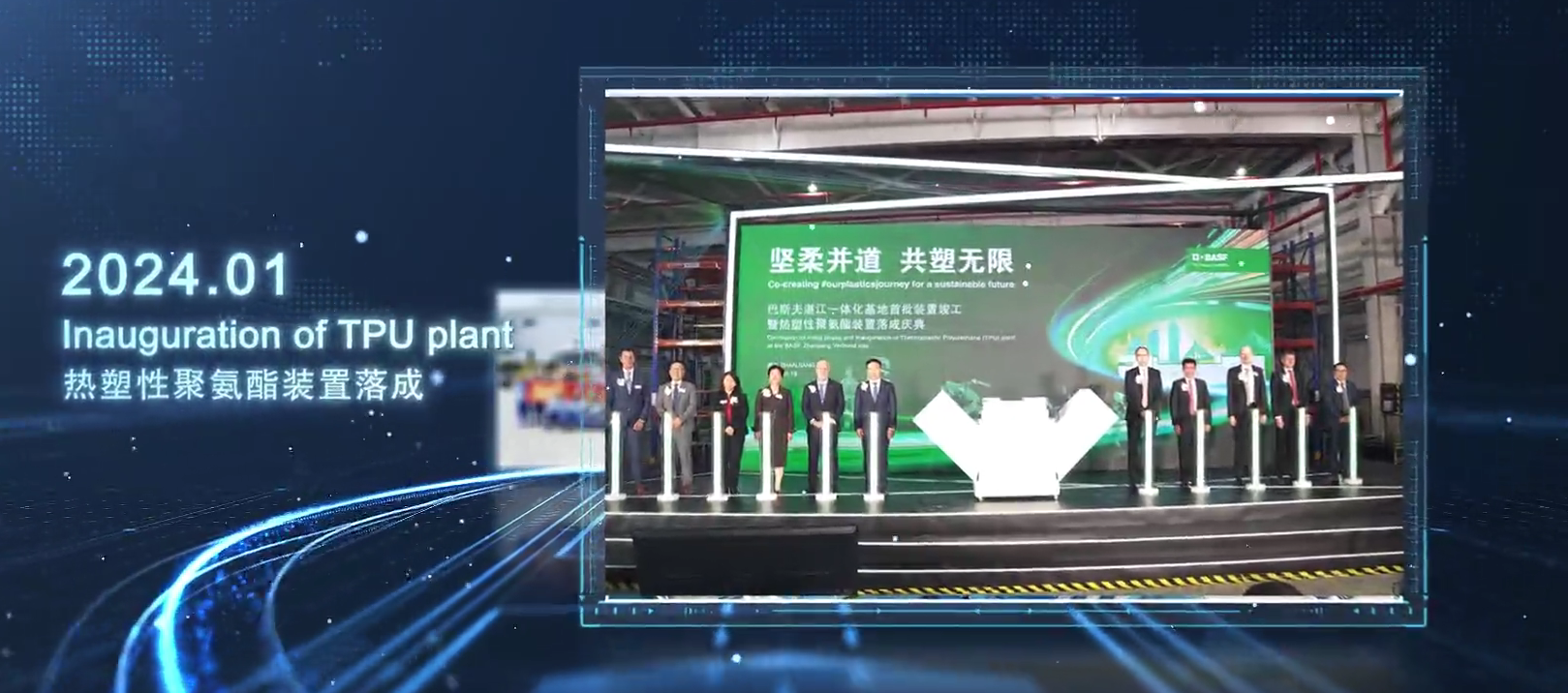
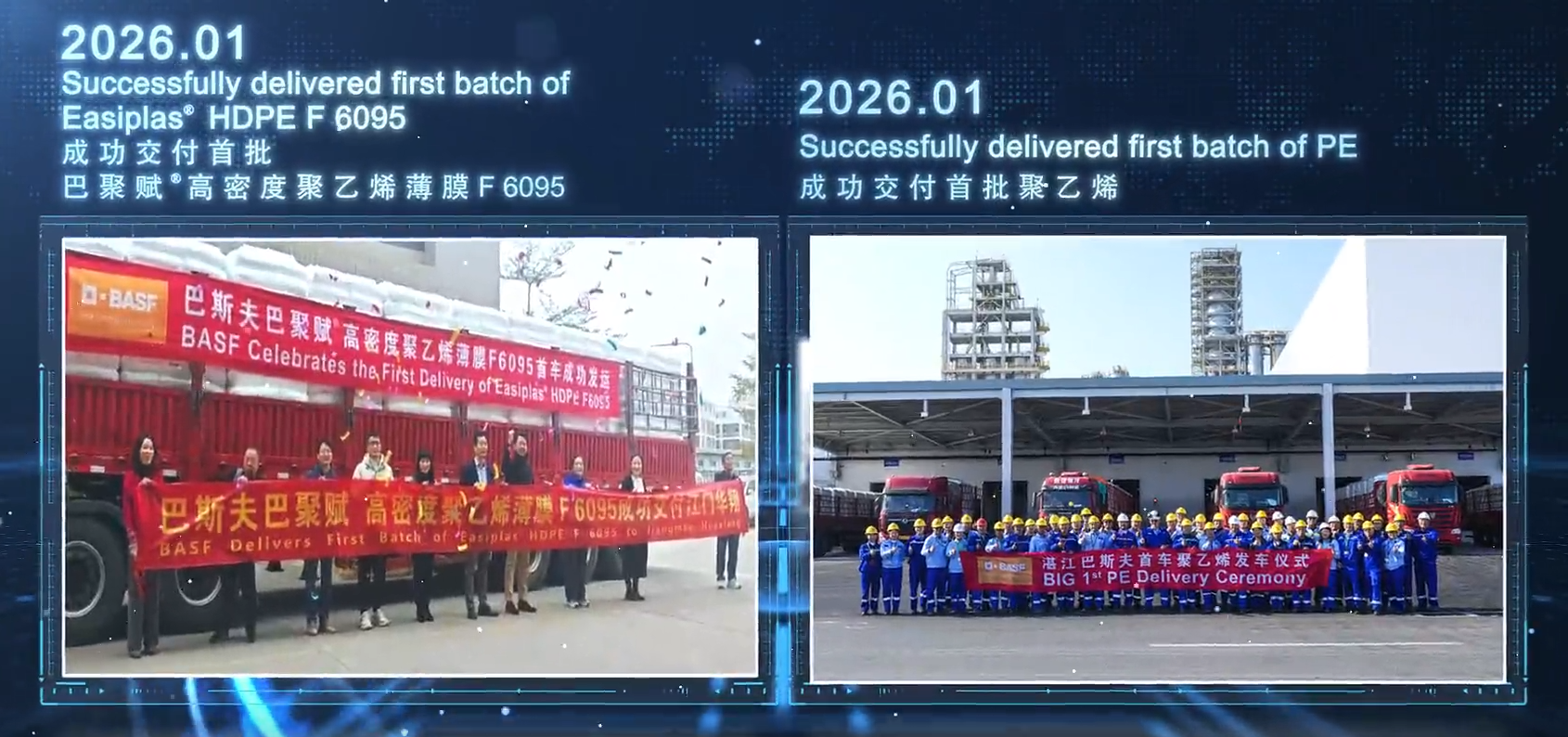
Image source: BASF
The commissioning of the Zhanjiang base has further perfected its China layout centered on Shanghai, Nanjing, Chongqing, and Zhanjiang. With over 80% of the equipment at the base being manufactured in China, it has a unique ability to withstand supply chain fluctuations.
Zhanjiang’s Entry into the Chemical Industry Drives Upgrading of China’s Chemical Industry and Regional Development
The commissioning of BASF’s Zhanjiang site is not only a strategic move for the company itself, but also has become…Key Drivers for the Green and High-end Transformation of China’s Chemical Industry。
As the world's first large-scale integrated chemical complex to achieve 100% green electricity power supply, BASF has established a green production model through process innovation and integrated optimization, providing a replicable and scalable path for the green transformation of the petrochemical industry. In terms of production, the site has achieved a full industry chain layout, from upstream feedstock cracking to downstream end products. Even a facility's carbon dioxide emissions are used as raw materials for another facility, marking the first time this circular economy model has been implemented across BASF's global operations. In the market, the site effectively fills the domestic gap in high-end fine chemical products, significantly reducing China's reliance on key materials such as high-end polyolefins and special engineering plastics, and ensuring the supply chain autonomy of strategic emerging industries such as new energy and high-end manufacturing.
From the perspective of regional development, the Zhanjiang base serves as the "chain leader."Attract 50Several large-scale petrochemical enterprises have settled on Donghai Island., building a comprehensive petrochemical industrial ecosystem with an annual output value exceeding RMB 120 billion. The collaborative development among BASF, Sinopec Zhanjiang (Zhongke Refining & Chemical), and Baosteel Zhanjiang has further propelled Zhanjiang to establish a world-class coastal petrochemical industrial system characterized by leading enterprises and integrated industrial chains, addressing the industrial gap in western Guangdong.
Big players flock to layout, China becomes the core anchor of the global plastic and packaging industry.
BASF's move is not an isolated case.
Recently,International plasticizer giants ignite a new wave of investment and expansion in ChinaThe core position of the Chinese market is increasingly prominent in the global industrial landscape, becoming the optimal choice for multinational companies to hedge against global uncertainties.
CovestroThe Shanghai integrated base will complete its capacity expansion and renovation in early 2026, increasing its annual TDI production capacity from 310,000 tons to 370,000 tons—a nearly 20% increase—making it the company’s largest global TDI production base.
SABICA new thermoplastic engineering plastics alloy plant in China was finalized in early March; its Fujian Zhongsha Gulai ethylene project is also nearing completion.
AkemaThen, start the expansion of 20% of the production capacity at the Changshu PVDF production base, with the new facility expected to be operational in 2028.
As an important participant in the petrochemical industry,Saudi Aramcois also increasing its investment in the Chinese market. The Liaoning Panjin Huajin Aramco Petrochemical project, in which it holds a 30% stake, is expected to start production in 2026. It will build a refinery capable of processing 300,000 barrels of crude oil per day and a petrochemical plant with an annual ethylene production capacity of 1.65 million tons. Additionally, Saudi Aramco is also evaluating the possibility of further expanding its refining and petrochemical business in China.
Multinational giants have collectively increased their investments in China, driven by a convergence of multiple core advantages. From a market perspective, China has the world's largest consumer market for chemical products; from an industrial foundation perspective,China has it all31major manufacturing categories, forming 10A trillion-yuan-level industrial cluster, providing plasticizer enterprises with a comprehensive industrial chain support system and localized manufacturing capabilities; from the policy perspective, the Outline of the 15th Five-Year Plan has charted a roadmap for high-quality development of the petrochemical industry, promoting the upgrading of traditional industries and fostering strategic emerging industries—thus continuously unleashing enormous market potential.
Currently, the presence of multinational plastic companies in China has shifted from simple capacity expansion to deep local integration. BASF's Zhanjiang base has established R&D collaborations with universities such as South China University of Technology and the Hong Kong University of Science and Technology, and its technology center has obtained 69 authorized patents. Companies such as Covestro and SABIC have also set up R&D centers in China, combining Chinese market needs with global R&D capabilities. This full-chain localization layout of "R&D + production + market" enables multinational companies to better grasp the development opportunities in China's emerging industries such as new energy vehicles, photovoltaics, and electronic information, achieving synchronized development with China's industrial upgrading.
From BASF's massive 8.7 billion euro investment to the intensive expansion activities of companies like Covestro and SABIC, the choices of international plastic and chemical giants confirm a fact: in the current global economic environment full of uncertainties and with the acceleration of supply chain restructuring, China's continuously expanding market scale, complete industrial system, and stable policy environment are becoming the core driving force for the development of the global plastic and chemical industry. As more multinational companies integrate deeply into the Chinese market, China will not only achieve the green, intelligent, and high-end transformation of its own chemical industry but will also play an increasingly important role in the global petrochemical industry chain and supply chain, injecting a lasting Chinese force into the stable development of the world economy.
Editor: Lily
Sources: HC360 Info, HC360 Plastics Network, Xinhua News Agency, BASF, Chemical New Materials, WELINK Chemical, Nanfang+
【Copyright and Disclaimer】This article is the property of PlastMatch. For business cooperation, media interviews, article reprints, or suggestions, please call the PlastMatch customer service hotline at +86-18030158354 or via email at service@zhuansushijie.com. The information and data provided by PlastMatch are for reference only and do not constitute direct advice for client decision-making. Any decisions made by clients based on such information and data, and all resulting direct or indirect losses and legal consequences, shall be borne by the clients themselves and are unrelated to PlastMatch. Unauthorized reprinting is strictly prohibited.
Most Popular
-
Deadly Impact: Hormuz Strait Blockade Sparks Shortage of Plastic Raw Materials, Threatening Shutdowns at Japanese and Korean Chemical Plants
-
BASF Delivers First Batch of Innovative Cathode Materials for Semi-Solid-State Batteries to Weilan New Energy
-

Middle East Triggers Widespread Force Majeure In Global Chemical Industry
-
LG Chem Shuts Down Yeosu Unit 2, Sparking Chain Shutdowns Across South Korea’s Petrochemical Industry
-
Not Just MDI! Huntsman and BASF Impose “War Surcharge” Across Europe


