LG Chem Shuts Down Yeosu Unit 2, Sparking Chain Shutdowns Across South Korea’s Petrochemical Industry
On March 25, Zhuan Su Shi Jie learned that LG Chem, South Korea’s largest petrochemical company, has decided to shut down some units at its Yeosu core plant due to a prolonged interruption in naphtha supply caused by the blockade of the Strait of Hormuz.
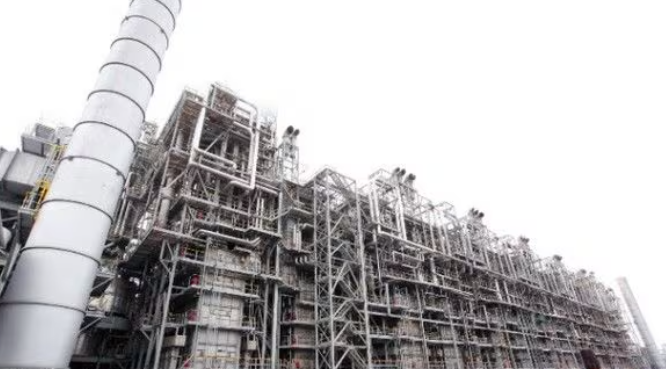
The LG Chem NCC (Naphtha Cracking Center) plant located in Yeosu, South Korea
According to industry sources on the 23rd, LG Chem plans to shut down its No. 2 naphtha cracking (NCC) unit at the Yeosu National Industrial Complex this week and will issue an official announcement shortly. LG Chem currently operates two NCC units in Yeosu: Unit No. 1 with an annual capacity of 1.2 million tons and Unit No. 2 with an annual capacity of 800,000 tons.
Unit 2 was commercialized in 2021. Although its technology is superior to Unit 1, its annual capacity is smaller and it has fewer downstream products. Therefore, LG Chem has decided to prioritize the existing inventory, and to extend the operation time of Unit 1, which has a larger scale and a broader impact on downstream industries.
Industry observers stated that petrochemical companies shutting down naphtha cracking units has become an unavoidable measure. One-quarter of South Korea’s naphtha demand relies on supply from the Middle East, which has been completely disrupted due to regional conflict. Even vessels that departed from the Middle East before the outbreak of the conflict have been unable to reach South Korea since last week.
The international naphtha price surged from $637 per ton to $1,161 last week. In addition, the difficulty in procuring Middle Eastern crude oil has further exacerbated the challenges for South Korean petrochemical companies in obtaining naphtha through their refineries.
Since the beginning of this month, enterprises have reduced their operating rates to the minimum maintenance level; however, the naphtha shortage continues to worsen, raising market concerns about a cascade shutdown in mid-April. The shutdown of petrochemical plants is expected to trigger a chain reaction impacting all industries dependent on petrochemical feedstocks.
The South Korean government has temporarily listed naphtha as a strategic material for economic security and is expected to implement export controls as soon as this week, while also assisting companies in exploring alternative naphtha supply channels, such as from Russia.
However, industry insiders candidly admitted: “The global naphtha shortage has shifted the market into a seller’s market, and alternative supplies are difficult to guarantee.”
【Copyright and Disclaimer】This article is the property of PlastMatch. For business cooperation, media interviews, article reprints, or suggestions, please call the PlastMatch customer service hotline at +86-18030158354 or via email at service@zhuansushijie.com. The information and data provided by PlastMatch are for reference only and do not constitute direct advice for client decision-making. Any decisions made by clients based on such information and data, and all resulting direct or indirect losses and legal consequences, shall be borne by the clients themselves and are unrelated to PlastMatch. Unauthorized reprinting is strictly prohibited.
Most Popular
-
A Look at the Material Suppliers Behind SpaceX
-
Two Major Chemical Giants to Shut Down, Sell Again
-
BASF, Selling Again!
-
BASF Cuts Core Business As It Exits All Non-Core Operations, Triggering A New Round Of Industry Restructuring
-
Two Major Chemical Giants Fell Successively In May, And The Industry As A Whole Turned Cold