



Volkswagen Group Launches Organizational Revolution by Tearing Down "Brand Walls"
In early 2026, as the global automotive industry struggled with a slowdown in electrification, pressure from US tariff policies, and intensified market competition, German automotive giant Volkswagen Group announced a radical restructuring of its "Brand Group Core."
At the core of this transformation at Volkswagen is the reduction of board members for the core brand group and the establishment of a new, powerful "Brand Group Board of Management." Based on this, unprecedented cross-brand centralized management will be implemented for core functions such as production, R&D, and procurement.
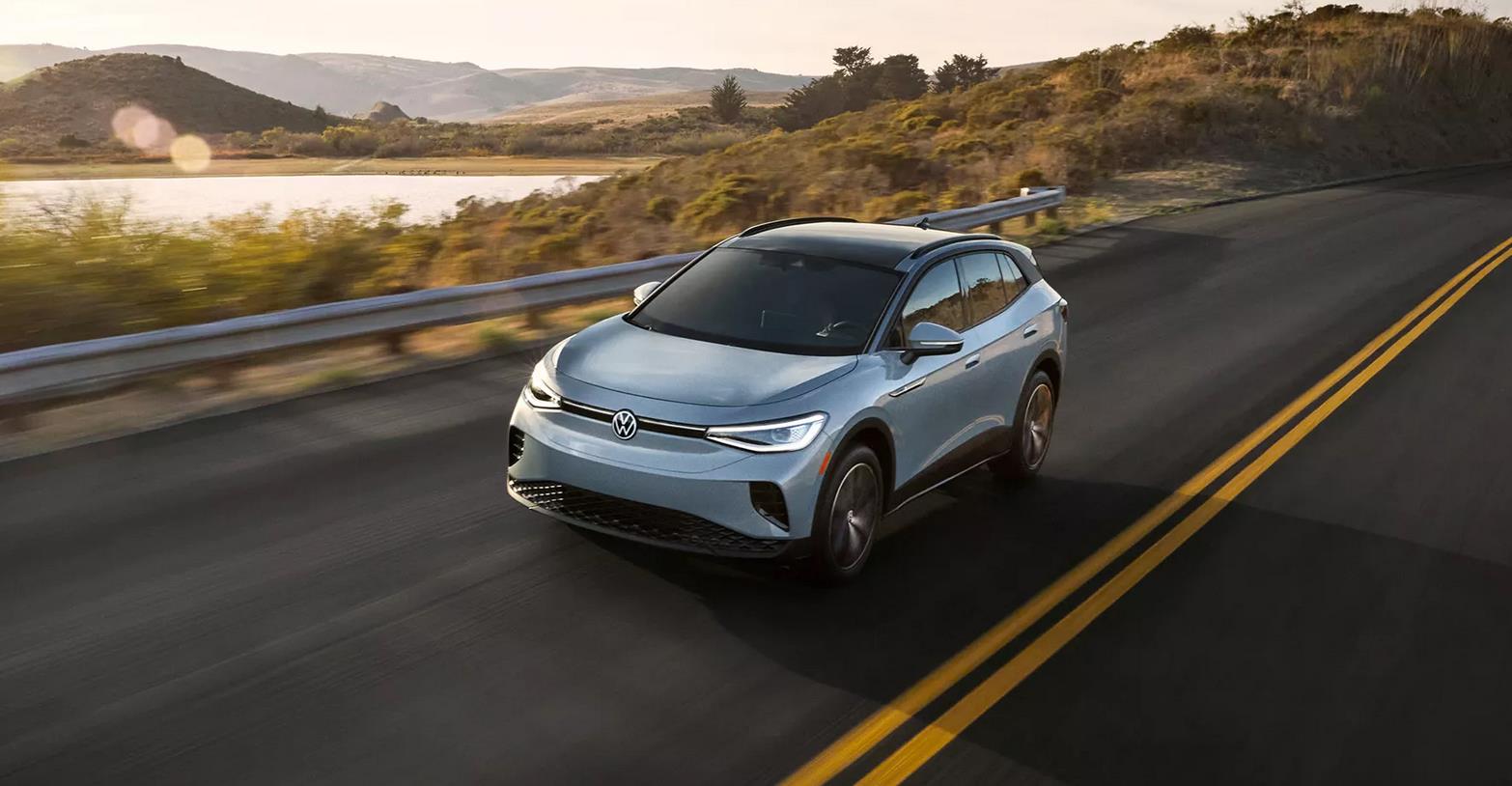
Image source: Volkswagen
This move aims not only to achieve cost savings of up to €1 billion, but more significantly, Volkswagen is attempting to dismantle the inherent "brand silos" within its vast empire. By building a unified and efficient "super-core," it seeks to address the multidimensional impacts of technology, the market, and competitors.
Cost Reduction and Efficiency Improvement Under Multiple Pressures
Volkswagen's deep-seated reform can be seen as an inevitable move driven by multiple pressures. Firstly, financial pressure is the direct catalyst. The group's latest financial data shows that in the third quarter of 2025, the group's revenue was 80.3 billion euros, a year-on-year increase of 2.3%; however, it reported an operating loss of 1.3 billion euros, compared to an operating profit of 2.8 billion euros in the same period last year. The operating profit margin also dropped from 3.6% in the same period last year to -1.6%.
Under pressure on performance, Volkswagen is starting to seek efficiency from internal management, such as reducing the number of board members at core brands by about one-third. German industry media Automobilwoche reports that this cost-saving plan, led by Volkswagen Passenger Cars CEO Thomas Schaefer, is expected to achieve 1 billion euros in cost savings, with 600 million euros coming from personnel cost optimization and 400 million euros from production efficiency improvements.
The deeper pressure on Volkswagen, however, stems from the dramatic changes in the global competitive landscape. Competitors represented by Chinese new energy vehicle brands are teaching traditional automotive giants, including Volkswagen, a profound "efficiency lesson" with their astonishing vertical integration capabilities, rapid iteration speed, and extreme cost control.
In China, Volkswagen's largest single market, the competitive pressure it faces is particularly prominent. By 2025, Volkswagen's sales and market share in China continue to be under pressure, with deliveries further declining to approximately 2.7 million units from over 4 million units before the pandemic.
Volkswagen's inherent, relatively independent brand operation model is showing fatigue in terms of responsiveness and resource utilization. Meanwhile, the transition to electrification is a "money pit" requiring massive investment in software, batteries, and new platform development, forcing the group to squeeze every penny from traditional business to support the future battle. Furthermore, complex geopolitical and supply chain risks demand a more flexible and resilient global production network. All of this points to the necessity of a precise reform of the existing organizational model.
The most crucial move in Volkswagen's current reform is the restructuring of its organizational structure. The newly established Brand Group Management Board becomes the highest decision-making center, and its primary task is to separate the three functions of production, technology development, and procurement from the core brand group (including Volkswagen Passenger Cars, Škoda, SEAT/CUPRA, and Volkswagen Commercial Vehicles) and manage them uniformly across brands.
This could mean that in the future, battery procurement contracts for a Škoda electric vehicle and flexible production line plans for manufacturing CUPRA models at Volkswagen factories will be decided by this central team based on the principle of overall optimization.
Accordingly, the boards of directors of the individual brands will be significantly streamlined. Volkswagen said in a statement that it plans to reduce the number of board members in the core brand group by about a third by the summer of 2026. Each brand will only retain the CEO and the directors for finance, sales, and human resources. According to Automobilwoche, citing sources earlier, this means that the number of board positions in the Volkswagen core brand group will be reduced from 29 to 19.
"Our collaborative management model is the next step in brand cooperation," Thomas Schäfer said. "The newly established Core Brand Group Management Board will enhance decision-making speed and coordination capabilities, achieving optimal cross-brand synergy. Therefore, we are focusing on management efficiency – and faster processes – to create more competitive products. The new governance model will streamline structures and reduce costs while improving overall efficiency. This restructuring is a crucial step for the future sustainable development of the Core Brand Group."
On the production side, Volkswagen's reform is reflected in the physical restructuring of its global network. The Volkswagen core brand group's more than 20 factories worldwide have been integrated into five cross-brand production regions. Regional management teams are granted greater autonomy, responsible for capacity planning, supply chain, and logistics for all brand models within the region. This not only reduces manufacturing costs through economies of scale in procurement and capacity sharing but also enables the rapid flow and standardization of manufacturing knowledge, processes, and worker skills, enhancing flexibility in responding to local market fluctuations. Currently, Volkswagen's new management model has been launched in the Iberian Peninsula, where local production plants have been integrated into a cross-brand cluster.
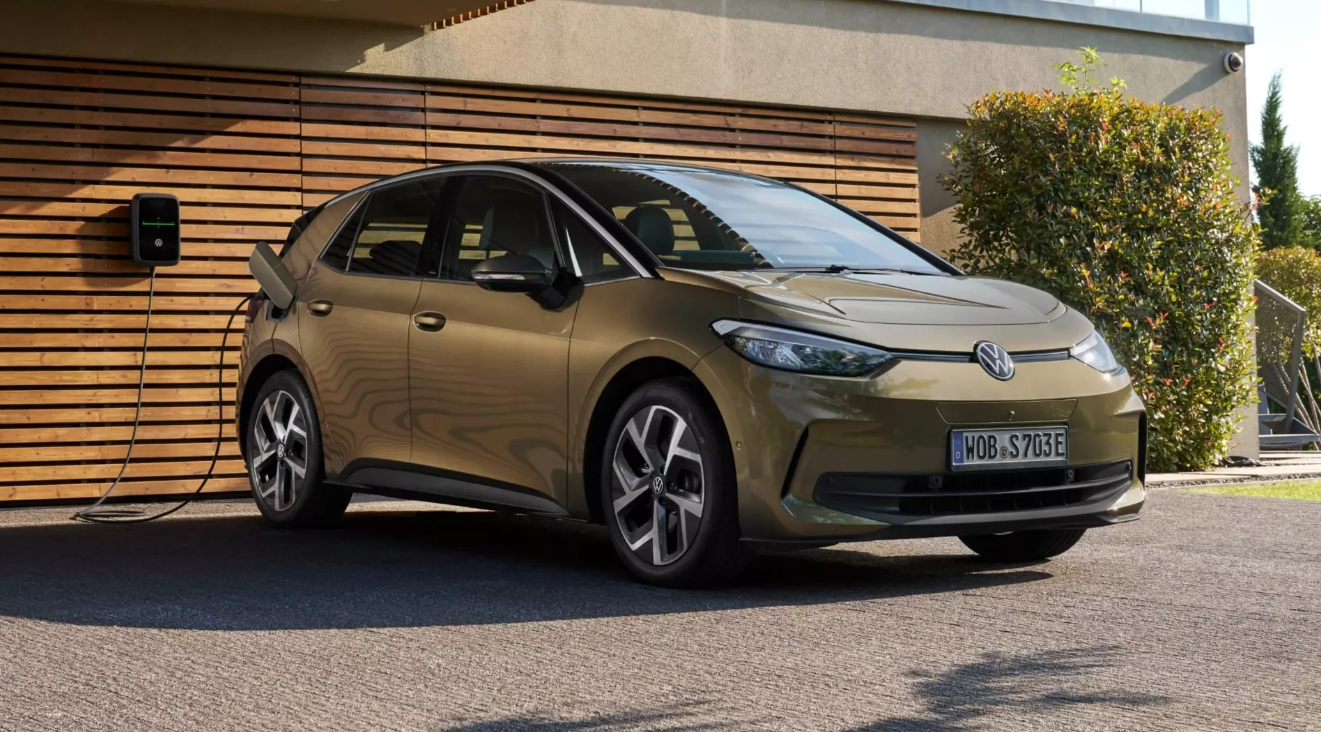
Image source: Volkswagen
By standardizing and streamlining processes and making fuller use of shared resources, Volkswagen believes its brands can significantly increase overall efficiency, thereby freeing up capacity to collaboratively and sustainably create best-in-class products in relevant market segments.
As the core of the Volkswagen Group's volume business, its Brand Group Core aims to achieve an 8% sustainable consolidated operating margin through synergies in key areas.
Final note:
While the goal of saving one billion euros is eye-catching enough, the strategic significance of Volkswagen's current reform might extend far beyond that. It is essentially a "genetic modification" targeting the group's core competitiveness.
This adjustment by Volkswagen will accelerate the pace of its technology implementation and platform-based dividends. The centralization of technology development may mean that the advancement of next-generation electric platforms, unified software architectures, and autonomous driving technologies will be more coordinated and rapid. R&D results can quickly cover the entire range of models from Volkswagen to Škoda at the lowest marginal cost, maximizing the economies of scale, an advantage that traditional automotive giants should leverage but have long been constrained by internal barriers.
The Volkswagen Group's organizational revolution also provides an observation sample for all traditional automotive giants undergoing transformation pains. It foreshadows that in the intelligent electric era, technological innovation solely at the product level is far from enough; one must also dare to wield the scalpel against the organizational models that have led to their success. By building an efficient, collaborative "super core" to drive multiple distinct brands forward, Volkswagen is attempting to answer an industry-wide challenge: how to retain the advantages of a massive system while achieving the agility and efficiency of a startup.
【Copyright and Disclaimer】The above information is collected and organized by PlastMatch. The copyright belongs to the original author. This article is reprinted for the purpose of providing more information, and it does not imply that PlastMatch endorses the views expressed in the article or guarantees its accuracy. If there are any errors in the source attribution or if your legitimate rights have been infringed, please contact us, and we will promptly correct or remove the content. If other media, websites, or individuals use the aforementioned content, they must clearly indicate the original source and origin of the work and assume legal responsibility on their own.
Most Popular
-
Key Players: The 10 Most Critical Publicly Listed Companies in Solid-State Battery Raw Materials
-
Vioneo Abandons €1.5 Billion Antwerp Project, First Commercial Green Polyolefin Plant Relocates to China
-
EU Changes ELV Regulation Again: Recycled Plastic Content Dispute and Exclusion of Bio-Based Plastics
-
Clariant's CATOFIN™ Catalyst and CLARITY™ Platform Drive Dual-Engine Performance
-
New 3D Printing Extrusion System Arrives, May Replace Traditional Extruders, Already Producing Car Bumpers

