



Vietnam car imports to rise 18.6% in 2025
According to the General Department of Vietnam Customs, Vietnam imported 205,630 various types of automobiles in 2025, with an import value of approximately 4.7 billion USD. Compared to 2024, the import volume increased by 18.6%, and the import value rose by 31.1%, reflecting an increase in the proportion of high-value models in Vietnam's automobile import structure. On a daily average, Vietnam imported over 500 new cars per day throughout the year.
Among them, passenger cars (9 seats or fewer) were the primary driver of import growth, with 152,854 units imported throughout the year, accounting for over 74% of the total import volume. This indicates that demand for private and family vehicles remains the core pillar of Vietnam's automotive market.
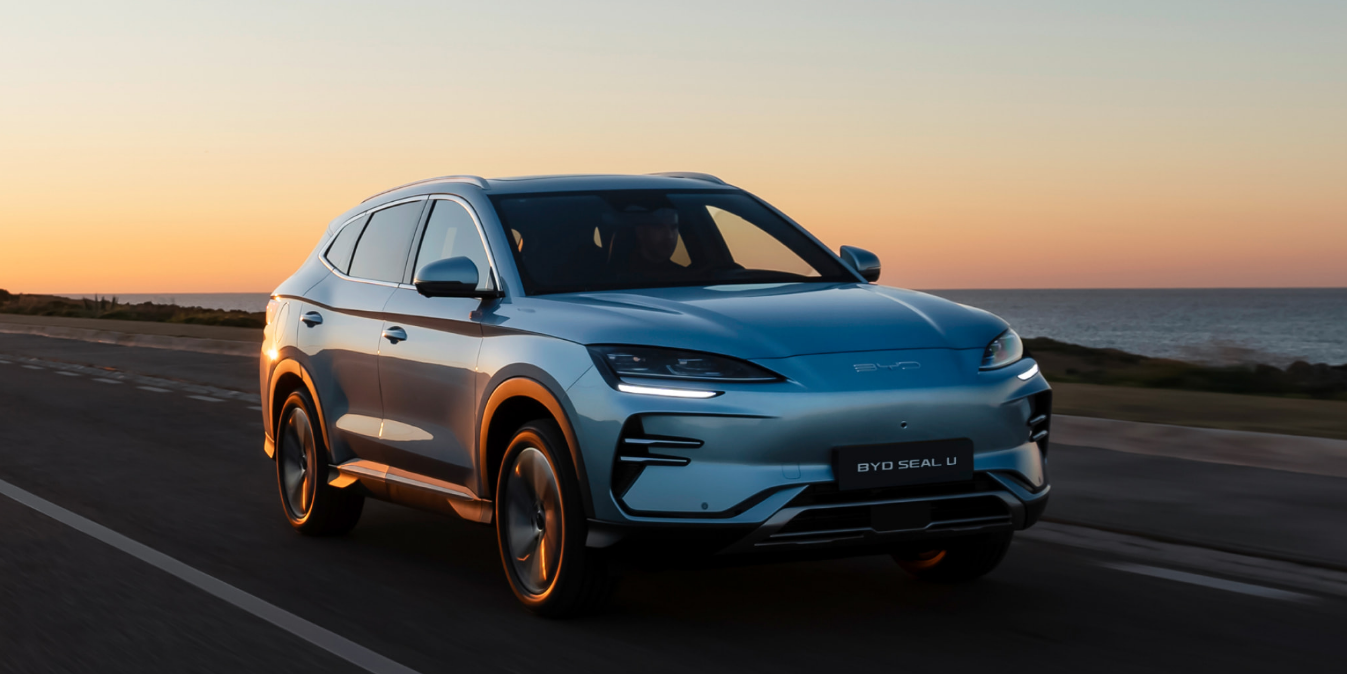
Image source: BYD
Indonesia, Thailand, and China are Vietnam's top three automobile import sources by country of origin. Indonesia leads with 78,156 imported vehicles, valued at approximately US$1.1 billion. Thailand imported 66,109 vehicles, with an import value of around US$1.3 billion, surpassing Indonesia. The competitive advantage of these two countries primarily stems from the zero-tariff policy under the ASEAN Trade in Goods Agreement (ATIGA) framework, coupled with their mature local automotive parts supply chains. This enables them to consistently supply Vietnam with small and medium-sized MPVs and SUVs that align with local consumer preferences and price ranges.
China ranked third with 47,895 vehicles imported, but its import value reached $1.6 billion, a year-on-year increase of 76%. Import volume increased by 54.5% year-on-year. For the first time, it surpassed Indonesia and Thailand to become the country with the highest value of automobile exports to Vietnam in 2025.
The growth of Chinese brands in Vietnam aligns with the country's green mobility and smart trend. New entrants like BYD, Geely, Lynk & Co, and Chery's Omoda and Jaecoo are introducing a range of products, including pure electric and hybrid vehicles, to the Vietnamese market. Models such as the BYD Han, Seal 6, and Lynk & Co 06, with their strong specifications and price range of 600 million to 1 billion Vietnamese Dong (approximately 170,000 to 290,000 RMB), are directly challenging traditional competitors.
In 2025, Vietnam's automotive import landscape not only reflects overall expansion but also showcases structural shifts in supply sources. The increasing import scale of Indonesian, Thai, and Chinese automakers is fostering greater diversity in model selection and technological approaches within the market, while also posing real challenges to Vietnam's domestic automotive assembly and manufacturing industries.
【Copyright and Disclaimer】The above information is collected and organized by PlastMatch. The copyright belongs to the original author. This article is reprinted for the purpose of providing more information, and it does not imply that PlastMatch endorses the views expressed in the article or guarantees its accuracy. If there are any errors in the source attribution or if your legitimate rights have been infringed, please contact us, and we will promptly correct or remove the content. If other media, websites, or individuals use the aforementioned content, they must clearly indicate the original source and origin of the work and assume legal responsibility on their own.
Most Popular
-

Key Players: The 10 Most Critical Publicly Listed Companies in Solid-State Battery Raw Materials
-
Vioneo Abandons €1.5 Billion Antwerp Project, First Commercial Green Polyolefin Plant Relocates to China
-

EU Changes ELV Regulation Again: Recycled Plastic Content Dispute and Exclusion of Bio-Based Plastics
-
Clariant's CATOFIN™ Catalyst and CLARITY™ Platform Drive Dual-Engine Performance
-
New 3D Printing Extrusion System Arrives, May Replace Traditional Extruders, Already Producing Car Bumpers

