



Sustainable Transition Pathways And Practical Exploration Of Single-Use Medical Devices (Suds)
Single-use medical devices (SUDs) and sustainable practices are not mutually exclusive, yet their integration is far from straightforward. Undoubtedly, SUDs have played a crucial role in enhancing patient safety and optimizing device performance and functionality. This also explains why global plastic usage in the medical technology sector has surged: it is estimated that the industry consumes approximately 15 million tons of plastic annually, with polymer materials accounting for nearly half of the total raw materials used in medical device manufacturing.
However, this situation also comes with a high environmental cost. In response, Siddharth Desai offers a unique perspective – by integrating sustainability into the entire lifecycle of single-use medical devices, from design and production to disposal, it is possible to alleviate this environmental pressure.
Desai is the CEO of Healthcare Evolution Inc., a company focused on collaborating with medical device OEMs on the design and development of medical products. He will be attending MD&M West in Anaheim, California, where he will be presenting a session analyzing the complexities of incorporating sustainability into the design and production of disposable medical devices.
The Western Medical Device and Manufacturing Show, a comprehensive industry exhibition and academic conference focusing on medical technology, plastics, packaging, and automation, will be held from February 3-5, 2026, at the Anaheim Convention Center. Desay's presentation, "The Impact of Disposable Medical Devices and Sustainable Manufacturing," is scheduled for February 3 at 1:30 PM.
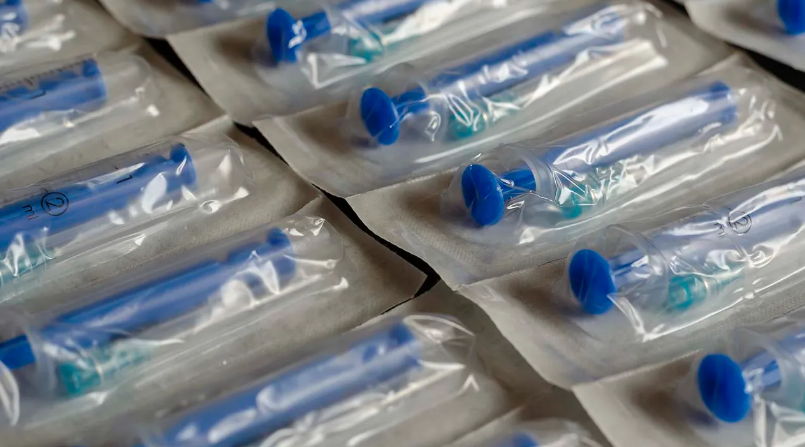
Core challenges facing the medical technology industry.
Here are the four key challenges facing the healthcare technology industry today, as shared by Desai: 1. **Data interoperability and standardization:** The ability for different healthcare systems and devices to seamlessly exchange and interpret data is a significant hurdle. Lack of standardized formats and protocols hinders the creation of a unified patient record and limits the potential of data-driven insights. 2. **Regulatory hurdles and compliance:** Navigating the complex and ever-evolving regulatory landscape for medical devices and software is a constant challenge. Ensuring compliance with regulations like FDA, GDPR, and HIPAA, while also fostering innovation, requires significant resources and expertise. 3. **Cybersecurity and data privacy:** Protecting sensitive patient information from cyber threats is paramount. The increasing volume and interconnectedness of healthcare data make it a prime target for malicious actors, necessitating robust security measures and continuous vigilance. 4. **Cost-effectiveness and accessibility:** Developing and implementing advanced healthcare technologies while ensuring they are affordable and accessible to a broad range of patients and healthcare providers remains a critical challenge. The high cost of innovation can sometimes create barriers to widespread adoption and equitable access.
Core Production Technology Challenges
Desai pointed out that "Compared to virgin plastics, using sustainable plastics for injection molding not only requires high mold development costs, but also a considerable overall capital investment."
Technical Design Challenges
He emphasized: "A particularly crucial point is the need to ensure that single-use medical devices achieve the same level of performance (such as strength) as reusable devices."
Supply chain system construction challenges
Desai stated, "The processing technology for metal parts is relatively mature and simple, while injection molding not only requires significant mold investment, but also presents considerable difficulty in optimizing design schemes. Therefore, the entire supply chain system for disposable medical devices, including molds, raw materials, and production processes, differs significantly from that of reusable products."
Waste Disposal Challenge
"This is a critical step that requires meticulous planning," Desai explained. "Used medical devices can be biohazardous, and their disposal requires a comprehensive solution. Currently, leading medical device companies are exploring end-to-end solutions, from material selection and post-use recycling to the reduction of biohazardous substances."
Desai pointed out that the specific categories of medical plastic waste determine the best disposal methods. "Most non-surgical instruments can be disposed of through regular waste disposal channels, such as personal protective equipment (like gowns and gloves) and intravenous infusion containers that have not been used in surgical settings and do not pose a biohazard." He added. Surgical-related instruments, however, fall under the category of biohazards. "The disposal of these instruments requires specific solutions, such as high-temperature incineration, or material reuse through recycling and resterilization."
Material selection is the starting point of sustainable development.
Desai believes that companies should incorporate material selection into the core of their R&D strategy in order to improve their sustainability. "There are already many relevant research papers in the industry for reference, and the comprehensive guiding principles in the United Nations' Sustainable Infrastructure Imperative are an excellent starting point."
The document emphasizes the fundamental importance of material selection, pointing out that companies should not limit themselves to considering the immediate performance and cost of materials, but should also focus on their long-term impact on the environment, society, and future generations.
Certainly, while material selection in the medical device field must adhere to numerous special guidelines, Desai firmly believes that there is still significant untapped potential for sustainable development in the design and manufacturing of medical equipment.
"Our goal is to minimize resource consumption during production and avoid damaging natural ecosystems," said Desai. R&D engineers need to implement this goal through the following specific strategies:
Assess the feasibility of resterilizing and reusing single-use medical devices.
Reasonable selection of recycled materials. Many resin and raw material manufacturers have launched product solutions that are both cost-effective and sustainable.
Green manufacturing processes that save water, use less solvent, and reduce material consumption and waste.
Ensure that products comply with relevant regulations such as the Restriction of Hazardous Substances (RoHS) Directive.
Optimize design schemes to reduce the generation of production waste at the source.
Core values of the seminar
Desay stated that attendees of this Western Medical Equipment and Manufacturing Expo seminar will gain in-depth knowledge on how to implement sustainable development concepts in medical device design and production.
He particularly emphasized that sustainable development is by no means an empty slogan, "but rather an indispensable core component of product portfolio strategic planning."
Furthermore, designing products with sustainability in mind does not necessarily entail higher costs. "Companies should minimize waste by optimizing production processes and incorporate sustainability considerations as early as the material selection stage. The concepts and principles shared in this seminar have been verified through practice and are effectively feasible."
As practitioners of these ideas, Desay has achieved significant results through practical application.
【Copyright and Disclaimer】This article is the property of PlastMatch. For business cooperation, media interviews, article reprints, or suggestions, please call the PlastMatch customer service hotline at +86-18030158354 or via email at service@zhuansushijie.com. The information and data provided by PlastMatch are for reference only and do not constitute direct advice for client decision-making. Any decisions made by clients based on such information and data, and all resulting direct or indirect losses and legal consequences, shall be borne by the clients themselves and are unrelated to PlastMatch. Unauthorized reprinting is strictly prohibited.
Most Popular
-

Key Players: The 10 Most Critical Publicly Listed Companies in Solid-State Battery Raw Materials
-

Vioneo Abandons €1.5 Billion Antwerp Project, First Commercial Green Polyolefin Plant Relocates to China
-

EU Changes ELV Regulation Again: Recycled Plastic Content Dispute and Exclusion of Bio-Based Plastics
-

Clariant's CATOFIN™ Catalyst and CLARITY™ Platform Drive Dual-Engine Performance
-

List Released! Mexico Announces 50% Tariff On 1,371 China Product Categories

