



Renault New Strategy Excludes China, Yet Relies More on China
Within less than a year in office, Renault's CEO Fran ois Provost has already halted several decisions made by his predecessor Luca de Meo. His new strategic plan "futuREady" has therefore drawn significant attention. According to the plan, pure electric vehicles will dominate new models aimed at the European market in the future, but hybrid vehicles will not be absent either.
Five years ago, de Meo launched the "Renaulution" strategic transformation plan, which powerfully propelled Renault's transition to electrification. At that time, the product line expanded from a single electric model to multiple series, with the retro-styled electric compact cars receiving widespread acclaim. The production system was also restructured around the "ElectriCity" factory network. Meanwhile, Renault deepened its partnerships with battery suppliers Verkor and Envision AESC.
However, in retrospect, this reform has not been without cost. Since de Meo took over last summer, several projects from the Delbos era have been terminated or significantly scaled back, including the mobility brand Mobilize, the spin-off plan for the electric vehicle division Ampere, and the electric truck joint venture Flexis with Volvo Group and CMA CGM, the latter of which is now on the verge of being fully acquired by Renault. Note: There seems to be a discrepancy in the names provided in the Chinese text (, ·) and the English translation (de Meo, Delbos). Please check the correct names to ensure accuracy.
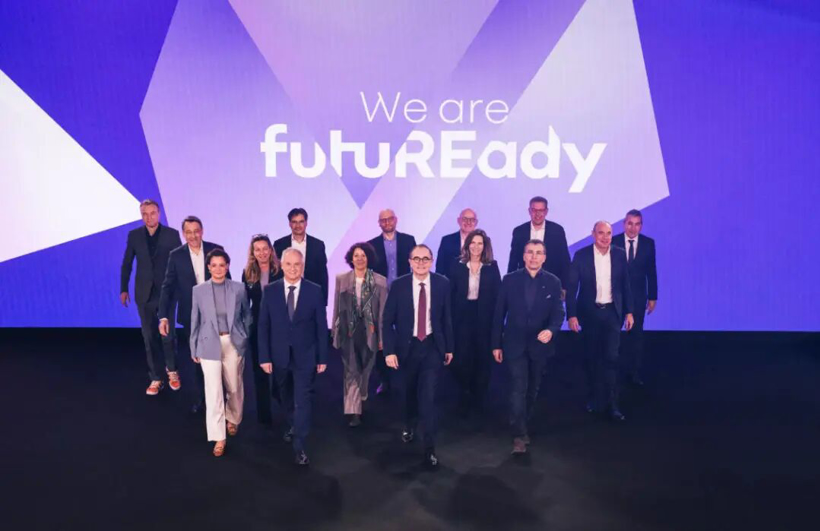
So, what substantive changes has Renault's new strategy brought? Now, "futuREady" provides the answer: by 2030, Renault plans to launch a total of 36 new models, 22 of which will target the European market, and of these 22, 16 will be electric vehicles.
01Electrification finally takes center stage
To further enrich its electric vehicle lineup, Renault is developing a new electric platform called "RGEV Medium 2.0." Unlike existing platforms, it features an 800-volt architecture and can accommodate vehicles ranging from B+ to D segments, supporting various body styles including sedans, SUVs, and vans.
Although the platform's launch date has not yet been announced, Renault has revealed its technical targets: supporting ultra-fast charging in ten minutes, utilizing a cell-to-pack architecture with a packaging efficiency as high as 70%, and reducing the number of components by 20%. More importantly, the platform is compatible with prismatic cells, blade cells, and even pouch cells—an uncommon choice in cell-to-pack architectures.
In terms of range, the pure electric version can reach 750 kilometers under WLTP conditions, and the range-extended version can reach up to 1400 kilometers, with carbon emissions below 25 grams per kilometer.
The battery chemistry system follows a dual-track approach: one is the high energy density route, targeting high-performance and long-range models; the other is a more economical lithium iron phosphate battery route, suitable for compact cars and standard-range models. The latter will also be used for the RGEV platform, achieving a balance between long range and fast charging.
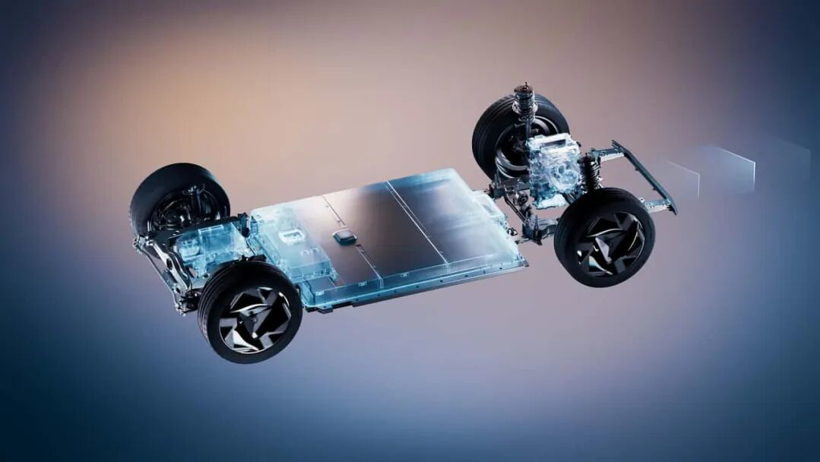
In addition, Renault is independently developing a third-generation externally excited synchronous motor that does not use rare earth elements, with a power output of 275 horsepower, a high-speed efficiency of 93%, and a 25% increase in power. Combined with the innovative "7-in-1" power electronics, the cost of the motor will be 20% lower than the previous generation.
In his open letter, Fran stated that the current top priority is developing the next-generation C-segment electric vehicle, with the goal of achieving an optimal balance among energy efficiency, range, and cost. However, he emphasized that the focus at this stage is on the overall strategy, rather than specific technical details of any single model.
While fully electrifying, Renault has not abandoned its internal combustion engine product line. Hybrid systems are expected to continue to be sold in the European market after 2030, and in regions outside of Europe, Flins plans to launch more hybrid models, with the Renault brand alone planning to introduce 14 new models in overseas markets.
By 2030, Renault aims for annual sales of 2 million vehicles, half of which will come from overseas markets. In Europe, all new vehicles will be electrified (either fully electric or hybrid), while half of its overseas sales will be electric vehicles.
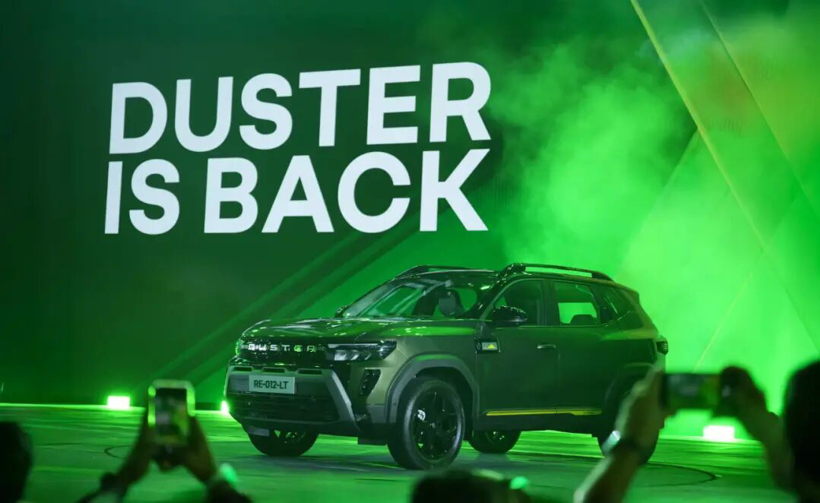
Dacia, a brand under Renault Group that has recently shown strong performance, will continue its affordable strategy, focusing on "the most competitive pricing and cost," while expanding into the C-segment market. By 2030, two-thirds of Dacia's sales are expected to come from electric vehicles, including four all-electric models.
Alpine, the sports car brand once strongly promoted by De Meo, will launch two electric models, A290 and A390, to attract new customers. A new generation A110 based on Alpine's performance platform is also in planning, but the powertrain has not been confirmed yet.
Overall, the "futuREady" strategy is built around four pillars: new product-driven growth, accelerated breakthroughs in key technologies, AI-powered operational efficiency, and continuous development of ecological collaboration. Renault stated that engineering technology is critical for the implementation of the strategy, and the group will mobilize both internal R&D and external supplier resources.
However, this strategy is not without concerns; as its alliance ties with Nissan and Mitsubishi grow increasingly loose, the prospect of sharing R&D costs has become uncertain. In response, Renault has adopted a parallel, multi-pronged technological approach: on one hand, advancing a "software-defined vehicle" architecture on its RGEV platform models, equipped with a central computer and even evolving toward an "AI-defined vehicle"; on the other hand, retaining its original domain control architecture as a backup.
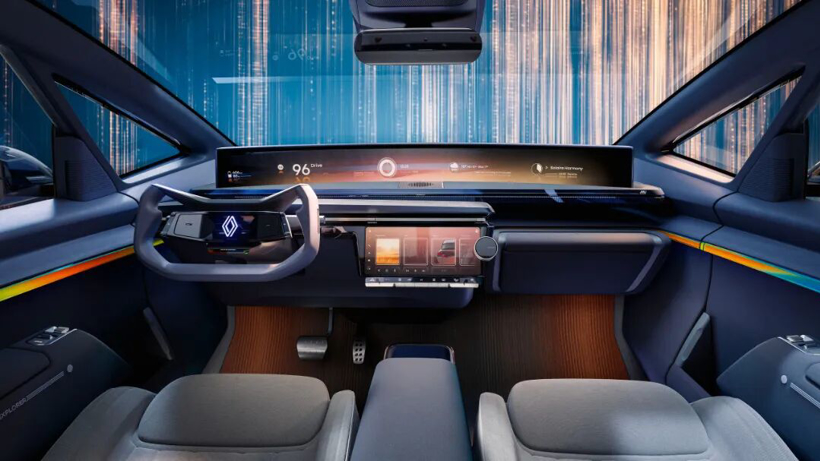
At the same time, Flan also emphasized, "Being a benchmark car manufacturer in Europe means aspiring to design and produce products in Europe that are second to none in terms of appeal, technology, and competitiveness." "In an increasingly competitive environment, this means combining performance and innovation with resilience and strong capabilities. This is the essence of futuREady."
02China has become an indispensable force.
Notably, Philippe Brunet, Chief Technology Officer of Renault Group and General Manager of ACDC, recently stated that although Renault Group does not sell complete vehicles in the Chinese market, it will continue to develop its business in China in the future, mainly including: continuing to develop new models in China, including platforms shared with Geely, and also developing vehicles for overseas markets; purchasing components for the European market; and leveraging the capabilities of Chinese enterprises in intelligentization, making Renault an important market participant.
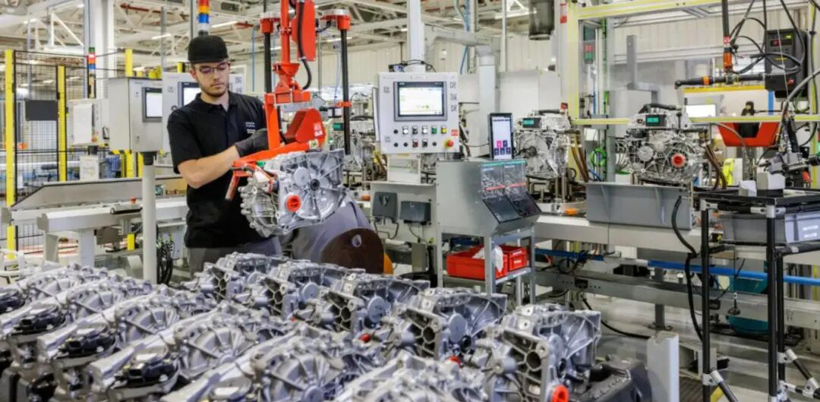
Last month, Renault announced that it will produce a new small electric vehicle engine at its Cléon factory in France, with key components provided by Shanghai Electric Drive. This move aims to reduce costs and improve profitability in the sluggish EU market. Renault plans to complete the new production line by 2027, with an annual capacity of up to 120,000 units.
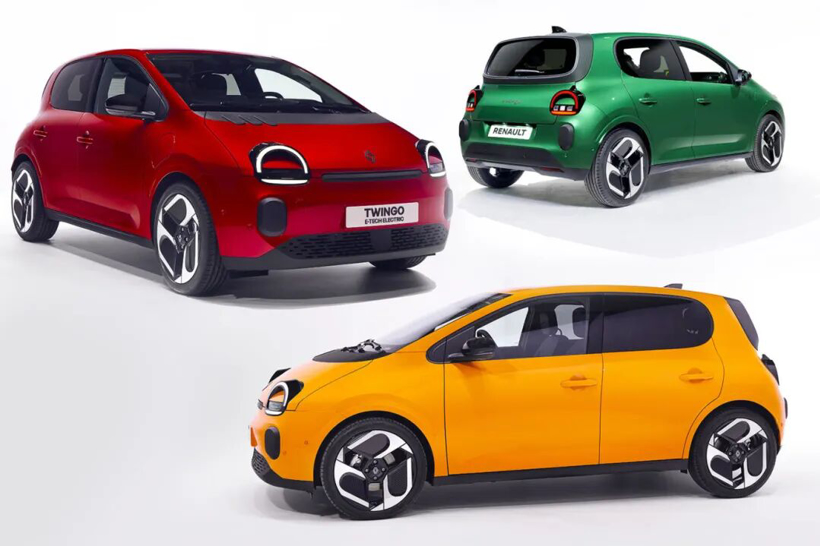
In fact, Renault had already started importing small motors from Shanghai Electric Drive for the new Twingo model. The rapid launch of this car within two years largely benefited from the support of Chinese suppliers and Renault's Shanghai R&D center, ACDC. A few months ago, Renault also terminated its project with Valeo to develop high-performance motors, opting instead for more cost-effective Chinese suppliers.
Although Renault has no intention to return to the Chinese market to sell vehicles, its reliance on the Chinese supply chain is continuously deepening. Faulan admitted that the Chinese market is highly competitive with ongoing price wars. Renault will focus on integrating into the Chinese supply chain, and is prepared to invest sufficient funds to ensure product differentiation. After deeply integrating into the Chinese ecosystem, it aims to retain its unique technological brand assets, rather than participate in the terminal market competition.
For instance, the powertrain joint venture “Horse Powertrain,” jointly operated by Renault and Geely, currently has an annual production capacity of 5 million units. The two parties are also jointly developing Renault-branded vehicles in South Korea, and have signed a production agreement in Brazil permitting Geely to manufacture its own-brand vehicles at Renault’s factories.
In fact, Renault's new strategy calls for "accelerating the pace, delivering efficiently, and further strengthening operational excellence." To achieve this goal, Renault has already taken a step ahead in the localization of core components. By producing power batteries in close proximity, Renault effectively shortens the supply chain, achieving efficient delivery.
In the battery field, Renault is also deeply tied to the Chinese supply chain. For example, the Renault R5, which has sold over 100,000 units, is equipped with batteries from Envision AESC's super battery factory in Douai, France.
This factory is a brand-new, highly automated facility that commenced operations in June 2025. Its Phase I production capacity of 10 GWh has been successfully ramped up. Thanks to the factory’s proximity to suppliers, supply chain response time has significantly improved. Batteries produced at this facility have already been installed in tens of thousands of Renault R5 vehicles.
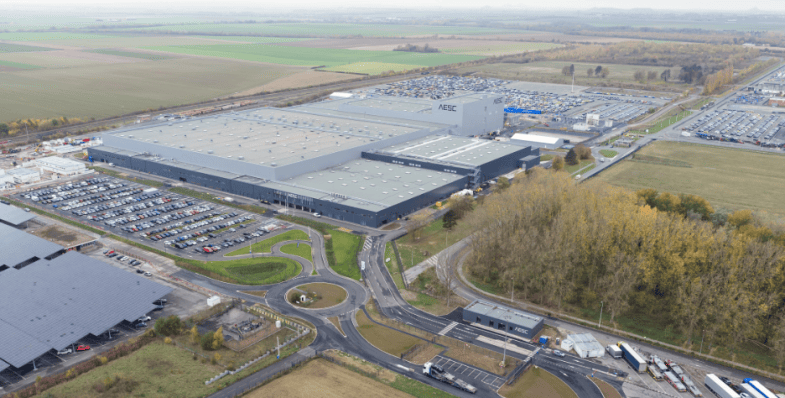
It is worth mentioning that Envision AESC's battery factory is a crucial part of Renault's localization strategy. From site selection, agreement negotiation to the start of construction, it took less than two years. With Envision AESC's standardized production line capabilities and global cooperation experience, the ramp-up speed is among the top in the industry.
This dependency is not unique to Renault; it can be said that the French automotive supply chain is increasingly relying on Chinese suppliers for electric vehicle components, particularly batteries, rare earth elements, and software.
Major French suppliers like Valeo are expanding in China to leverage advanced technologies; at the same time, Chinese companies are establishing bases in Europe to meet local demand and reduce logistics risks. Despite the EU's efforts to lower risks and diversify, this trend continues.
Just as Renault has shown, true localization sometimes relies precisely on the integration of global resources. Under the leadership of recently departed CEO Luca de Meo, Renault established a research and development center in China in 2024, following a localized global strategy and leveraging the advantages of China's supply chain to develop products for overseas markets.
This procurement model reflects a broader trend of European automakers collaborating with Chinese suppliers, as pricing has become critical amid cooling demand for electric vehicles. Indeed, we’ve seen Mercedes-Benz partnering with Geely to develop advanced driver-assistance systems and powertrain technologies, while Volkswagen is leveraging XPeng’s technology to develop its vehicles.
Returning to Renault, as former procurement director of the Renault Group, Fran was accustomed to strict budget control. Now, as CEO, he frequently cites these Chinese manufacturers in conversations with employees to illustrate the level of agility and efficiency Renault should strive to achieve. He is also attempting to convince investors that the automaker must become more like its lower-cost Chinese competitors.
【Copyright and Disclaimer】The above information is collected and organized by PlastMatch. The copyright belongs to the original author. This article is reprinted for the purpose of providing more information, and it does not imply that PlastMatch endorses the views expressed in the article or guarantees its accuracy. If there are any errors in the source attribution or if your legitimate rights have been infringed, please contact us, and we will promptly correct or remove the content. If other media, websites, or individuals use the aforementioned content, they must clearly indicate the original source and origin of the work and assume legal responsibility on their own.
Most Popular
-
Supply Extremely Tight! LG Chem Declares Force Majeure on Export Contracts for Di-Octyl Terephthalate (DOTP)
-
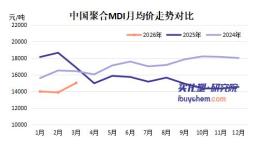
Huntsman Introduces “War Surcharge” Amid Shipping Disruption and Soaring Energy Costs, Global MDI Prices Continue to Rise
-
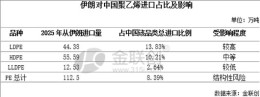
Middle East Tensions Escalate Sharply: How Polyolefins Respond Amid Soaring Risk Premium
-
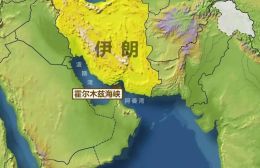
Deadly Impact: Hormuz Strait Blockade Sparks Shortage of Plastic Raw Materials, Threatening Shutdowns at Japanese and Korean Chemical Plants
-

LG Chem Declares Force Majeure on DOTP Exports! SABIC Joins Five Giants to Redefine EV Safety


